




News
Why Can’t Fabric Be Cut Immediately After Arriving at the Factory? The Importance of Fabric Resting
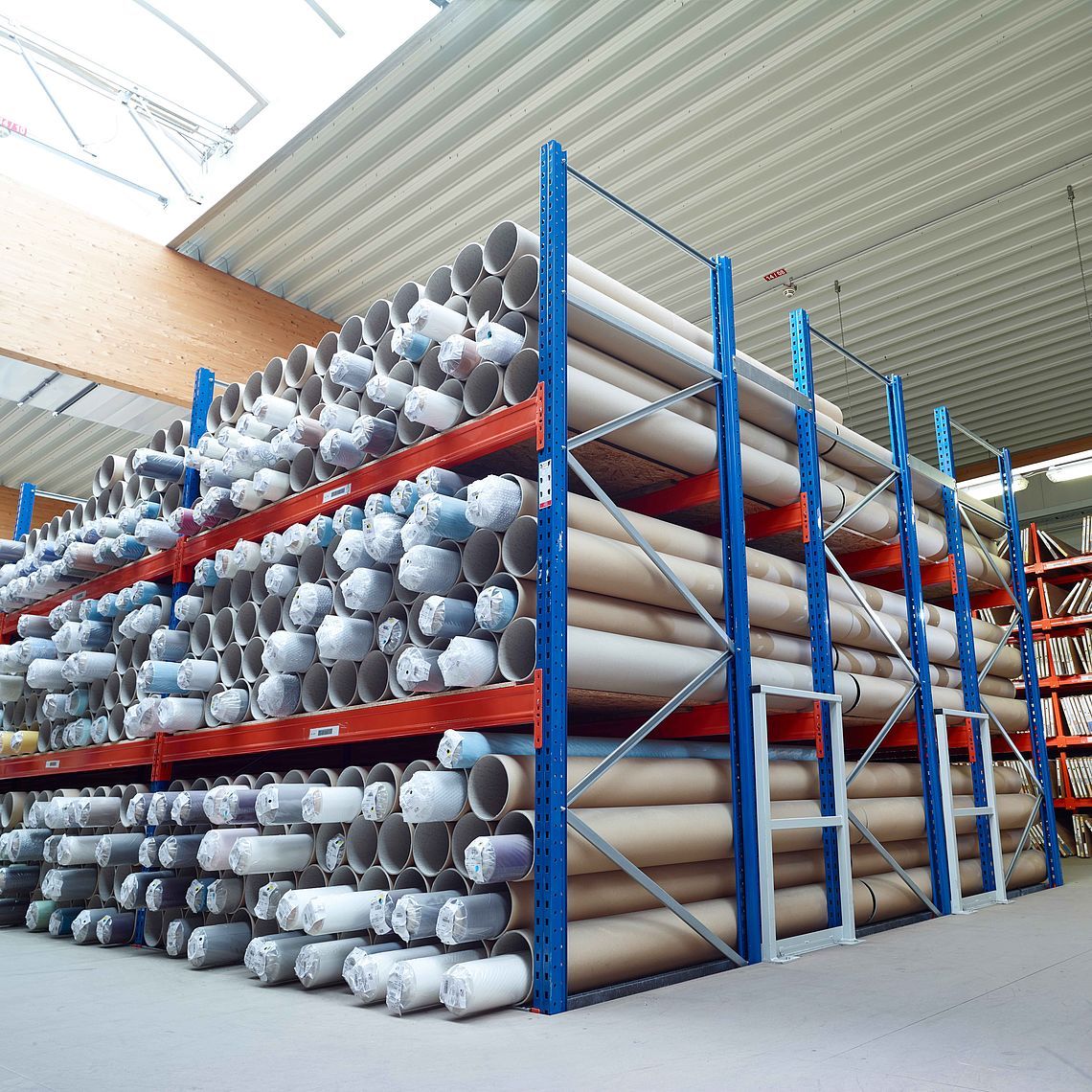
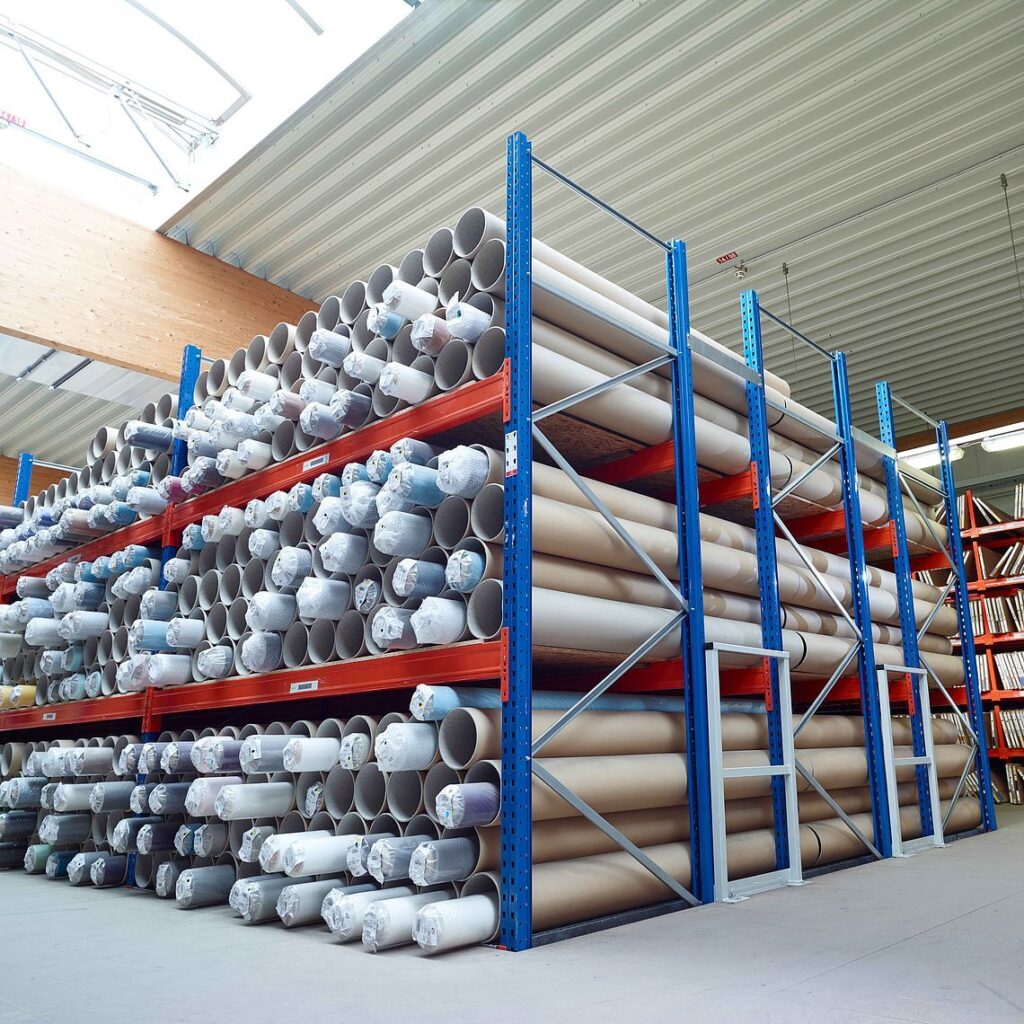
Many buyers don’t understand why factories don’t cut fabric immediately after it arrives, instead “letting it sit for a few days.” This isn’t delay — it’s a necessary process in textile production. From the moment fabric leaves the mill, through packaging and transportation to the garment factory, the fabric remains under roll tension. Fibers and weave structure retain internal stress. Cutting directly can lead to unstable piece dimensions and finished garment size deviations.
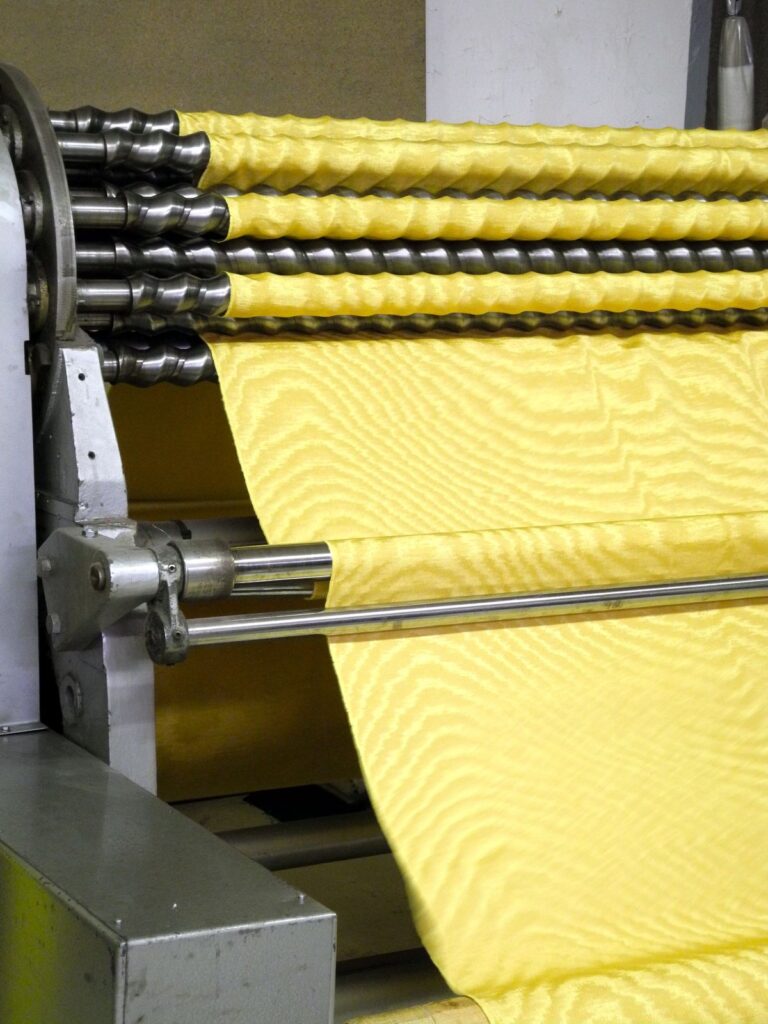
The core purpose of fabric resting is to release internal stress and allow the fabric to return to its natural state. Rolled fabric experiences stretching and deformation of warp and weft yarns during prolonged rolling. After arriving at the garment factory, fabric needs to be laid flat and rested in a controlled temperature and humidity environment, allowing fiber memory to gradually fade and fabric dimensions to stabilize. Resting time varies by fabric — cotton fabrics typically need 24-48 hours, synthetic fabrics need 12-24 hours, and some high-tension fabrics may need up to 72 hours.
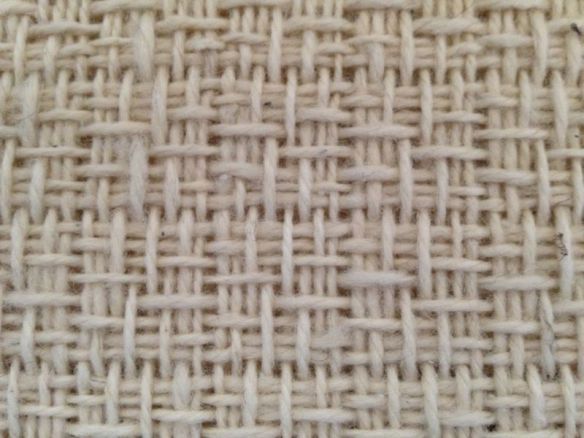
The consequences of skipping resting and cutting directly are hidden but severe. Dimensions may be accurate at cutting, but after sewing, pressing, and washing, finished garment sizes may shrink or distort, causing the entire batch to fall outside size tolerance requirements. This problem only surfaces during bulk production, with extremely high rework costs. More seriously, if fabric has weft skew or weft bow issues, cutting without resting “locks in” these defects into the cut pieces, and the finished garments cannot be corrected.
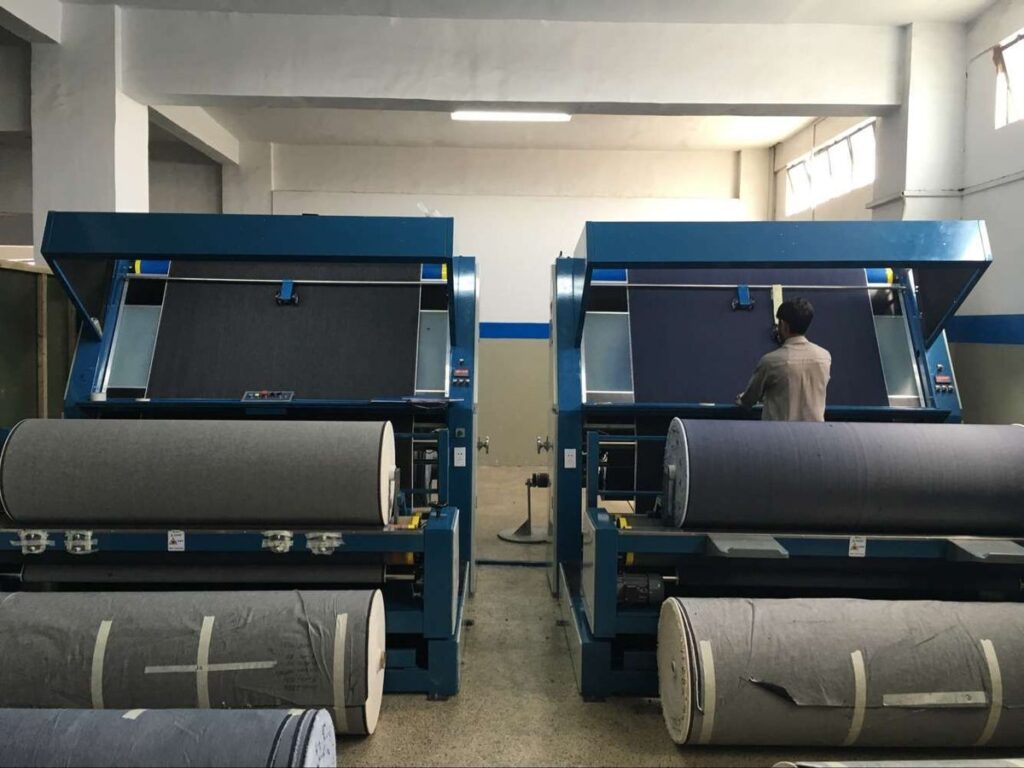
In addition to resting, fabric needs a “fabric inspection” process after arrival and before cutting. Inspection is a systematic check of the entire batch of fabric after resting and before cutting, including color difference, weaving defects, stains, holes, and other issues. Some factories skip resting and inspection to meet deadlines — this is very unprofessional practice. As a buyer, when placing orders, you should explicitly require the factory to perform fabric resting and inspection processes, preferably documented in the contract or tech pack.
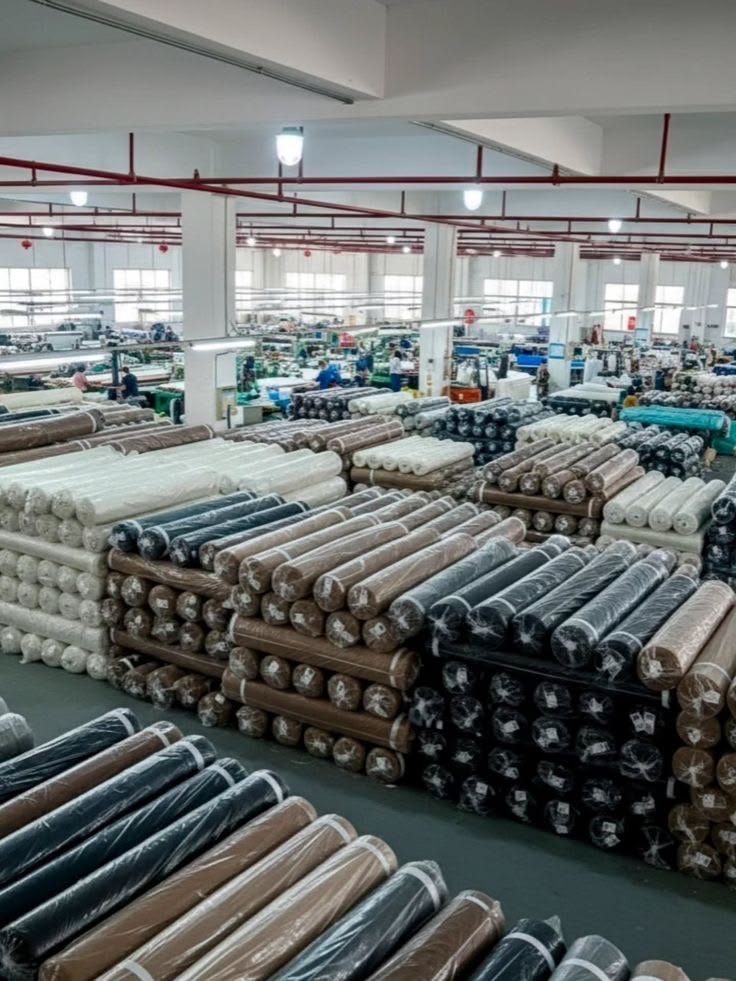
Cciola implements strict processes in fabric management. After fabric arrives, we first verify product name, width, weight, color code, and quantity, then lay it flat in a temperature and humidity-controlled resting area for 24-72 hours (depending on fabric type). After resting, dedicated inspection workers check each roll, recording defect locations and severity to determine whether it can be used, needs replacement pieces, or requires entire roll return. Only fabric that passes inspection enters the cutting room. We believe stable fabric is the prerequisite for stable quality.
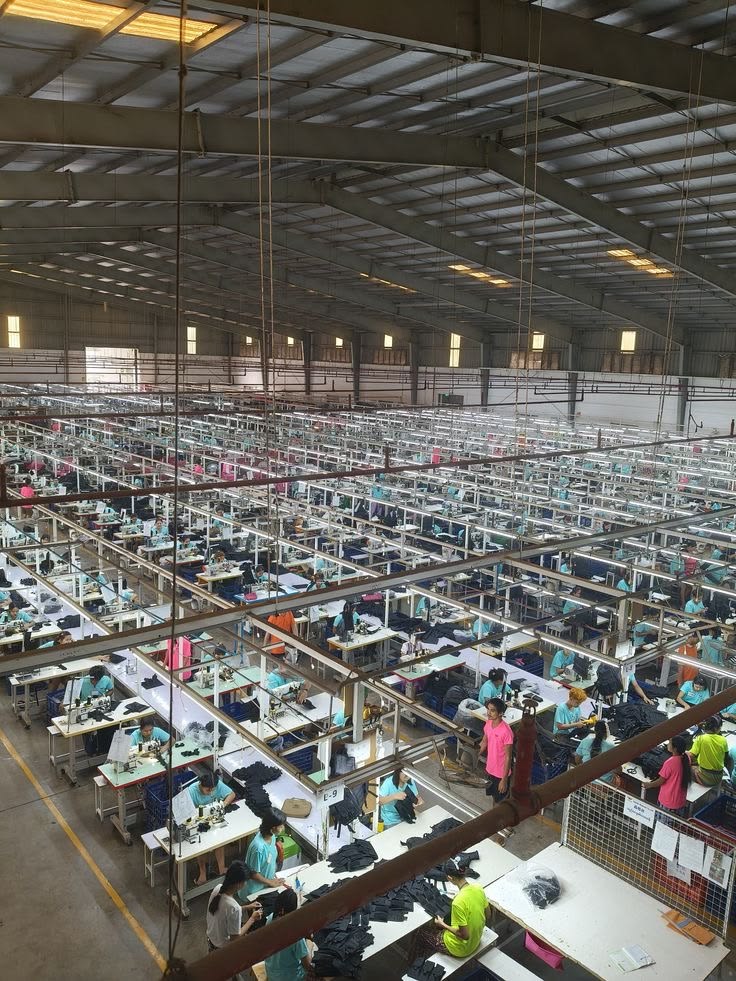
Next time you receive a progress update from the factory and they tell you “fabric is resting,” please don’t rush them — this is a sign of responsibility. Skipping resting might save two or three days, but may cause size problems in your entire batch. Good quality takes time, and time is the best investment.