



News
What Is Fusible Interlining? What Role Does It Play in Jackets?
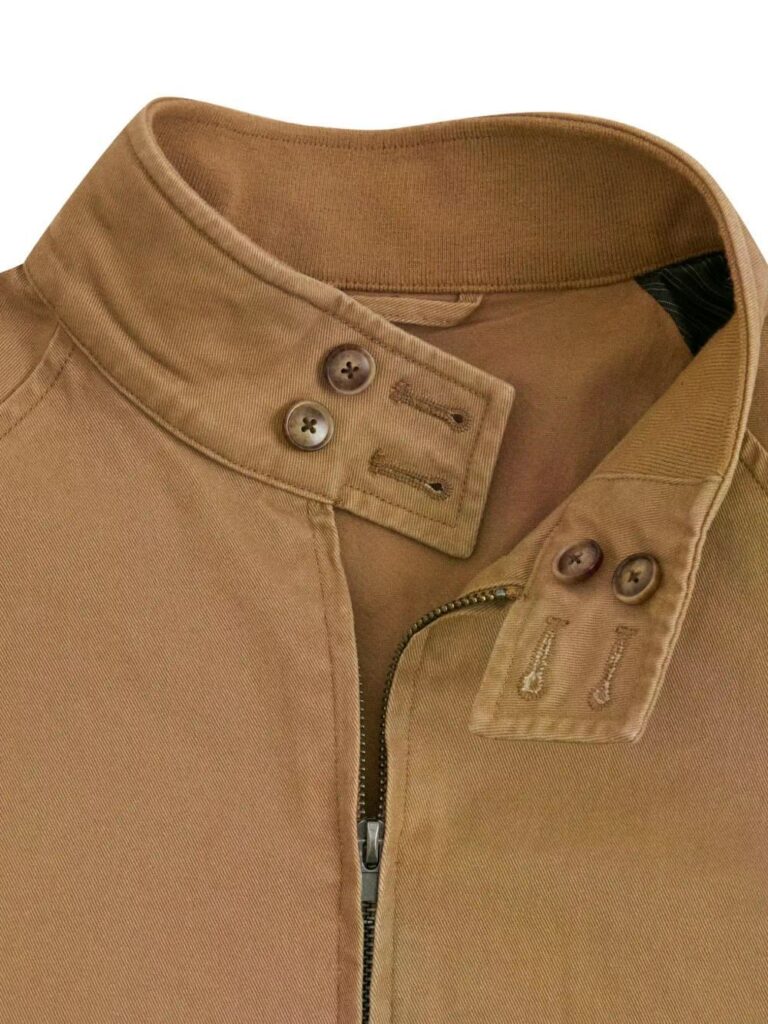
When buying jackets, most people focus on fabric feel, color, and style. Very few notice the “filling” layer in the collar, placket, and cuffs. This material is called fusible interlining — one of the most important accessories in garment production, yet rarely seen by consumers. Understanding fusible interlining helps you judge a jacket’s true quality level.
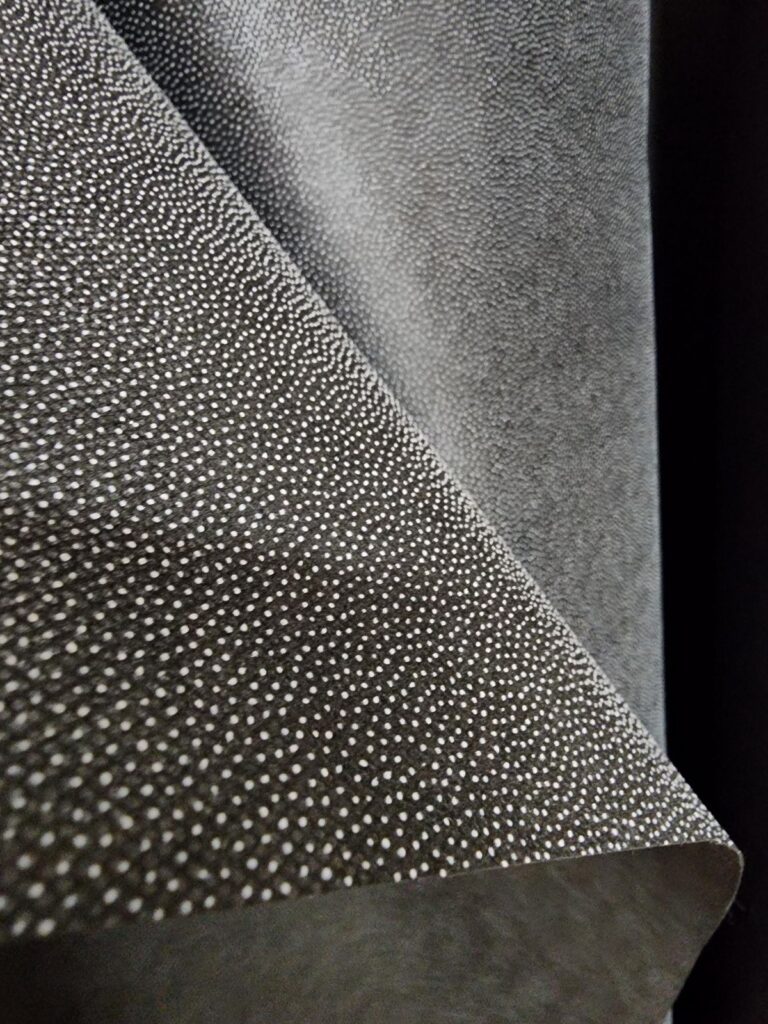
Fusible interlining is a backing material that bonds to fabric through heat pressing. Its back is coated with thermoplastic resin particles — when heated, the resin softens and penetrates into fabric fibers under pressure, forming a firm bond after cooling. Fusible interlining provides support and shaping for fabric — without it, jacket collars become soft and droopy, plackets curl, cuffs deform, and the overall appearance looks cheap and poorly made.
The type of fusible interlining directly determines a jacket’s wearing effect. By material: polyamide (PA) interlining suits most fabrics, polyethylene (PE) interlining is used for areas requiring high stiffness like shirt collars. By weaving method: woven interlining bonds most naturally with fabric, non-woven is lower cost but less durable, weft interlining has good elasticity for stretch fabrics. Different fusible interlinings vary greatly in melting point, weight, and hand feel — professional factories select matching interlining based on fabric characteristics.
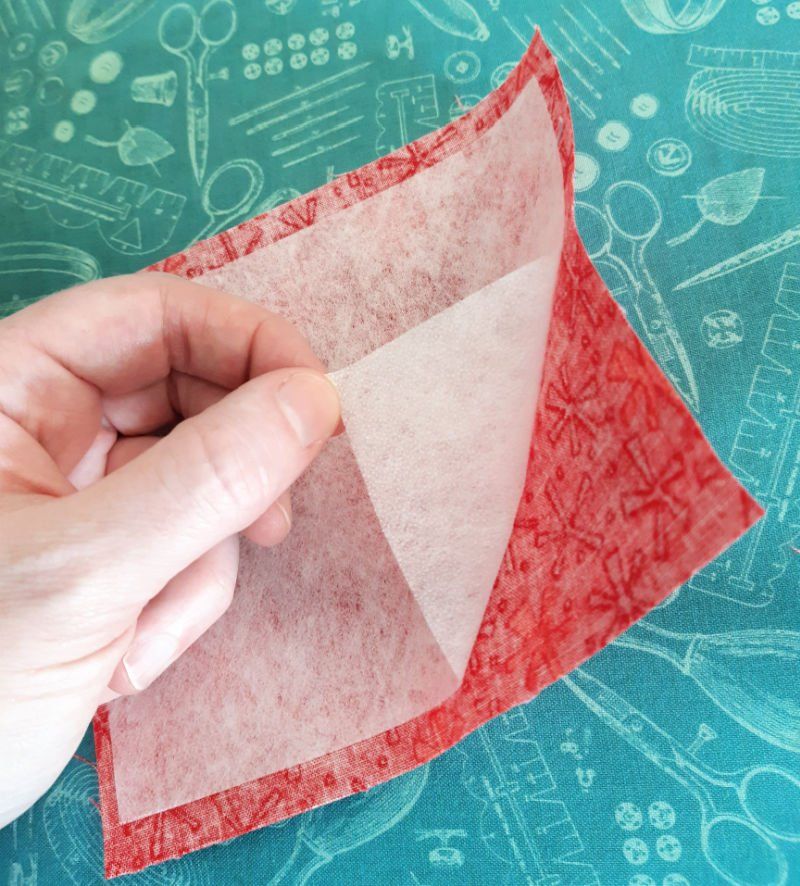
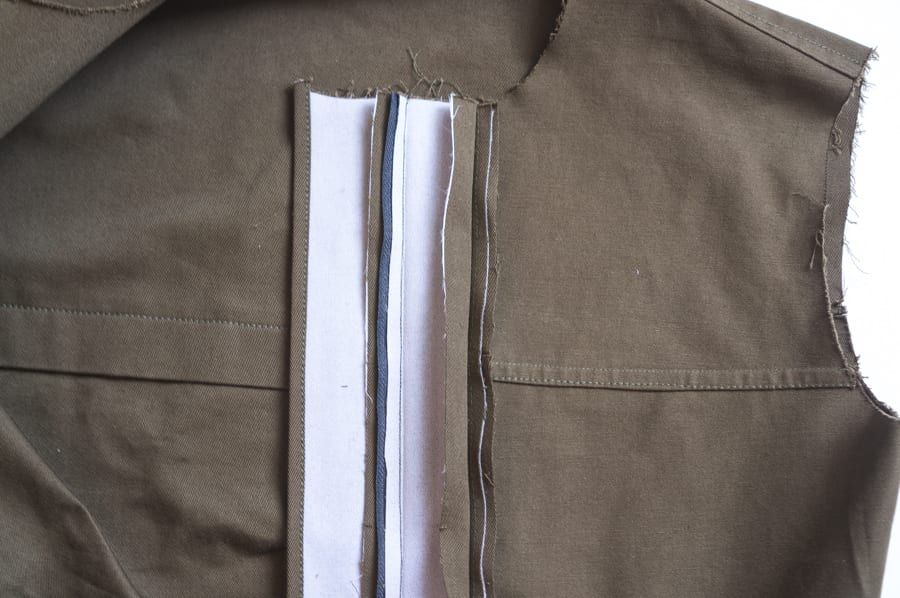
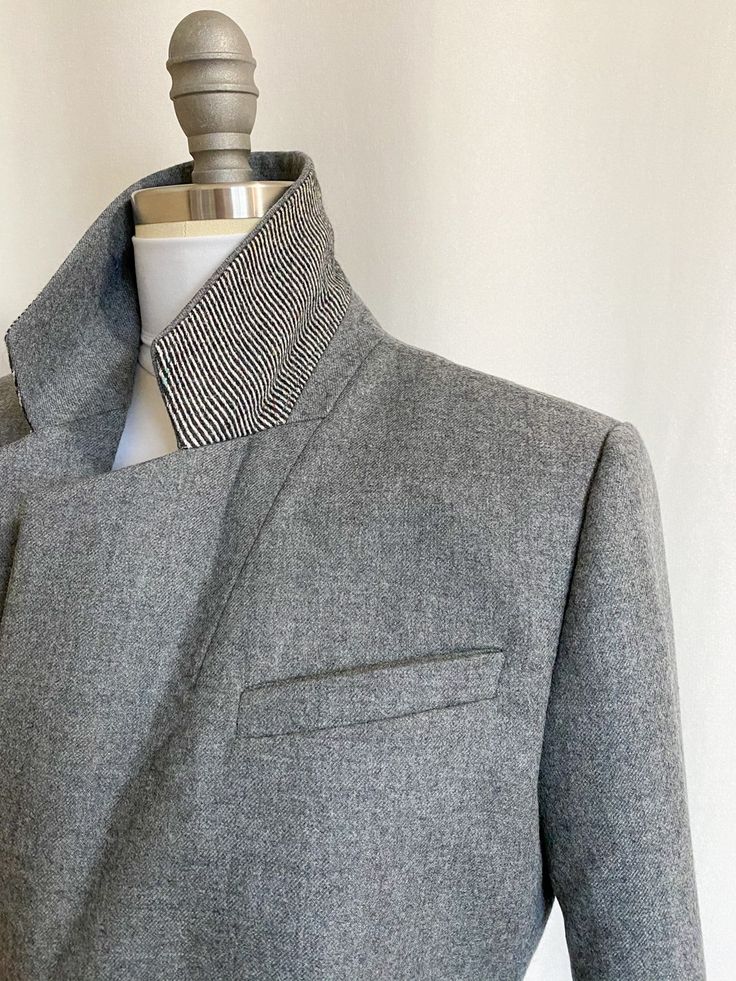
Specific applications of fusible interlining in jackets include the collar, placket, hem, and pocket flaps — areas requiring firm effect. Taking men’s casual jackets as an example, the collar is the most critical area, usually using double-layer fusible interlining for sufficient stiffness. The placket interlining keeps zippers or buttons flat and aligned. Hem interlining keeps the jacket bottom straight without curling. Pocket flap interlining gives pocket edges a clean, sharp line. These details may seem insignificant, but they determine whether a jacket looks “well-shaped” or “sloppy.”
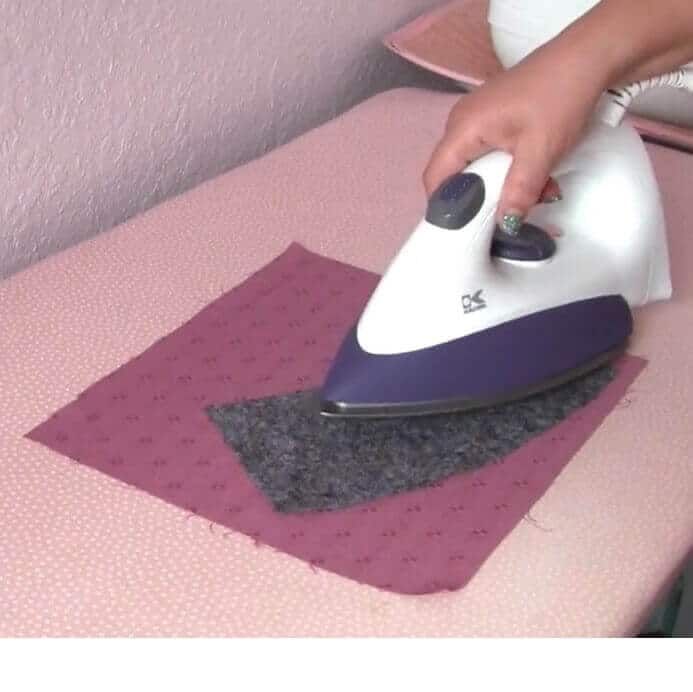
Using inferior fusible interlining or improper bonding techniques causes various after-sales problems. Common issues include: bubbling (uneven, bumpy texture appearing on fabric surface), delamination (interlining separating from fabric after wearing or washing), adhesive bleeding (resin penetrating fabric surface with sticky traces), and fabric discoloration (yellowing or fading in local areas caused by high-temperature bonding). These problems often surface months after bulk production, by which time garments have already been delivered to buyers.
There are several simple ways to judge fusible interlining quality. First, the “hand feel” method — press gently on the inner collar or placket. A firm yet soft hand feel indicates appropriate interlining usage; if it feels hard like cardboard, the interlining weight is too high or the wrong type was used. Second, the “water drop” method — drip water on the fabric back and observe penetration speed. If water absorbs too quickly, the interlining has poor breathability and will feel stuffy when worn. Third, the “stretch” method — lightly pull the fabric and observe resilience. Poor recovery indicates the interlining didn’t bond properly with the fabric.
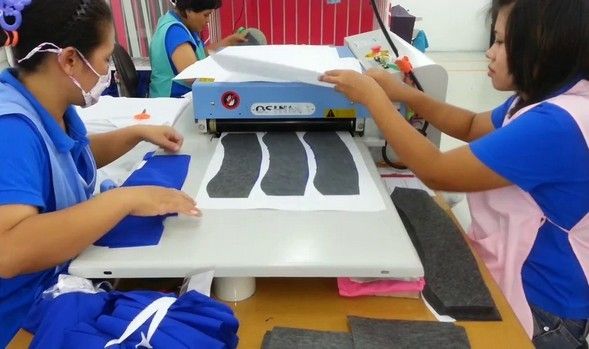
Cciola implements strict standards in fusible interlining selection and process. Interlining is matched based on fabric thickness, weight, and composition — universal interlining is never used. Fabrics undergo pre-shrinking treatment before bonding to ensure dimensional stability. The bonding process uses professional fusing machines with precise control of temperature, pressure, and time — the three critical parameters — avoiding both under-bonding (insufficient adhesion) and over-bonding (fabric damage). After bonding, fabric rests for 24 hours before entering the cutting process, allowing the adhesive to fully cure and ensuring bulk production quality stability.