
News
Who Pays for Collection and Recycling

The story of a garment does not end when it is sold. It gets worn, outgrown, forgotten at the back of a wardrobe, and eventually becomes a pile of textiles waiting to be dealt with. For a long time nobody counted that cost properly — into the bin was the end of it. Europe is now changing that: whoever puts clothes on the market pays for what happens to them at the end. The principle has a name, extended producer responsibility, but in plain terms it ties selling together with collecting.

Many factories hear this and worry that the obligation lands on them. Usually it does not. The responsible party is whoever first places the product on the market in a given country — the brand, the importer, or a local sales entity. A manufacturing factory in China does not normally carry that registration and fee obligation. The misunderstanding is common enough to cause unnecessary arguments, so it is worth stating the boundary clearly: the responsibility sits with the seller, and the factory’s job is to supply accurate data.
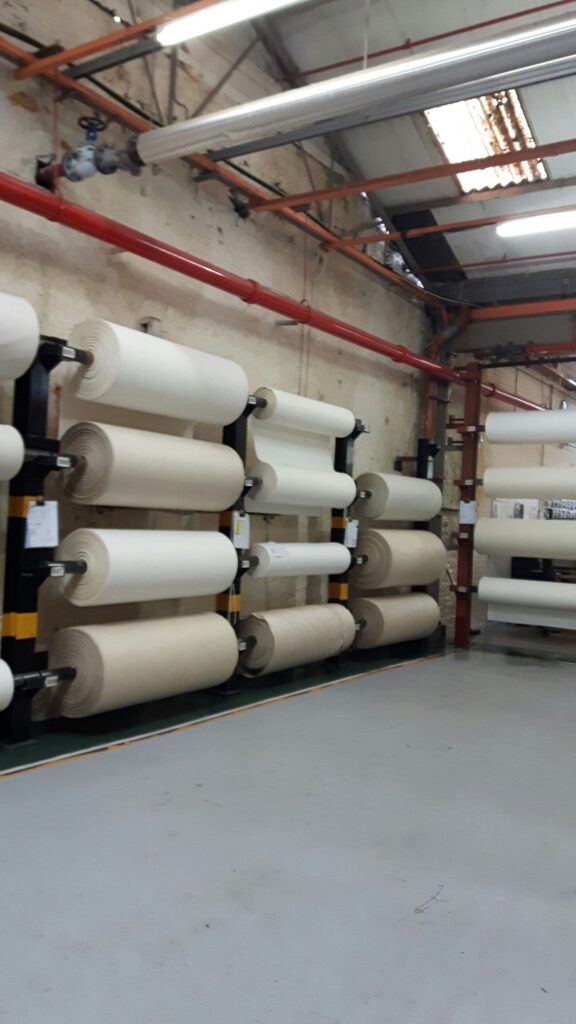
The obligation itself breaks into three parts. First, registration in each country where the products are sold, usually through the local collection organisation rather than by dealing with authorities directly. Second, regular reporting of the volumes placed on the market, monthly, quarterly or annually depending on the country. Third, payment based on those volumes, which funds collection, sorting and recycling. It sounds like a tax, but it is an industry-run fee system, and the money ends up in the recycling infrastructure.

How the fee is calculated is the most interesting part. The basic method is simple: per item or per kilogram. But more and more European countries apply eco-modulation, meaning that at the same weight, the design and materials change what you pay. Durable products that are easy to disassemble, contain recycled material and are recyclable earn a discount; products using hard-to-recycle mixed materials, excessive packaging or clearly short-lived designs pay more. In other words, every decision made at the design stage eventually shows up on an invoice.

That is why factories cannot stay out of this. The brand has to report, reporting needs data, and the data can only come from production. The net weight of each style, how much of it is shell fabric, lining, filling and trims, how much the cartons and polybags weigh, what percentage is recycled and whether certificates support it — all of this has to be available item by item. Inaccurate data means the brand reports incorrectly, which at best costs more money and at worst triggers recovery claims or penalties. The patterns we see most often are estimated weights, approximate compositions, and packaging left out of the calculation altogether, so that the annual reconciliation never balances.
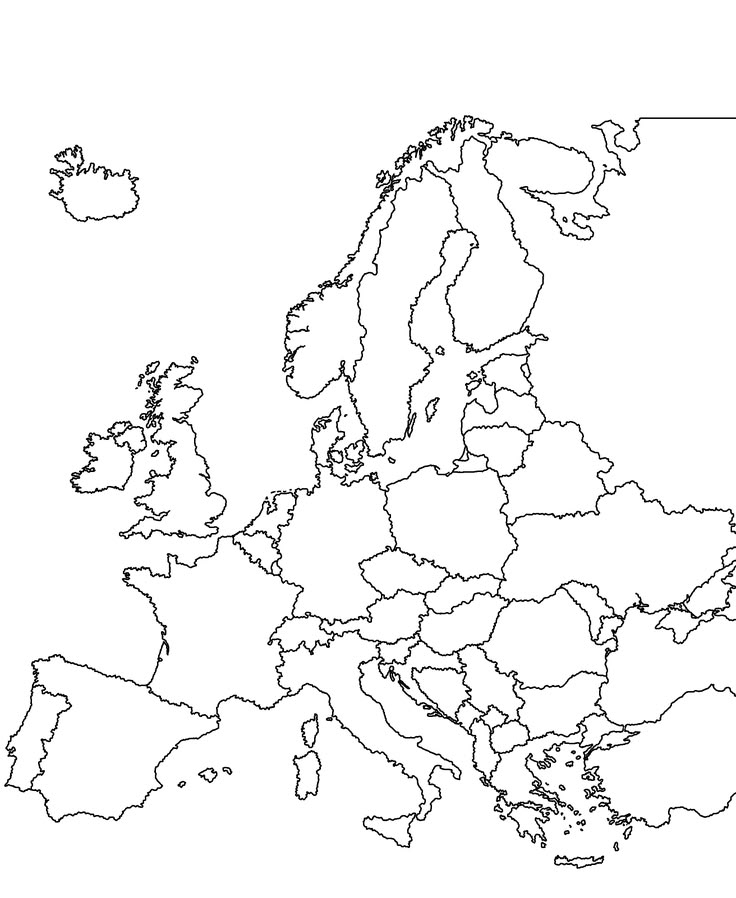
Progress differs from country to country, which is what makes this hard for buyers. Some countries started early, with mature systems, clear collection organisations, fee rates and reporting processes; others have only recently begun and are still settling in; others are still on the way. A brand selling in five countries may well need five registrations, five sets of reports and five different fee rates. Sellers shipping cross-border through marketplaces face an extra layer of complexity, because in the platform model it is often unclear who counts as the party placing the product on the market.

In practice, the pitfalls are rarely about the policy itself. They are about details. Counting only the garment and forgetting that cartons and mailer bags are declared separately. Using theoretical fabric weights instead of actual net weights, where a few percentage points add up over a year. Claiming recycled content in an email without certificates or batch records, then being unable to prove it in an audit. Losing the data trail when a fabric supplier changes, so a new batch inherits old figures. And assuming that once the factory is registered the brand need not bother, with the result that neither side does it.

For buyers, the practical answer is to build this into the process early. Add a line to the tech pack requiring net weight, composition breakdown and packaging weight for every style; update it when the order is confirmed rather than reconstructing it at year end; for information that affects the fee, such as recycled content, ask for certificates linked to the relevant batches; and reconcile once a year, comparing declared volumes with actual shipments. None of this is complicated, but it prevents reporting errors and the recovery claims that follow them.

From where we sit, this cost will end up in the final price of the product, and there is no point pretending otherwise. But how high it is depends less on the policy than on how the product is designed and how the data is managed. A supplier that can state the weight, composition and packaging of every style clearly helps a customer avoid paying more than necessary, and can produce the evidence the moment an auditor asks. That is roughly the difference between merely complying and actually being useful.