
News
Two Days in Situ Town: The Team Beyond the Order Book
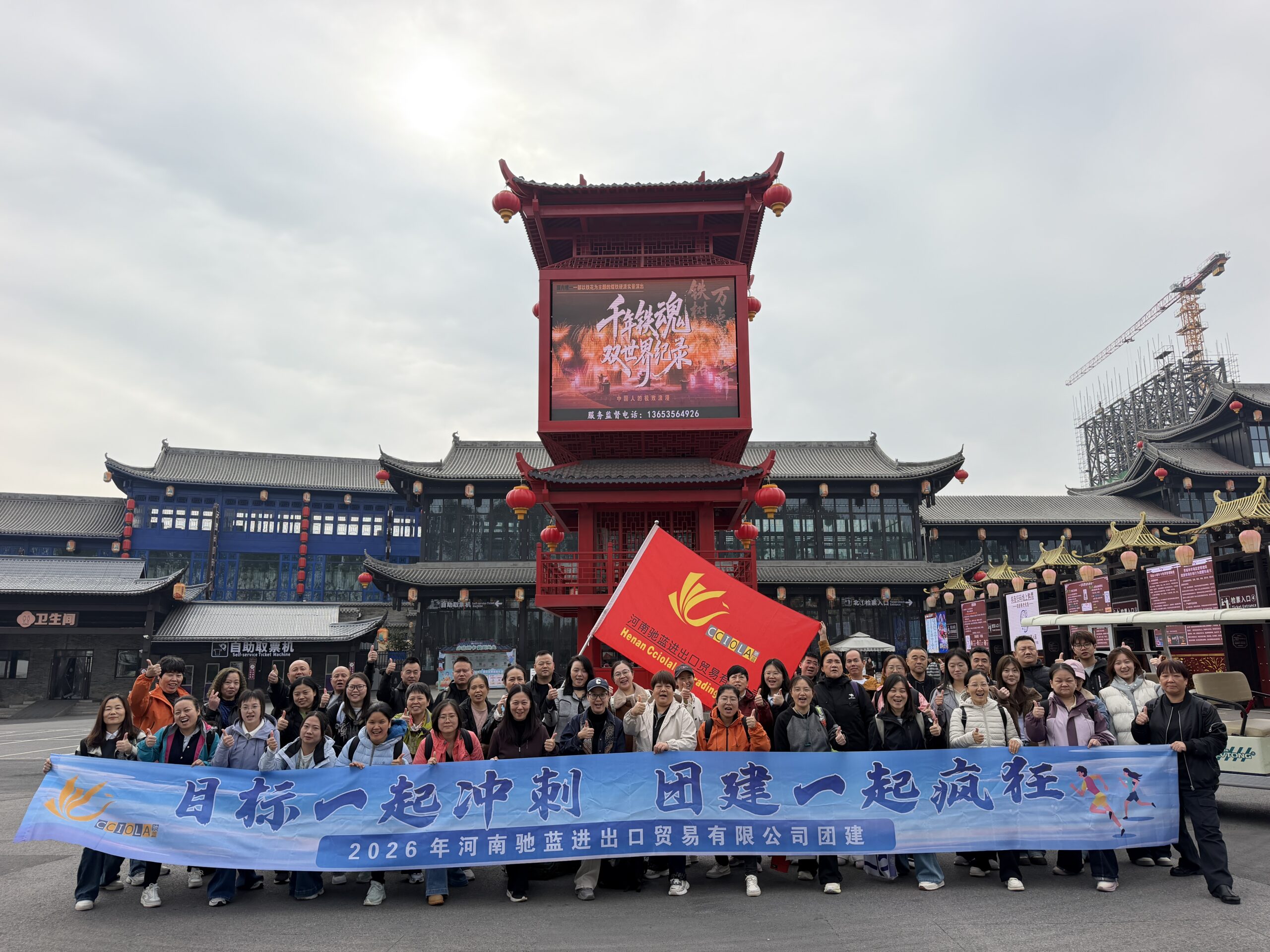
Last Friday and Saturday, we stepped away from our desks and the order book for a two-day team building trip to Situ Town. Normally when we meet, we talk about customers, samples and delivery dates. This time we talked about which food stall was the best, whether the evening show was worth it, and who had to perform a party piece for losing a game. Same people, different place, and a completely different mood.
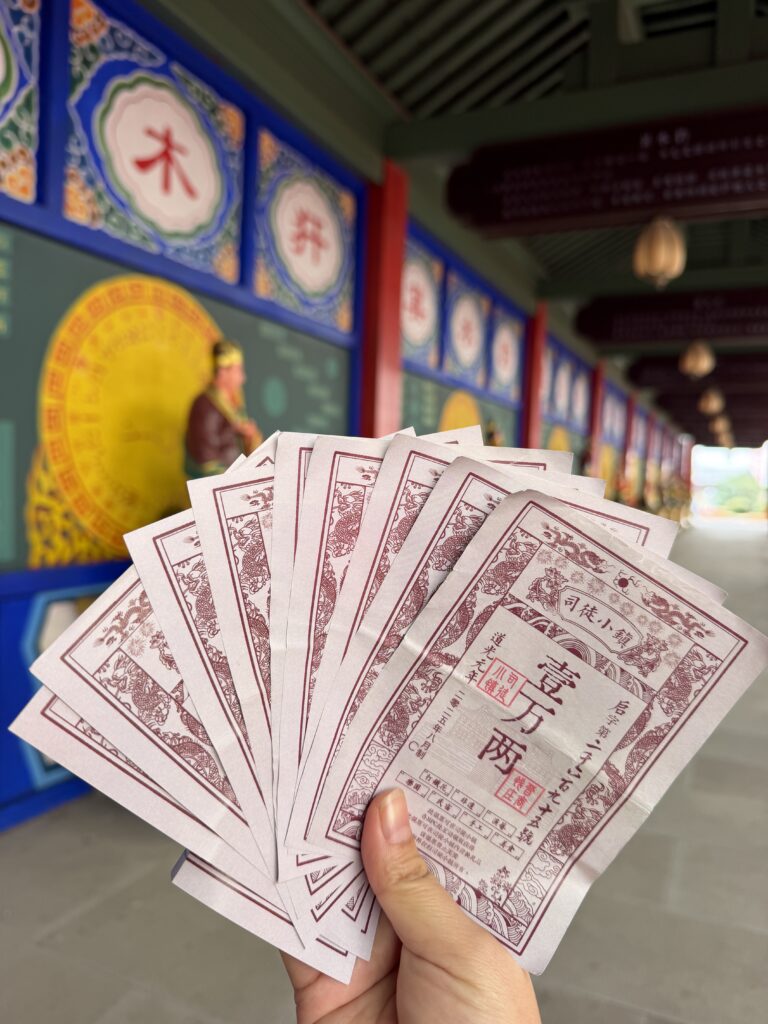
Situ Town is a place full of everyday warmth. The folk street is lined with Shanxi snacks, blacksmith workshops and old-style craft shops, and walking through it by day feels like watching a slow-paced exhibition of ordinary life. For those of us who spend our days with fabrics, samples and emails, watching other craftsmen at work felt oddly familiar — the rhythm of the blacksmith’s hammer, the motion of a carpenter’s plane — it is the same kind of focus we bring to checking a sample.
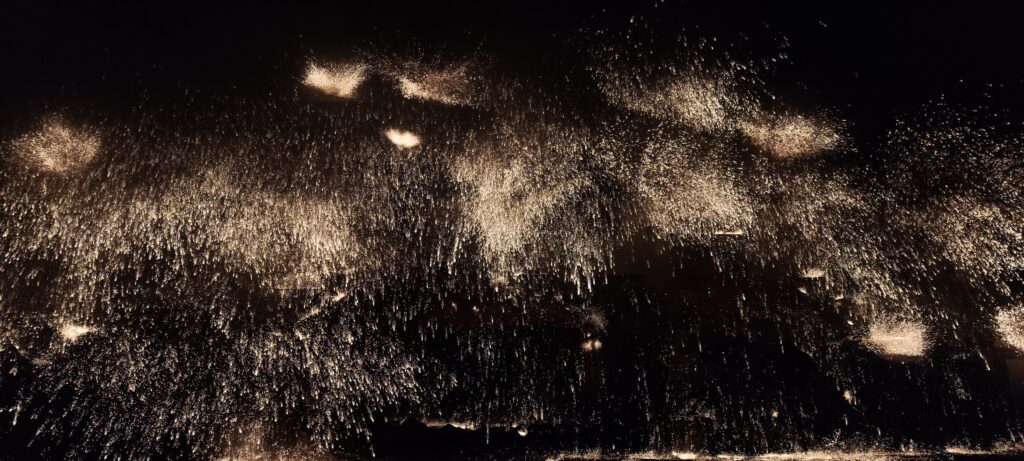
The molten-iron fireworks in the evening were the highlight of the trip. Iron poured against the night sky bursts into a rain of golden sparks, and the crowd kept gasping. Watching it, I kept thinking: this craft has survived because generation after generation trained their hands to perfection. The garment trade is no different — workmanship, patterns, stitching, all of it comes from practice, with no shortcuts.
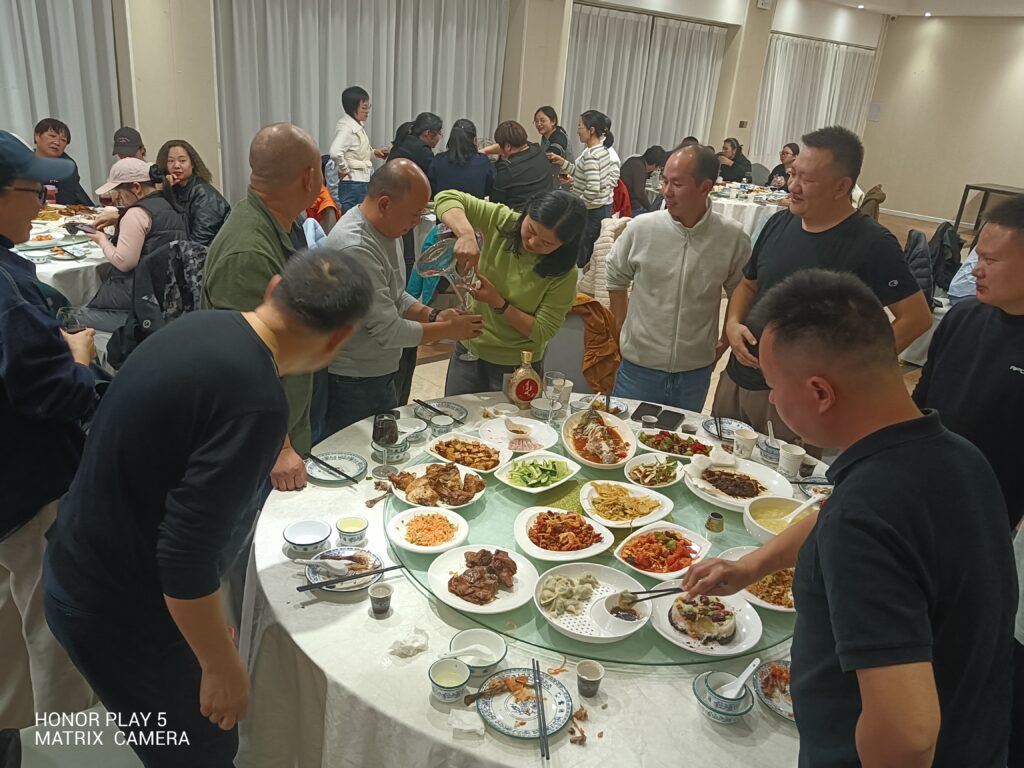
The real value of the trip, though, was found between the sights. The chat on the bus, the jokes over shared snacks, the ten minutes sitting down together when everyone’s legs were tired — these moments turned colleagues who usually sit across desks and business lines into friends who can laugh together. In our company there is division of labour: sales, merchandising, sample follow-up, documentation, each guarding a stretch of the flow. But friendship does not follow process steps. Once people have eaten together and laughed together, the work flows more smoothly too.
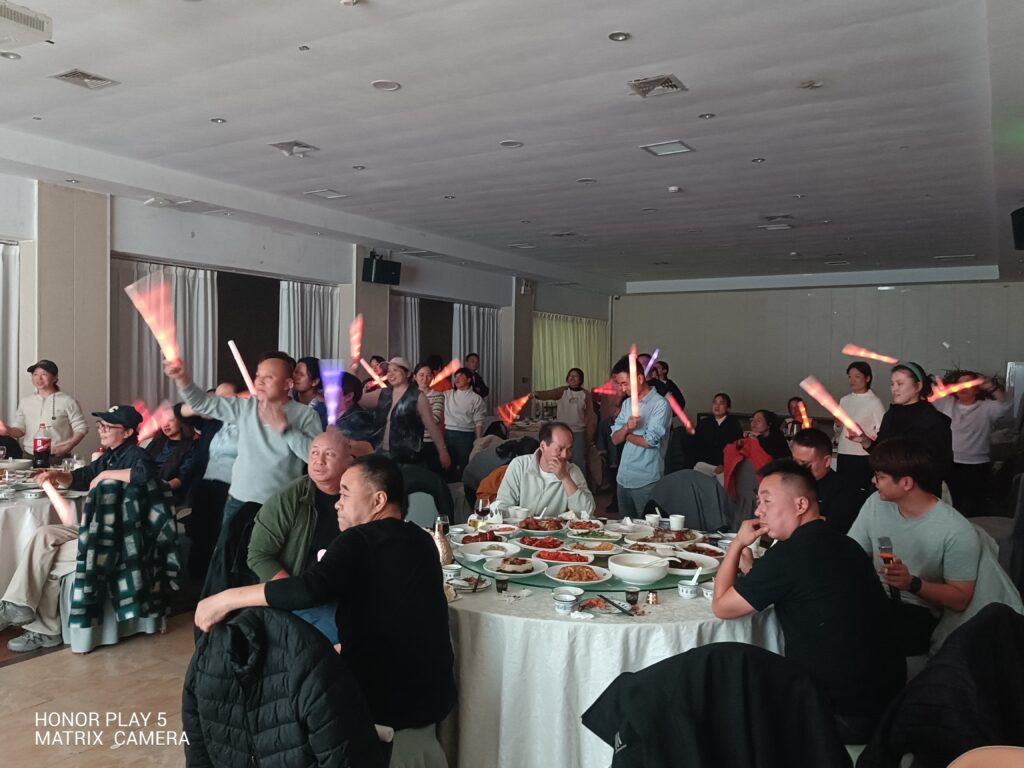
Two days is short, but what it brought us is real. People relax, the team gains another layer of understanding, and for days afterwards the office mood lifts as everyone retells the funny moments. We have always believed that a garment, from quotation to shipment, depends on the service of the company on one end and the craftsmanship of the factory on the other — and both, in the end, depend on the state of the people. Anyone stays wound up too long and the energy drains; a team that plays together happily works with more spirit.
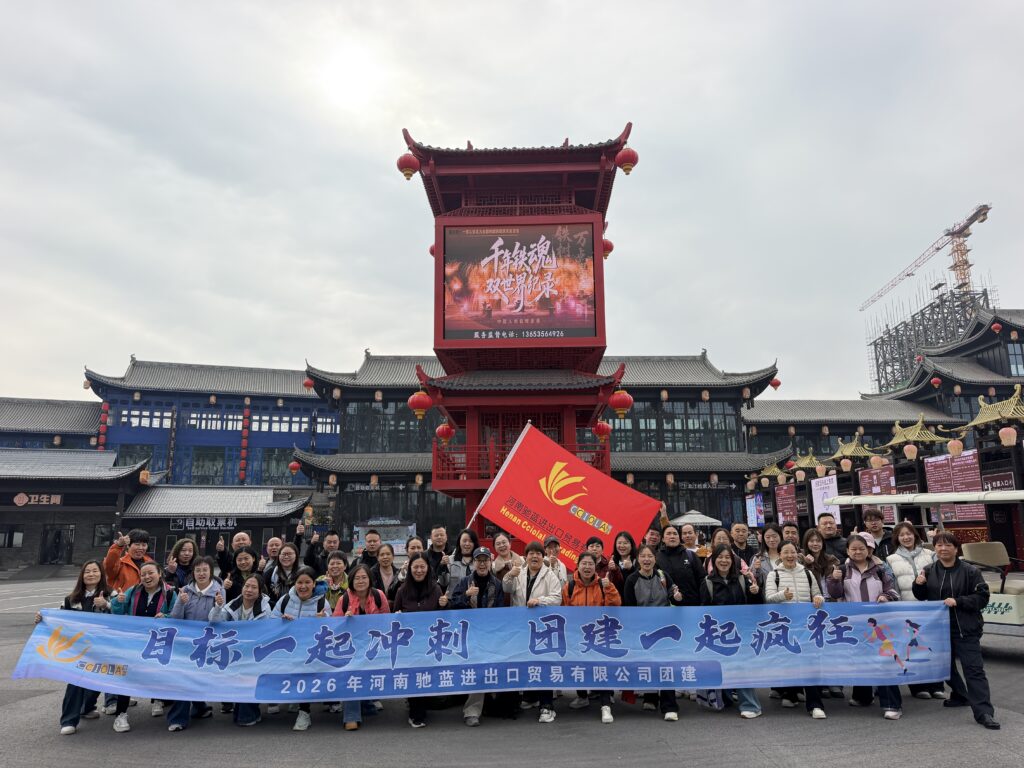
Back now, and everything is as usual: emails answered, orders moving forward one by one. But something has changed — more to talk about at lunch, more laughter in the office, and more reasons to lend each other a hand when the deadlines press. That, perhaps, is what team building is really for: not what you play, but remembering that we are not just colleagues, but partners making a good life together.
Where the next trip will take us, we have not decided yet. But one thing is certain: there will be more days like this.