



News
Why Does Your Exported Jacket Need Azo Dye Testing?
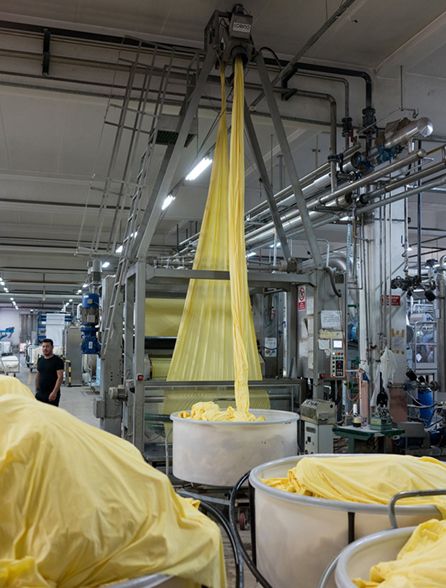
Azo dyes are among the most commonly used dyes in textile coloring — good color fastness, complete color range, reasonable cost. Nearly every colored fabric depends on them. But a particular category within azo dyes — prohibited aromatic amine azo dyes — can decompose under certain conditions to release aromatic amines, some of which are confirmed carcinogens. The European Union banned these dyes in textiles since the 1990s, and testing standards have tightened dramatically in recent years, with detection rates rising steadily. Any jacket exported to Europe failing the azo test faces complete batch rejection.
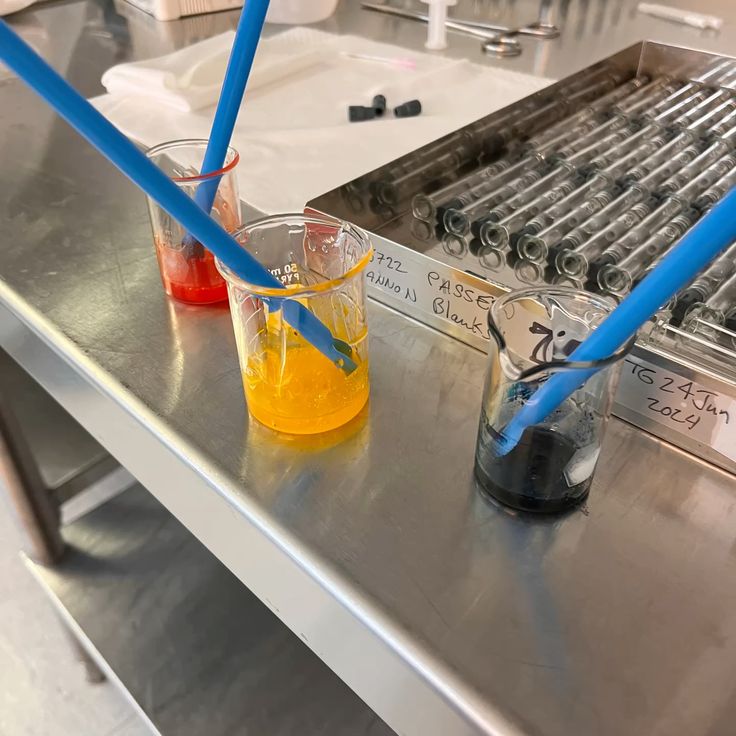
Why are azo dyes carcinogenic. The dyes themselves aren’t the problem — certain azo dyes decompose under reducing conditions to release aromatic amine compounds. These compounds can be absorbed through skin, increasing cancer risk with prolonged contact. EU EC directives explicitly list 22 prohibited aromatic amines; any textile testing above the limit for these compounds is prohibited from EU market sale. It’s not the dyes themselves that are banned — it’s what they break down into. This distinction eludes many buyers who assume dyes being usable means no problem.
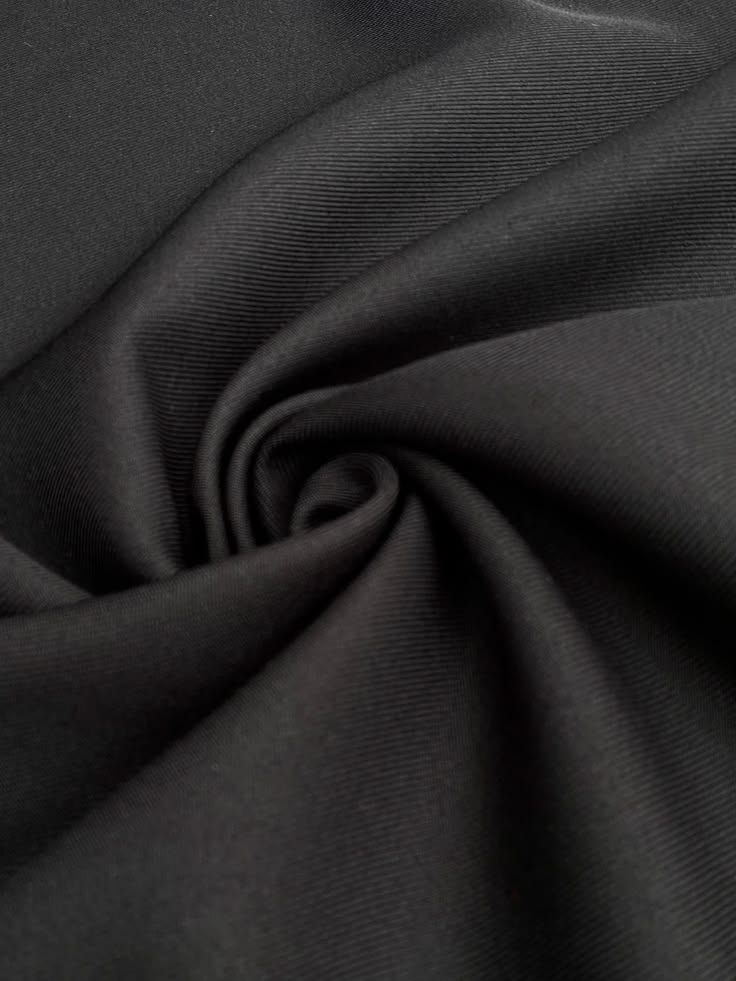
Which fabrics and accessories most frequently fail. Dark fabrics are the high-risk category — especially black, red, orange and yellow, where azo dye varieties are numerous and structures complex, raising the probability of releasing prohibited aromatic amines. Leather and faux leather are another high-risk category; leather dyes differ from textile dyes in variety, and many dyes perform well on leather yet fail on textiles. Accessories deserve attention too — zipper pulls, buttons, binding tapes and labels dyed with substandard dyes can equally drag the entire jacket’s azo test result above the limit.

How is azo testing performed. The method places samples in a specific buffer solution at 37 degrees Celsius, simulating human perspiration and skin contact conditions for six hours, then extracts and analyzes the solution for prohibited aromatic amines. Results are expressed in milligrams per kilogram; each prohibited aromatic amine cannot exceed 30 mg/kg, and total detection cannot exceed 70 mg/kg. This is the unified EU standard, but different customers may require stricter limits — some German buyers demand single aromatic amine detection below 10 mg/kg.
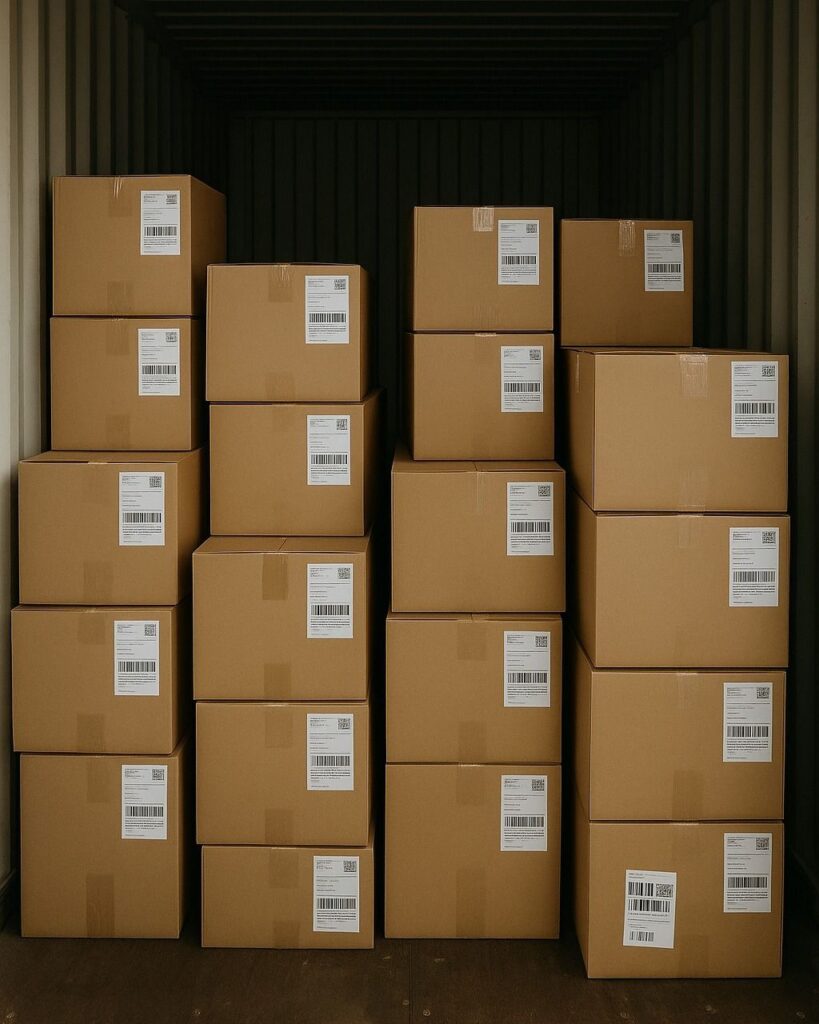
How severe are the consequences of azo exceedance. Once a test report confirms exceedance, the batch is essentially ruined. EU customs will detain, destroy or return the shipment, and importers face fines. Worse, if customers discover azo exceedance after selling the goods, subsequent recall costs and legal liability become incalculable. Many buyers assume azo exceedance is merely a “quality issue” — in reality it involves legal compliance and consumer safety, with consequences far more severe than ordinary quality problems.
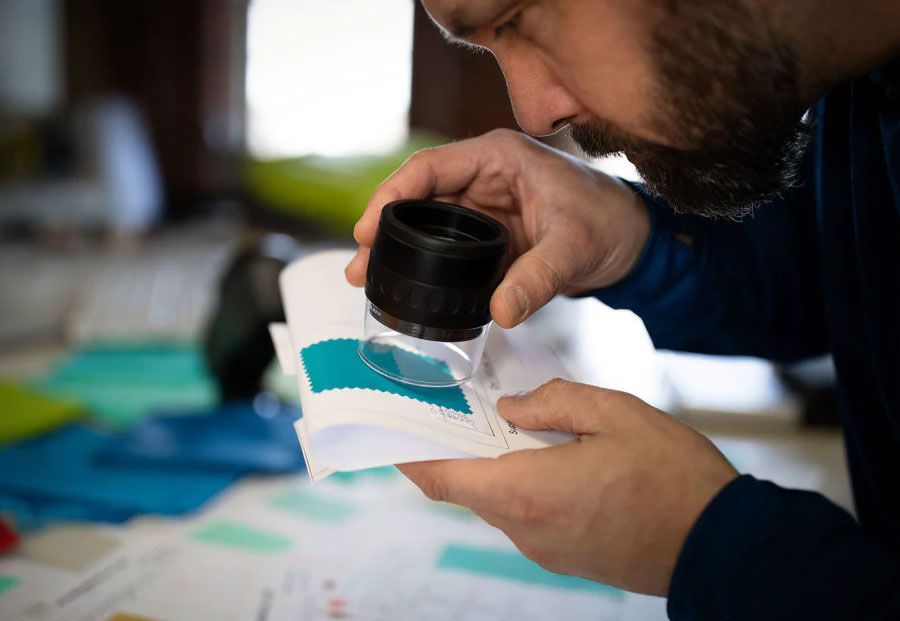
How to avoid azo exceedance. Controlling at the source is most effective — require fabric and accessory suppliers to provide azo test reports, verifying report validity and testing scope for each incoming batch. Reports must come from qualified third-party testing institutions; supplier-issued test reports are not accepted by EU customs. Dark fabrics and leather accessories require priority attention — their exceedance risk far exceeds light-colored fabrics. One more detail: the MSDS (Material Safety Data Sheet) from dye suppliers cannot serve as proof of azo compliance; actual sample testing is required to confirm.
Azo testing has become a basic threshold for textile exports to Europe — not optional but mandatory. Testing in advance costs far less than handling rejected shipments after port arrival.