



News
What is a Pre-Production Meeting (PPM)? The Critical Confirmation Before Production Starts
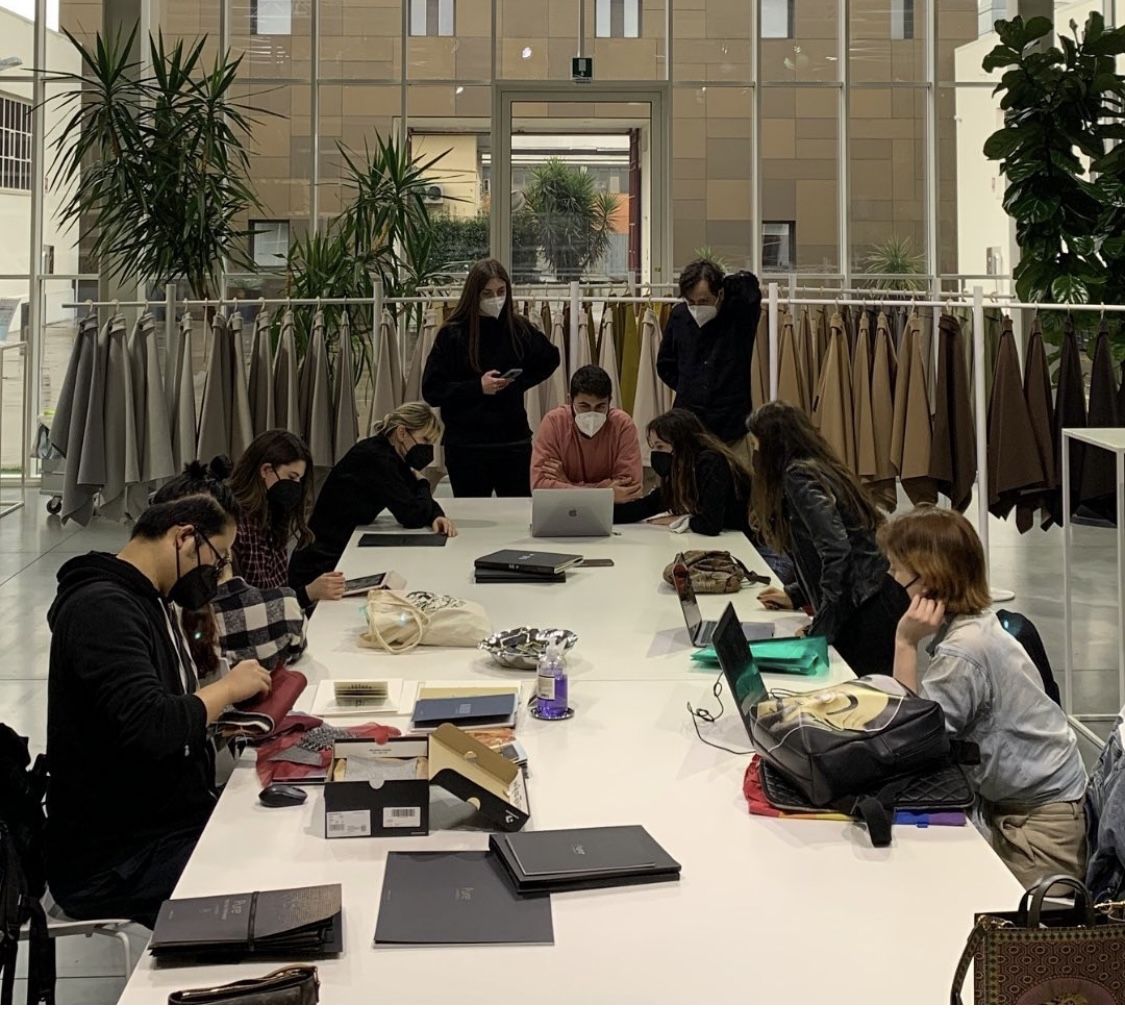
Many buyers hearing “pre-production meeting” for the first time assume it’s just a routine internal factory meeting with little relevance to them. In fact, the Pre-Production Meeting (PPM) is one of the most critical milestones in any order, directly determining whether bulk production can proceed smoothly and whether problems will arise. Understanding PPM helps buyers judge a factory’s professionalism and gain more control over order execution.
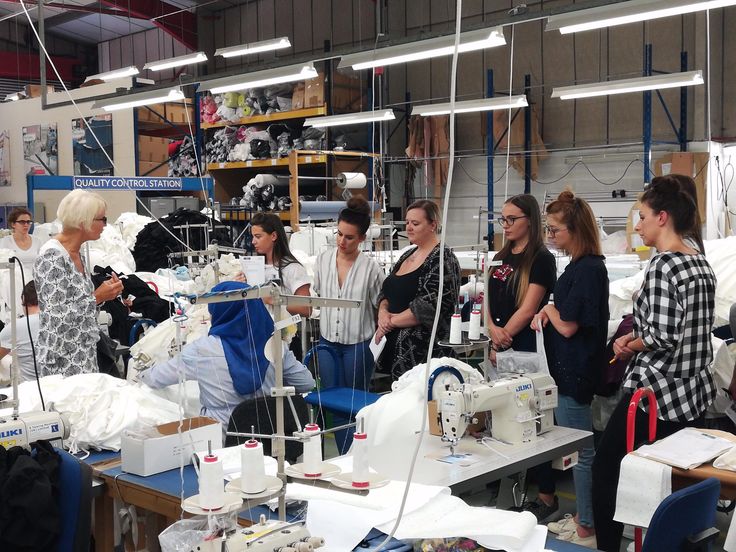
The timing of PPM is typically after the approval sample is passed, after bulk fabric and accessories are ready, and before cutting starts. This timing is deliberate — approval sample passing means style and process are locked, fabric and accessories ready means production conditions are met, and before cutting is the last opportunity to adjust and confirm. Once cutting begins, any modification means material waste and schedule delay.
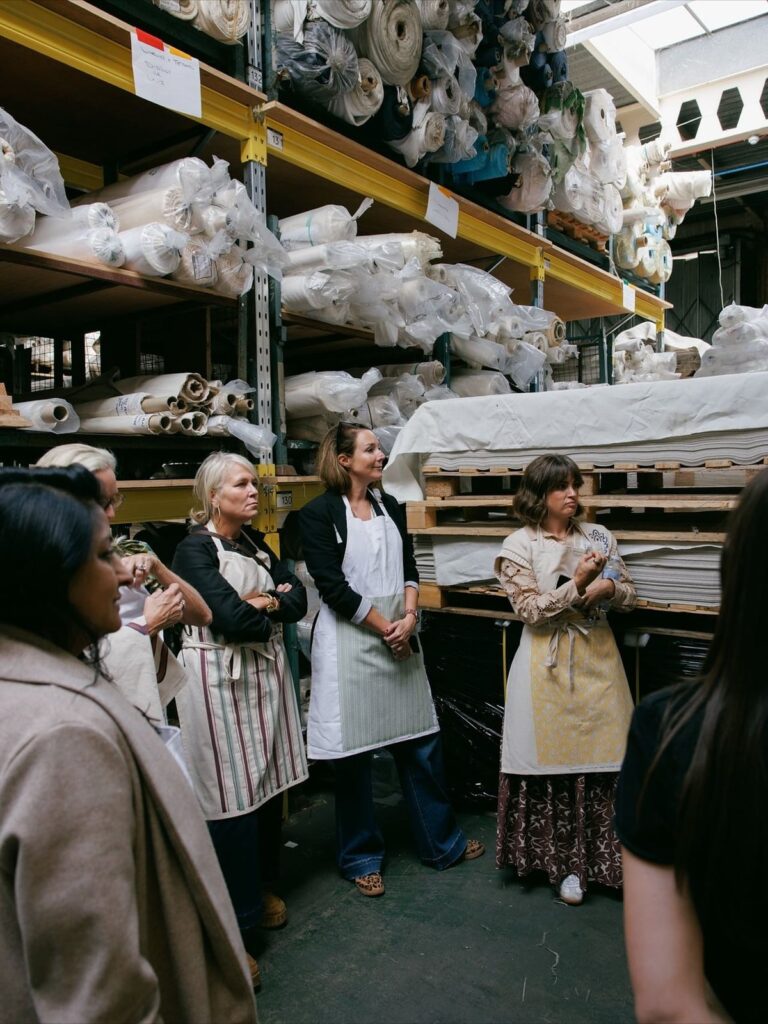
PPM attendees include merchandiser, production manager, quality manager, cutting supervisor, sewing supervisor, finishing supervisor, and sometimes technical department and pattern makers. This cross-departmental meeting aims to ensure all production participants share the same understanding of order requirements. If the buyer can attend or join remotely, even better — details can be confirmed on the spot and ambiguities eliminated.
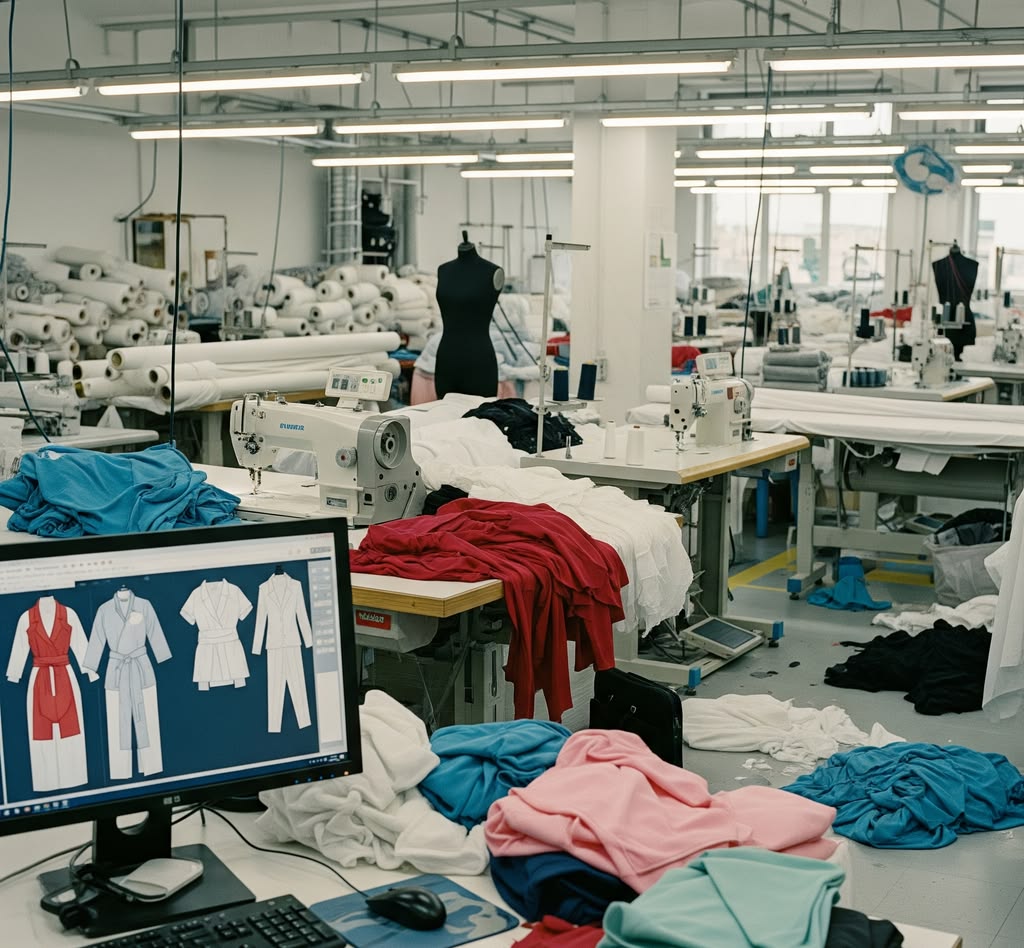
PPM content covers every key aspect of order execution. First is approval sample review — reviewing modification comments and confirming all changes are implemented in bulk production specs. Second is tech pack verification — confirming size chart, stitching requirements, accessory placement, packaging method item by item. Third is fabric and accessory status — confirming bulk fabric and accessory arrival, inspection results, any color difference or defect issues. Fourth is production schedule — confirming time milestones for each process, expected completion date, packing and shipping date. Finally, quality focus — clarifying quality control points for this order, problem-prone areas, and AQL inspection standard.
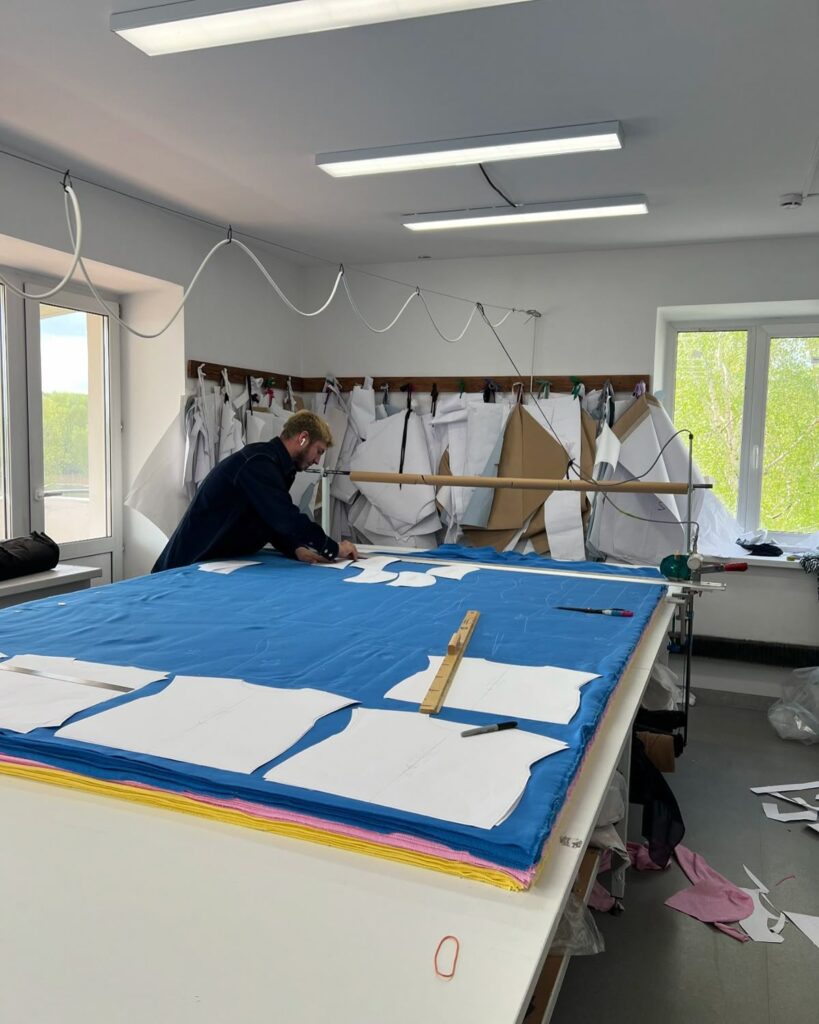
The most critical function of PPM is “aligning understanding.” In actual production, many problems stem from inconsistent understanding across departments — merchandiser thinks the client accepts a certain approach, but production executes to a different standard; pattern maker revised the pattern but sewing workshop didn’t receive the update; accessory spec changed but QC is still using old standards. PPM, through face-to-face communication and written records, gets everyone on the same page and eliminates understanding gaps before production starts.
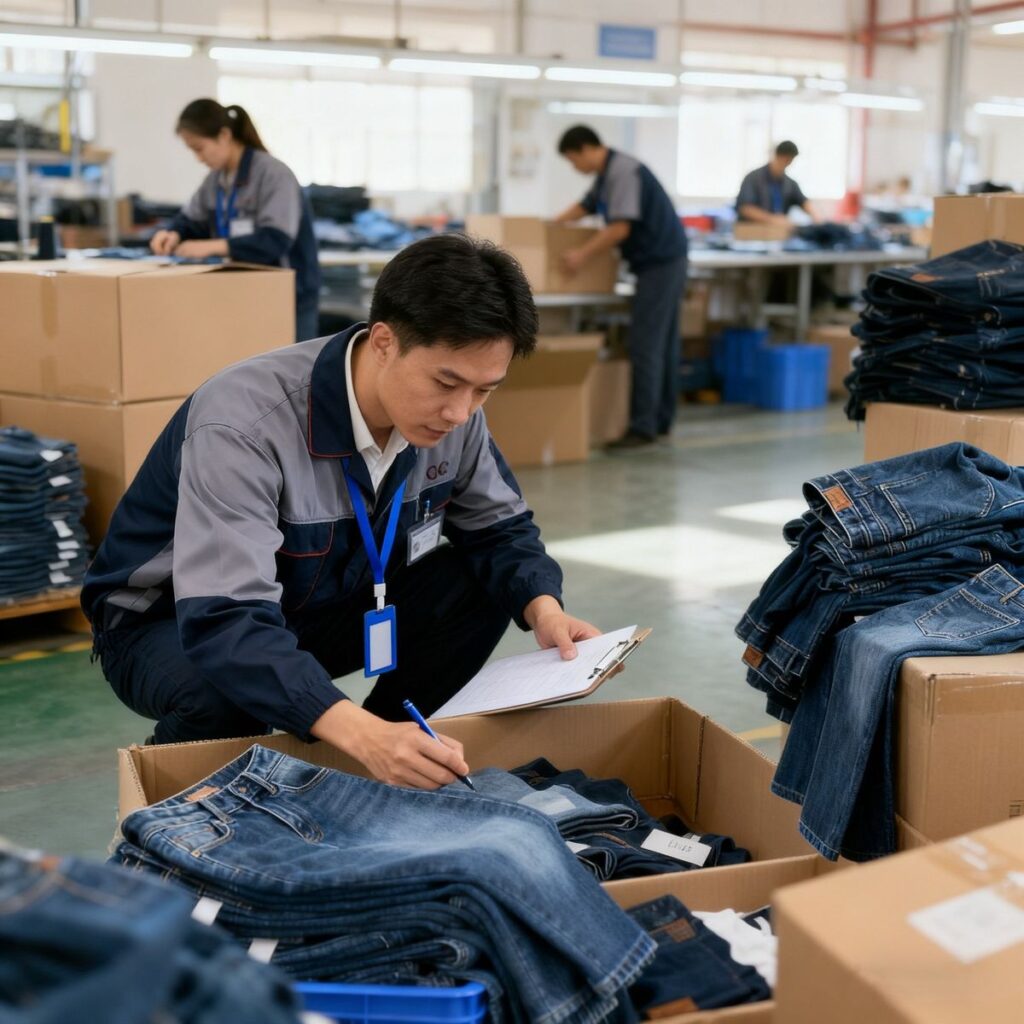
The risk of skipping PPM is hidden but fatal. Without PPM, departments work in silos, information relies on verbal or scattered emails, and omissions and misunderstandings are almost inevitable. Common consequences include: wrong sizes because pattern maker and sewing workshop interpreted ease differently; wrong accessories because purchasing and warehouse didn’t verify latest requirements; incorrect packaging because finishing workshop didn’t receive client packaging specs; delivery delays because a process bottleneck wasn’t identified in advance. When these problems surface during bulk production, costs of rework, remake, and air freight for replacement far exceed the time cost of holding one PPM.
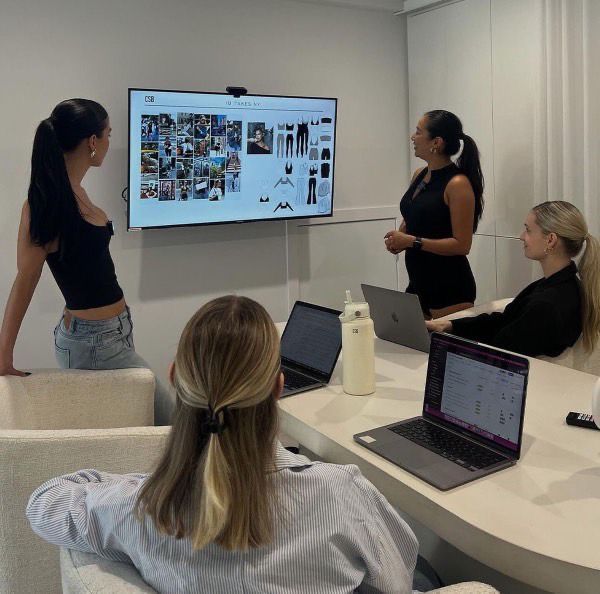
Cciola implements strict standards for PPM. Every order must hold a PPM before production starts. The meeting is chaired by the production manager, and all relevant department supervisors must attend and sign in. Meeting minutes form a written document recording each confirmed item, responsible person, and completion time. Minutes are copied to the merchandiser — if the client requests changes, feedback is given promptly and updates made. We believe the time spent on PPM is the most worthwhile investment for the entire order.

Next time you place an order, ask the factory: “When is the PPM? Can I attend?” A responsible factory will welcome your participation, as it shows your attention to quality and alignment on requirements. PPM isn’t a formality — it’s the last firewall before production starts.