




News
What Does BSCI Certification Actually Audit? What Does It Mean When a Factory Passes?

Many buyers hearing “BSCI certification” for the first time assume it’s just another paid certificate with little practical significance. But BSCI isn’t an ordinary certificate — it’s an audit standard that nearly all European buyers, especially large retailers and brands, require suppliers to pass. Factories without BSCI certification often don’t even get considered by European clients; they don’t even get a chance to quote.
What is BSCI. BSCI stands for Business Social Compliance Initiative, launched by the Foreign Trade Association (FTA) in Europe. Put simply, it audits factories on labor rights, working conditions, workplace safety and business ethics. Auditors visit factories on-site, review documentation, interview workers and management, then issue a rating and report. The audit covers 13 areas including freedom of association and collective bargaining, non-discrimination, fair remuneration, decent working hours, occupational health and safety, child labor, young workers, forced labor and protection measures, environmental protection, and unfair business practices.
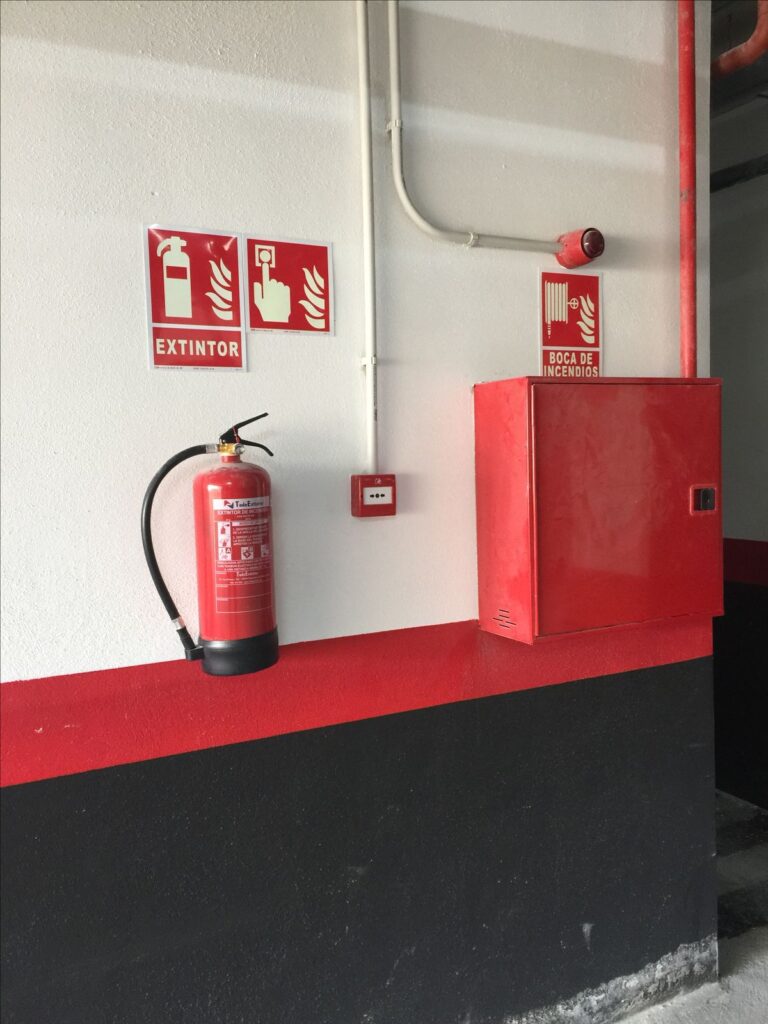
What exactly does BSCI audit. Upon arrival, auditors first examine documents — employment contracts, payroll records, attendance records, social insurance payment proofs, fire safety inspection certificates, special equipment inspection reports, environmental approval documents. These must be complete, authentic and traceable. Then auditors inspect workshops and dormitories — checking whether fire exits are unobstructed, fire extinguishers are valid, emergency lighting works, workshop ventilation and lighting meet standards, dormitory floor space per person is adequate, and canteen hygiene permits are current. Auditors also randomly select workers for confidential interviews, asking about wage payment, whether overtime is voluntary, whether employment contracts were signed, whether ID documents were confiscated, whether workers faced fines or physical punishment. Management cannot be present during interviews; auditors record exactly what workers say.
How BSCI ratings work. Results aren’t simple pass/fail but graded A through E. Grade A is best — factory fully complies, exempt from re-audit for two years. Grade B means mostly compliant, re-audit in two years. Grade C indicates basic compliance with room for improvement, re-audit within one year. Grade D signals serious issues requiring corrective action within a specified period followed by re-audit. Grade E means severe non-compliance — audit failed, factory must fully rectify before reapplying. Many European clients require at least Grade C; some demand Grade B or above. Grade A factories get priority consideration.

What does passing BSCI mean for buyers. It signals several things: First, the factory meets international standards on labor rights — no child labor, forced labor, or confiscated ID documents. Second, working conditions meet basic safety and health requirements — fire safety in place, ventilation and lighting adequate. Third, wage payment and attendance management are documented and systematic, not arbitrary. Fourth, the factory has basic awareness of social responsibility and compliance, not a “sweatshop” pursuing only cost savings. This information matters immensely to buyers — labor rights violations or workplace accidents damage buyer brand reputation and may trigger legal liability and supply chain disruption.

Why European buyers increasingly value BSCI. Over the past decade, European consumers have grown increasingly concerned about production conditions behind products. Headlines about “sweatshops” and “child labor” appear frequently, putting immense pressure on brands. Many European brands now make BSCI certification a basic entry requirement — factories without certification can’t even quote. Meanwhile, regulations are tightening: Germany’s Supply Chain Due Diligence Act requires companies to audit and disclose supply chain social responsibility. BSCI certification has become the most direct proof.
 In short: BSCI certification isn’t optional — it’s an entry ticket to the European market. Buyers choosing BSCI-certified factories aren’t just checking a compliance box; they’re reducing supply chain risk and protecting brand reputation.