
News
What Are Weft Skew and Weft Bow in Fabric?
When sourcing fabric, most buyers check color consistency, hand feel and gram weight. But few pay attention to a more hidden issue — weft skew and weft bow. These two indicators, when out of spec, show no problem at the time of purchase. But once marker making and cutting begin, problems emerge across the board.
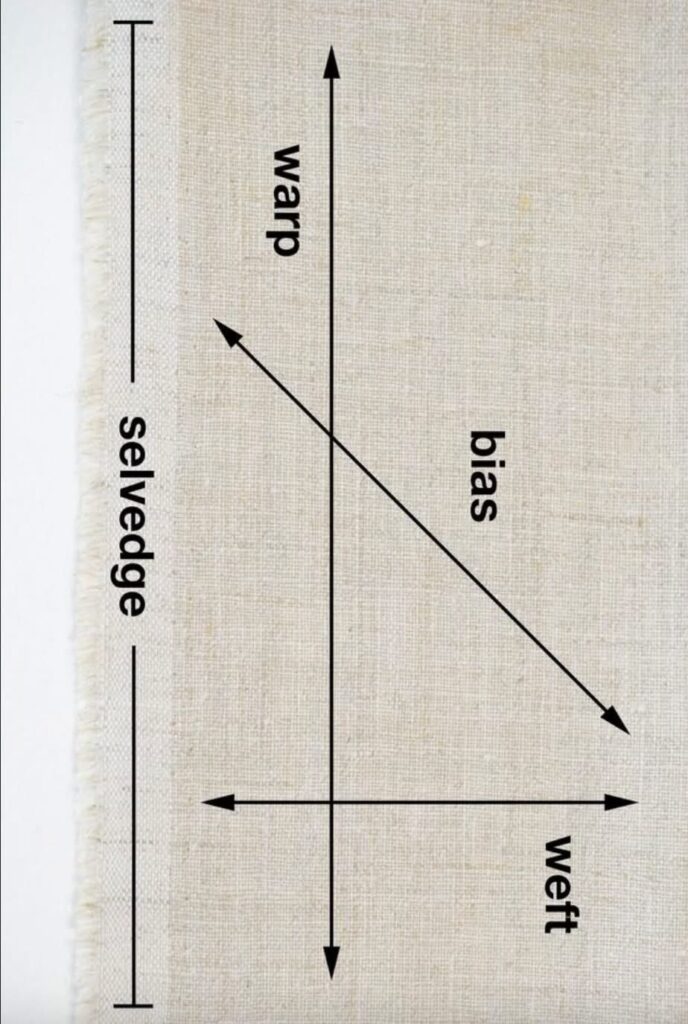
What is weft skew. Simply put, the weft yarns in the fabric are tilted, not perpendicular to the fabric selvedge. Ideally, warp yarns run vertically to the selvedge with weft yarns parallel to it. During production, asymmetric tension — uneven tension on both sides during padding, or uneven pressure during calendering — pulls the weft yarns askew. Weft skew is measured as a percentage; the larger the tilt angle, the higher the percentage. Fabric with weft skew exceeding 3% causes problems at cutting — panels end up with one side longer than the other, and finished garments show left-right asymmetry.
What is weft bow. Weft bow means the weft yarns curve across the fabric width instead of running straight. Normally weft threads should run straight from selvedge to selvedge, but if warp tension is uneven during weaving or if fabric setting during dyeing and finishing applies inconsistent pressure, the weft yarn bends into an arc. Weft bow is more insidious than skew — the fabric looks fine when purchased and laid on the cutting table, but once cutting starts according to the marker, the problem surfaces: some panel edges are long, others short, and assembled pieces fit together crookedly. For striped or checkered fabrics, the finished effect is especially poor.
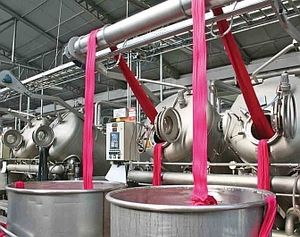
How do weft skew and bow develop. The root causes lie in weaving and dyeing-finishing. During weaving, uneven warp beam unwinding tension or incorrect shed timing distorts the weft, creating skew. During dyeing and finishing, parameters on stentering machines, padding mangles and jig dye machines all affect weft yarn shape. During stentering, if fabric selvedge and center travel at different speeds, weft bow develops. During calendering, uneven roller wear creates inconsistent pressure that bends the weft. These issues are common in dyehouses — especially during large-scale production when tension tolerances are relaxed for speed.
What impact do they have on finished garments. Markers appear correct on paper, but cutting reveals panels of inconsistent size. Skewed panels make sewing difficult — collars tilt, pockets shift, plackets misalign, sleeves become asymmetrical. Worse, if the fabric has already been cut when problems surface, an entire batch of garments has dimensional and appearance defects. Rework costs are high, and some problems cannot be salvaged at all — only price reductions or write-offs remain.
How to check fabric for skew and bow. A simple self-check exists: lay the fabric flat on a table, hold one corner and let the fabric hang naturally. Observe whether the opposite selvedge hangs vertically. A clearly tilted selvedge indicates weft skew. Then draw a straight line from selvedge to selvedge and check whether the weft yarns run parallel to it. Curved weft indicates bow. Professional methods use weft skew-bow testers for more accurate readings, but most factories rely on manual inspection at receiving.
What to do when skew and bow exceed standards. Mild weft skew can be corrected by re-setting — running the fabric through a stentering machine again, adjusting weft-wise tension to straighten tilted yarns. Re-setting adds cost and repeated processing reduces fabric hand feel and strength. If skew and bow are severe and cannot be corrected by re-setting, the fabric is essentially unusable — either returned or downgraded for small components where pattern matching doesn’t matter.
Weft skew and bow should be checked alongside color fastness and gram weight as standard inspection items during fabric sourcing. Catching the problem before cutting costs far less than correcting it after.