



News
How to Choose the Right Filling Material for Winter Jackets?
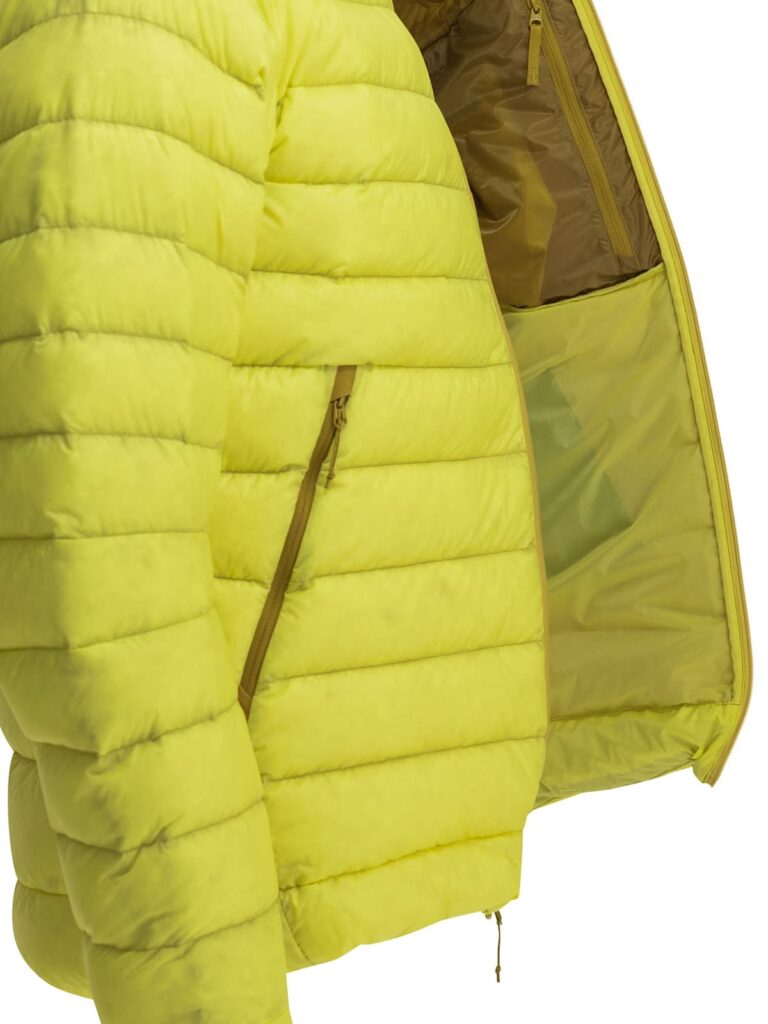
A winter jacket’s warmth is primarily determined by its filling material. Different fillings mean different warmth levels, weight, cost and care requirements. Three common filling materials dominate the market: down, polyester fiberfill and natural cotton. Each has advantages and disadvantages; choosing depends on target market needs, product positioning, budget and usage.\
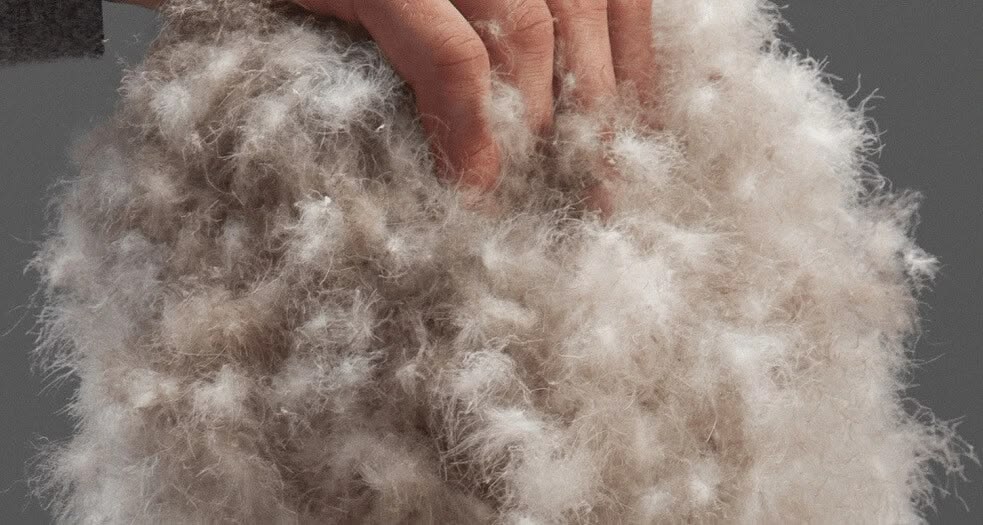
Down is the warmest filling material. Down consists of duck or goose plumage, trapping still air between clusters to prevent heat loss. Warmth performance is measured by fill power — higher fill power means better insulation. Common fill powers range from 550 to 800: 600 suits daily wear, 700 suits cold regions, 800 suits extreme cold. Down advantages: superior warmth, lightweight, excellent compressibility — for equal warmth, down is lighter and thinner than other fills. Disadvantages: high cost, warmth drops when wet, demanding care requirements, some people are allergic. Additionally, down sourcing involves animal welfare concerns — some European buyers require RDS certification proving down comes from responsible sources.
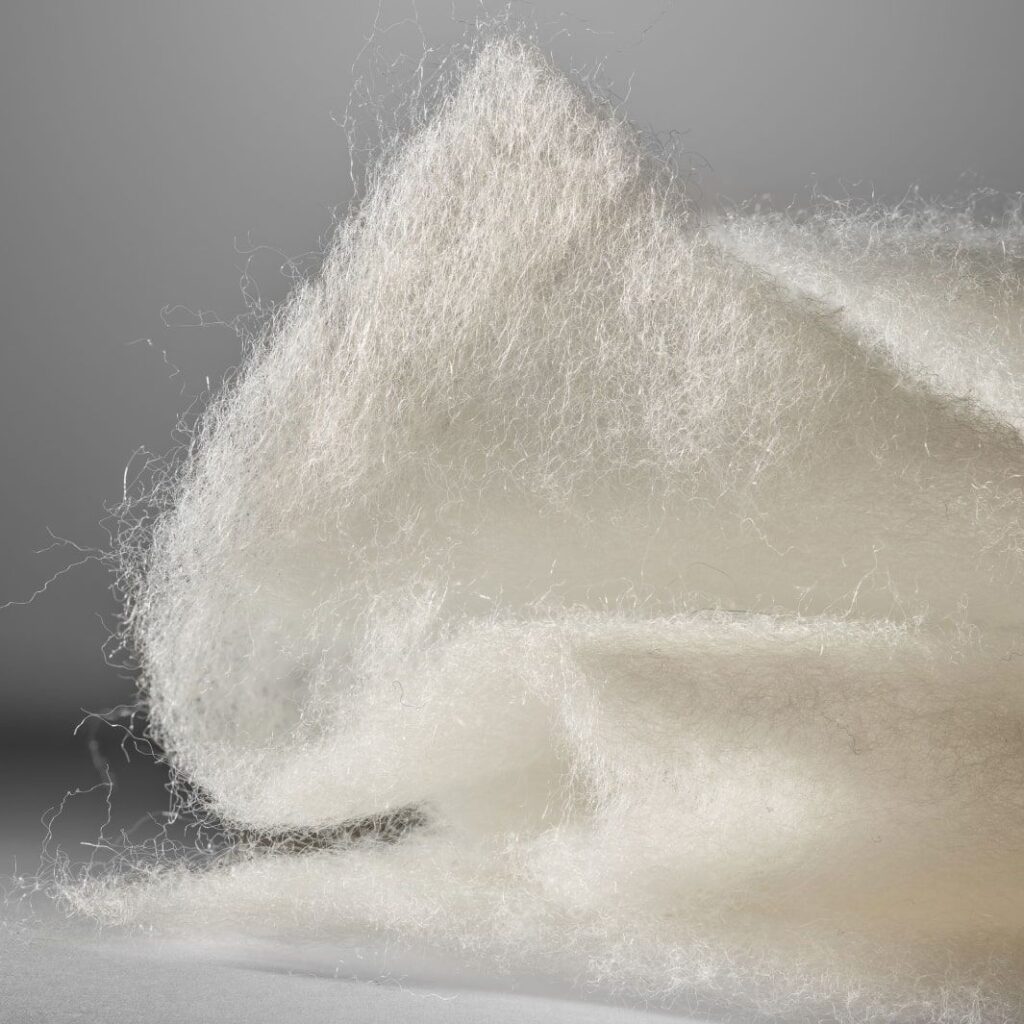
Polyester fiberfill is the most commonly used filling for winter jackets. This synthetic material creates warmth through hollow fiber structures. Advantages: affordable, water-resistant, retains warmth when damp, machine washable, hypoallergenic. Disadvantages: less warm than down, heavier, may clump over time, less compressible. Warmth is measured by gram weight — higher grams mean more warmth but more weight. Common fills range from 100g to 300g: 150g for spring and autumn, 200g for winter, 250g+ for cold regions. Polyester fiberfill suits budget-conscious consumers, those needing frequent washing, or those with down allergies.
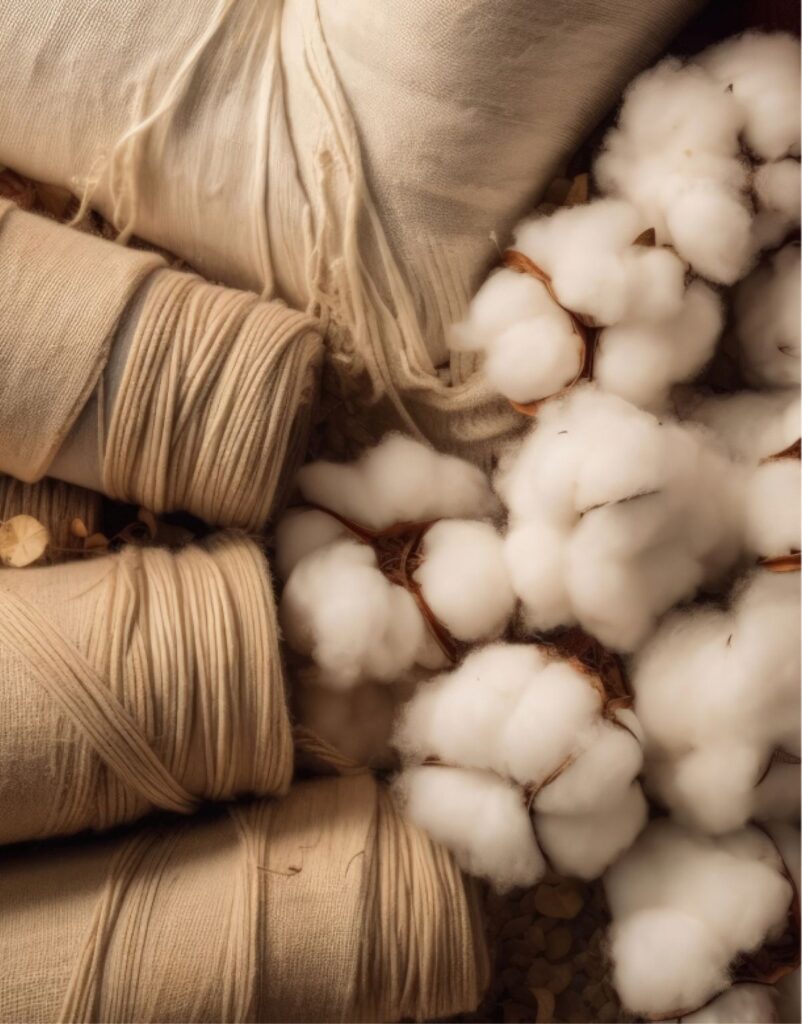
Natural cotton is the traditional filling material. Cotton is a plant fiber with advantages: breathable, comfortable, no static, eco-friendly and biodegradable. Disadvantages: less warm than down or polyester, slow to dry when wet, clumps over time, heavier. Natural cotton is less common in lower-end markets but has demand in Europe where consumers seek natural and eco-friendly materials. Warmth is also measured by gram weight, but equal weight provides less insulation than polyester fiberfill. Natural cotton suits consumers prioritizing natural materials or sensitive to synthetics.
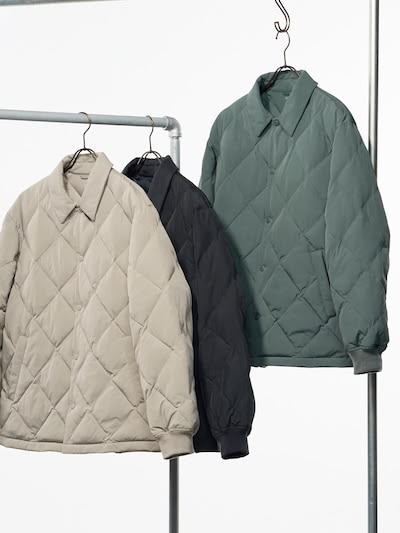
Choose filling based on target market. Northern European countries like Germany, UK and Scandinavia have cold winters — consumers prioritize warmth, making down or high-weight polyester fiberfill appropriate. Southern European countries like Italy and Spain have milder winters — medium to low-weight polyester fiberfill meets needs. European consumers increasingly value sustainability and eco-friendliness, creating growth potential for natural cotton or recycled polyester fiberfill. Recycled polyester fiberfill is made from recycled plastic bottles with similar warmth to regular polyester but stronger environmental credentials — suitable for sustainable fashion brands.

Consider usage scenarios when choosing filling. For outdoor sports, down is lighter and warmer, suitable for hiking and skiing requiring minimal weight. For daily commuting, polyester fiberfill is practical, washable with low maintenance cost. For workwear, polyester fiberfill is durable, resisting frequent washing and wear. For fashion jackets, lower-weight filling prioritizes silhouette over warmth.
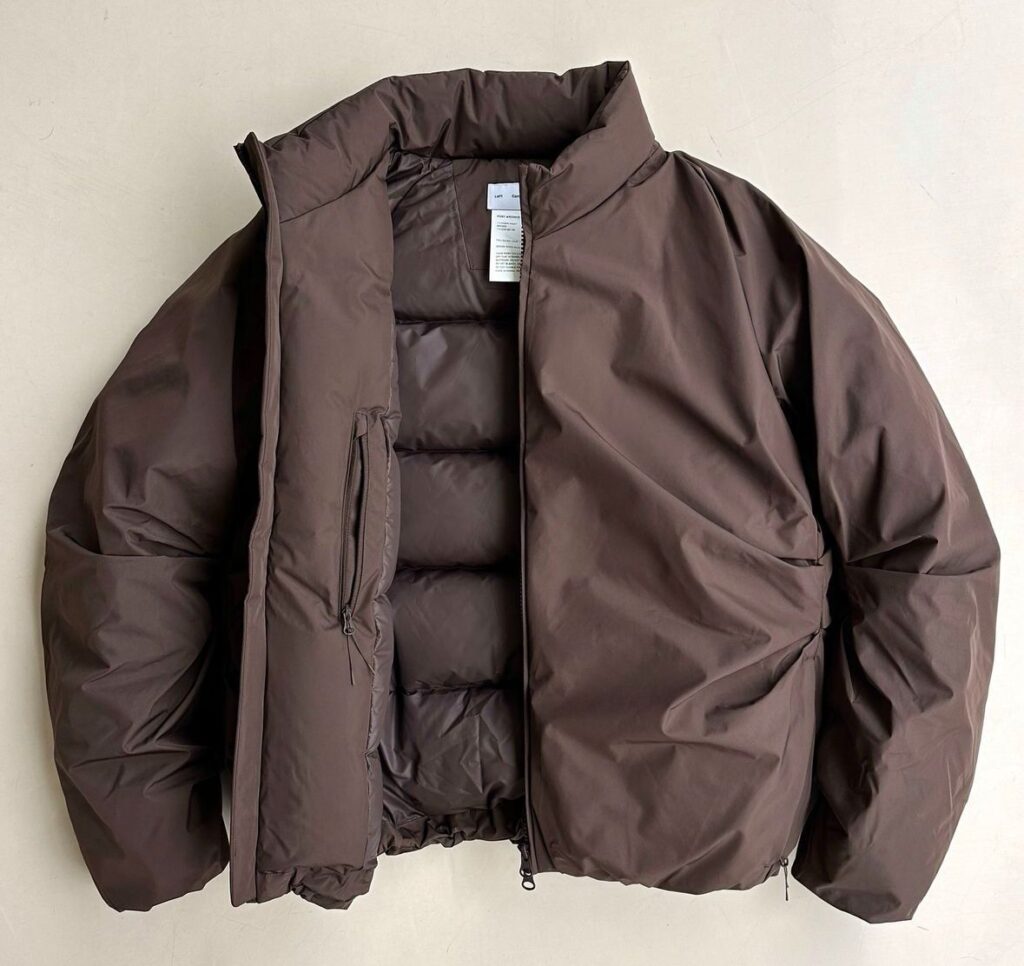
Cost and budget are the final deciding factors. Down is most expensive — premium down costs three to five times polyester fiberfill. Natural cotton falls between down and polyester, though cotton prices fluctuate. Polyester fiberfill is most economical with stable pricing and abundant supply. For mid-to-high-end products, down elevates quality and price; for mass market, polyester fiberfill offers best value. For limited budgets wanting better warmth, hybrid filling works — down in the torso area, polyester in sleeves and collar controls cost while insulating the core.