



News
How Do We Guarantee Bulk Quality? Chilan Apparel QC Process Introduction
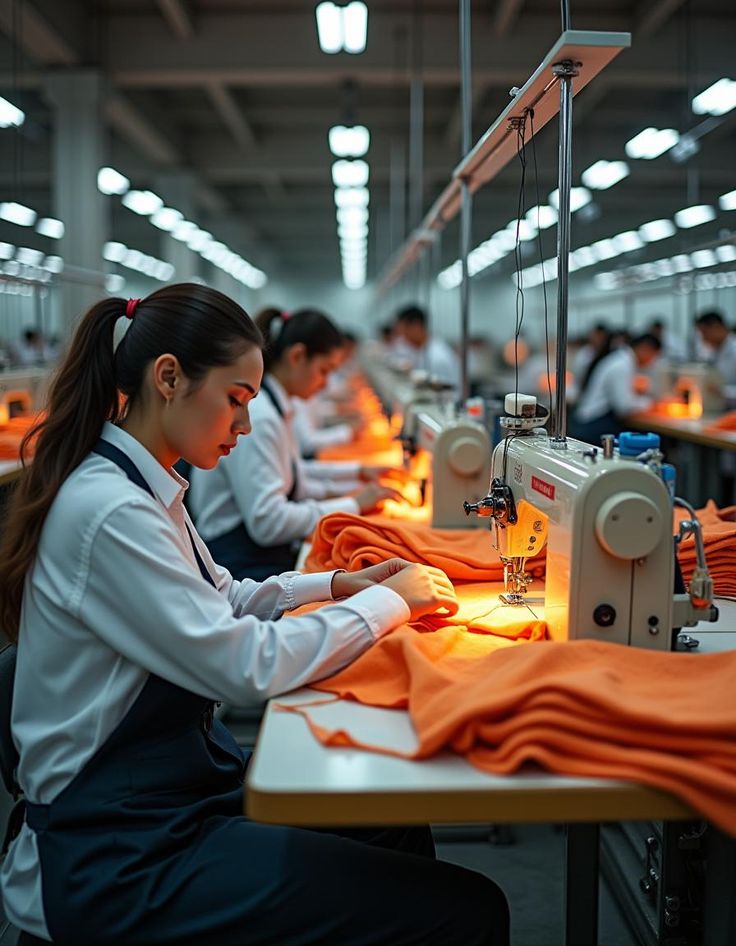
CCIOLA, supported by our own factory Xuchang Weilan Garment, has established a closed-loop garment quality inspection system running through the whole order cycle. From fabric incoming inspection, pattern cutting and sewing to finishing, packing and container loading, we set quality checkpoints at every critical stage to predict and avoid various quality risks from the source. We steadily deliver knitwear, padded coats and workwear that meet standards of global buyers. All inspections are strictly benchmarked against buyer-approved PP samples, tech packs and color cards. We will not loosen inspection standards arbitrarily, and rely on systematic multi-stage quality control to safeguard garment quality.
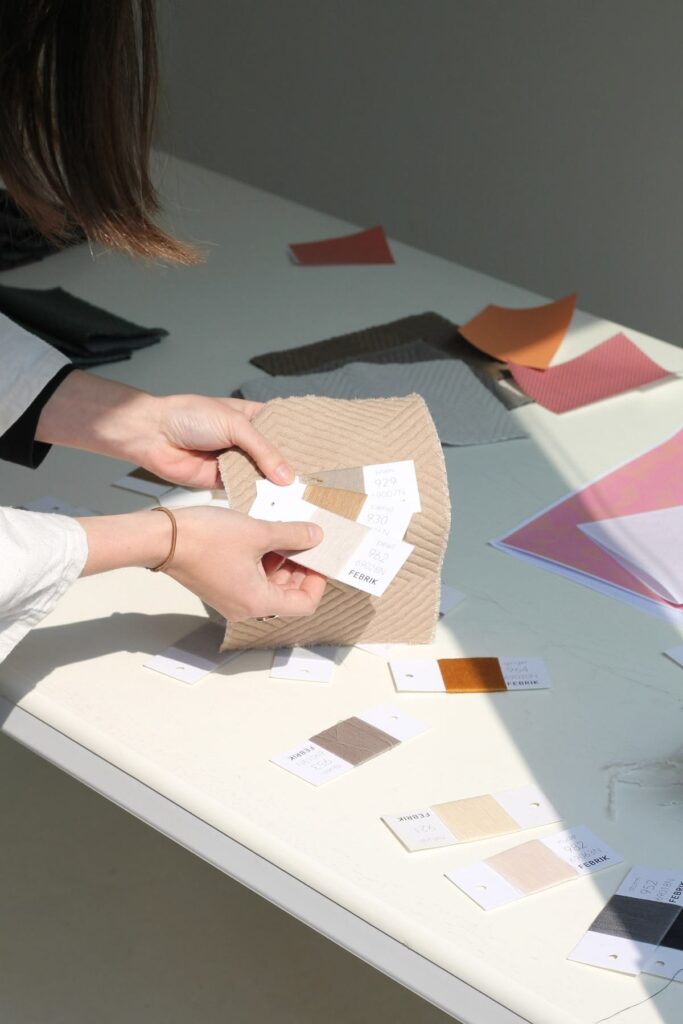
Fabrics and accessories lay the foundation of garment quality. Once raw materials arrive at our factory, incoming material inspection will be launched immediately. QC staff verify fabric composition, GSM and width, compare fabric shades under standard light box, and test key indicators including color difference, color fastness and washing shrinkage rate. Meanwhile, we inspect fabric rolls for defects such as holes, snags, stains, skewing and bar marks under the 4-point fabric grading system. Trims including buttons, zippers, woven labels, hang tags and elastic bands are checked one by one for style, color, specification and hand feel. Raw materials failing any index will be rejected directly and will never be delivered to cutting workshop to eliminate hidden quality risks at the source.
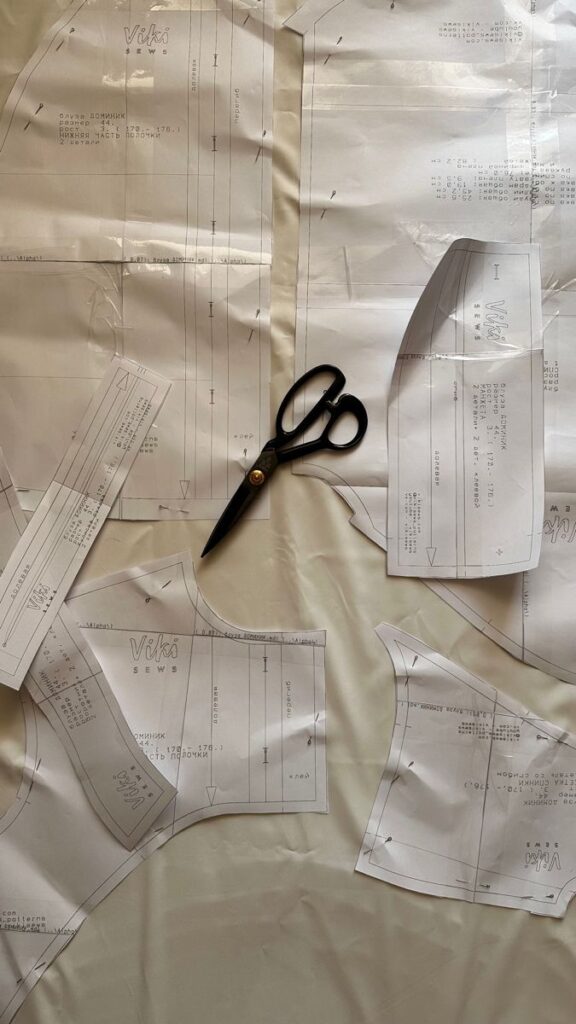
After fabric spreading and cutting, cut panel inspection starts. QC staff recheck panel dimensions against original patterns and examine the smoothness of cutting edges, carefully checking shade variation between stacked fabric layers. Defective cut pieces will be marked quickly and separated from qualified ones and will not flow into sewing procedures. All qualified cut panels are labeled by style, color and size and stored separately, effectively preventing mixed sizes or mixed colors. This step greatly reduces pattern deviation and wrong size/color problems in the cutting phase.
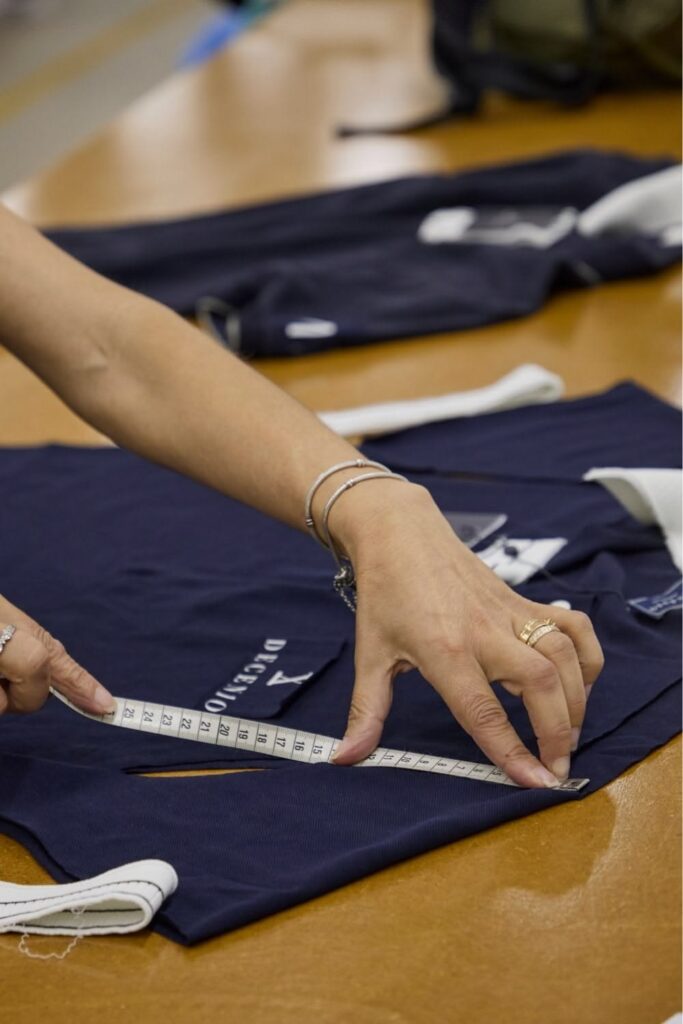
After bulk sewing starts, full-time QC inspectors carry out inline production inspection. The inspection is mainly implemented when 15% to 50% of bulk goods are finished. QC officers patrol all sewing stations to check stitching workmanship, stitch density, seam allowance and seam flatness, as well as the position, size and visual effect of printing and embroidery. Once workmanship defects are spotted, feedback will be sent to workshop for immediate correction to stop mass defective production. Our workshop strictly follows first article approval rules. The first garment of each colorway must go through full measurement and comprehensive workmanship check. Mass production can only start after the first article is confirmed qualified.
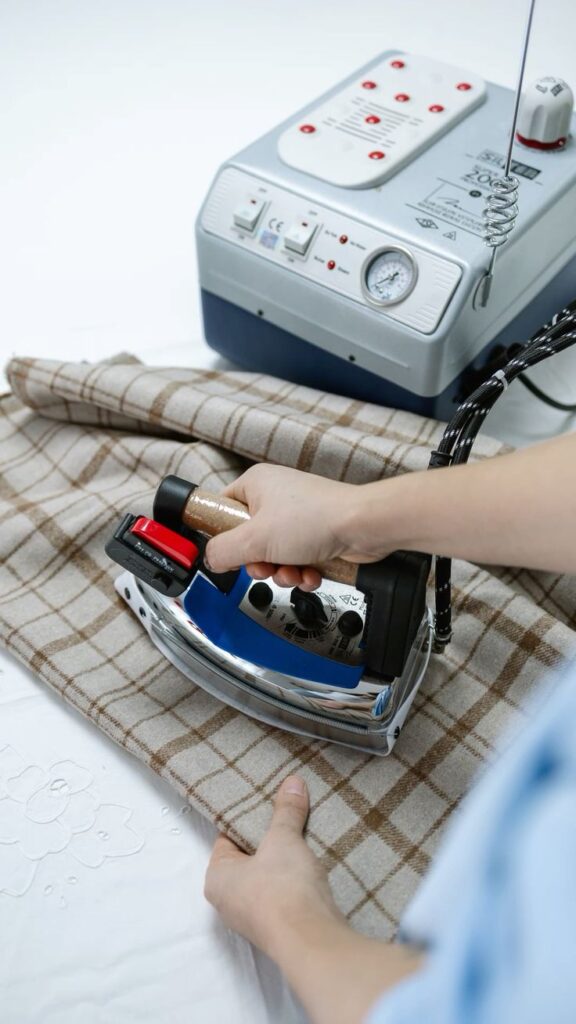
When sewing work is finished, garments go to finishing procedures including locking, thread trimming and pressing. Workers trim loose threads piece by piece. QC inspect garments for sewing defects such as holes, oil stains, skipped stitches and missing seams. After pressing and shaping, garment measurements are rechecked to ensure all size errors stay within the tolerance required by tech packs. For orders with metal zippers or metal buttons, all garments must pass needle detection to find broken needles and metal fragments, complying with mandatory safety requirements of European, North American and other overseas markets.
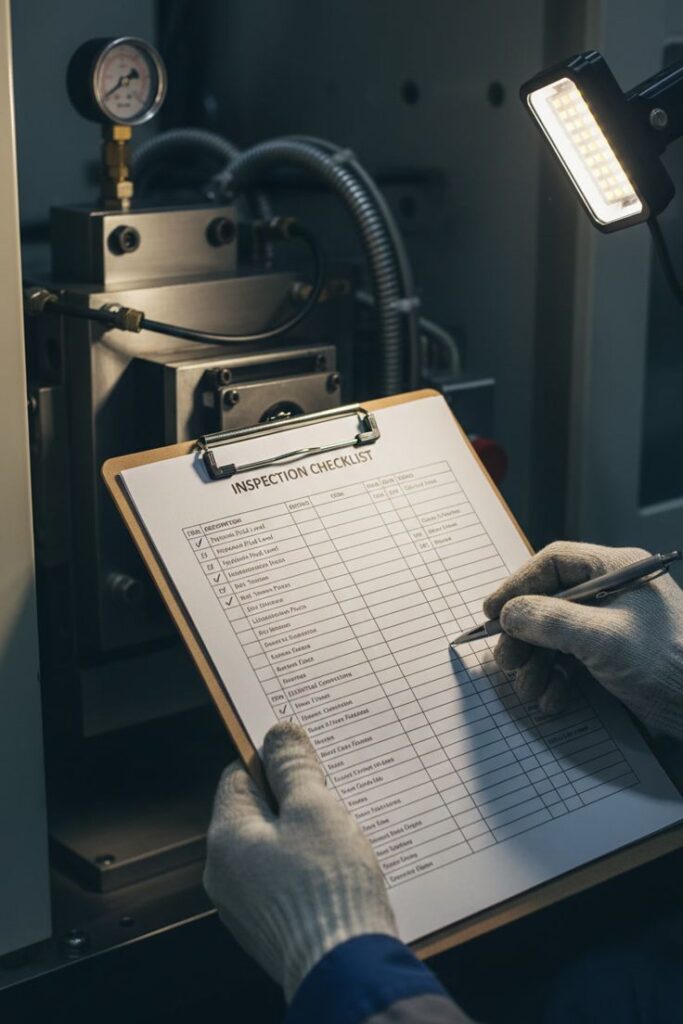
When the whole order is finished and over 80% packed, final random inspection before shipment will be performed following the widely accepted AQL 2.5 sampling standard. After sampling, inspectors comprehensively check garment appearance, overall shade consistency and workmanship, and verify the text content, material and installation position of care labels, main labels and hang tags. Packing lists, packing methods and carton marks are double-checked. We adopt zero tolerance for critical defects. If a batch fails inspection, all goods need rework and re-inspection until fully qualified. We respect buyers’ inspection requirements and fully support on-site inspection by third-party organizations such as SGS.
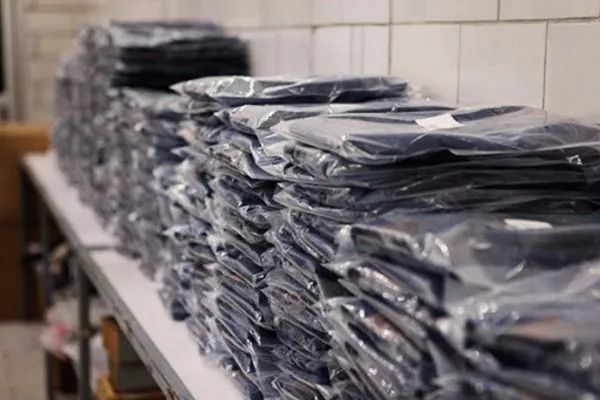
Only garments passing re-inspection can be packed and sealed. Before container loading, the QC team recount total quantity, verify carton numbers, style codes and size ratios, and confirm hang tags, polybags, outer cartons and other packing materials fully meet client requirements. All QC records of each order are archived for full traceability of production and quality records for clients to review anytime.
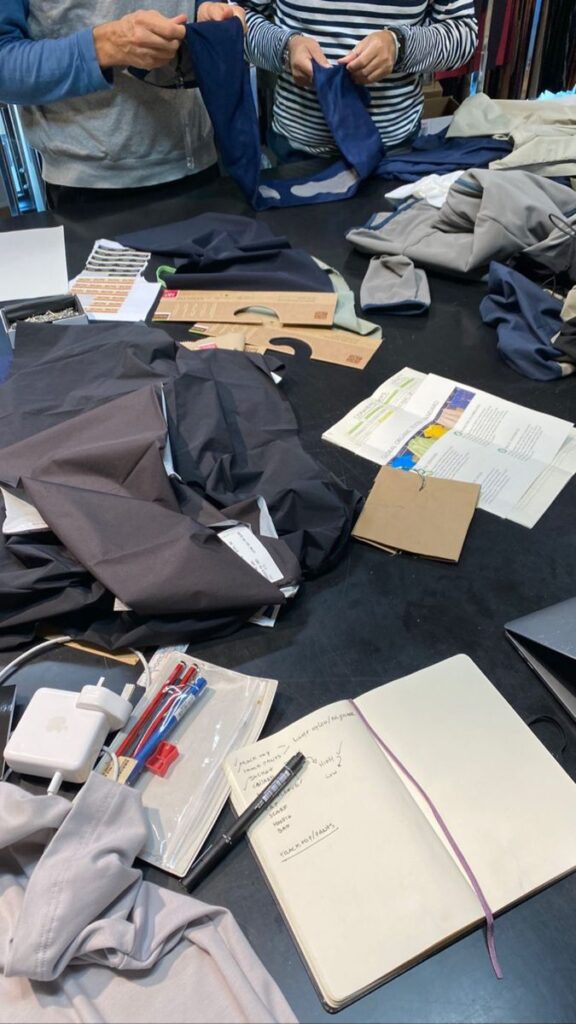
CCIOLA always puts quality control at the front of production. We try our best to discover and solve quality issues in early production stages to reduce bulk rework and keep stable delivery schedules. This standardized QC system applies to our three self-owned brands CCIOLA, Newstar and Woodsultra, as well as OEM and ODM custom orders from domestic and overseas customers. We continuously polish our quality control system and carefully check every garment to provide consistent and reliable apparel products for global clothing buyers.