


News
EU Environmental Regulations Upgrade: What Textile Exporters Need to Know in 2026
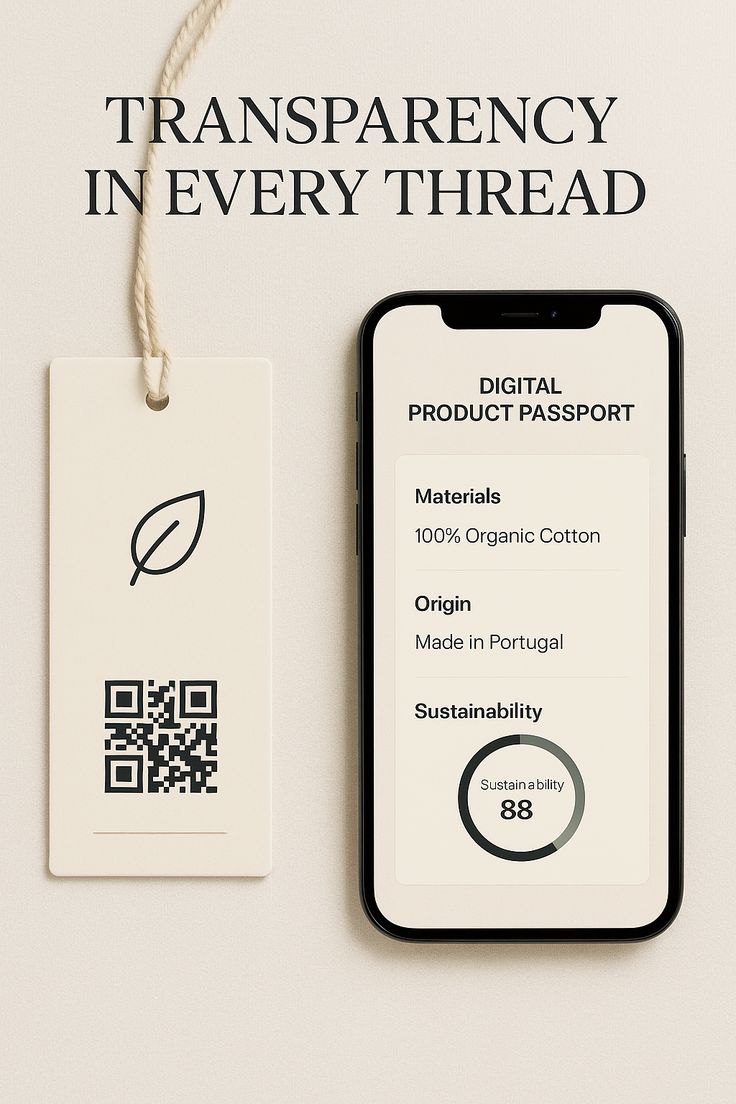
The EU is accelerating environmental compliance requirements in the textile sector. Between 2025 and 2027, multiple new regulations will take effect, directly affecting textile and apparel exporters globally, including Chinese suppliers. For exporters aiming to maintained deep presence in the European market, understanding these changes and preparing ahead is not just an access threshold — it’s an opportunity to build competitive advantage.
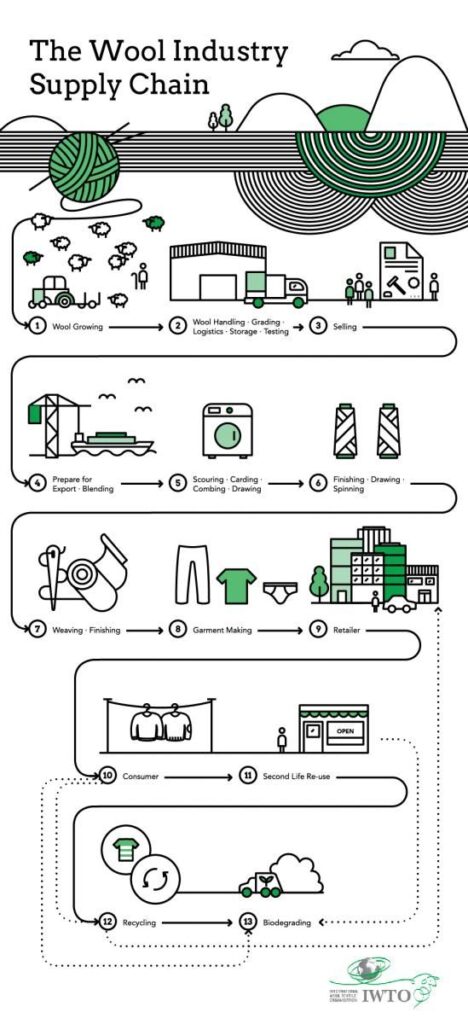
The most significant change is the EU Digital Product Passport (DPP), which will be fully implemented in the apparel industry starting in 2027. This regulation requires every product to have a scannable digital ID, allowing buyers to access complete supply chain data including raw material sources, manufacturing location, carbon footprint, and recycling information via smartphone. This means every step from fabric to finished garment must be traceable — suppliers unable to provide complete supply chain records will lose eligibility to compete in the European market. Cciola began building its digital traceability system in 2024 and has now completed data integration with major fabric suppliers and our own production facilities.
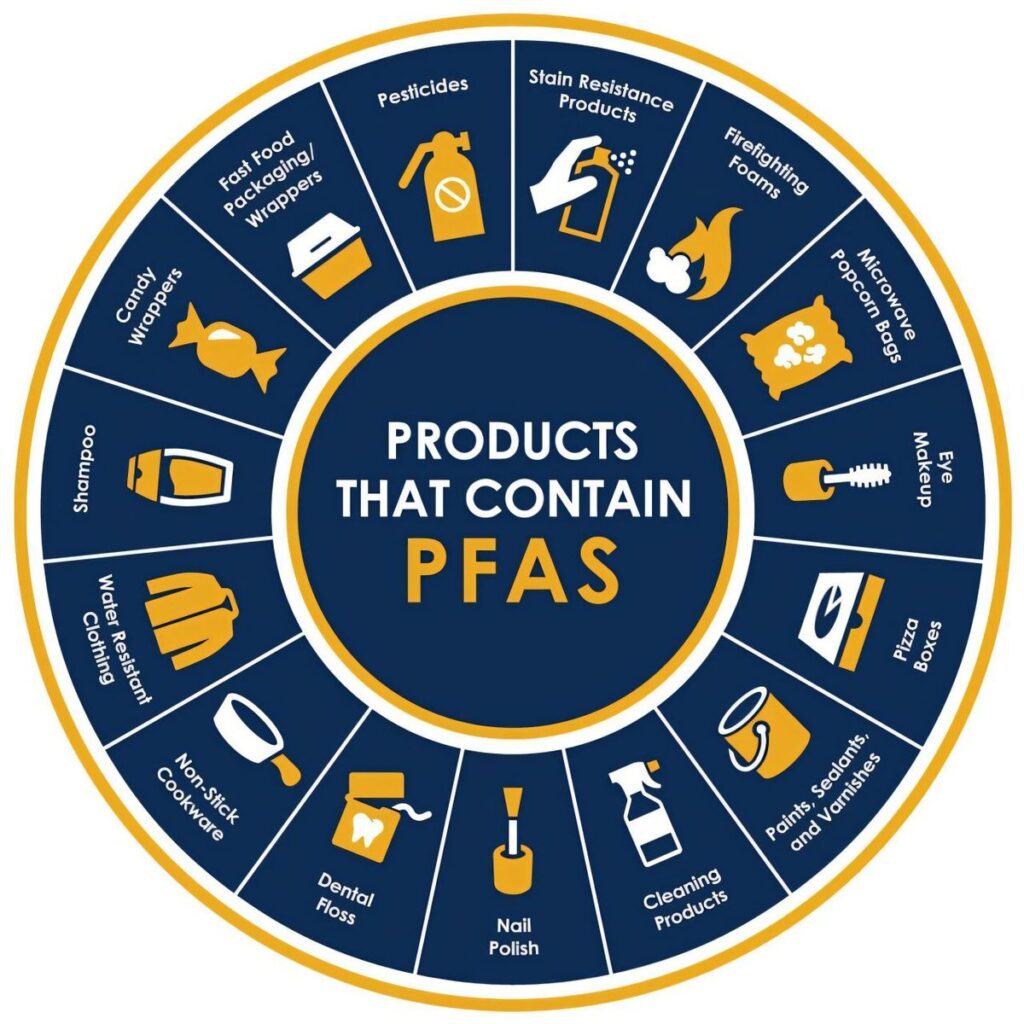
Regarding chemical restrictions, the EU’s ban on per- and polyfluoroalkyl substances (PFAS, known as “forever chemicals”) is tightening. Due to their non-degradable nature, these water-resistant and stain-resistant chemicals have been clearly identified for gradual phase-out. Current PFAS residue limits allowed by the EU are being lowered annually, with stricter testing standards taking effect in 2026. For suppliers using PFAS-treated fabrics, switching to environmentally friendly alternatives ahead of schedule is necessary — otherwise products may be held at customs. Cciola completed replacement of all water-resistant fabric treatments with eco-friendly alternatives in 2023, making us one of the early adopters in the industry.
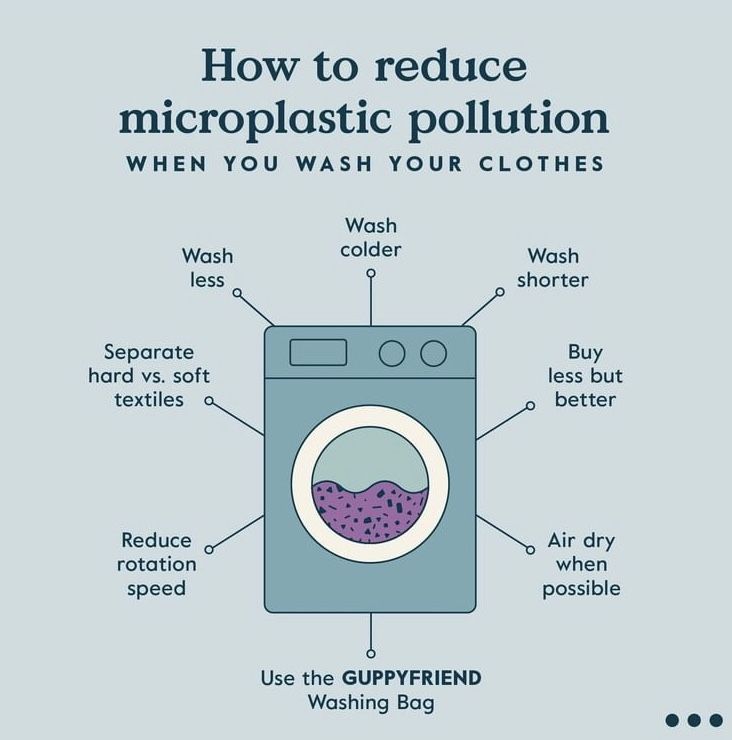
Microplastic shedding is also receiving significant attention. The EU is developing technical standards for textile microplastic release, requiring that microplastic shed per wash be controlled below specific thresholds. This requirement will force factories to optimize fabric construction and finishing processes to reduce loose fibers and easily-shedding textures. Although official regulations are still being developed, several European brands have already begun pre-screening suppliers on related requirements — suppliers who prepare ahead are more likely to secure quality orders.
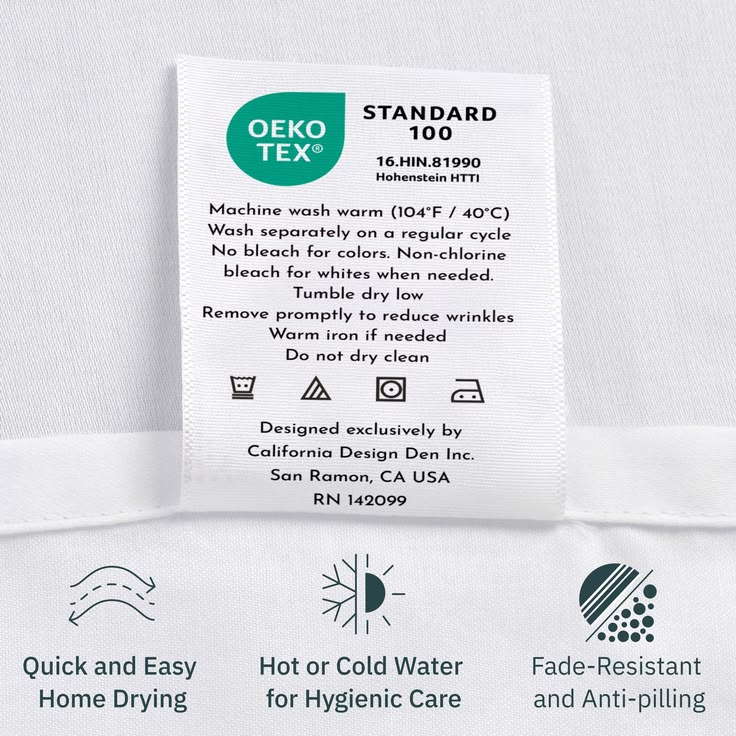
For Chinese suppliers, compliance costs will indeed increase, but this is the necessary path to entering Europe’s high-end market. Investing early in environmental upgrades, obtaining international certifications like OEKO-TEX, and building supply chain traceability systems are not just about meeting current regulations — they’re about preparing for the competitive landscape of the next three to five years. Factories that lead in environmental compliance will gain significant advantages in order acquisition and pricing power.
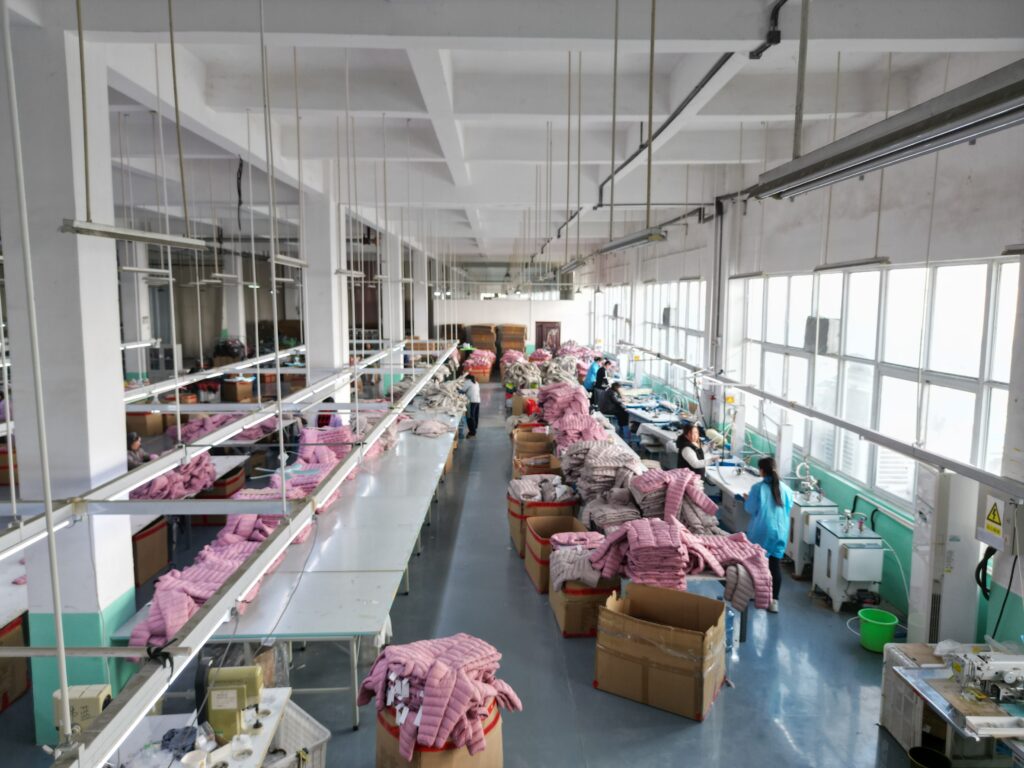
Cciola has completed DPP system integration, PFAS replacement, and OEKO-TEX certification upgrades. We can provide European buyers with products and services that meet current and future regulatory requirements. If you are looking for a partner with strong compliance awareness and willingness to invest early in environmental upgrades, welcome to contact the Cciola team.