




News
Why Cciola’s Inland Location Keeps Your Price Stable?

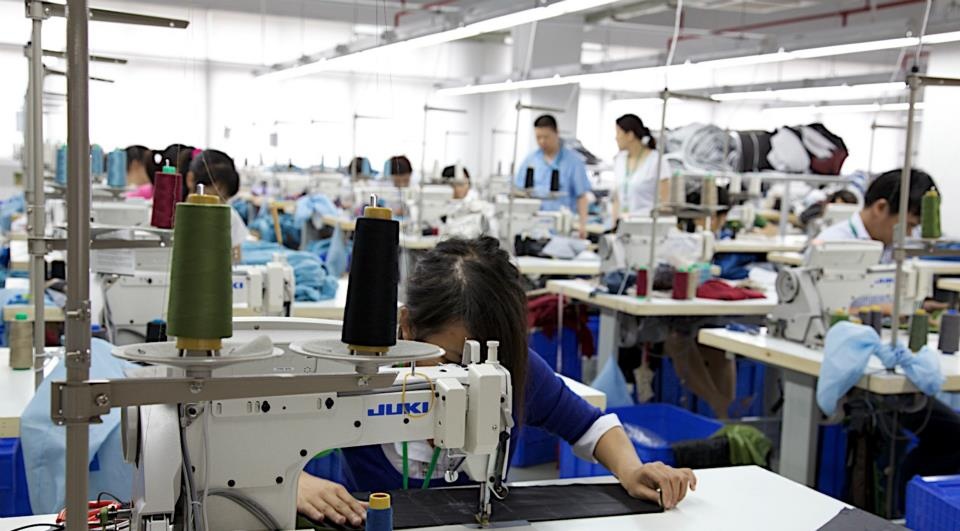
European buyers choosing a factory usually look at fabric, workmanship, lead time and price. But there is one factor rarely mentioned that quietly affects your cost: where the factory is. Cciola is in Xuchang, Henan, a typical inland factory in China, not part of the coastal clusters in the Pearl River Delta or the Yangtze River Delta. This location is not “remote” for you. It is an advantage that keeps your price steadier.
Coastal garment regions started early and are dense, but they also carry a heavier cost burden. Factory rent, worker wages and daily overhead are generally far higher in coastal cities. Worse, coastal factories face fast worker turnover, making hiring hard and retention expensive, so wages jump almost every yar. These swings eventually land in your quotation. Inland, the opposite holds: operating costs are lower, and they rise slowly and steadily.
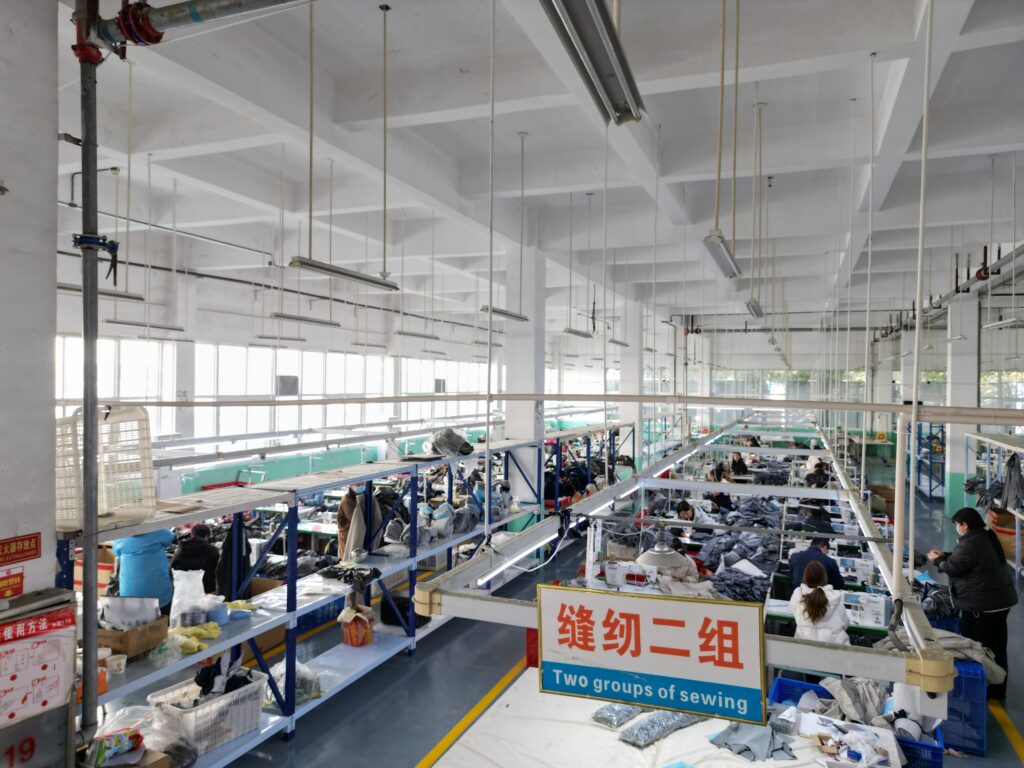
Whether price is stable starts with whether labor cost is stable. Inland cities like Xuchang have a stable local labor pool. Many workers take jobs nearby instead of relying heavily on migrant labor like coastal areas do. A stable workforce means wages do not spike often. When wages do not spike, the factory can keep its quote to long-term buyers continuous and predictable. For a factory like Cciola, a stable workforce is a quiet line of cost control.
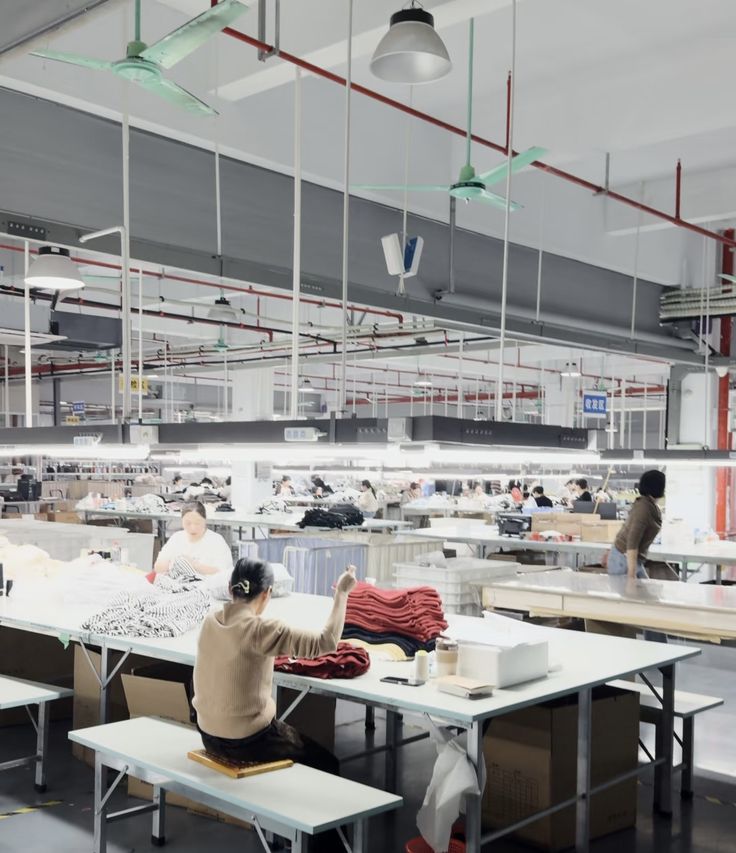
Beyond labor, daily overhead such as premises, utilities and management is also much lighter inland. These costs seem unrelated to a single jacket, but they sit inside the quotation. Lower inland overhead lets Cciola, at the same practice level, keep its quote in a more honest range and makes it harder for external cost spikes to force a price change.

The more important point is that Cciola is the actual maker, not a trading company. Its physical factory is Xuchang Weil, handling everything from sampling to bulk production. The price you get is a factory price, with no layer added by a trader. A trading company’s markup often floats with the market, while a direct factory price has a transparent structure: which part is labor, which part is material, all clear.
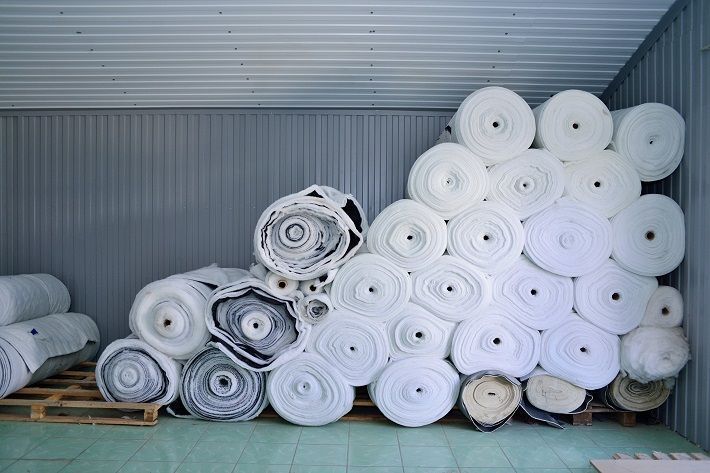
Of course, stable price does not mean a price that never moves. Raw materials such as fabric, padding and hardware follow the broader market. Prices of cotton, chemical fiber and down fluctuate, and no factory can block that. What an inland location stabilizes is the “factory side” — labor, overhead and management cost. The smaller these swings, the smaller the jump you see in the quote. A buyer’s rational expectation should be: material price follows the market, labor price stays stable.
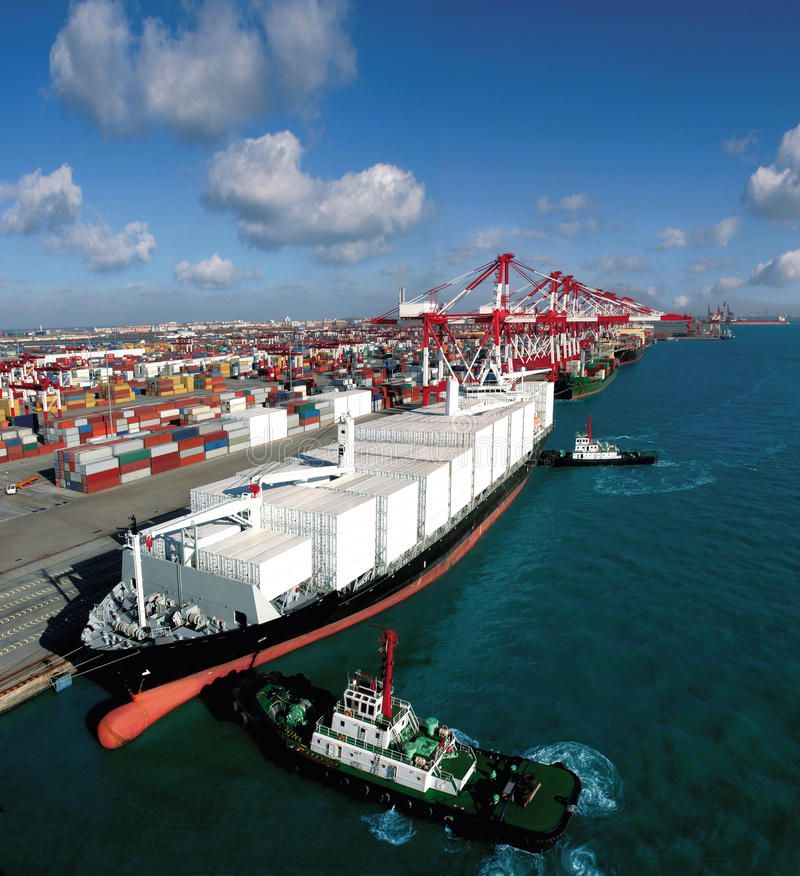
Some worry that being far from the port makes inland logistics slow and costly. In reality, Xuchang has mature road and rail links to the main export ports. Cciola arranges the inland leg to the port and includes the cost in the quotation, so for you it is a known item, not a surprise. Compared with the small freight difference at the coast, inland’s lower labor cost and steadier quote often win.

For European buyers, the most practical benefit of an inland factory is fewer “surprises.” The factory portion of this season’s order and next year’s reorder will not suddenly turn against you. When you build a budget and set a margin, you do not have to re-guess the factory quote every time. This predictability matters most for small and mid-sized brands, where the margin is thin and repeated price changes are hard to absorb.
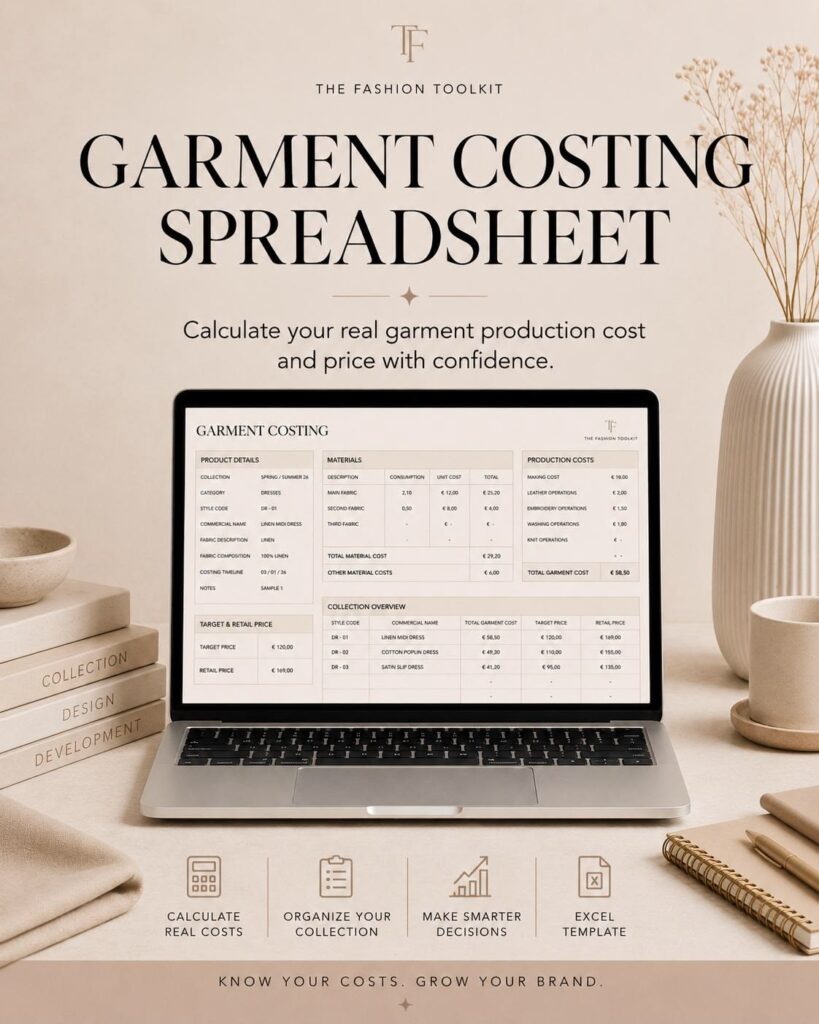
To verify this, a buyer can do something simple: ask the factory to break the quote into labor, material and inland-to-port freight; ask clearly which part follows the market and which part the factory can hold; then check whether its reorder price to old clients is continuous. A factory willing to break it down and explain is the one whose price is truly credible.

So do not treat “inland” as a minus. Cciola has exported from Xuchang for more than twenty years, relying precisely on the inland cost structure that is low and steady, plus direct factory connection with no middle markup, passing price stability to long-term partners. For European brands that watch their margin closely and reorder year after year, this quiet advantage is more real than a coastal factory’s line of “we are close to the port.”