


News
What Is Bluesign and Does Your Factory Need It?
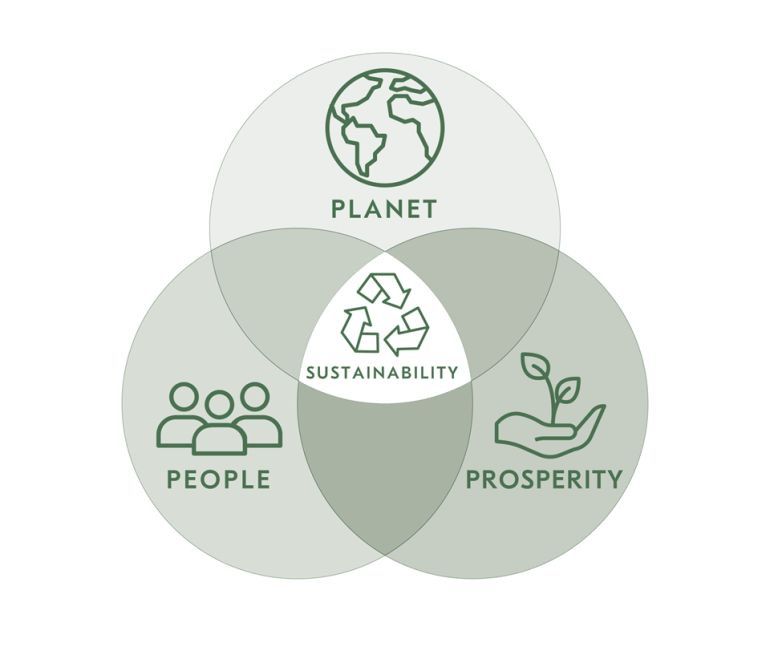
For buyers doing business in the European market, the term “Bluesign” comes up more and more often. It is not a fabric, nor is it a single product label. It is a sustainability system for the textile industry. Simply put, Bluesign focuses on preventing harmful substances from entering the production process from the moment raw materials arrive at the factory.

The core idea behind Bluesign is called input stream management. Traditional approaches test finished products for hazardous substances. Bluesign does the opposite: it first reviews all chemicals, dyes, auxiliaries and raw materials used by the factory, removing problematic ones at the source. This not only reduces the risk of chemical residues in final products, but also lowers wastewater, emissions and health risks for workers.
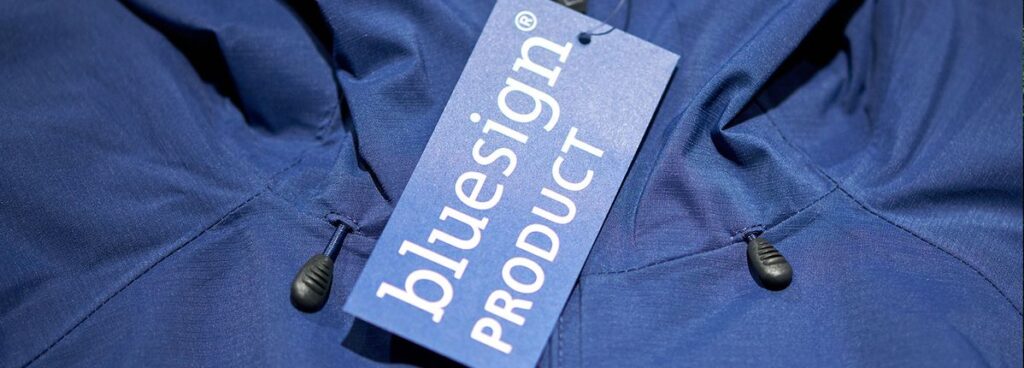
For buyers, Bluesign appears in three main forms. The first is bluesign APPROVED, meaning a chemical or raw material has passed review and can be used within the Bluesign system. The second is bluesign PRODUCT, meaning a finished garment meets strict standards and can carry the Bluesign label. The third is bluesign SYSTEM PARTNER, meaning a factory or brand has joined the Bluesign system and accepts regular audits and continuous improvement.
So does your factory need Bluesign? The answer depends on who you sell to, what price range you target, and whether your customers explicitly require it. If your European customers are premium outdoor brands, eco-brands, or companies built around sustainability, they may well require Bluesign products or partner status. In that case, the factory either becomes a System Partner itself, or purchases from fabric and trim suppliers who are already System Partners and then applies for bluesign PRODUCT.
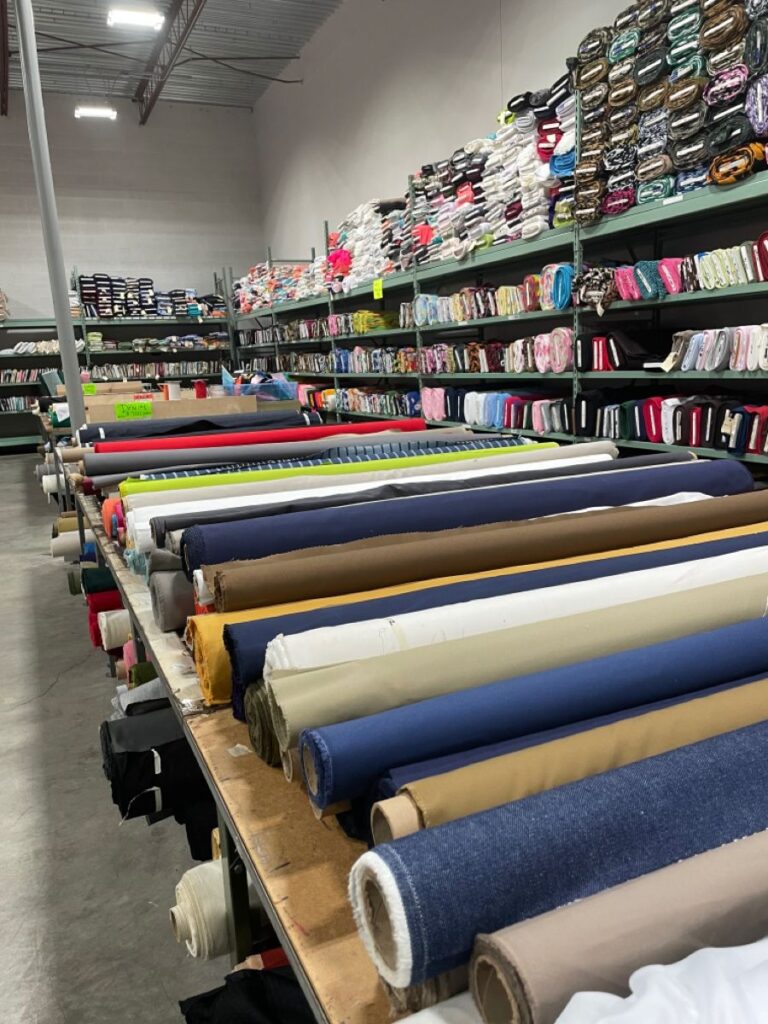
For cut-and-sew jacket factories like Cciola, the situation is somewhat specific. Dyeing, printing and waterproof finishing—the stages with high pollution and chemical use—are usually done by fabric suppliers, not by the garment factory itself. This means the garment factory has limited coverage when applying for full Bluesign System Partner status, and the cost-benefit ratio may not be favorable. A more practical approach is to source bluesign APPROVED fabrics and trims, and then demonstrate to customers that the finished garment meets bluesign PRODUCT requirements.
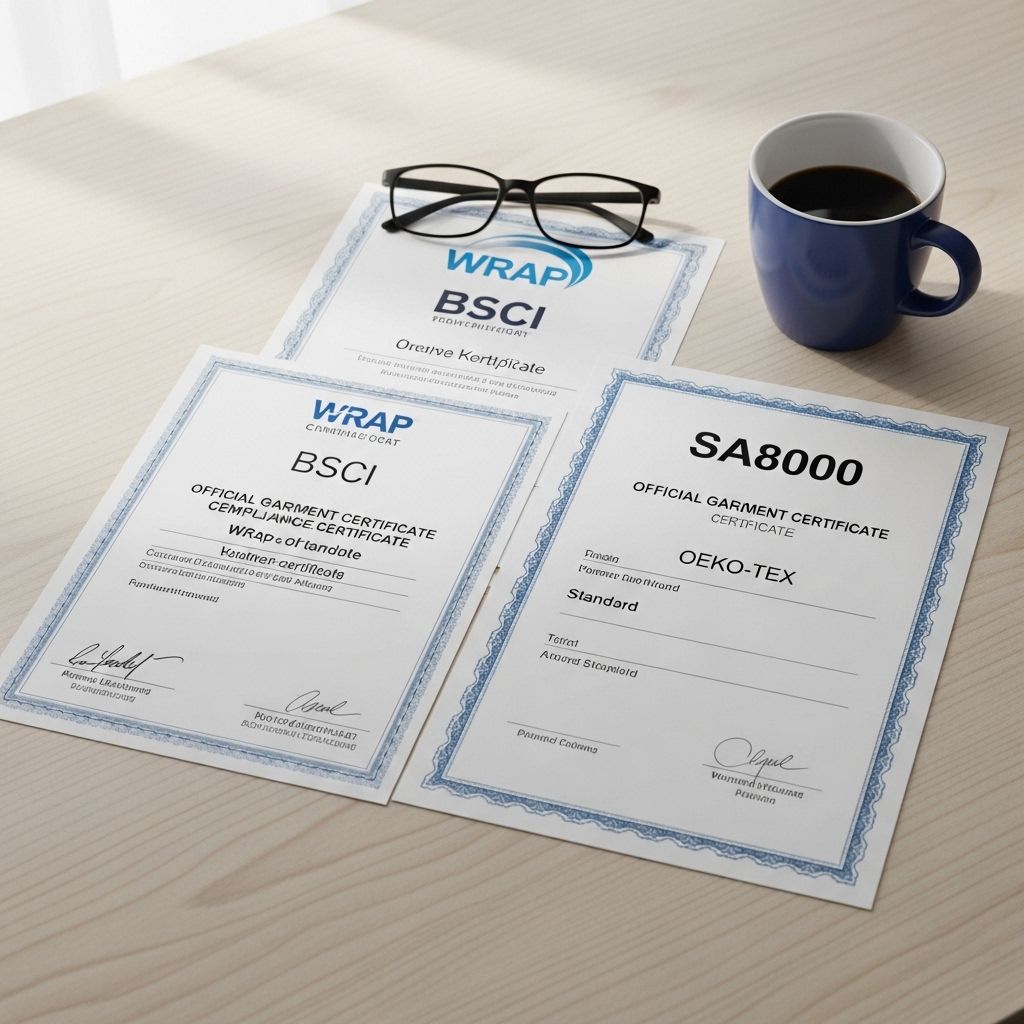
It is important to note that Bluesign is not free. Companies pay membership fees, audit fees, and may need to replace chemicals and adjust processes according to the requirements. For small and medium-sized factories, this is a significant investment. Therefore, before deciding whether to pursue Bluesign, it is best to confirm with major customers what they actually want: a bluesign PRODUCT label, or simply a more transparent supply chain with safer chemical management? If it is the latter, OEKO-TEX, ZDHC or GRS may be more suitable alternatives.

Another common misunderstanding is that Bluesign is not legally mandatory. Unlike EU regulations such as REACH or POPs—which are market entry requirements, and without which products cannot be sold—Bluesign is a brand-level advantage. Whether to pursue it depends on customer requirements and market positioning. Some buyers treat Bluesign as a supplier screening standard; others are satisfied just knowing the supply chain is responsible.
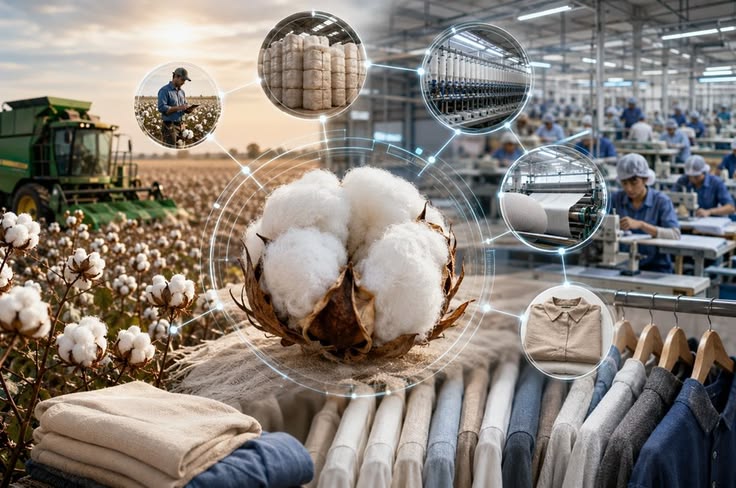
In summary, Bluesign is a textile sustainability system that manages chemical risks at the source. For European buyers, it is a credible environmental guarantee. For factories, it is a market advantage, though not every factory must obtain it. For cut-and-sew jacket and woven garment factories, the most realistic path is often not becoming a System Partner directly, but working with audited fabric suppliers and carrying the Bluesign value through to the final product.