



Notícias
How Does Waterproof Fabric Work? The Difference Between Coating, Membrane, and DWR
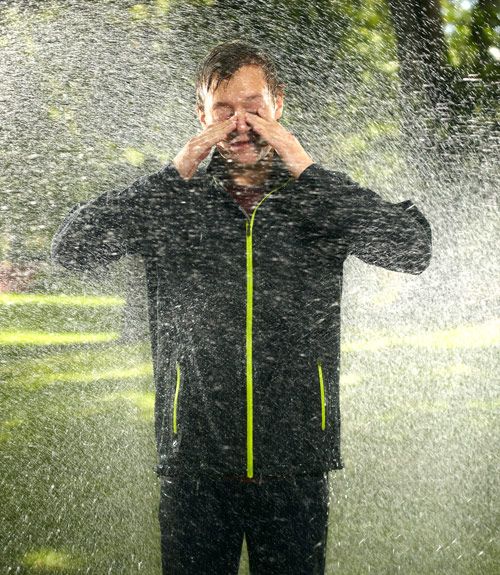
Waterproof performance is one of the core selling points for outdoor or functional jackets. But many buyers don’t realize that “waterproof” actually covers completely different technical approaches. Coating, membrane lamination, and DWR (durable water repellent) are the three most common waterproof processes, and they differ significantly in principle, cost, application, and durability. Choosing the wrong process not only affects product performance but can directly lead to returns and negative reviews.
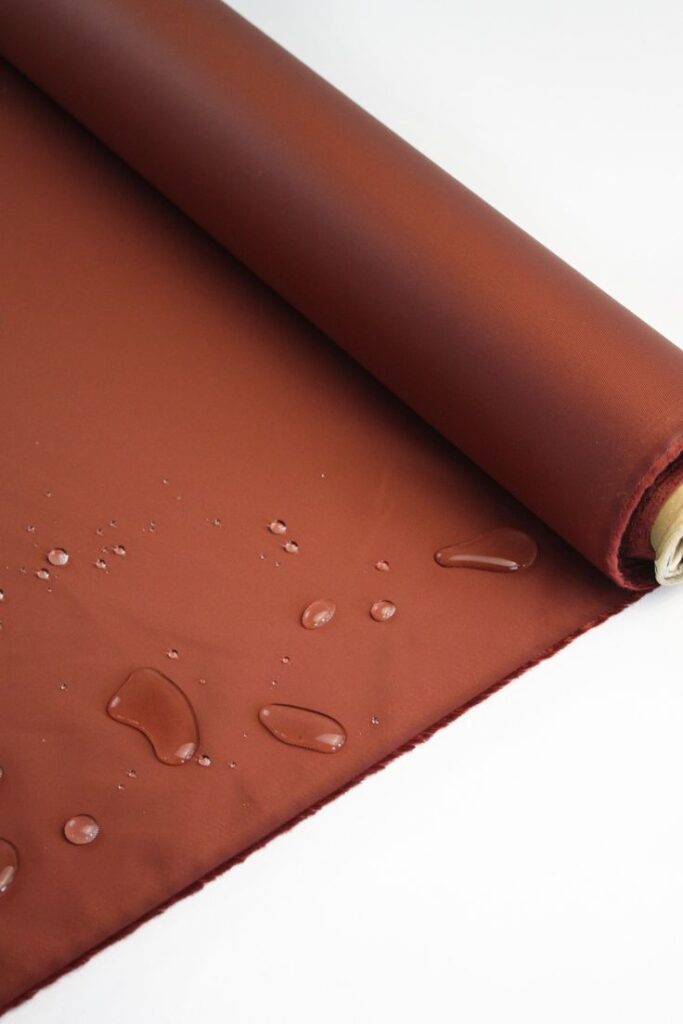
Coating waterproofing is the most traditional and economical method. It works by applying a layer of polyurethane (PU) or polyacrylate (PA) film onto the fabric surface, sealing the pores to prevent water penetration. PU coating can achieve waterproof ratings of 5,000mm water column or higher, with relatively low cost, making it the mainstream choice for mid-range jackets. However, coating has a clear weakness: it gradually wears with washing, and waterproof performance declines over time. Generally, after 20-30 washes, PU coating’s effectiveness noticeably diminishes. Additionally, coated fabrics feel stiffer and offer poor breathability, which can cause stuffiness during intense activity.
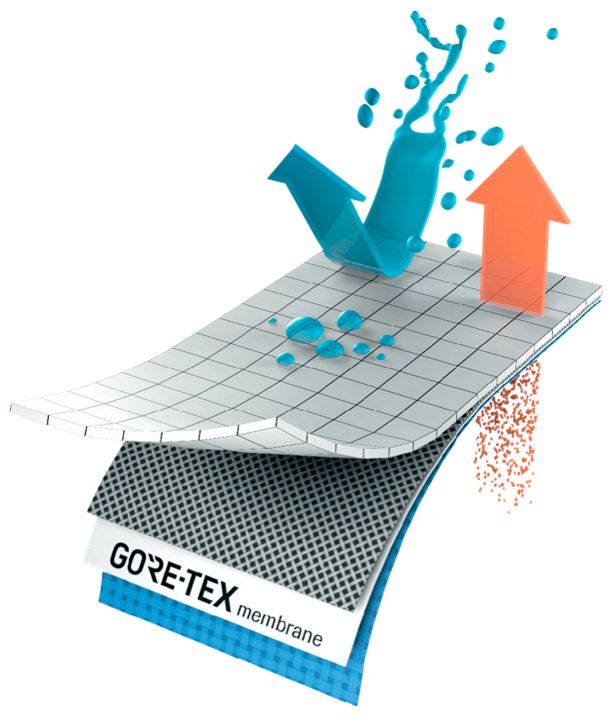
Membrane waterproofing is currently the mainstream solution for high-end functional jackets. The most famous example is Gore-Tex, which works by laminating a microporous membrane between the outer fabric and the lining. Each micropore is about 20,000 times smaller than a water droplet and 700 times larger than a water vapor molecule. This means rain cannot penetrate, but body moisture can escape through the pores, achieving a balance between waterproofness and breathability. Membrane fabrics typically offer waterproof ratings between 10,000mm and 28,000mm, with breathability far exceeding coated fabrics. However, membrane costs are higher — typically 3-5 times that of coating — and the lamination process requires specialized factory equipment. For mid-to-high-end jacket brands, membrane solutions offer greater product premium potential despite higher costs.
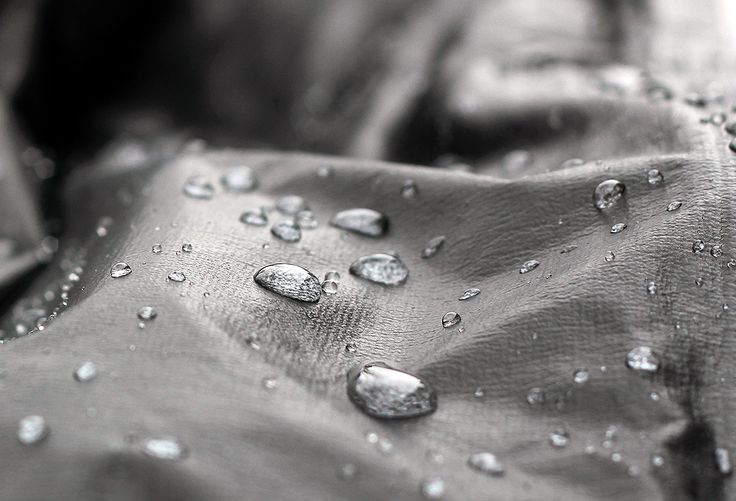
DWR (Durable Water Repellent) works on a completely different principle from the other two. Rather than blocking water penetration, it applies a fluorocarbon or silicone treatment to the fabric surface, reducing surface tension so water droplets cannot adhere and roll off like on a lotus leaf. DWR offers lower waterproof ratings, typically only handling light rain, and is not suitable for heavy rain or extended outdoor use. Its main purpose is preventing initial fabric wetting to maintain breathability. A significant advantage of DWR is that treated fabric’s hand feel and drape are virtually unaffected, making it ideal for urban casual jackets where comfort matters. However, DWR’s durability is limited — effectiveness noticeably declines after 5-10 washes and requires periodic restoration with specialized detergents.
These three technologies are not mutually exclusive and are often combined in production. A premium outdoor jacket might use a membrane as the primary waterproof layer, DWR as a surface treatment to keep the outer fabric dry, plus a PU coating for inner layer protection. For buyers, the choice depends on product positioning, target usage scenarios, and budget. Urban commuter jackets prioritize lightweight comfort — DWR or lightweight coating suffices. Outdoor sport jackets demand high waterproofness and breathability — membrane solutions are more appropriate. Mid-range casual jackets can consider PU coating for a balance between performance and cost.
default
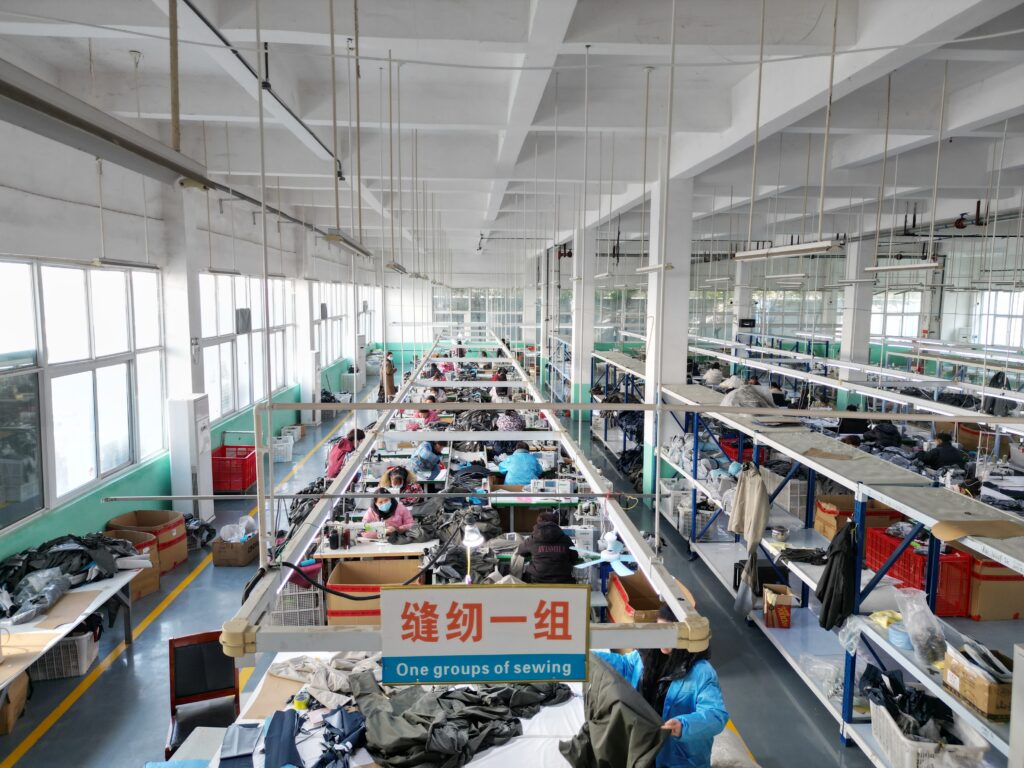
In practice, waterproof fabrics are typically supplied by specialized fabric mills, while garment factories process them into finished products. But fabric selection is a critical step — choose the wrong fabric, and even the best sewing craftsmanship won’t save the result. Cciola has over twenty years of experience in functional jacket production. We maintain long-term partnerships with multiple professional waterproof fabric suppliers and are familiar with the performance characteristics and suitable applications of different waterproof fabrics. We can recommend appropriate fabric solutions based on buyer’s product positioning, and strictly control sewing and assembly processes during production to ensure finished product waterproof performance is not compromised. Welcome to contact the Cciola team — we can offer fabric selection guidance and sample development support.