




Notícias
What Are the Latest Trends in European Jacket Consumption?
Europe is one of the world’s most mature garment consumption markets — consumer preferences shift quickly and demands are high, making European trends for global apparel. Several distinct trends have emerged in European jacket consumption in recent years. Understanding these helps buyers grasp market demand and select the right product direction.
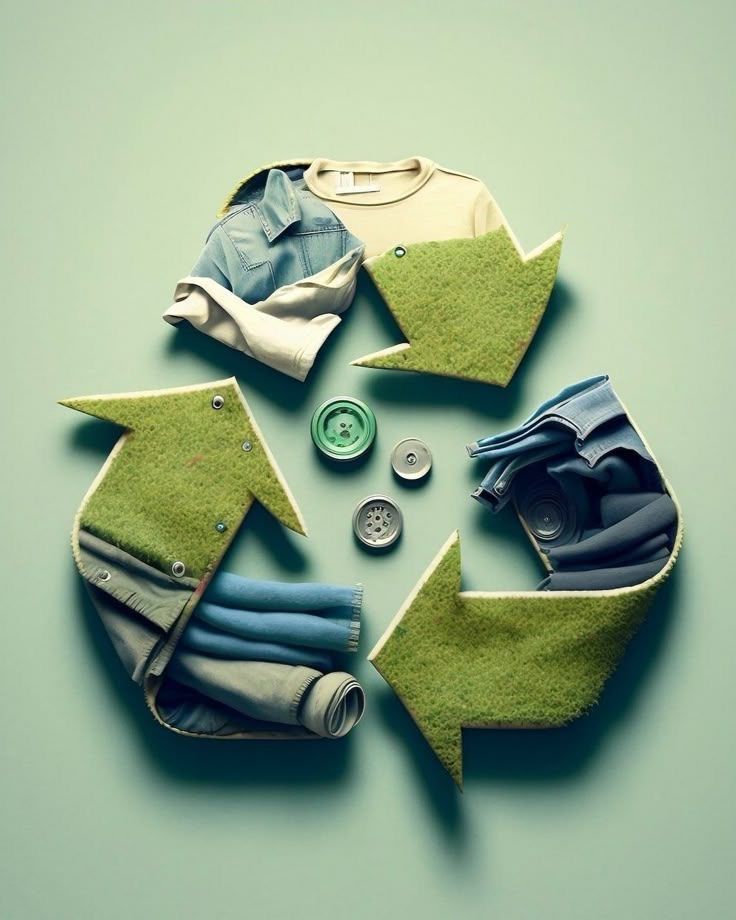
Sustainable fashion has become mainstream. European consumer focus on sustainable fashion continues rising — environmental responsibility is no longer just a marketing concept but a genuine purchasing decision factor. Consumers proactively research fabric sourcing, production processes and carbon emissions, willing to pay more for sustainable products. For jacket categories specifically, sustainability manifests in several areas: using recycled materials like recycled polyester and recycled cotton; employing eco-friendly dyes and finishing processes to reduce chemical residue; choosing products certified through GOTS, OEKO-TEX and similar standards; caring about factory production conditions and worker rights. These environmental demands are penetrating from high-end markets downward — mass market demand for sustainable jackets is also growing.
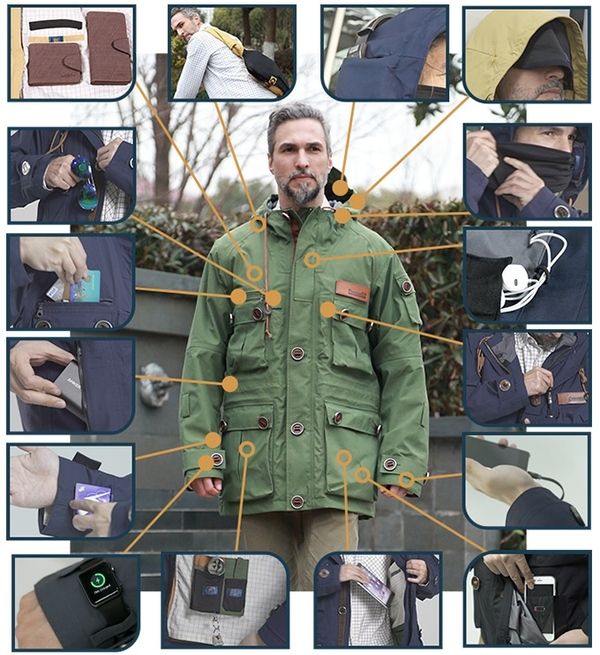
Functionality and practicality receive increasing attention. European consumers buying jackets care not only about appearance but increasingly about practicality. Multi-functional jackets have grown rapidly — one jacket that handles multiple scenarios, seamlessly transitioning from outdoor activities to city commuting. Wind resistance, waterproofing and breathability have become basic configurations. Many consumers also focus on whether jackets are lightweight, easy to pack, and suitable for travel. The fusion of outdoor style and urban style is a clear trend — consumers want jackets that work for work and weekends, city and light outdoor activities. This “wear-it-multiple-ways” philosophy is influencing jacket design direction.
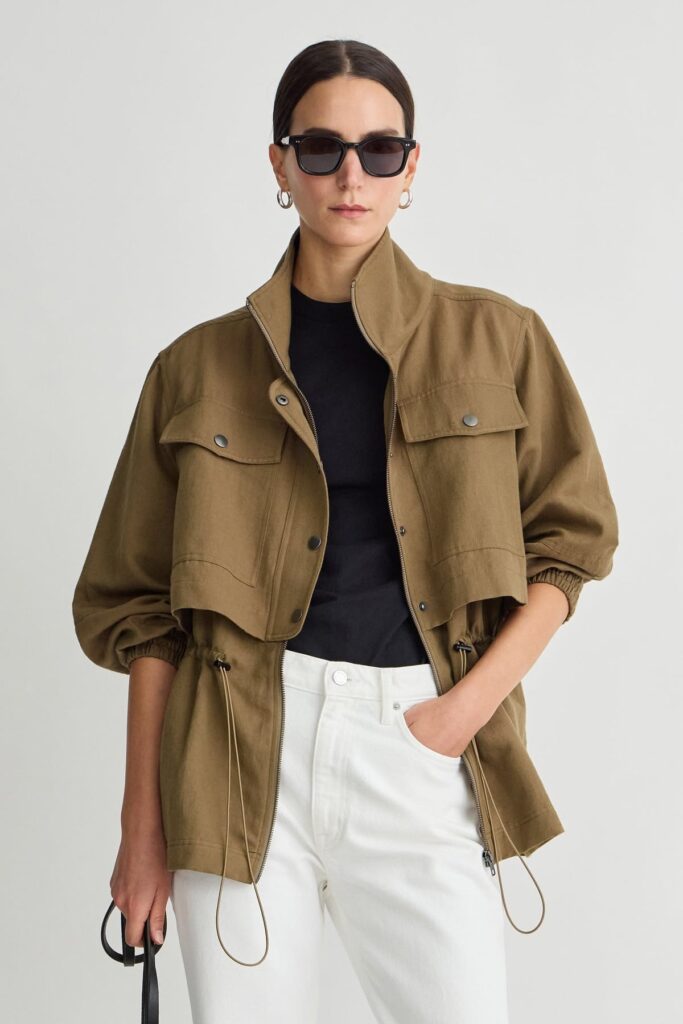
Comfortable fits replace tight tailoring. While slim fits dominated trends in recent years, European consumer preferences have clearly shifted toward comfortable fits. Relaxed shoulders, greater ease of movement and soft stretch fabrics are increasingly popular. Several factors drive this: remote work popularity has made people accustomed to comfier dressing; post-pandemic consumers prioritize comfort over formality; fashion’s ongoing “Normcore” influence shapes consumer aesthetics. Size choices are also changing — more consumers select sizes larger than traditional measurements.
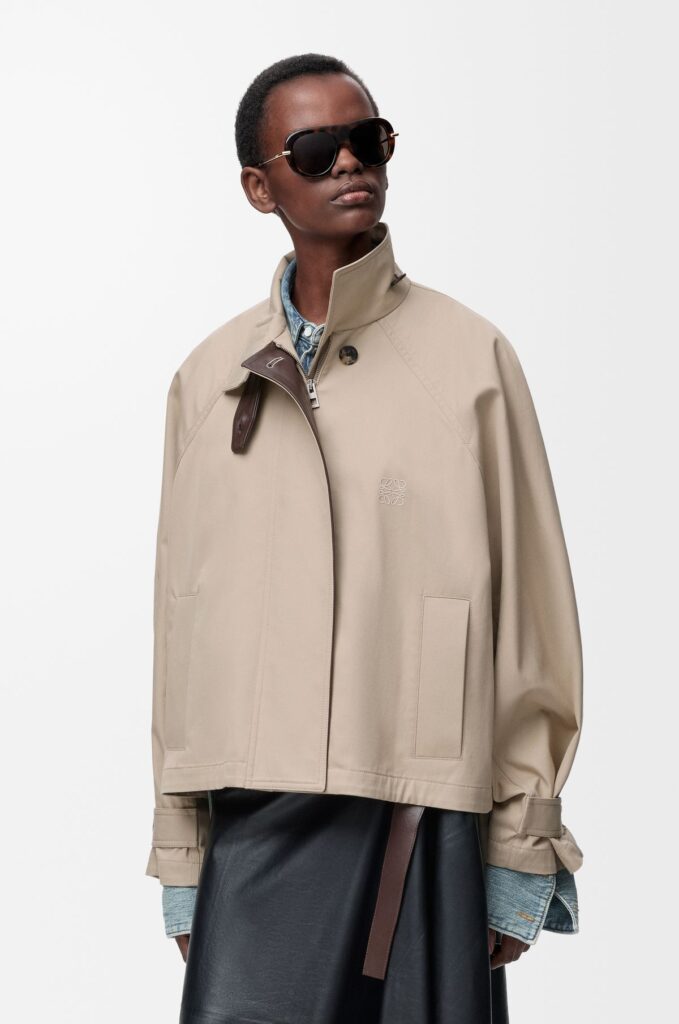
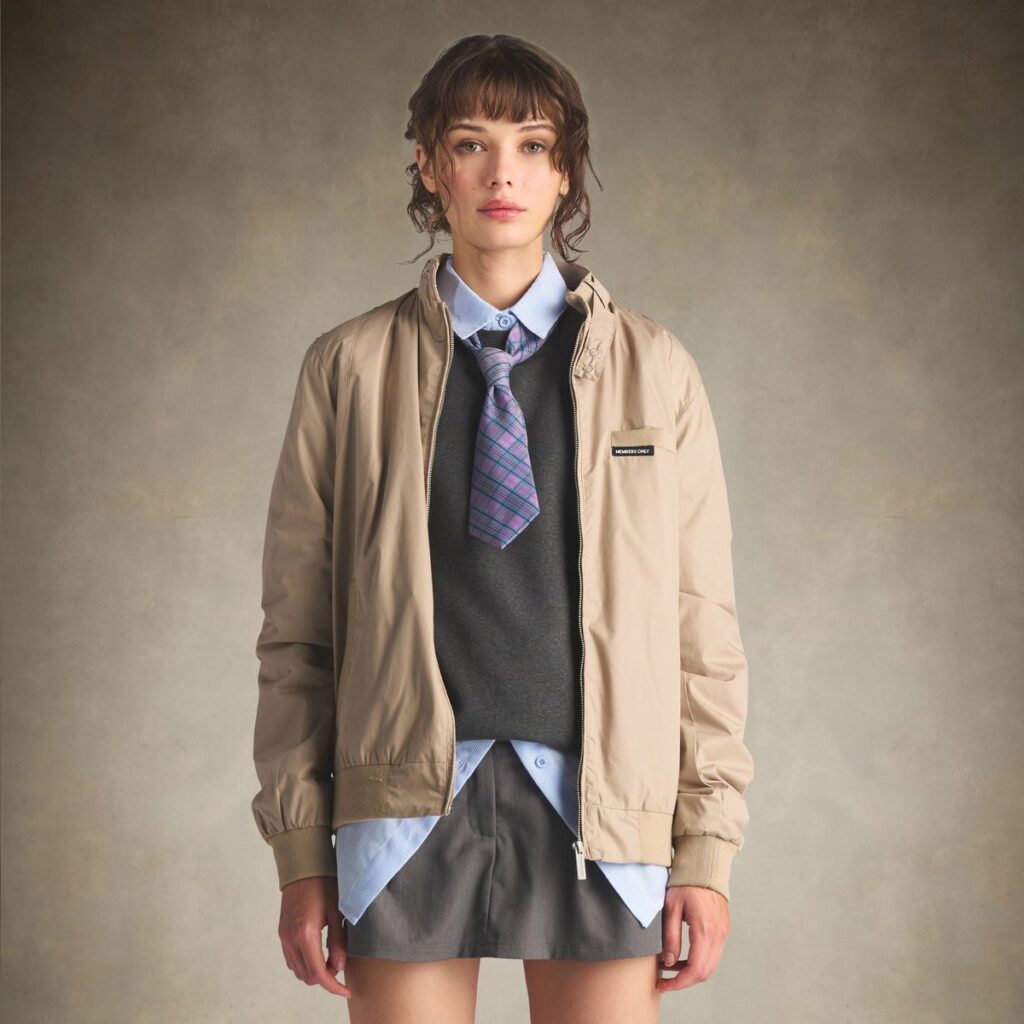
Classic styles are returning. Fast fashion’s popularity is cooling — European consumers no longer chase each season’s new arrivals as before, preferring to buy well-made, classic-styled jackets that remain relevant for years. This trend means product development direction needs adjustment: rather than launching many low-price new styles, focus depth on classic styles, pushing quality and craftsmanship to the extreme. Vintage element revival is part of this trend — consumers seek products with retro design sensibility combined with modern fabrics and processes.
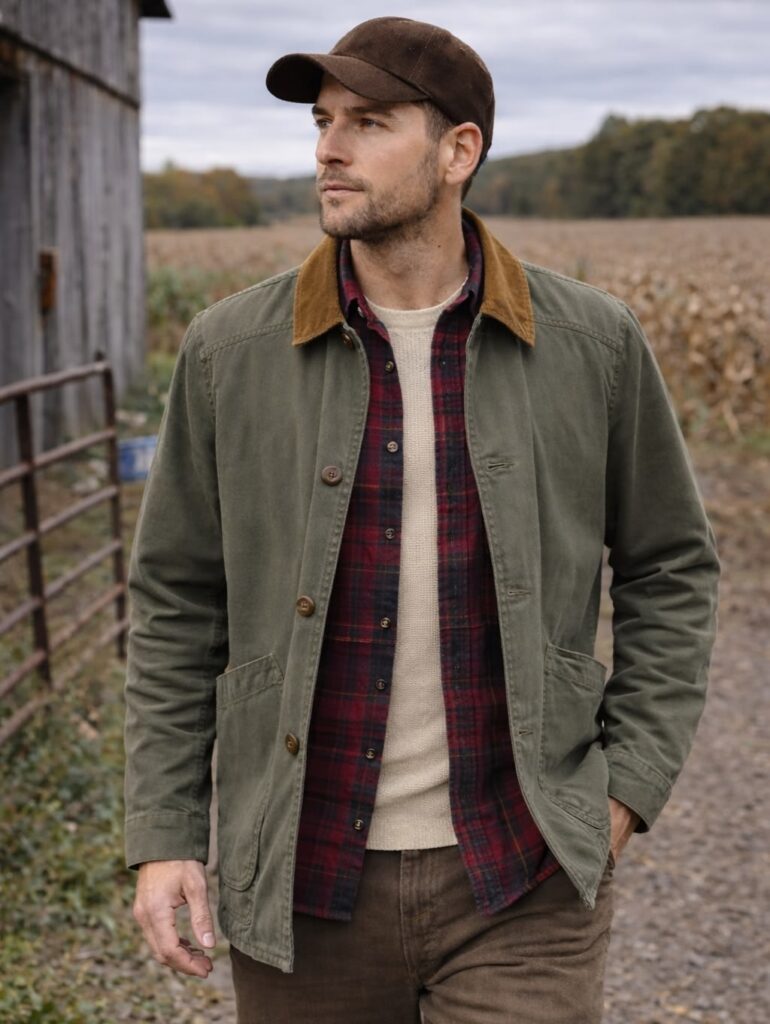
Online purchasing habits persist. European consumers increasingly rely on online channels for clothing purchases, especially post-pandemic — buying jackets online has become the mainstream habit. This means buyers’ requirements for online product presentation are higher: accurate sizing, clear return policies and reliable delivery times matter. When selecting suppliers, buyers prioritize factories that can provide complete e-commerce support — like small-batch customization, high-quality product photography and rapid response to online restocking needs.
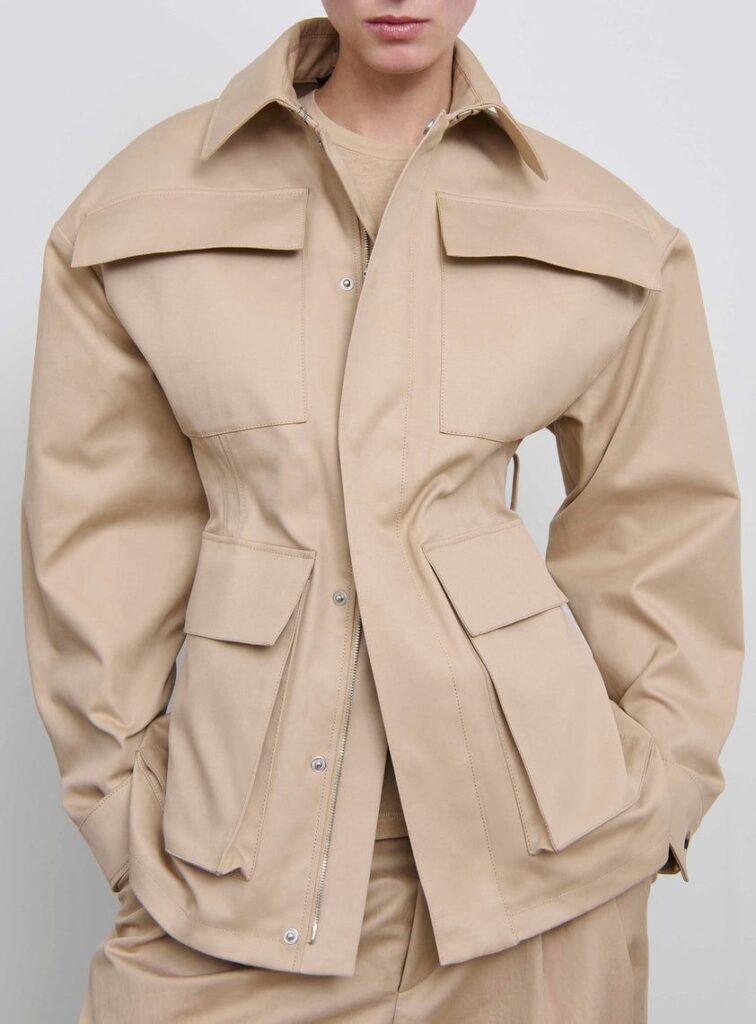
Secondhand and rental markets are rising. Europe’s secondhand clothing market is growing rapidly, with jackets being a popular category. This trend influences new product design — consumers consider jacket durability and classic appeal, choosing products that last long and retain value in the secondhand market. The rental market is also developing, particularly for premium and outdoor functional jackets — consumers rent for specific occasions rather than always buying. This means buyers’ product line planning needs to consider different consumption scenario demands.