



Notícias
How Important Are Loose Threads on Jackets? Details Determine Brand Quality
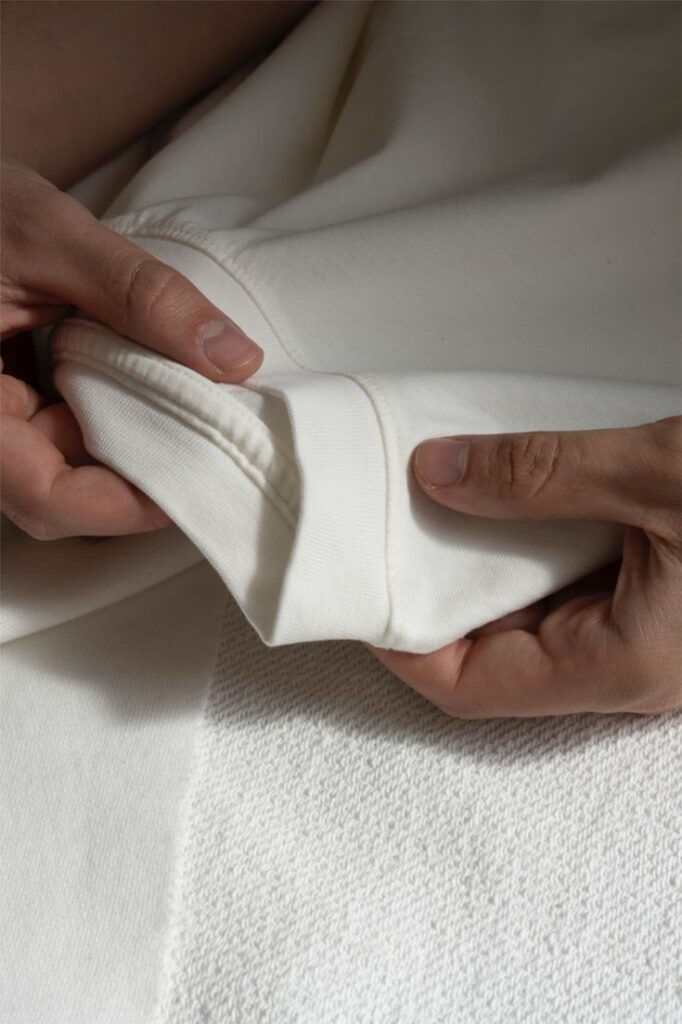
Many buyers consider loose threads a minor issue, thinking that as long as functionality isn’t affected, it’s fine. But in the eyes of end consumers, a jacket hanging on a retail shelf — whether its threads are clean and neat — directly shapes their first impression of the brand. Poor thread handling marks even the best fabrics and most complex craftsmanship with a “cheap” label. That’s why premium brands demand near-obsessive standards for thread quality — details determine positioning.
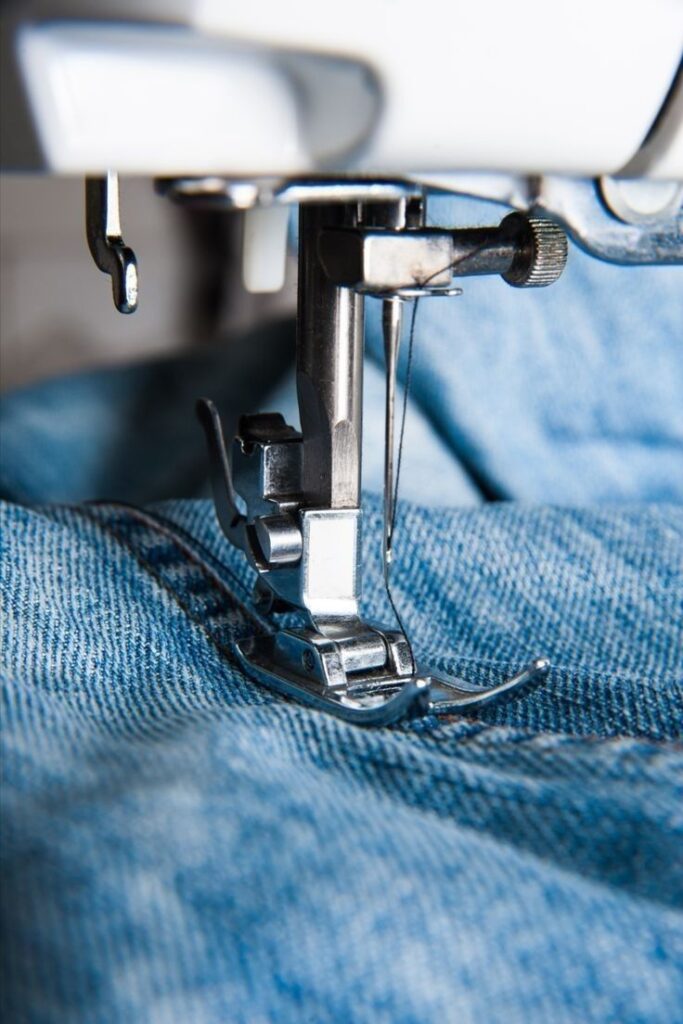
Loose thread issues fall into three categories. First, external loose threads — excess threads remaining on the garment surface after sewing, including thread tails at start and end points, untrimmed broken threads, and stray threads at seam joints. Second, internal loose threads — visible only when turning the jacket inside out, commonly found at lining seams, inner pocket edges, and inner lining joints. Third, functional loose threads — threads that may affect wearing experience, such as long threads inside pockets that catch fingers, or threads inside cuffs that may irritate skin. Each type impacts quality differently, but all reduce consumer satisfaction.
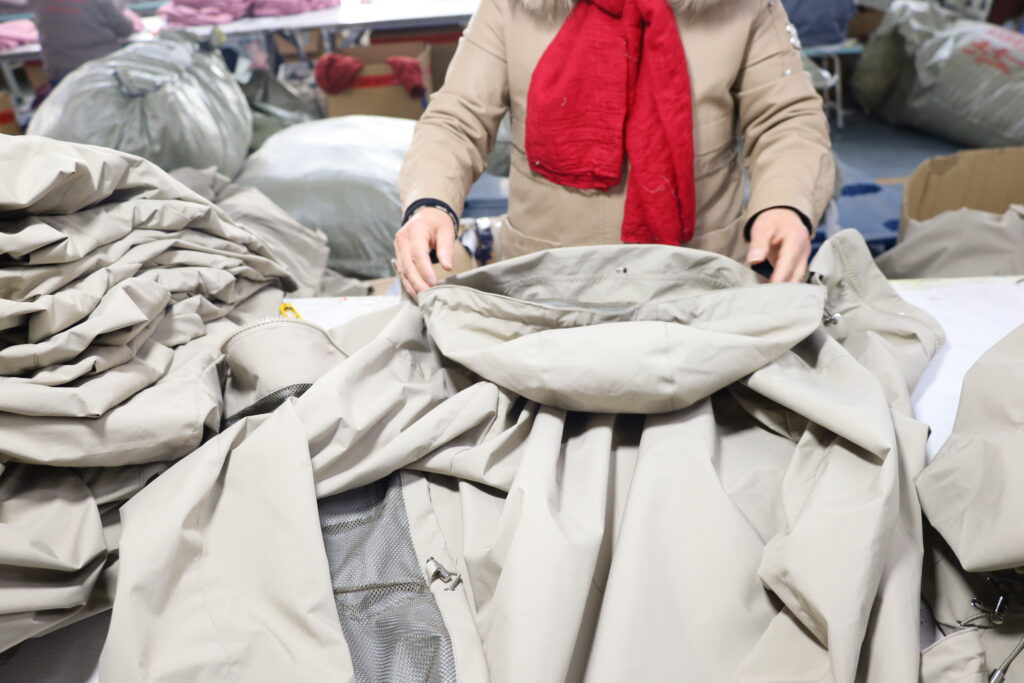
The root cause of loose threads usually lies in production. Sewing operators should trim threads and check for leftovers after each process. But fast-paced assembly lines make it easy to miss. Reputable factories establish a dedicated “thread trimming” station, where specialists perform comprehensive thread cleaning after garment completion. Additionally, thread handling methods matter — premium garments require thread tails no longer than 3mm, and threads should not be simply cut but treated with professional “heat sealing” or “pressing” to prevent fraying. These details increase labor costs, but the quality difference is visible to the naked eye.
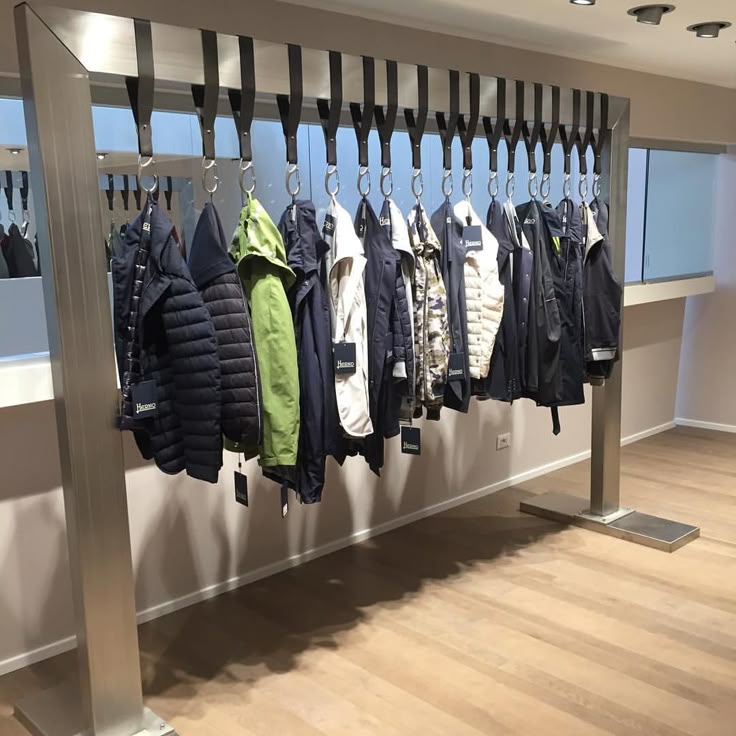
The impact of loose threads on brand image cannot be underestimated. European consumers generally perceive exposed threads as a signal of poor quality. In the social media era, a jacket with loose threads might be photographed and posted with the caption “this brand’s workmanship is terrible.” Such negative exposure damages brand image far more than imagined. Conversely, jackets with clean threads and neat stitching reinforce consumer perception of the brand as “professional and reliable.” For mid-to-high-end jacket brands, thread handling is the most cost-effective investment in quality control — limited cost increase, but significant brand texture improvement.
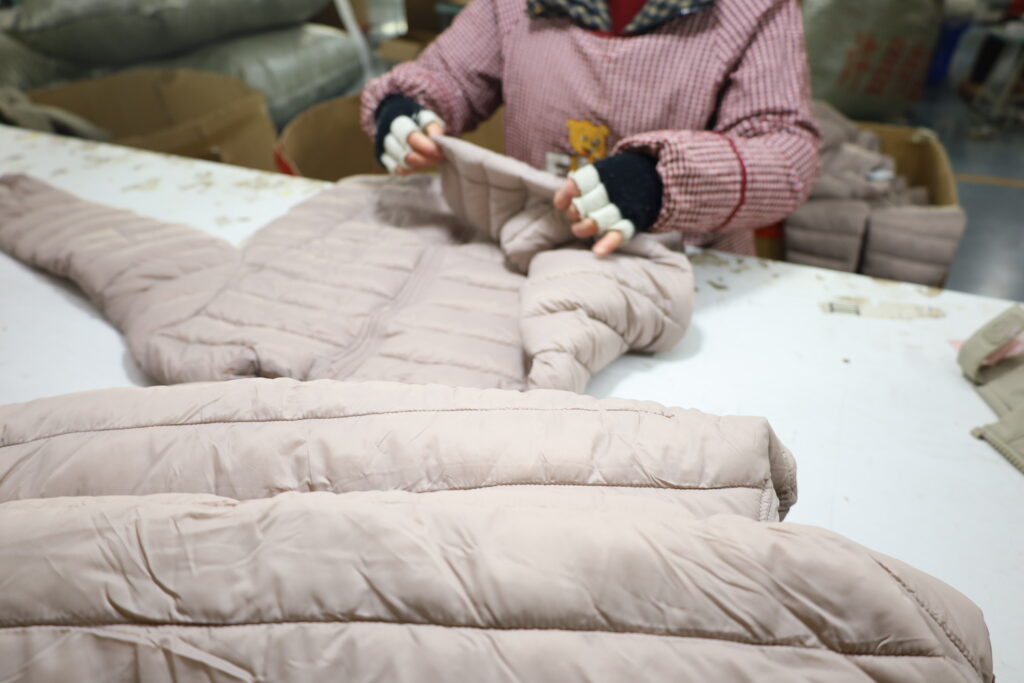
At Cciola, our thread control runs through the entire production process. Sewing operators must self-check threads after each process, with dedicated QC points in the workshop for spot checks; after garments come off the line, the thread trimming station cleans and inspects each piece; finally, the pressing stage includes a second review. Our standard is external threads no longer than 3mm, internal threads no longer than 5mm, and no threads causing irritation at skin-contact areas like pockets and cuffs. Before each bulk shipment, we randomly inspect 10% of finished garments for thread quality to ensure consistency.
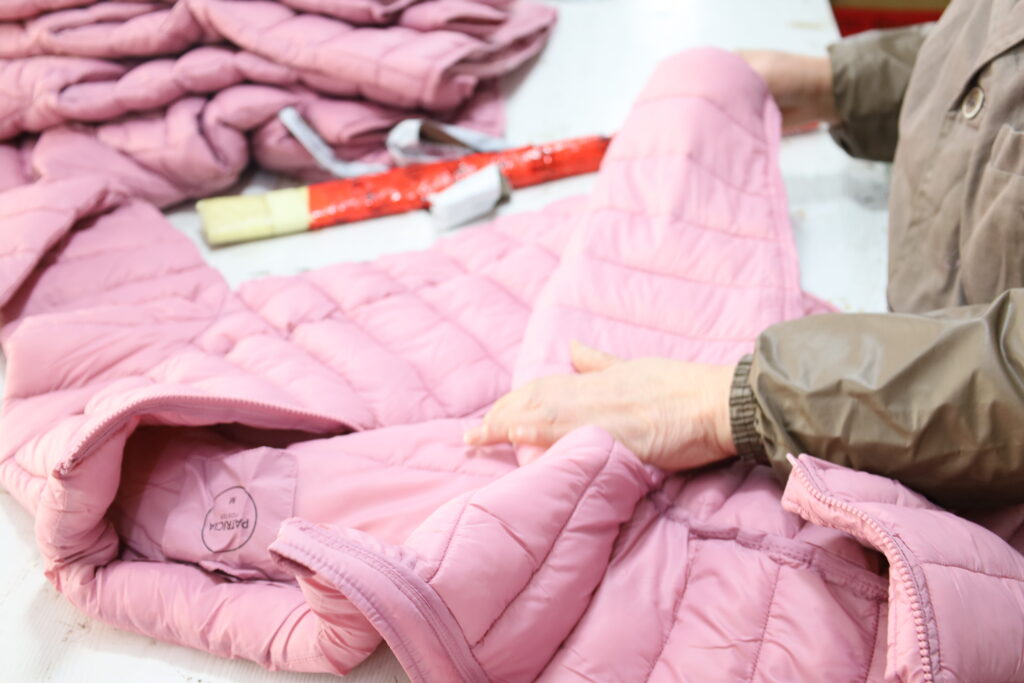 For buyers, there are simple ways to check thread quality. When receiving samples, turn the jacket inside out and check all seams for loose threads; run your finger lightly inside pockets and cuffs to feel for any scratchy threads; lay the jacket flat and assess whether threads look clean from an overall visual perspective. If thread handling fails at the sample stage, bulk production will only be worse — proceeding with the order is not recommended. Good suppliers proactively demonstrate their thread standards and processes, rather than explaining only after buyers discover problems.
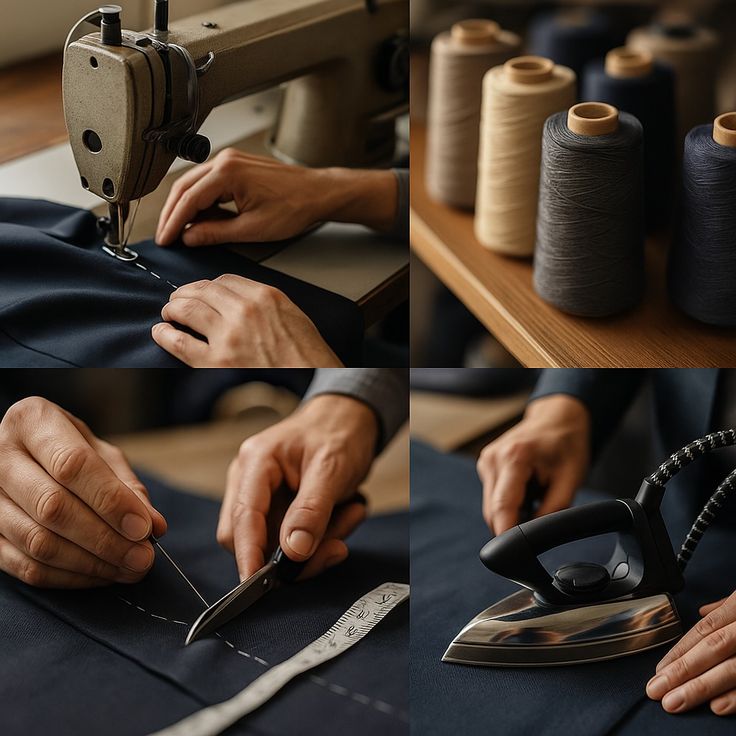
Loose threads are small details, but brand image is big business. Thread handling on a jacket reflects the factory’s quality consciousness and the brand’s respect for consumers. Choosing a supplier with strict thread standards is the best protection for your brand image.