



News
Why Can’t Minimum Order Quantities Be Too Low in Garment Export?
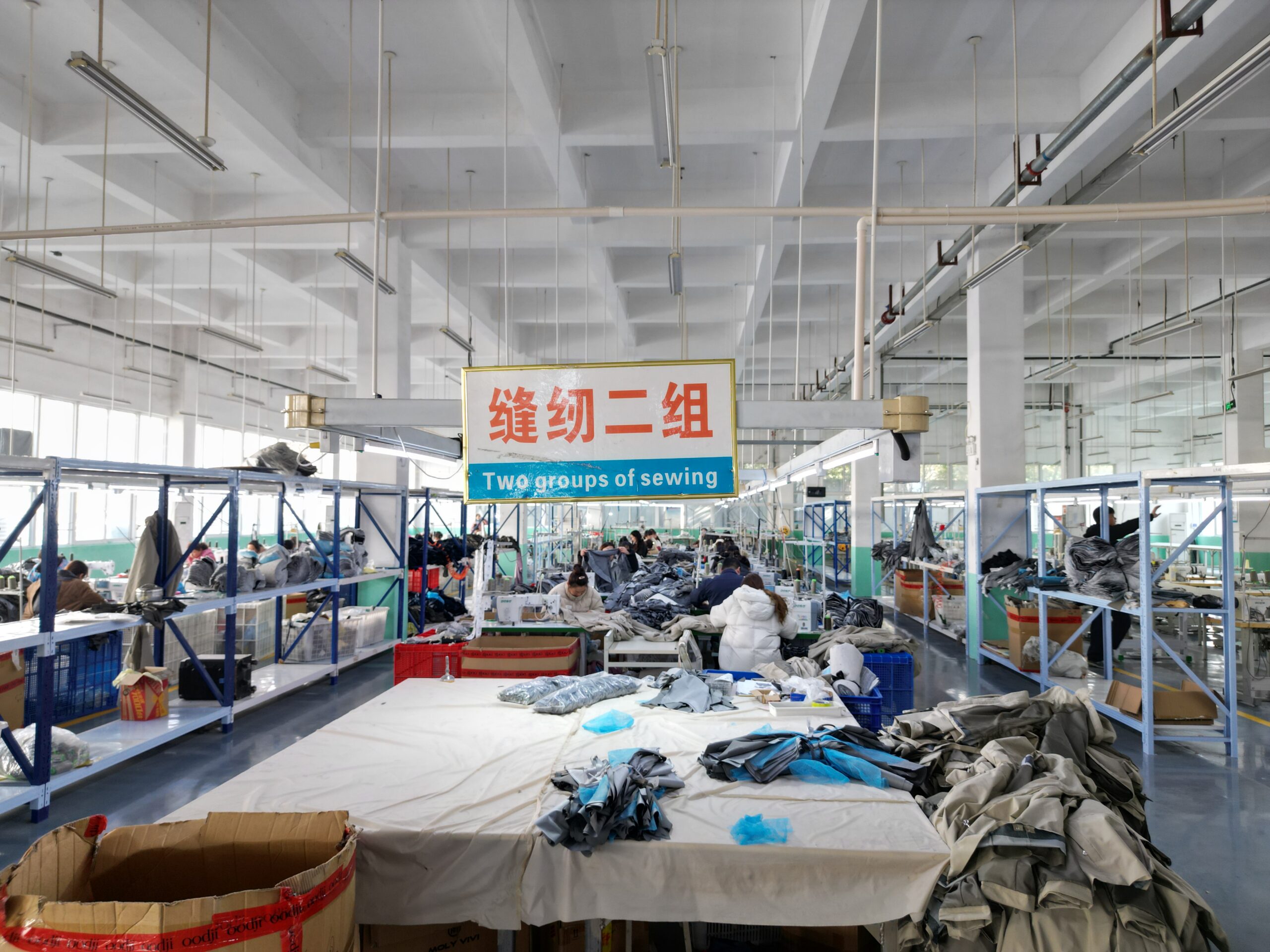
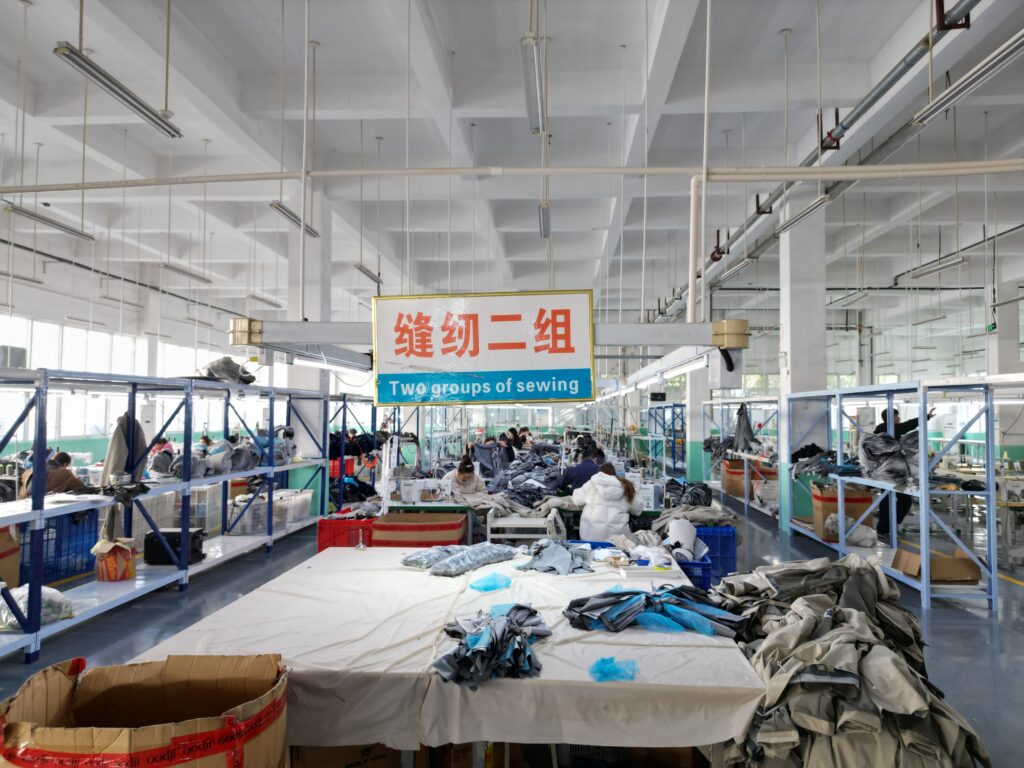
Many first-time buyers react to minimum order quantities (MOQs) by asking: “Can’t you just make fewer?” Some assume factories set MOQs to be difficult. Others figure — you’re making them anyway, why not just make fewer? But MOQ isn’t arbitrary. It’s driven by an entire cost structure.
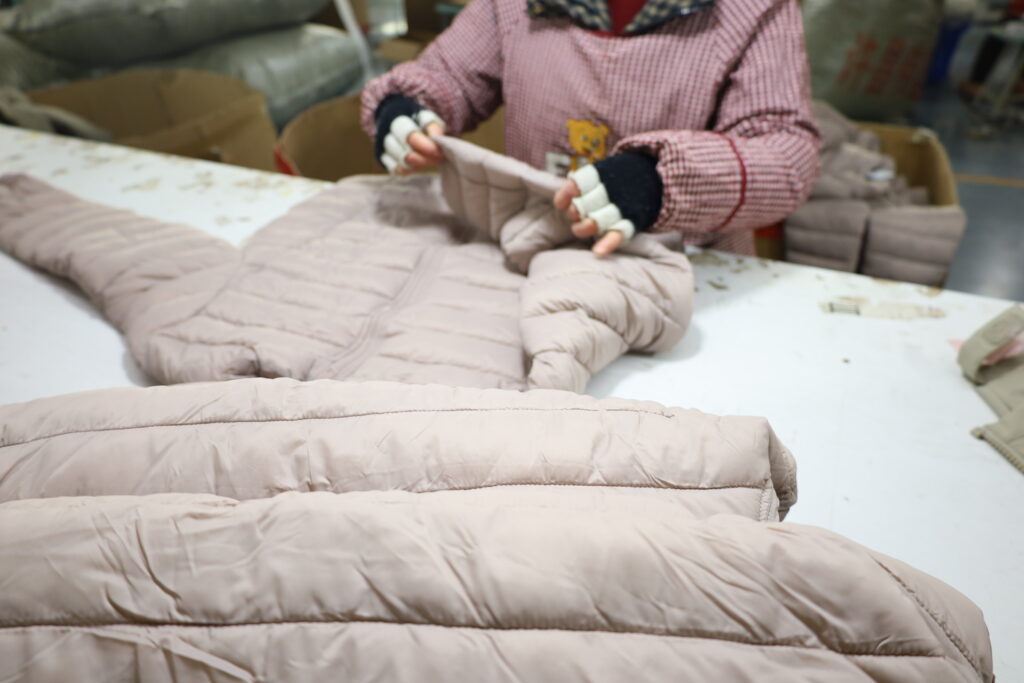
A jacket goes through fabric sourcing, accessory procurement, pattern making, marker making, cutting, sewing, pressing, inspection and packaging. Every step carries fixed costs that must be absorbed regardless of whether you produce 100 or 1,000 pieces. The smaller the order, the more fixed cost gets loaded onto each piece — making the unit price unreasonably high.
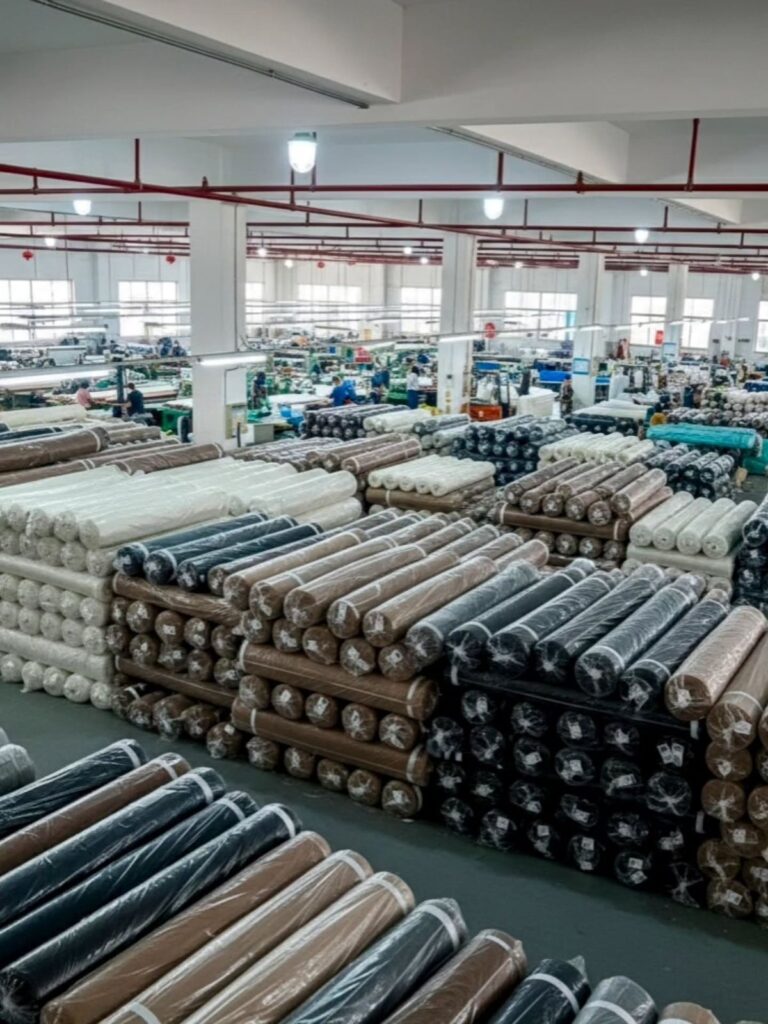
Take fabric first. Fabric mills have their own MOQs, typically starting at several hundred meters. An order for 200 jackets might need only 150 meters, but the mill ships 300 minimum — the extra 150 meters becomes dead stock, and that cost gets built into the order. There’s also the dye lot issue: different lots of the same color produce slight variations. Small orders often don’t justify a dedicated dye lot — either accept color variation from a shared lot or pay a premium for a separate run.
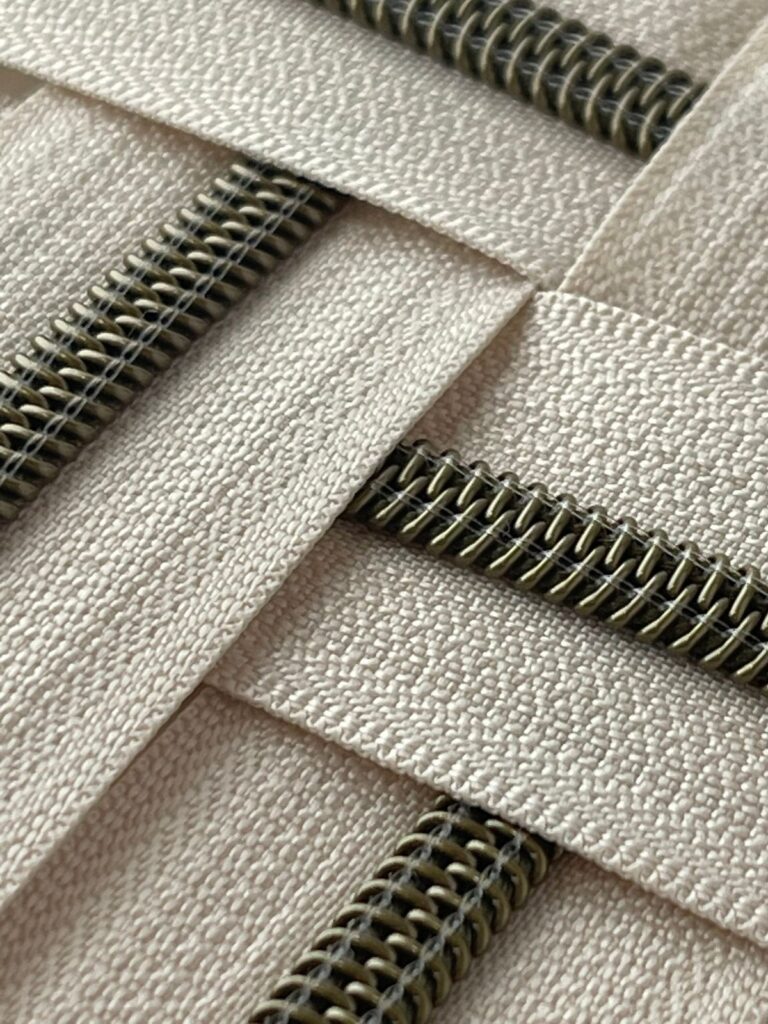
Accessories follow the same logic. Zippers, buttons, webbing and elastic suppliers typically require hundreds to thousands of pieces minimum. Orders that are too small mean either over-purchasing or paying surcharges for quantities below the threshold. Custom accessories — branded zipper pulls or logo buttons — require mold-making fees that are identical whether you produce 200 or 2,000 pieces, but the per-unit cost difference is tenfold.
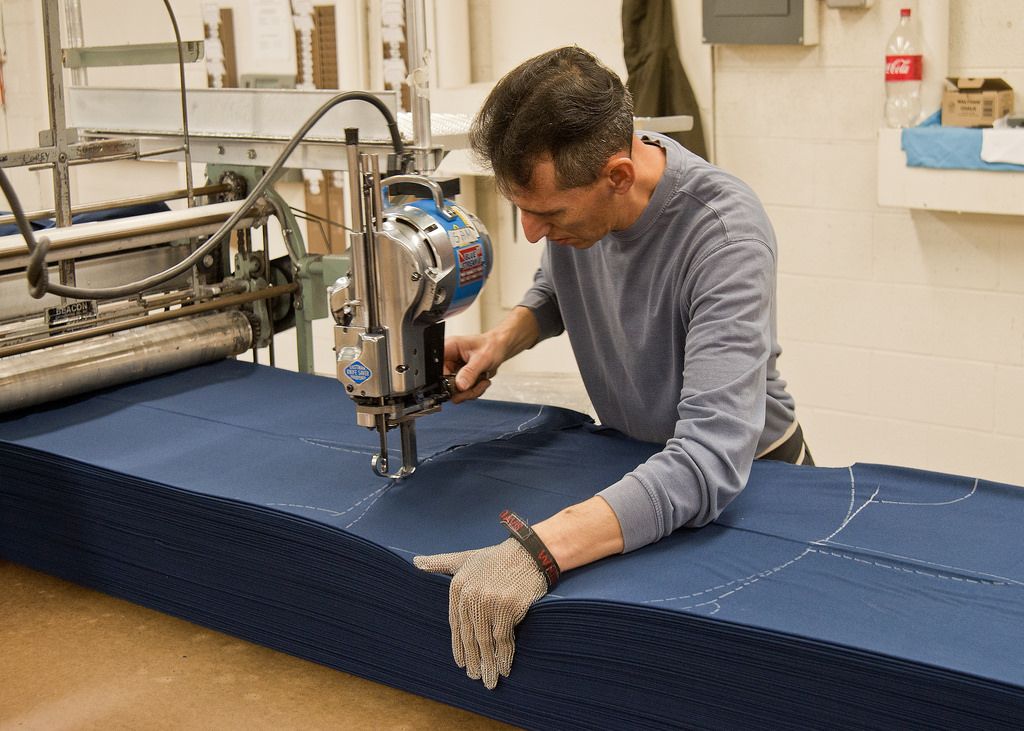
Cutting presents an even starker contrast. Whether cutting 10 pieces or 100, the marker making, fabric spreading and pattern drawing must all be completed once. A cutter’s efficiency per piece is roughly the same for small and large batches, but the per-unit labor cost is nearly ten times higher for tiny runs. Small-batch markers also yield lower fabric utilization — large orders achieve 85% or more through optimized layouts, while small batches may reach only 60-70%, with wasted fabric added to costs.
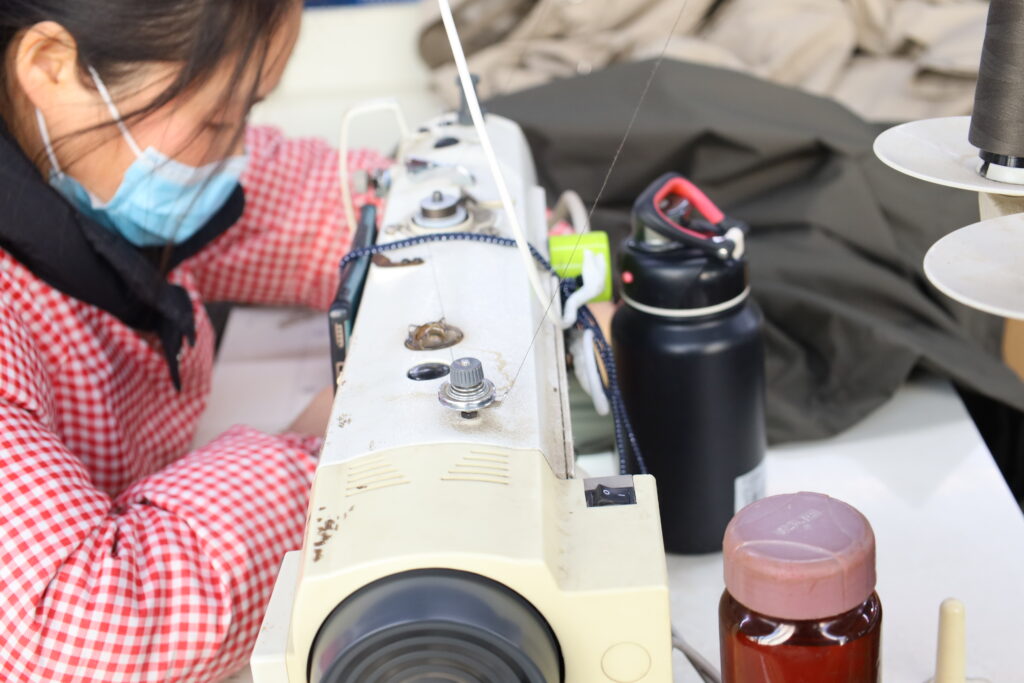
Sewing follows the same pattern. Workers on a production line take time to reach full speed on any given style — the first few pieces are slow with higher error rates, and workers hit their stride only after dozens of pieces. Orders that are too small mean workers never reach peak efficiency before the run ends. Factories calculate that small-order labor costs run 30-50% higher than bulk production.
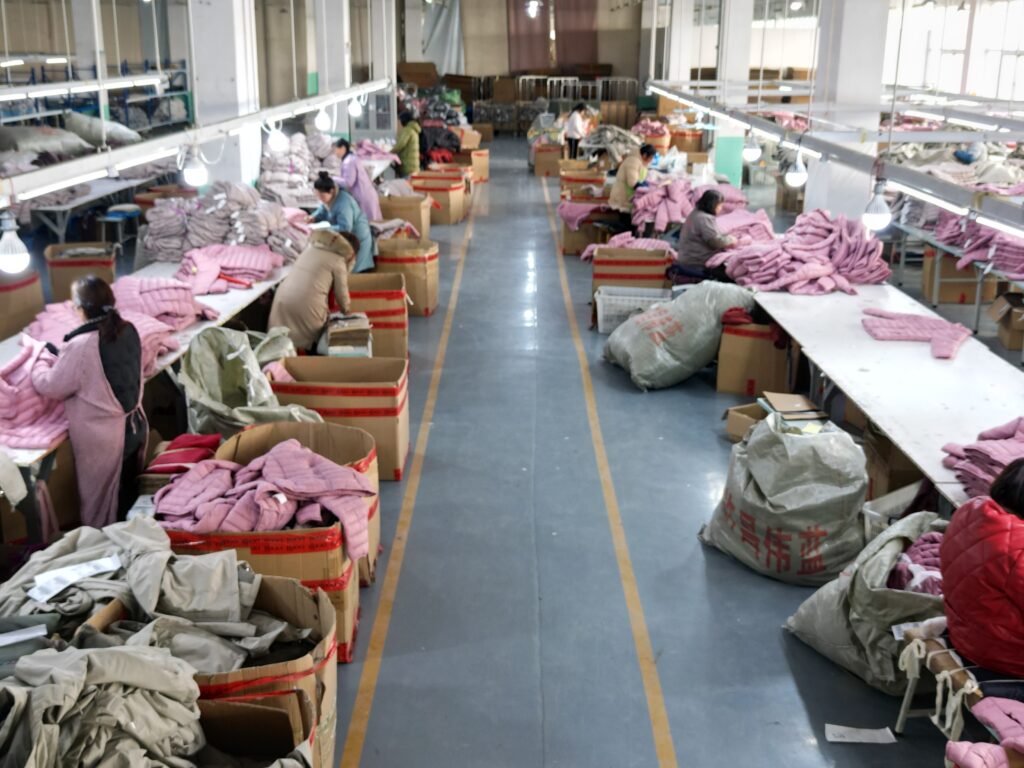
One more overlooked cost: changeover time. Switching a production line from one style to another requires resequencing operations, adjusting equipment and changing threads and needles — anywhere from half a day to a full day of downtime. For a 200-piece order, changeover consumes a large proportion of the total production timeline, representing idle capacity that someone has to pay for.
MOQ isn’t a barrier factories erect to be difficult. Below this threshold, factories either lose money or push unit prices to levels buyers won’t accept. Most garment export factories set reasonable MOQs at 500-1,000 pieces — reflecting minimum fabric and accessory procurement, minimum production line efficiency requirements, and a reasonable fixed-cost absorption point. Below that quantity, it’s not impossible to produce — but the unit price becomes so high that it doesn’t make sense for the buyer either.