
News
What Type of Thread Is Used in Jackets? The Details of Thread Types
When buying jackets, most people focus on fabric, color, and style. Almost no one asks “what thread do you use?” But thread is the most basic “skeleton” of a jacket — connecting every piece of fabric, controlling every seam. Correct thread makes a jacket sewn firmly and worn durably; wrong thread ruins even the best fabric. Understanding thread is a small window into judging a factory’s professionalism.
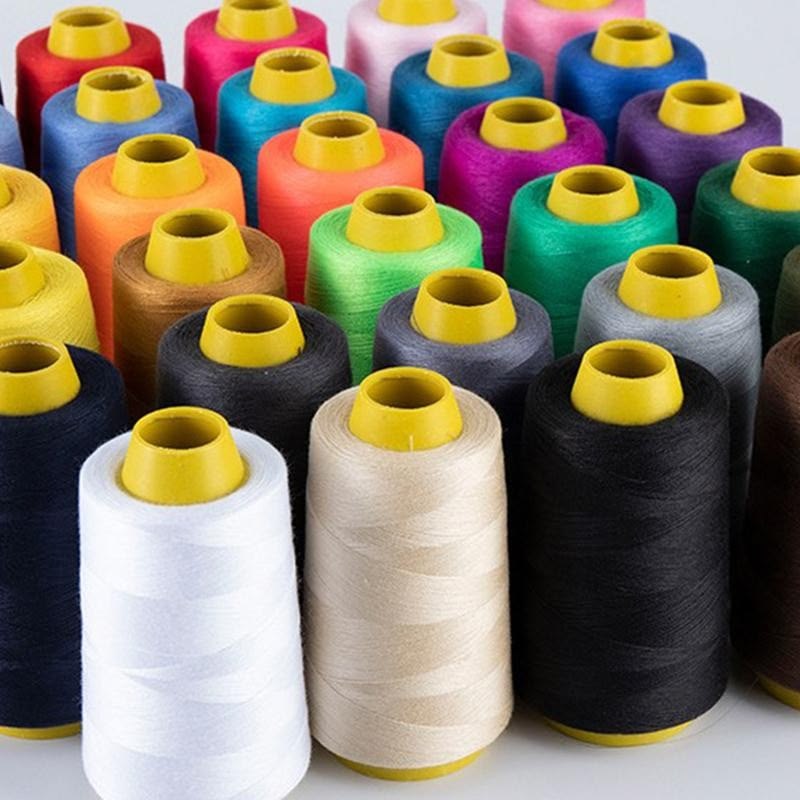
The most commonly used thread in jackets is polyester thread (Polyester Sewing Thread). Polyester thread has high strength, low shrinkage, excellent wear and wash resistance, and moderate cost — it’s the top choice for garment sewing. Polyester thread comes in multifilament and spun versions — multifilament thread has a smooth surface and higher strength, used for high-stress areas like shoulders and armholes; spun thread is softer with better hand feel, used for decorative topstitching. Cotton thread was more commonly used before, but due to low strength, high shrinkage, and water-induced shrinkage, it’s now rarely used in mass jacket production, only as decoration in certain vintage or special styles.
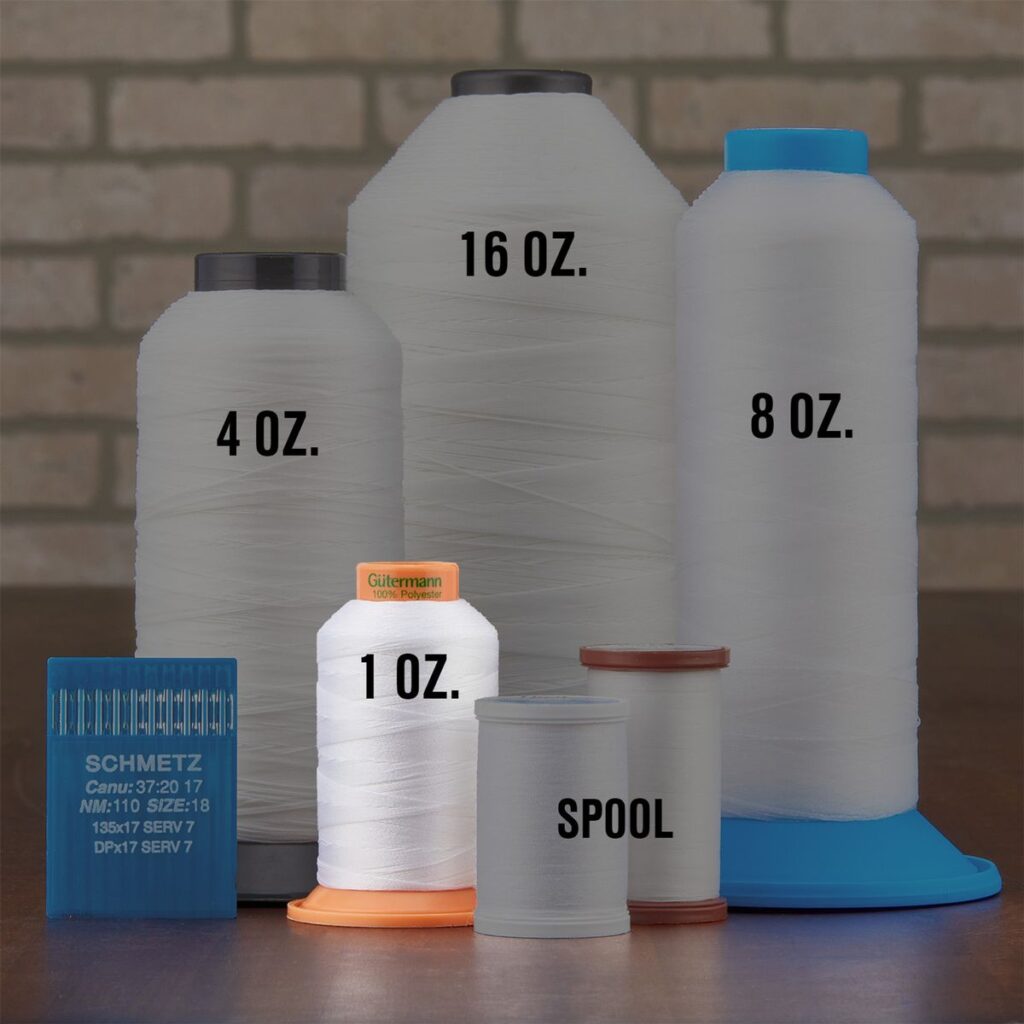
Thread has thickness specifications, professionally expressed as “TEX” or “Ticket Number.” Higher TEX means thicker thread and higher strength. Different parts of jackets use different thread thicknesses: main stress areas like shoulder seams and armholes use TEX60-80 thick thread; ordinary seams use TEX30-40 medium thread; decorative topstitching uses TEX18-24 thin thread. Thicker isn’t always better — excessively thick thread increases fabric bite depth, causing seam depression or fabric wrinkling; too thin thread lacks sufficient strength and easily breaks or pulls out.
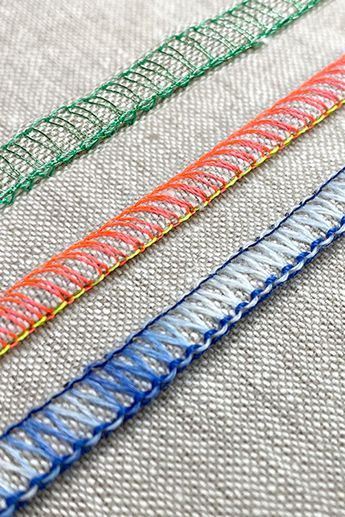
Different processes in jackets use different stitch types. The most basic is lockstitch — one up, one down alternating — used for most join seams. Overlock stitching encircles fabric edges to prevent fraying, used for side seams and sleeve seams that need reinforcement. Bar tacking is repeated back-and-forth stitching for reinforcement, used for pocket tabs and button loops at stress points. Different stitch types must pair with different thread thicknesses and materials — these details directly determine the jacket’s finished quality.
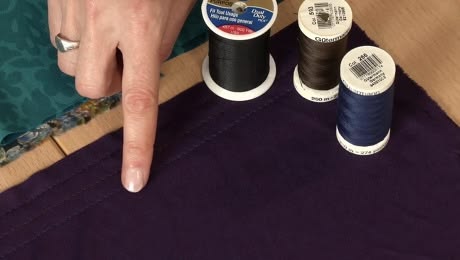
Another consideration is thread color. Thread color is generally one to two shades darker than the fabric color, so stitches hide under the fabric. If the fabric is thin or light-colored, dark thread easily shows through forming a “see-through effect.” Some factories use approximate or unmatched colors to save trouble — no problem in short term, but after washing or stress, it exposes — wrong thread color becomes more prominent after washing, seriously affecting garment grade. Professional practice is matching color samples — letting the client confirm before production.
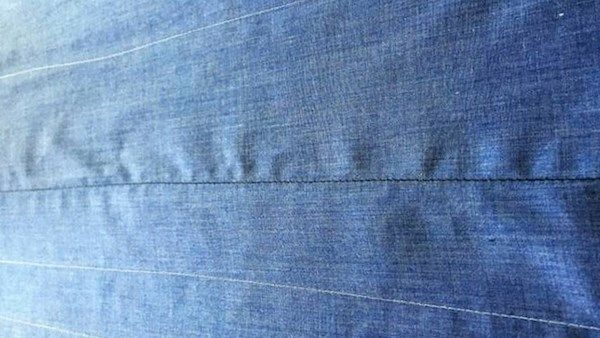
Thread problems are hidden, but once they occur, they’re major problems. Common thread issues include: thread breaking (machine skipping or insufficient thread strength); thread pulling (thread pulled out from needle hole under stress); bleeding (dark thread pigment staining light-colored fabric); uneven shrinkage (high thread shrinkage causing seam puckering). Most problems can be avoided through quality thread selection and proper process parameters.
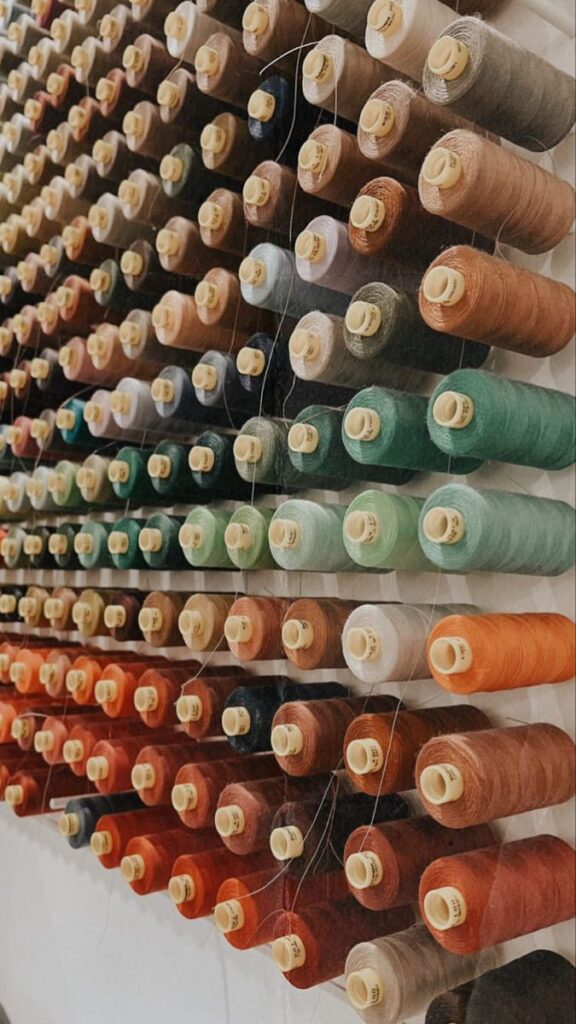
Cciola selects high-grade sewing threads with reliable strength and compliant color fastness .Each order determines threading specifications based upon fabric traits &process requirements ,with technical dept calculating appropriate Tex &stitch pattern coordination :Respective processes deploy matching needlework guaranteeing every seam satisfies tension criteria.
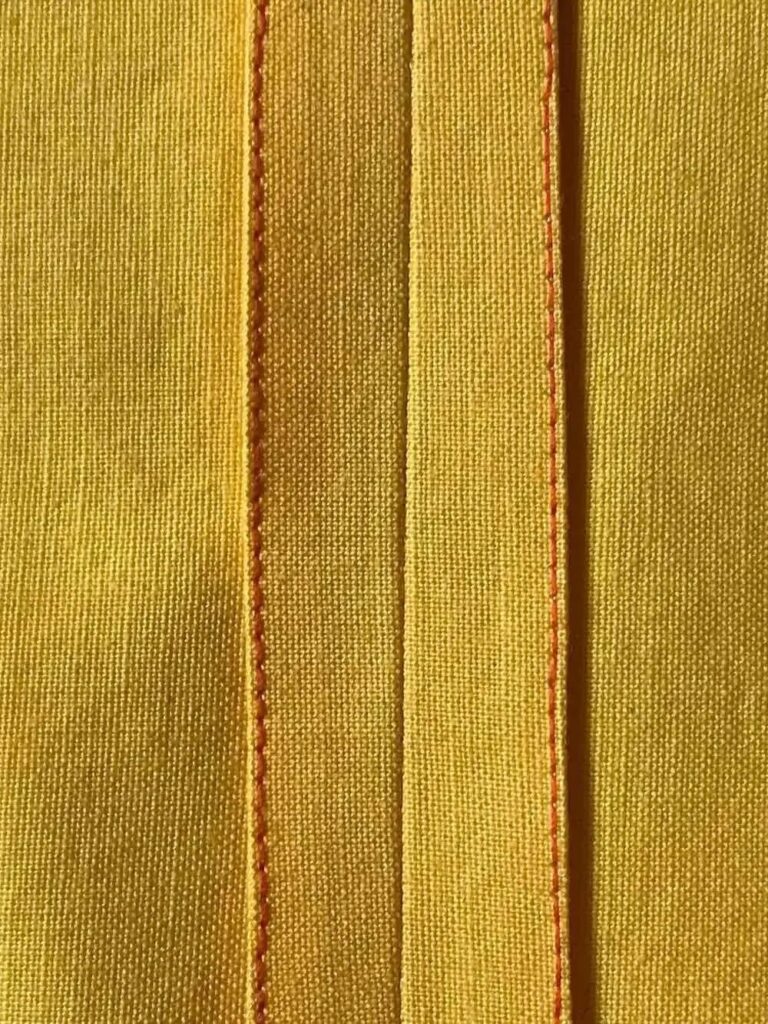
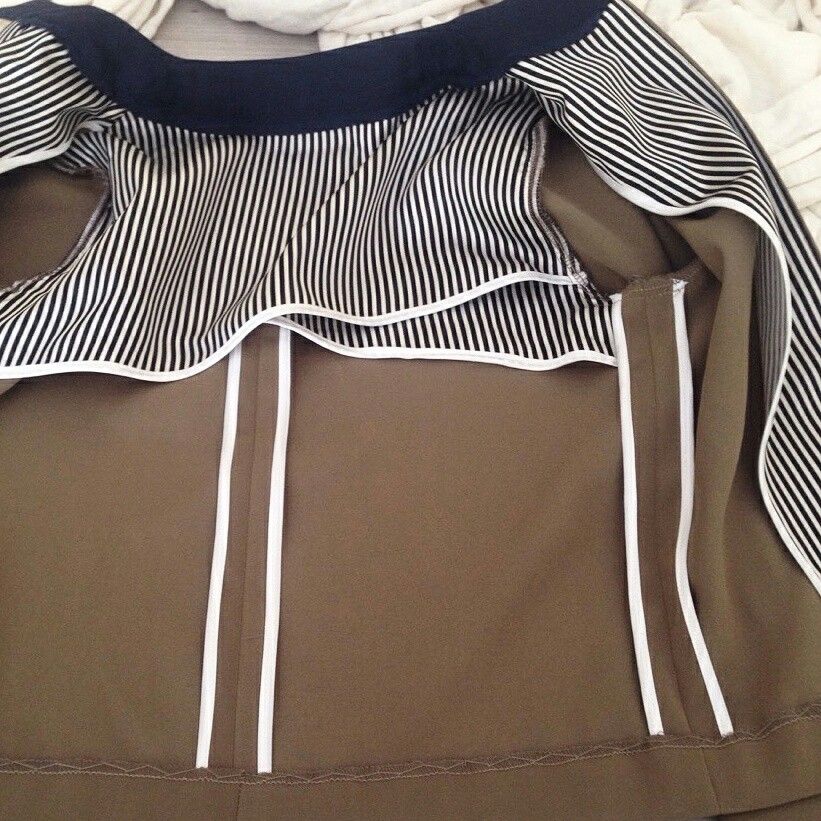
Next time you get a jacket, flip it inside and check the seams. Even, strong, and color-hidden stitches indicate decent craftsmanship; rough, skipped, and color-showing stitches indicate likely poor quality. The unseen places reveal the most truth.