



News
What’s Really Inside Your Padded Jacket?
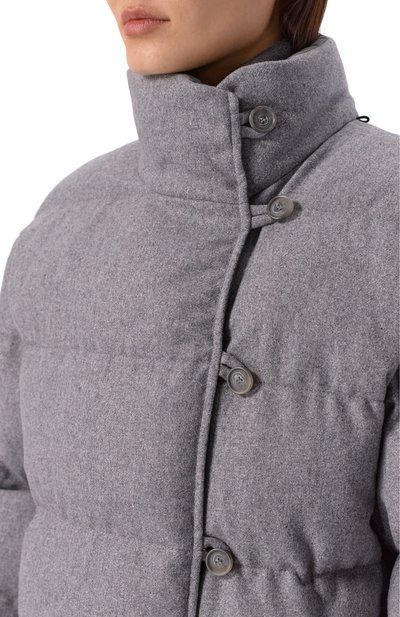
Have you ever cut open a “cotton-padded” jacket and wondered: is this actually cotton? Spoiler alert — probably not. The term “cotton-padded” is a legacy from decades ago when natural cotton was indeed the standard fill. But walk into any factory today, and you’ll find something quite different inside most padded jackets.
Polyester Wadding
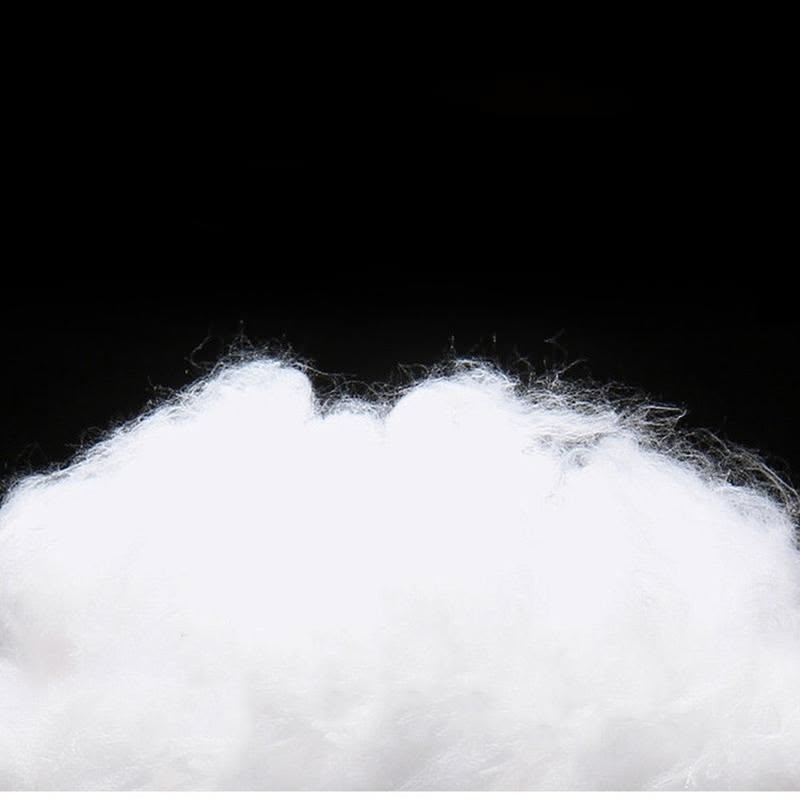
This is the workhorse of the padded jacket world — short polyester fibers bonded together into soft, fluffy sheets. It’s cheap, lightweight, and happily survives trip after trip through the washing machine. The downside? It doesn’t breathe as well as natural materials, and after seasons of compression, it starts to flatten out. But for budget lines and children’s wear that needs constant washing, it’s hard to beat.

3D Hollow Polyester
Think of this as polyester’s more sophisticated cousin. Engineers figured out that if they make the fibers hollow, they trap more air — and trapped air is what keeps you warm. The result is better warmth for less weight, and the fluffiness lasts longer too. It’s the sweet spot for mid-market jackets where customers want something noticeably better without paying premium prices.
Actual Cotton
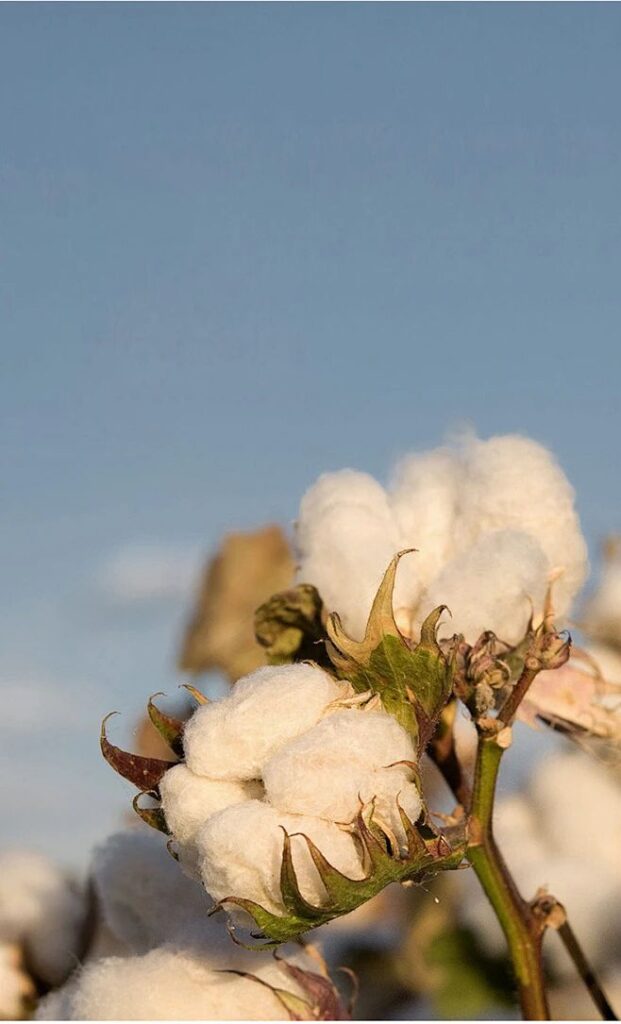
Real cotton still exists in padded jackets, but it’s become a specialty choice rather than the default. It breathes beautifully and feels right to customers who want something natural against their skin. The trouble starts when it gets wet — suddenly it’s heavy, cold, and takes forever to dry. For eco-conscious premium lines or traditional markets, cotton still has its place. Just know what you’re signing up for.
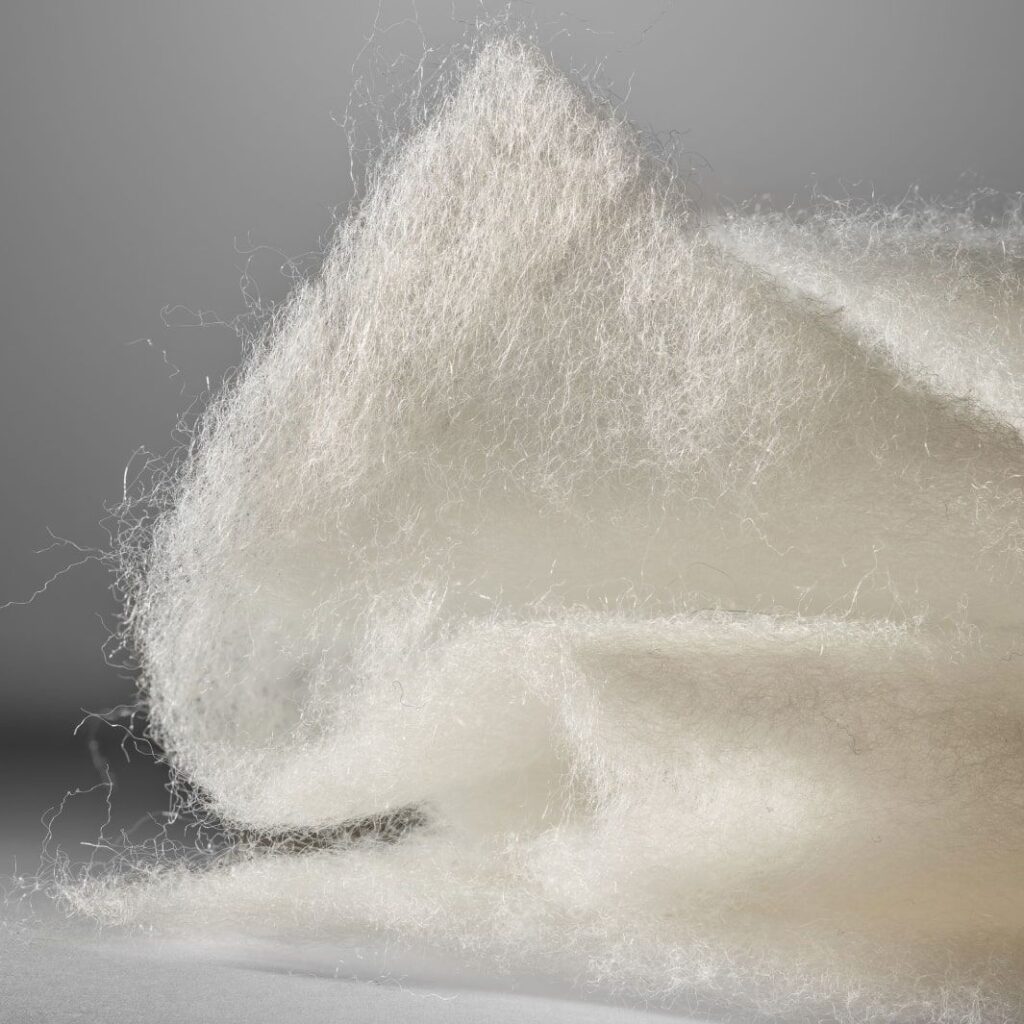
The GSM Question
When suppliers throw around numbers like “120gsm” or “200gsm,” they’re talking about grams per square meter — essentially how much fill is packed in. More grams means more warmth, but also more bulk and cost. Light autumn pieces might use 80gsm, while serious winter coats hit 200gsm or above. Always ask whether that number covers just the body or includes the sleeves too — some manufacturers get creative with their math.
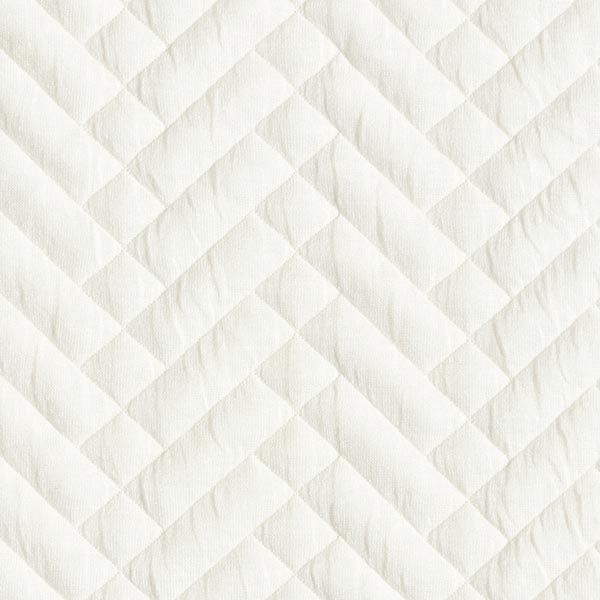
How It’s Stitched
The quilting pattern isn’t just decoration — it controls how the fill behaves. Diamond quilting is classic and keeps everything evenly distributed. Horizontal channels look clean but let the fill slowly sink to the bottom over time. Box wall construction creates little three-dimensional chambers that hold the fill proud and lofty, though it’s more expensive to make. And simple sewn-through stitching saves weight but leaves cold spots at every seam.

The “Eco” Options
Recycled polyester made from plastic bottles. Plant-based fibers with fancy brand names. Organic cotton grown without pesticides. These all exist and they all cost more — usually twenty to forty percent more. The real question isn’t whether they’re better for the planet, but whether your end customers will pay the premium, or if you’d rather tell a sustainability story about durability and longevity instead.
What to Ask
Don’t just ask “what’s the fill?” Ask for the exact material and GSM for body and sleeves separately. Ask if you can get a sample to test how well it bounces back after compression. Ask whether it’s been treated for water resistance. A professional supplier will have these answers ready. If they don’t, that’s information too.
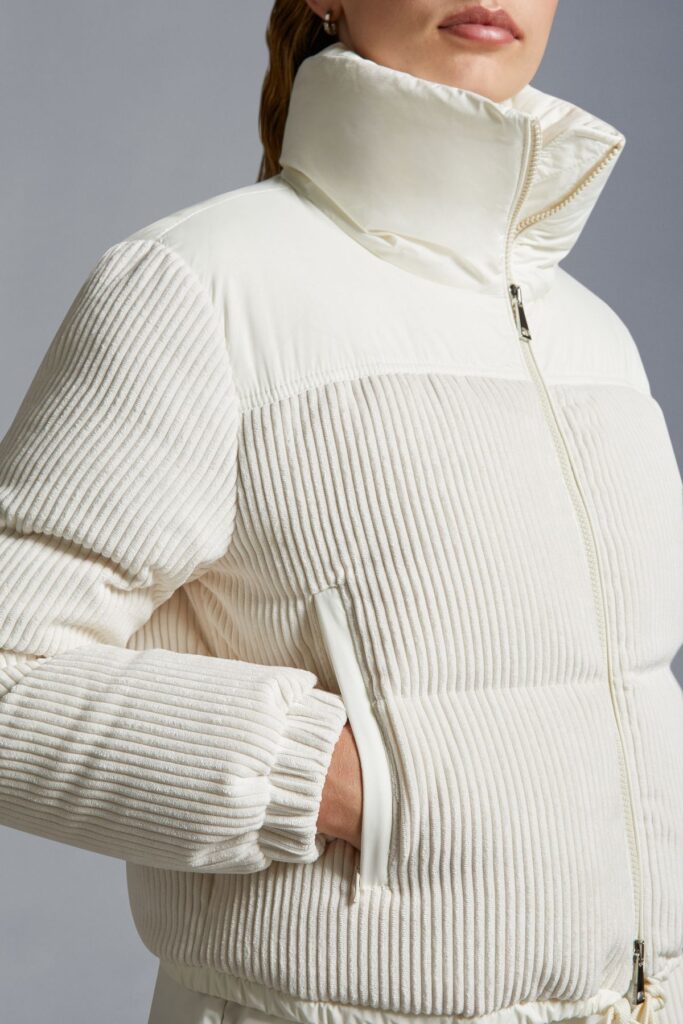
Choosing for Your Market
Budget-conscious customers? Standard polyester wadding does the job. Quality seekers who notice the difference? 3D hollow polyester hits the mark. Eco-premium buyers with money to spend? Recycled or organic options tell the right story. Outdoor performance brands? Branded synthetics give you technical credibility. There’s no universal best — only what’s best for who you’re selling to.