

Sustainable Jackets: What ‘Eco-Friendly Manufacturing’ Actually Means in Practice
 Sustainable Jackets: What “Eco-Friendly Manufacturing” Actually Means in Practice “Sustainable.” “Eco-friendly.” “Green manufacturing.” These words appear on more and more brand websites every year. But what do they actually mean when it comes to how your jacket is made? And how can buyers tell the difference between genuine commitment and empty marketing? Here’s a plain-English breakdown of what eco-friendly jacket manufacturing looks like in practice. — ## 1. It Starts With the Fabric The most direct environmental impact in jacket production comes from materials. Genuinely sustainable sourcing means: – Recycled fabrics — polyester made from post-consumer plastic bottles (rPET) is now widely available and performs comparably to virgin polyester

- Certified natural fibers — organic cotton, responsible wool (RWS-certified), or sustainably sourced down (RDS-certified)
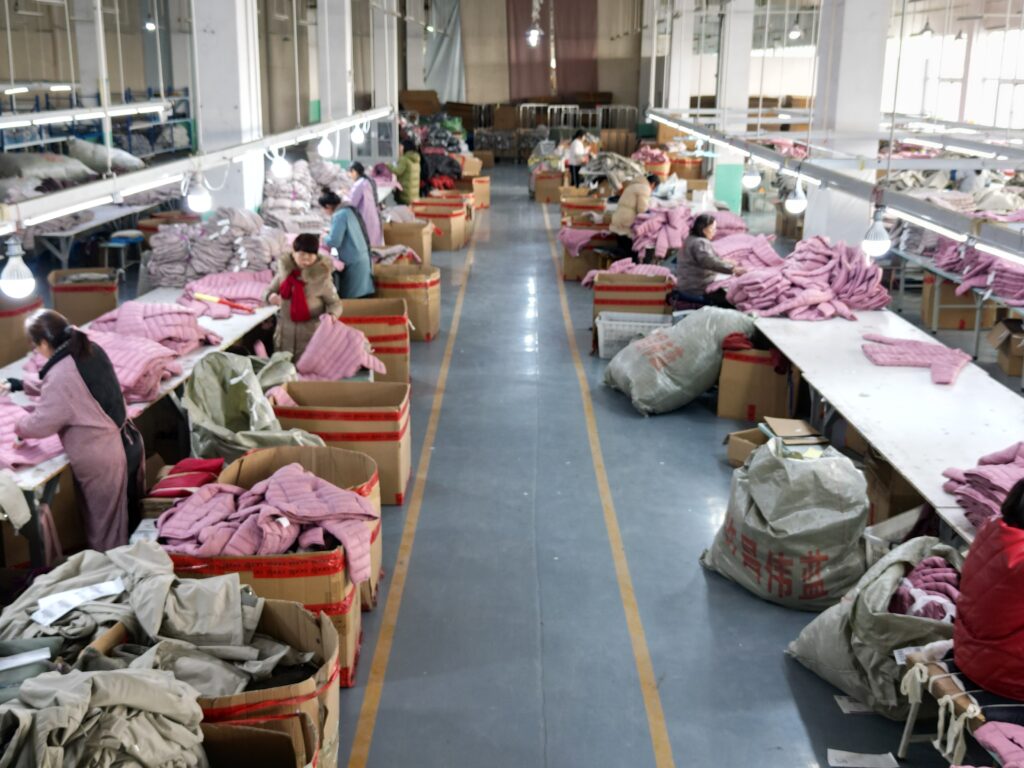
- Low-impact dyes — conventional dyeing is one of the most water-intensive processes in apparel; low-impact or waterless dyeing technologies significantly reduce this footprint What it’s not: slapping a “natural fiber” label on a product without any third-party verification. — ## 2. Chemical Safety Is Non-Negotiable Eco-friendly manufacturing means keeping harmful chemicals out of the product — and out of the waterways near the factory. OEKO-TEX® Standard 100 certification is the clearest signal here. It tests the finished garment for over 100 harmful substances, including pesticides, heavy metals, and formaldehyde. If a jacket carries this certification, it’s been independently verified as safe for the wearer and produced with responsible chemical management. — ## 3. Fair Labor Is Part of Sustainability Environmental sustainability and social sustainability go hand in hand. A factory that cuts costs by overworking employees or ignoring safety standards isn’t a sustainable operation — regardless of what materials it uses. BSCI (Business Social Compliance Initiative) audits cover working hours, wages, health and safety, and management practices. For buyers selling to European retailers especially, BSCI compliance is increasingly a baseline requirement, not a bonus. — ## 4. Waste Reduction in Production Responsible factories look for ways to minimize waste at every stage: – Efficient pattern cutting to reduce fabric offcuts default
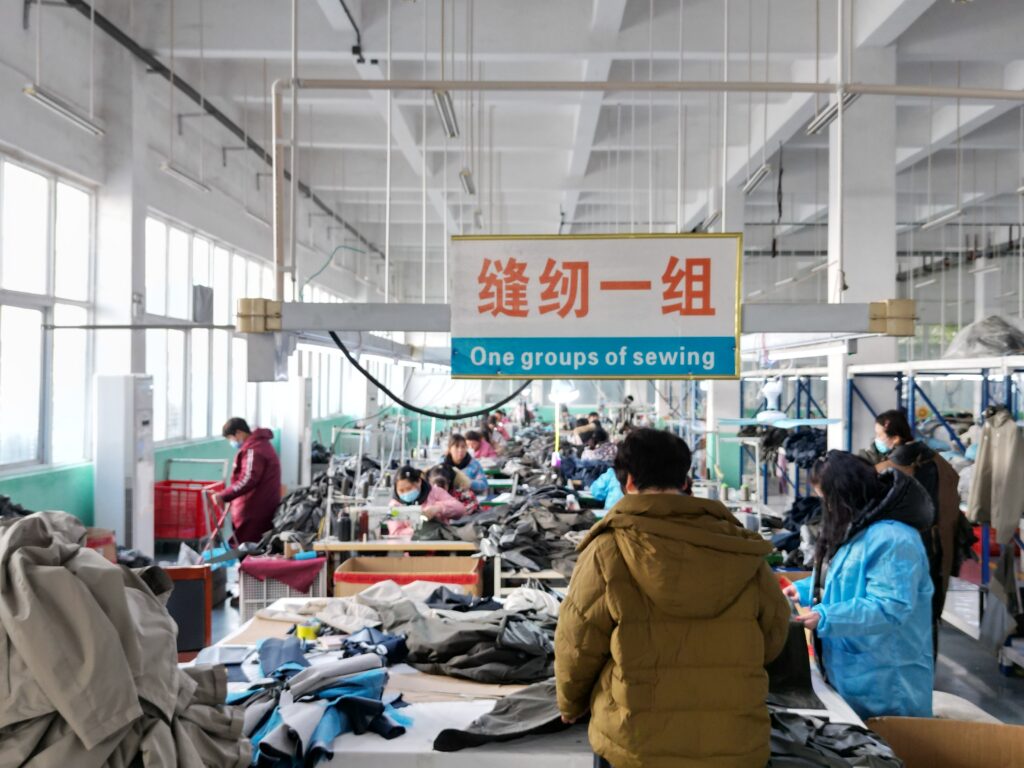
- Recycling or repurposing production waste where possible
-
default
- Packaging choices — reducing single-use plastic in poly bags and shipping materials Small changes across thousands of units add up to meaningful impact. — ## 5. What to Ask Your Manufacturer If sustainability matters to your brand, here are the right questions to ask any potential supplier: – What certifications do you hold? (OEKO-TEX®, BSCI, GRS for recycled content)
- Can you source recycled or certified fabrics?
- How do you handle production waste and wastewater?

- Do you have documentation to back up your claims? A manufacturer with genuine commitment answers these questions readily and with documentation. Vague answers or resistance to sharing certificates is a clear signal. — ## The Bottom Line Eco-friendly manufacturing isn’t a single feature — it’s a combination of material choices, chemical safety, labor practices, and waste management. For buyers building sustainable brands, the key is looking beyond marketing language and asking for verifiable proof. At Cciola, we hold OEKO-TEX® and BSCI certifications and are happy to share full documentation with any prospective buyer. If sustainability is a priority for your brand, let’s talk.