


Новости
Jacket & Coat Quality Standards Every European & American Buyer Should Know: From Fabric GSM to Sewing Craftsmanship
Published by Henan Cciola I./E. Trading Co., Ltd. | B2B Garment Sourcing Insights
When sourcing jackets and coats from China, European and American buyers face a common challenge: how do you ensure the product you receive matches the quality you specified? With thousands of factories competing on price, quality differentiation often comes down to a handful of measurable, verifiable standards — from fabric weight and fiber composition to stitch density and zipper pull strength.
This guide breaks down the key quality benchmarks that experienced buyers use to evaluate outerwear, helping you ask the right questions, write tighter specs, and avoid costly surprises at the inspection stage.
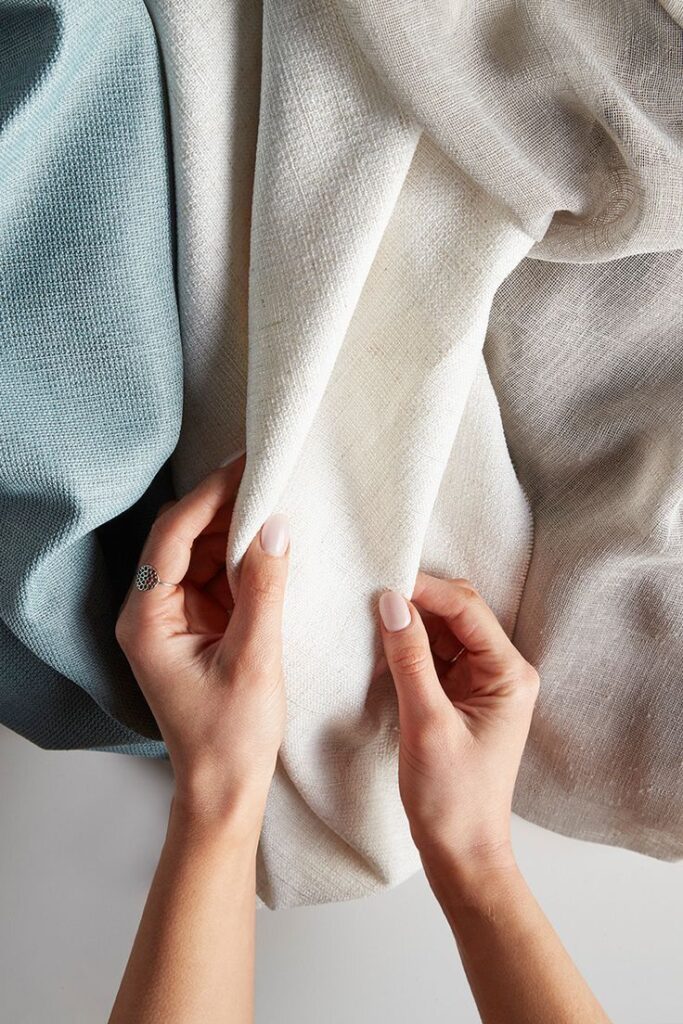
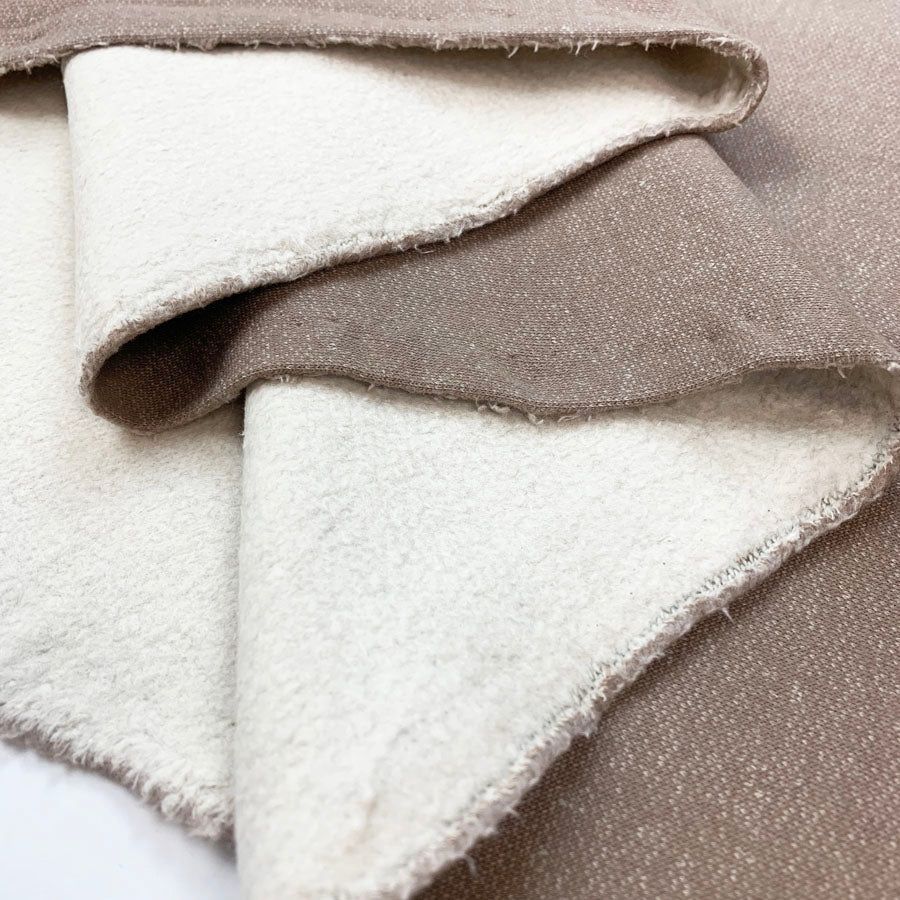
1. Fabric GSM Standards: Matching Weight to Season and End Use
GSM (grams per square meter) is one of the most fundamental fabric metrics in outerwear sourcing. It directly affects warmth, drape, durability, and perceived quality.
| Garment Type | Season / Use | Recommended GSM Range |
|---|---|---|
| Lightweight jacket | Spring / Summer | 120–180 gsm |
| Mid-weight jacket | Autumn / transitional | 200–280 gsm |
| Heavy outerwear / coat | Winter | 300–450 gsm |
| Padded jacket (shell fabric) | Winter | 80–150 gsm (shell only) |
| Workwear / functional jacket | Year-round | 240–350 gsm |
Buyer tip: Always request a fabric data sheet from your supplier confirming GSM. GSM should be tested per ISO 3801 or ASTM D3776 standards. A variance of ±5% is generally acceptable; anything beyond that warrants re-testing.
2. Fabric Composition and Quality Identification
Fabric Type Key Advantages Key Disadvantages Market Preference 100% Cotton Breathable, natural, sustainable Shrinkage if not pre-shrunk High — especially EU & premium Poly-Cotton Blend Wrinkle-resistant, stable, affordable Less breathable High — mid-range casual 100% Polyester / Nylon Durable, water-resistant, colorfast Less skin-friendly Wide — outdoor & performance Recycled Fabrics (rPET) Eco-friendly, sustainability claim Needs certification (GRS) Growing rapidly in EU Verification: Request a fiber composition test report from an accredited laboratory. Burn tests and visual inspection are useful on-site checks, but lab testing (per ISO 1833 or AATCC 20A) is the only reliable method for compliance and customs documentation.
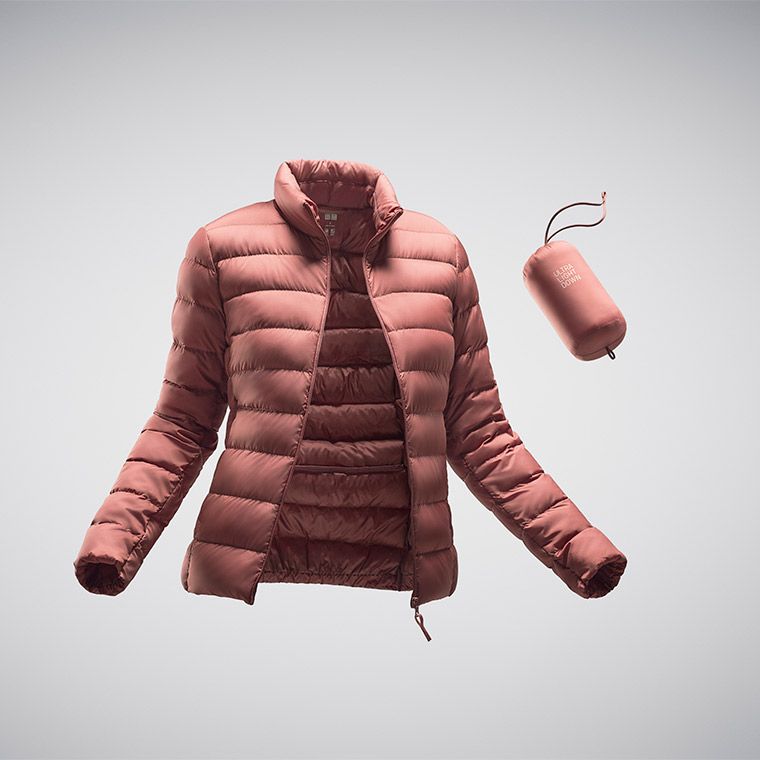
3. Filling Standards for Padded and Quilted Garments
Filling Type Key Quality Metric Typical Specification Cotton wadding Weight per sqm, loft, uniformity 80–200 g/sqm depending on warmth level Polyester fiberfill Fill weight, loft retention, clumping resistance 100–300 g/sqm; 3D hollow fiber preferred Down alternative (microfiber) Thermal resistance (CLO value), fill power equivalent Varies by product tier For cotton-padded jackets:
- Fill weight uniformity is critical — uneven distribution creates cold spots
- Loft retention after washing should be tested; quality filling should recover to at least 80% of original loft within 30 seconds
- Quilting stitch pattern — diamond or box quilting with stitch spacing ≤5 cm prevents shifting.
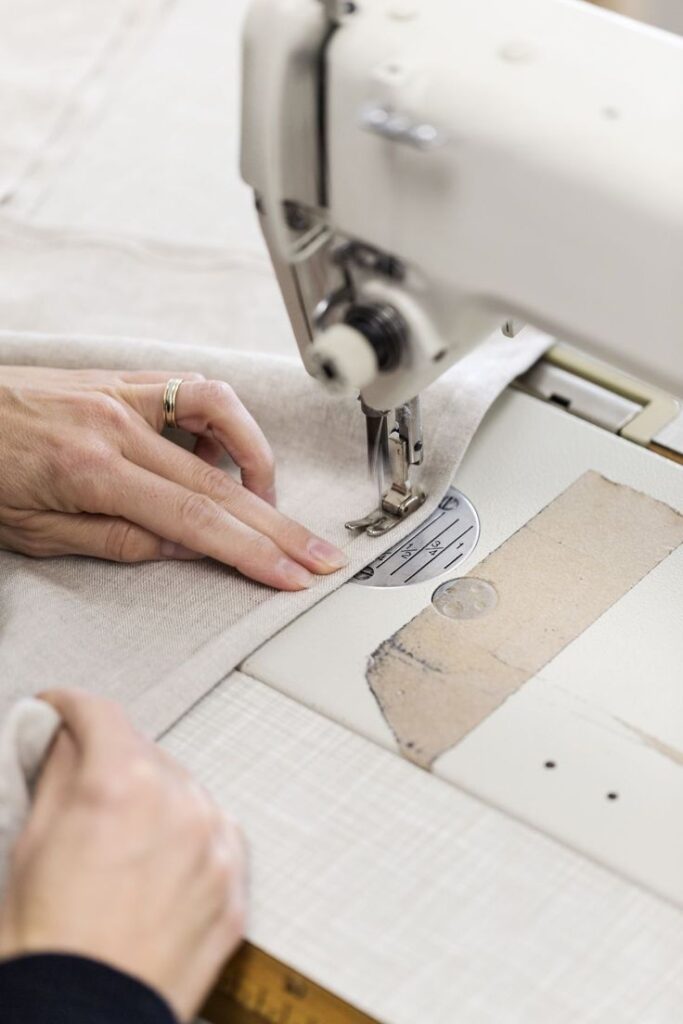
4. Sewing Craftsmanship: The Details That Define DurabilityStitch Count (Stitches Per Inch / SPI)
Seam Type Recommended SPI General body seams 10–12 SPI Stress points (armhole, crotch, pocket corners) 12–14 SPI Topstitching / decorative stitching 8–10 SPI Bartack reinforcement 42+ stitches per bartack Key Sewing Quality Checkpoints
- Seam strength: Minimum 200 N for general seams; 300 N+ for stress seams (ISO 13935)
- Seam slippage resistance: Test per ISO 13936 — critical for woven fabrics
- Bartack placement: All pocket openings, belt loops, and zipper ends should be bartacked
- Lockstitch at seam ends: All seam starts and ends must be secured with 3–4 reverse stitches
- Thread tension: Consistent tension — uneven causes puckering or loose loops
- Seam allowance: Minimum 1 cm for general seams; 1.5 cm for stress seams
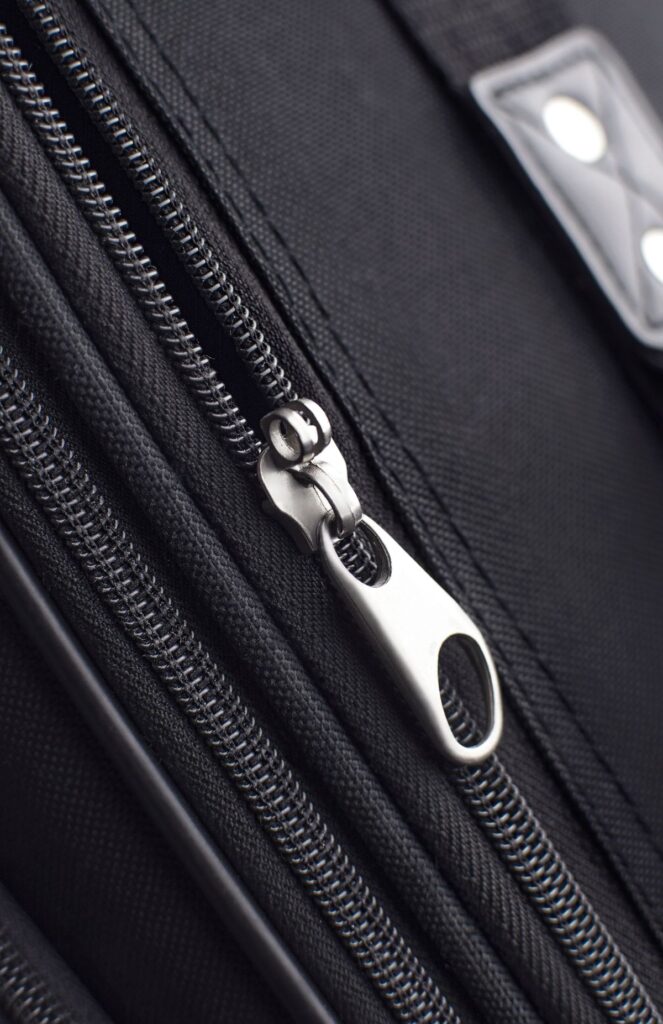
5. Hardware Accessories: Zippers, Buttons, and VelcroZipper Specifications
Parameter Standard Requirement Zipper size #3 for lightweight; #5 for standard; #8–#10 for heavy-duty Pull force ≤25 N for smooth operation Slider retention force ≥50 N Corrosion resistance Salt spray test: 24h minimum (ISO 9227) Cycle durability Minimum 500 open/close cycles Button and Velcro Specifications
- Button shank strength: ≥90 N pull force (EN 71-3 / ASTM F963 for children’s wear; ≥70 N for adult)
- Snap fastener closure force: 15–35 N
- Velcro peel strength: ≥3 N/cm width
- Velcro shear strength: ≥10 N/cm²
- Velcro cycle durability: Minimum 5,000 open/close cycles
6. European & American QC Standards and Inspection ChecklistKey Regulatory Frameworks
Market Regulation / Standard Key Requirements European Union REACH Regulation Restricts hazardous substances (azo dyes, formaldehyde, heavy metals) European Union EN ISO 105 series Color fastness (washing, rubbing, light) European Union Oeko-Tex Standard 100 Harmful substance limits — market expectation United States CPSC / CPSIA Mandatory for children’s wear; flammability (16 CFR Part 1610) United States CA Prop 65 Chemical disclosure requirements Global ISO 9001 Quality management system certification Pre-Shipment Inspection Checklist
Appearance & Measurements
- Dimensions within ±1 cm of approved spec sheet
- Symmetry of collar, pockets, and panels
- No visible stains, snags, holes, or uneven dyeing
- Correct label placement and content
Construction
- Stitch count within spec at 3 random points per seam
- All bartacks present and secure
- Seam allowances consistent
- Lining attached correctly with no pulling
Hardware
- Zipper opens and closes smoothly for 10 cycles
- All buttons/snaps secure (manual pull test)
- Velcro alignment and adhesion
Filling (padded garments)
- Fill weight within ±5% of spec
- No cold spots or uneven distribution
- Quilting stitch integrity
Compliance
- Fiber content label matches test report
- Care label instructions accurate
- No restricted substances (request test report)
Recommendation: Engage a qualified third-party inspection agency to conduct AQL 2.5 inspections before shipment. For new suppliers, consider inline inspections at 30–50% production completion.
default
7. Sourcing Advice: Working Effectively with Chinese Suppliers
Before You Place an Order:
- Request a factory audit report — look for BSCI, ISO 9001, or equivalent as a baseline
- Specify everything in writing — fabric GSM, composition, filling weight, hardware specs, stitch count
- Order pre-production samples (PP samples) — never approve bulk based on a sales sample alone
- Clarify MOQ and lead times upfront — confirm whether the factory is producing directly or subcontracting
During Production:
- Request fabric test reports before cutting begins
- Schedule a mid-production inspection for orders over 500 units
- Confirm trim and hardware approvals before attachment
Red Flags to Watch:
- Supplier refuses to provide samples before production
- Quote significantly below market average (usually indicates substandard materials)
- No third-party certifications or audit history
- Communication gaps or delayed responses during negotiation
ConclusionQuality in outerwear is not a single checkpoint — it is a chain of decisions, from the fiber composition and fabric weight you specify, to the stitch count on every seam and the pull strength of every zipper. Each detail matters.
Henan Cciola I./E. Trading Co., Ltd. has served the European and American garment market for over 20 years. With ISO 9001, BSCI, and Oeko-Tex certifications, we provide end-to-end OEM/ODM services — from product development and fabric sourcing to mass production and quality inspection.
Looking for a reliable cotton jacket and coat supplier? Contact us through cciola-fashion.com. Our team is ready to support your next sourcing project with professional service and consistent quality.
Henan Cciola I./E. Trading Co., Ltd. | cciola-fashion.com | 20+ Years in European & American Outerwear