



Notícias
What Your Chinese Factory Wishes You Knew But Is Too Polite to Say
Working with a Chinese factory can feel like a relationship — full of hope, occasional misunderstandings, and a lot of “it’s complicated.” But unlike your last breakup, this one actually comes with a manual. We just never gave it to you. So here it is: everything we’ve been thinking, nodding along to in meetings, but never quite saying out loud.
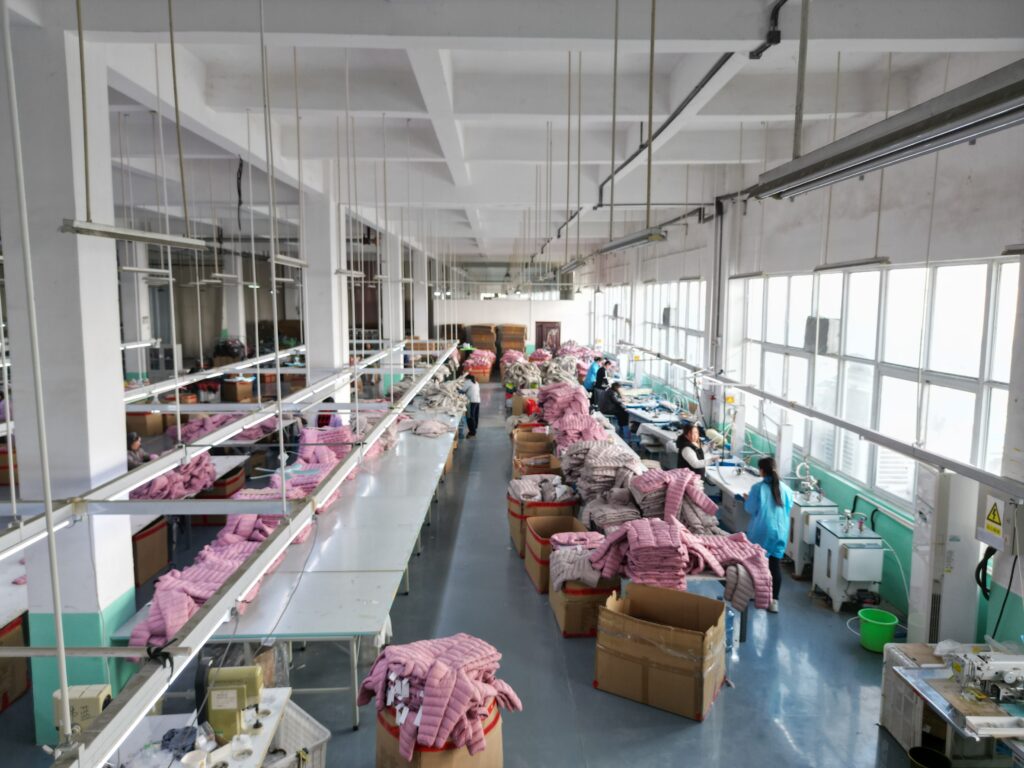
We quoted you 45 days. The factory can actually do it in 30. But we’ve learned — through painful experience — that you’ll change your mind about something around Day 25. Maybe it’s the zipper color. Maybe it’s the label placement. Maybe it’s something you swore was “absolutely final” during the sample confirmation. So we plan for the chaos, absorb the changes, and quietly adjust. Then you wonder why the order was “delayed” — but it wasn’t. We just ate the margin so you didn’t have to eat the stress.
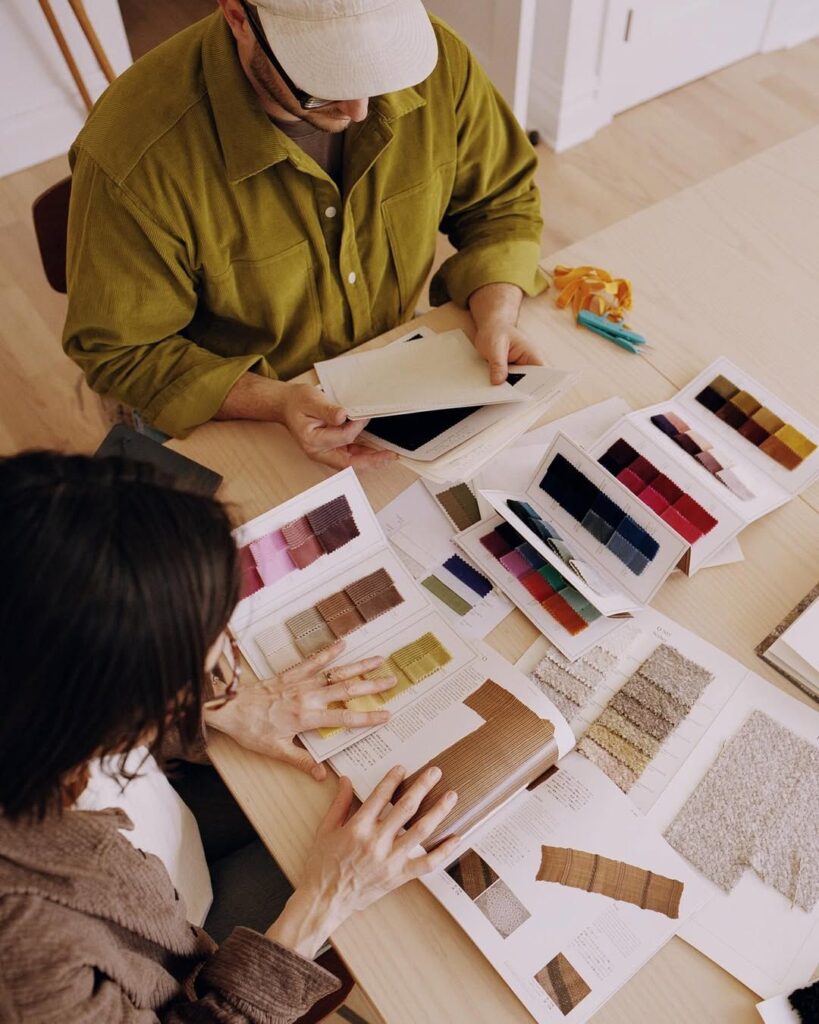
You sent us the tech pack on Monday. By Wednesday, the logo changed. By Friday, the zipper color changed. By next Monday — surprise — you want a different lining. We love your passion, we really do. Creative vision is what makes your brand unique. But here’s the thing: every change after the sample is approved has a domino effect on fabric cutting, production lines, and delivery dates. The factory floor doesn’t work in Photoshop. They work in physical materials that have already been cut, sewn, and queued. So here’s a pro tip: freeze your design before bulk production starts. Your factory — and your wallet — will thank you.
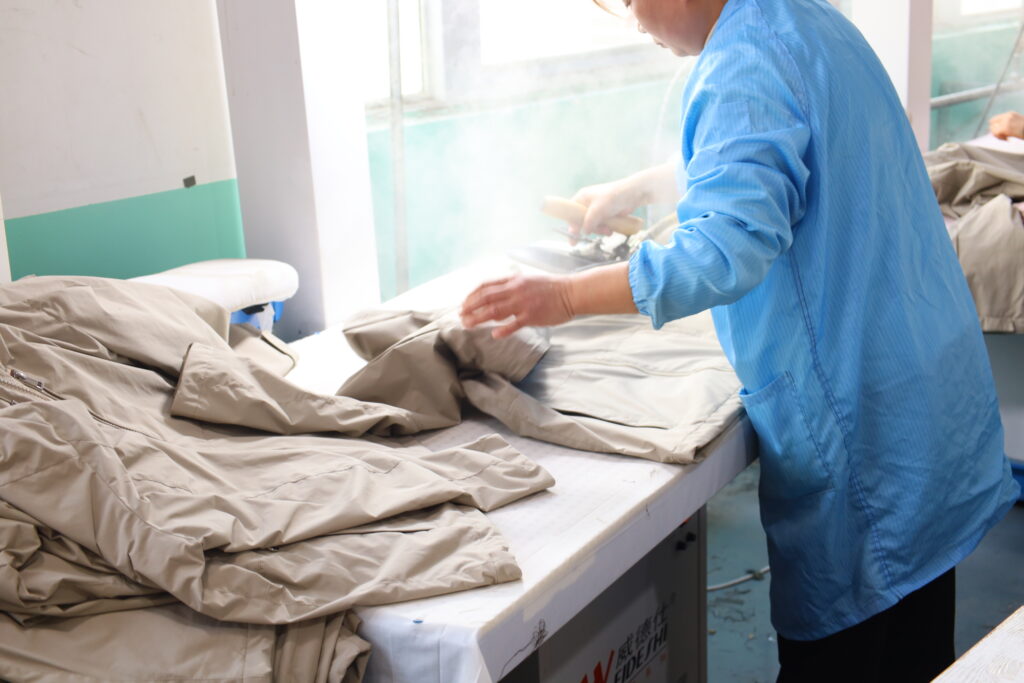
When you ask us to add waterproof zippers, reflective piping, recycled fabric fill, AND custom embroidery on a $12 jacket… we’ll say yes. Because that’s what we do. We figure it out. We’ll find a way to make it work. But inside, we’re doing the math and wondering if you’ve talked to your end customer about the $28 retail price this jacket will eventually need to hit. Good factories don’t just blindly say yes — the best ones will honestly tell you when an idea doesn’t make financial sense. That’s not a rejection. That’s a partner trying to protect your margins. Listen to them.
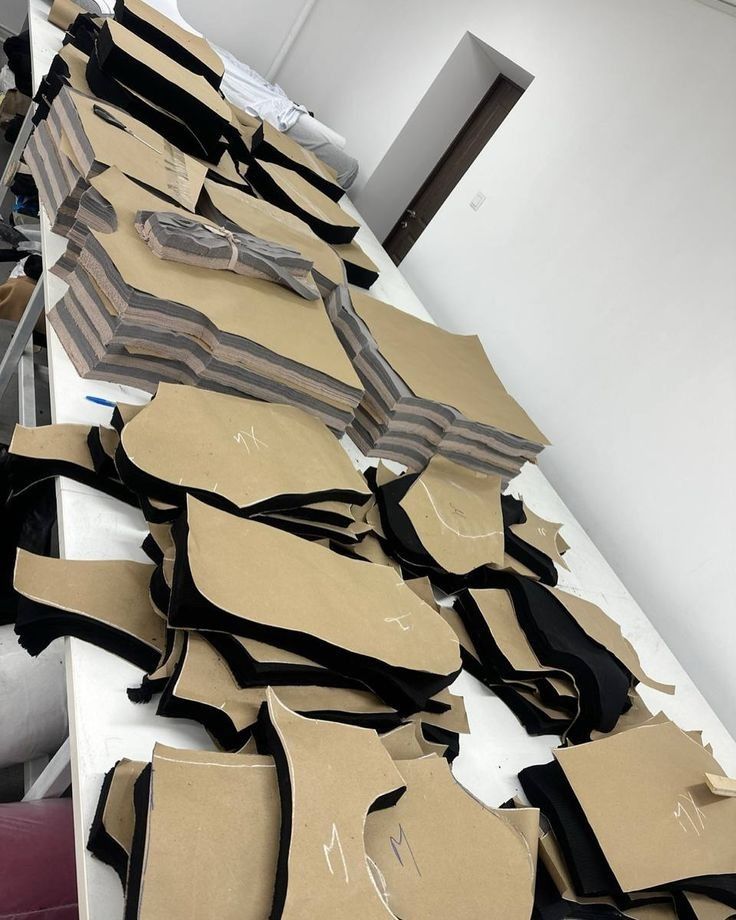
Can you do 200 pieces instead of 500?” We hear this every day. And honestly? We can. But here’s what happens behind the scenes: the fabric mill has a minimum order too (usually 1,000 meters), our cutting table is set up for efficiency at 500 pieces and above, and the cost per unit goes up significantly at lower quantities — which means your margin goes down. We’d rather turn down a 200-piece order than deliver a product where corners were cut to make it work. Your brand reputation is worth more to us than one small order. Think of MOQ not as a wall, but as the threshold where quality and economics align perfectly.

A 3-page email with 47 bullet points feels thorough to you. To us, it feels like a homework assignment we need to decode before we can even start working. Meanwhile, a 10-minute WeChat call with a few sketches? That’s clarity. We’re not asking you to learn Chinese. We’re asking you to send one clear human being who can make decisions — not a committee that takes 5 business days to reply to a simple question. The brands we love working with the most have one person who picks up the phone, makes calls, and owns the project from start to finish. That’s it. Simple, fast, human. Everything else is just noise.
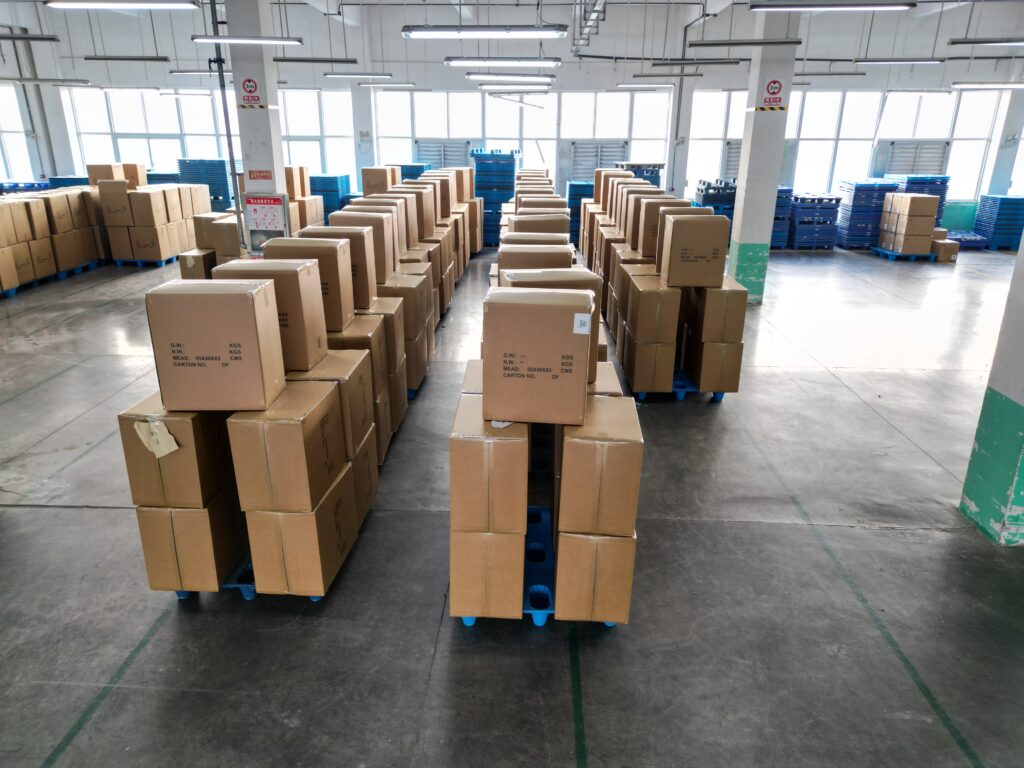
There’s a persistent myth that Chinese factories just want volume and don’t care about quality. Here’s the truth: a happy repeat customer is worth ten one-time orders. When your jacket arrives in Europe and the customer reviews are glowing — we celebrate too. When there’s a quality issue and you’re furious — we lose sleep over it. We check the same reviews you check. We read the same complaints. We take it personally, because our name is sewn into every seam just as much as yours is printed on the label. We want you to succeed not because we’re noble — but because your success is literally our business model. Every great product you ship is our best advertisement.

The best buyer-factory relationships aren’t built on politeness — they’re built on honesty, transparency, and a shared goal: making something great together. Next time you work with your Chinese factory, try this: be upfront about your budget and timeline. Freeze your design before production starts. Ask your factory for honest feedback, not just “yes or no.” Send one person who can make decisions. And trust that your factory wants you to succeed — because they really, truly do.