



Notícias
Own Factory vs. Pure Trading Company: Which Is the Smarter Choice?
When you first start sourcing garment suppliers in China, you’ll likely encounter two types of partners: manufacturers with their own production facilities, and trading companies that act as intermediaries without any factory of their own. Both can supply you with products, but the risks, accountability, and quality control capabilities behind them are worlds apart.
What Is a Pure Trading Company?
A pure trading company — or intermediary — is an organization without its own production facility. Their workflow typically looks like this: receive an order and design requirements from you, find a contract manufacturer’s quote, outsource the order to that factory, and pocket the margin in between.
The perceived advantages are real: lower overhead without factory or equipment investment, greater operational flexibility, and theoretically access to a wider range of supplier resources.
This sounds appealing in theory — but that’s exactly where the problems begin.
What’s Hiding Behind the Price?
When you receive a quote from a trading company, you might think you’re getting a factory price — but you’re not. That quote already includes a margin. When the trading company sources from their contract factory, the factory adds its own margin on top. Two layers of profit stacked together mean the final price is often 10% to 30% higher than going directly to a factory.
More critically, when prices need to come down, the trading company has only one lever: squeeze the factory’s margin. A factory with squeezed margins will either cut corners on quality, delay delivery, or add unexpected charges mid-production. In every scenario, you — the buyer — end up paying the price.
When Something Goes Wrong, Who’s Responsible?
This is the most fundamental difference between the two types of companies.
A trading company has no production line of its own. Quality control means sending someone to “supervise” the contract factory — but if they’re not on-site, there’s no real guarantee of oversight. When a quality issue arises in bulk production, the trading company’s response is typically to mediate, coordinate, and nudge on your behalf. Whether it gets resolved and how quickly — there are no guarantees.
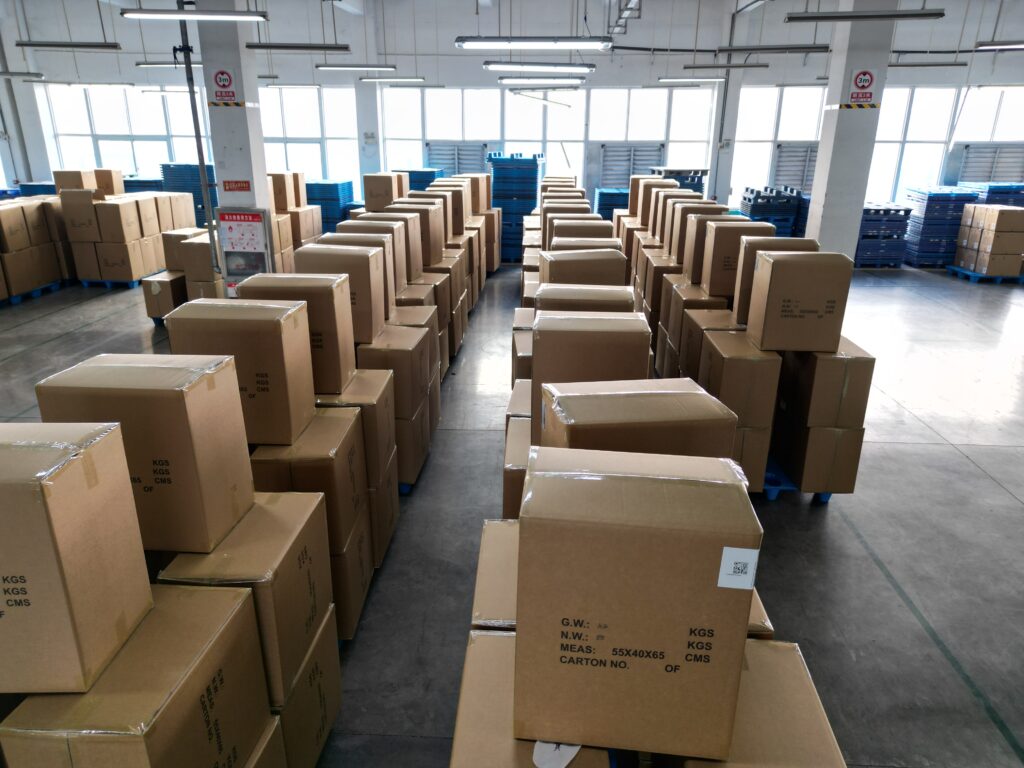
With an own factory, it’s different. When quality problems occur, the responsibility lies with your own workers, your own equipment, your own production line. The accountable party is right there on the premises, able to respond within 24 hours, rework the order, or restart production — with far lower costs in both time and communication.
Why Is Delivery Always Unreliable?
One characteristic of garment production is this: when orders are flowing, contract factories prioritize resources for long-term, high-volume clients. Spot orders and smaller orders get pushed back. A trading company with no production capacity of its own can only watch as lead times slip, then spend days communicating, coordinating, and sending apology emails.
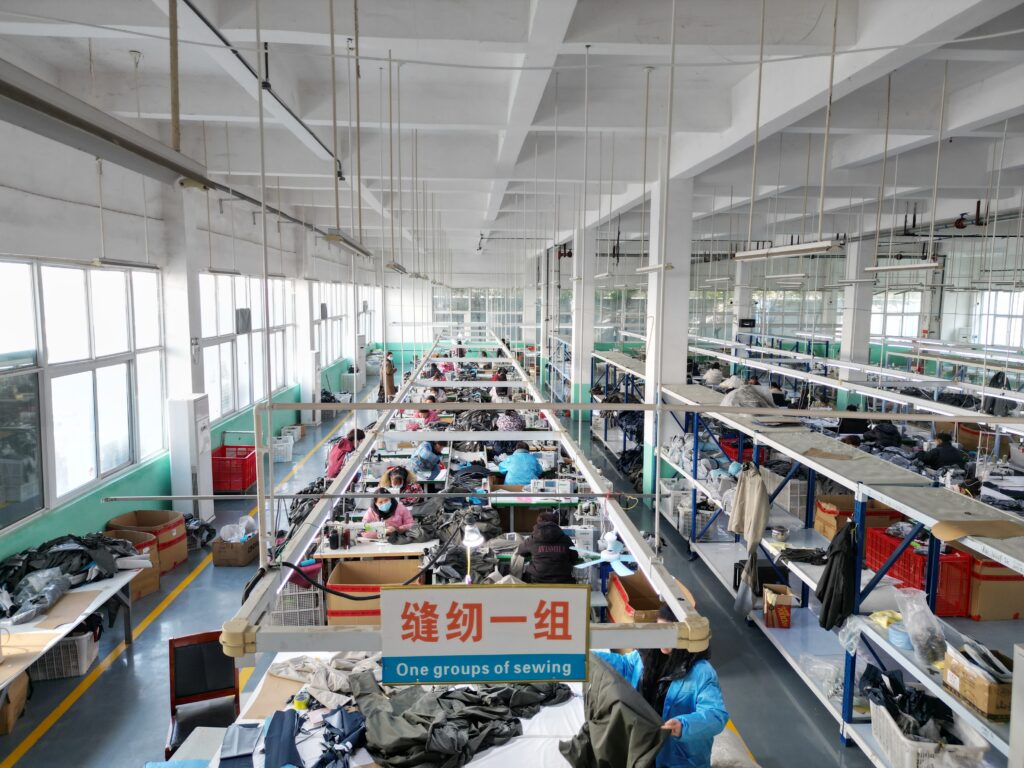
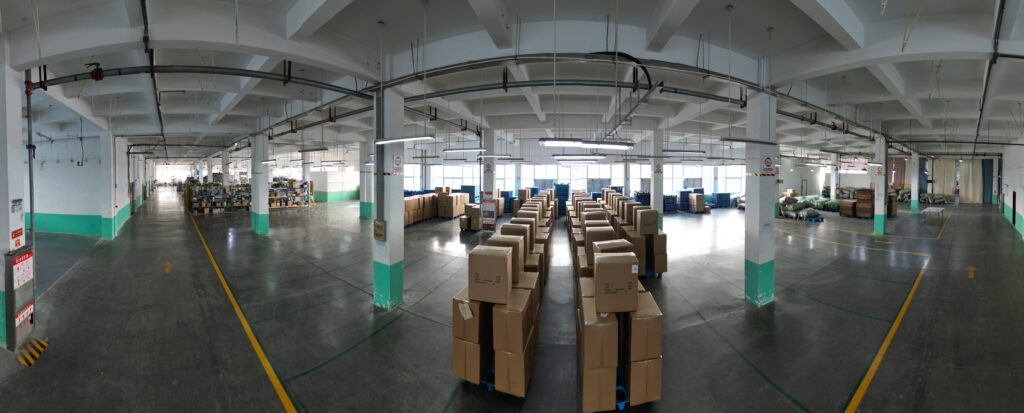
A factory with its own production controls its own schedule entirely. More orders? Open more lines. Enough workers? Stable production scheduling. At Cciola, every delivery deadline we commit to is a deadline we can actually meet — because it doesn’t depend on a third-party contract manufacturer’s goodwill.
Sample Development: Fast Is Reliable
Sample development is the first step in garment development — and the stage most sensitive to response speed.
A trading company’s sample process goes like this: receive your sample request → forward to contract factory → factory arranges sampling → sample shipped back → trading company forwards to you. This round trip takes a minimum of 7 to 10 business days, often two weeks. Any revision notes trigger the same process all over again.
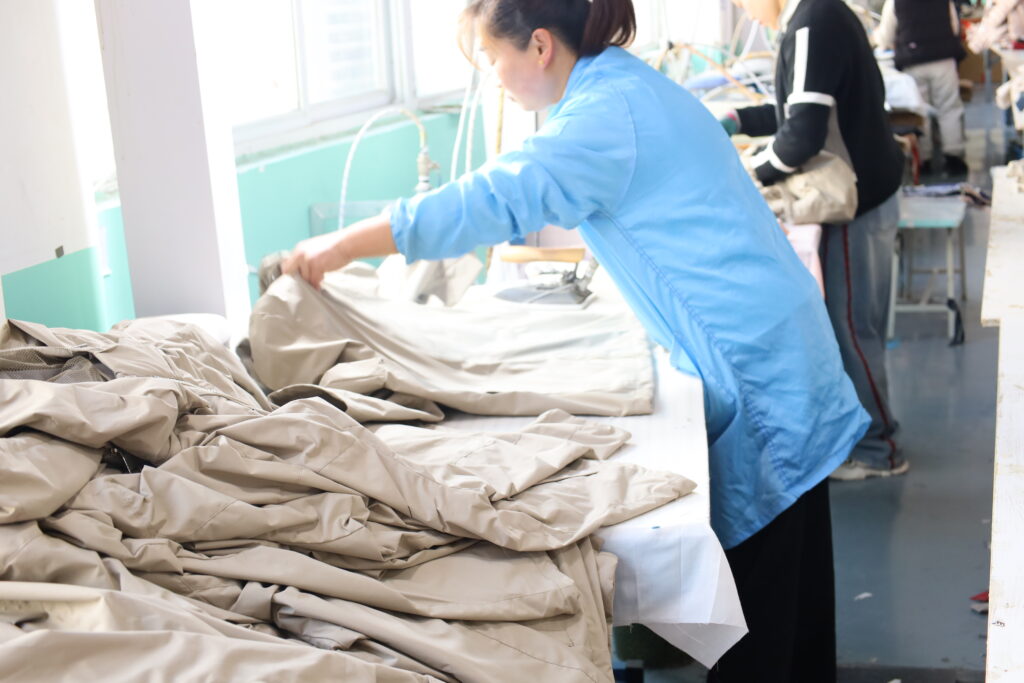
Cciola has its own pattern makers and sample workshop. Initial samples are ready in 3-5 business days, with revisions completed within 3 days. The entire process stays in-house — no outsourcing, no handoffs, no waiting.
Why Does Cciola Insist on Owning Its Factory?
Cciola’s choice to operate its own factory was a deliberate one.
Owning a factory means higher upfront investment — equipment, facilities, workers, management. But precisely because the investment is significant, Cciola values every single order deeply. We don’t rely on one-off deals. Our business is built on quality and reliable delivery that brings customers back.
Twenty years of foreign trade experience has shown us too many cases: buyers chose a pure trading company to save time, only to face quality disasters in bulk production. The trading company deflected responsibility, the contract factory became unreachable, and containers sat at the port — the losses far exceeded whatever was saved on the initial price difference.
Choosing a supplier isn’t just about the number on the quotation. It’s about how much that company can actually guarantee for you.
Three Standards to Evaluate Any Supplier
To sum it up, when selecting a garment supplier, remember three critical questions:
First, does this company own its own factory? Without a factory of their own, quality control and delivery timelines depend on others — control is in someone else’s hands, not theirs.
Second, when something goes wrong, who handles it? Fewer layers of responsibility mean faster response and lower risk.
Third, are the quoted lead times and prices something this company can deliver directly, or are they the result of a handoff to someone else? A company that can be directly accountable for results is the only one worth a long-term partnership.
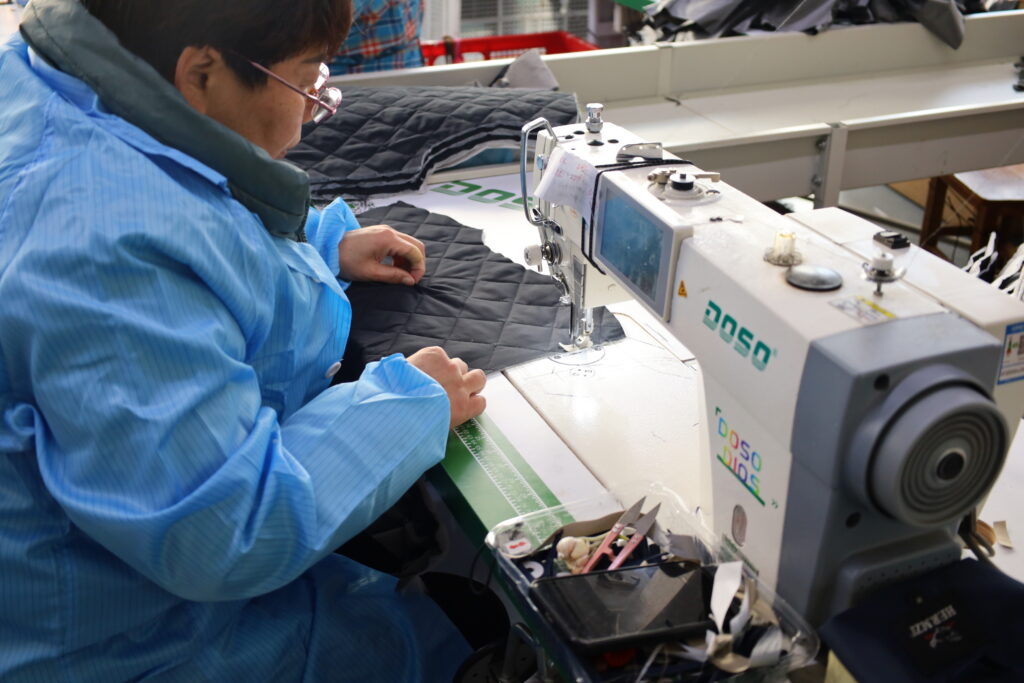
Henan Cciola has its own factory, its own workers, and its own quality control system. We take full responsibility for every order we accept.
If you are looking for a production partner you can truly rely on, we welcome the opportunity to discuss your requirements.