



Notícias
Jackets in Pop Culture: How One Garment Became a Status Symbol
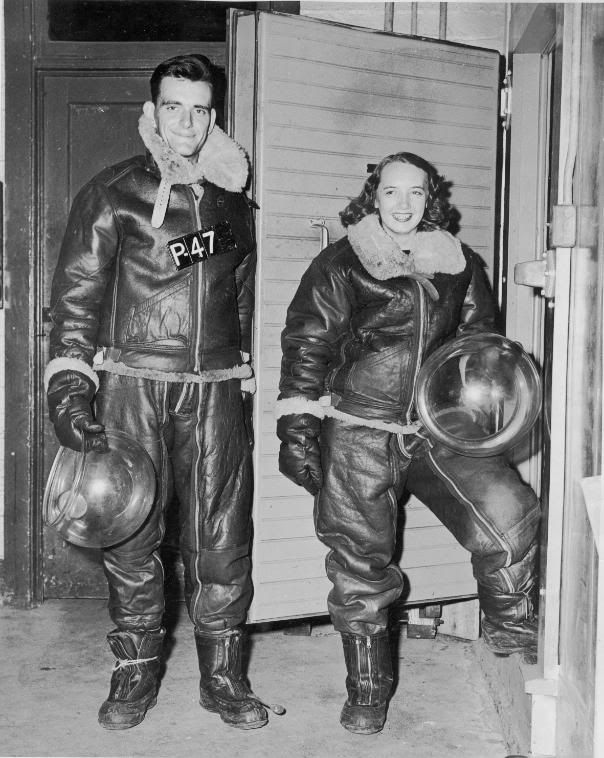
Somewhere between the bomber jacket and the puffer, between the leather motorcycle cut and the shearling flight jacket, a simple piece of outerwear stopped being just clothing. It became a statement. A character. In some cases, a whole identity.
Walk through any era of film, music, or street culture and you’ll find a jacket at the center of the story — not as costume, but as plot device, personality amplifier, and cultural shorthand. The right jacket on the right character can tell you everything you need to know in the first three seconds of a scene. Designers and buyers in the fashion industry know this instinctively. It’s also why wholesale jacket buyers who understand the cultural weight of outerwear make smarter product decisions.
Here’s the story of how jackets became icons — and what it means for anyone in the business of making and selling them.
The Bomber Jacket: From Military to Main Street
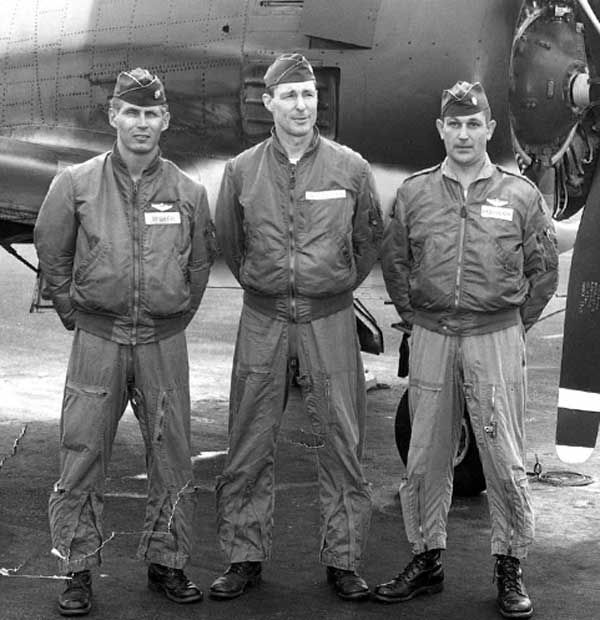
No jacket has had a longer or stranger journey from function to fashion than the bomber. Originally designed for World War I aviators flying in unpressurized cockpits at freezing altitudes, the MA-1 flight jacket was built for survival, not style. Knit cuffs, knit hem, nylon shell, quilted lining — every element served a purpose at 10,000 feet.
Then, after decades as military surplus, it landed in civilian wardrobes in the 1970s and never left. The bomber became the jacket of rebels, rappers, and runways. The斜拉链, the ribbed collar, the slightly oversized fit — these became signifiers of effortless cool across cultures that had nothing to do with aviation.
What made the bomber culturally bulletproof was its versatility. It could be worn with jeans or a dress, by men or women, in a war zone or a nightclub. That adaptability is exactly what makes it one of the best-selling outerwear categories for manufacturers today. Buyers who stock classic bomber styles with clean lines and quality construction are selling a product that has outlasted every trend cycle.
The Leather Jacket: Rebel Without a Cause, Literally
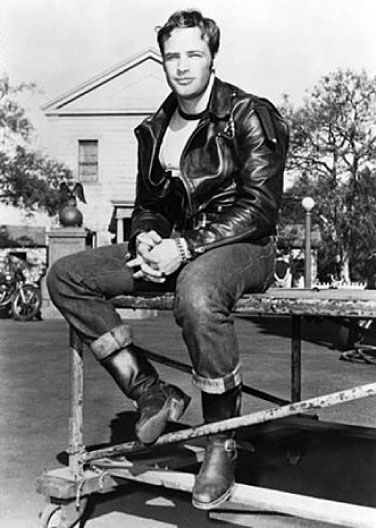
If the bomber is the people’s jacket, the leather jacket is the statement. Since Marlon Brando wore his in The Wild One (1953), the leather motorcycle jacket has been the uniform of outsiders, rebels, and anyone who wanted to signal “I don’t follow rules.”
But here’s what the fashion industry noticed long before it became mainstream: the leather jacket doesn’t just look tough — it performs. It’s wind-resistant, abrasion-resistant, and improves with age in a way few other materials do. That’s not just romance; that’s function.
Today, the leather jacket market spans everything from luxury retail ($3,000+ lambskin blazers) to fast fashion ($80 polyurethane “leather” versions). For manufacturers and wholesale buyers, the quality gap here is enormous, and the price spread is even bigger. Understanding leather grades — full grain, top grain, genuine leather, and bonded — is essential knowledge for anyone sourcing in this category.
The Puffer Jacket: From Everest to High Street
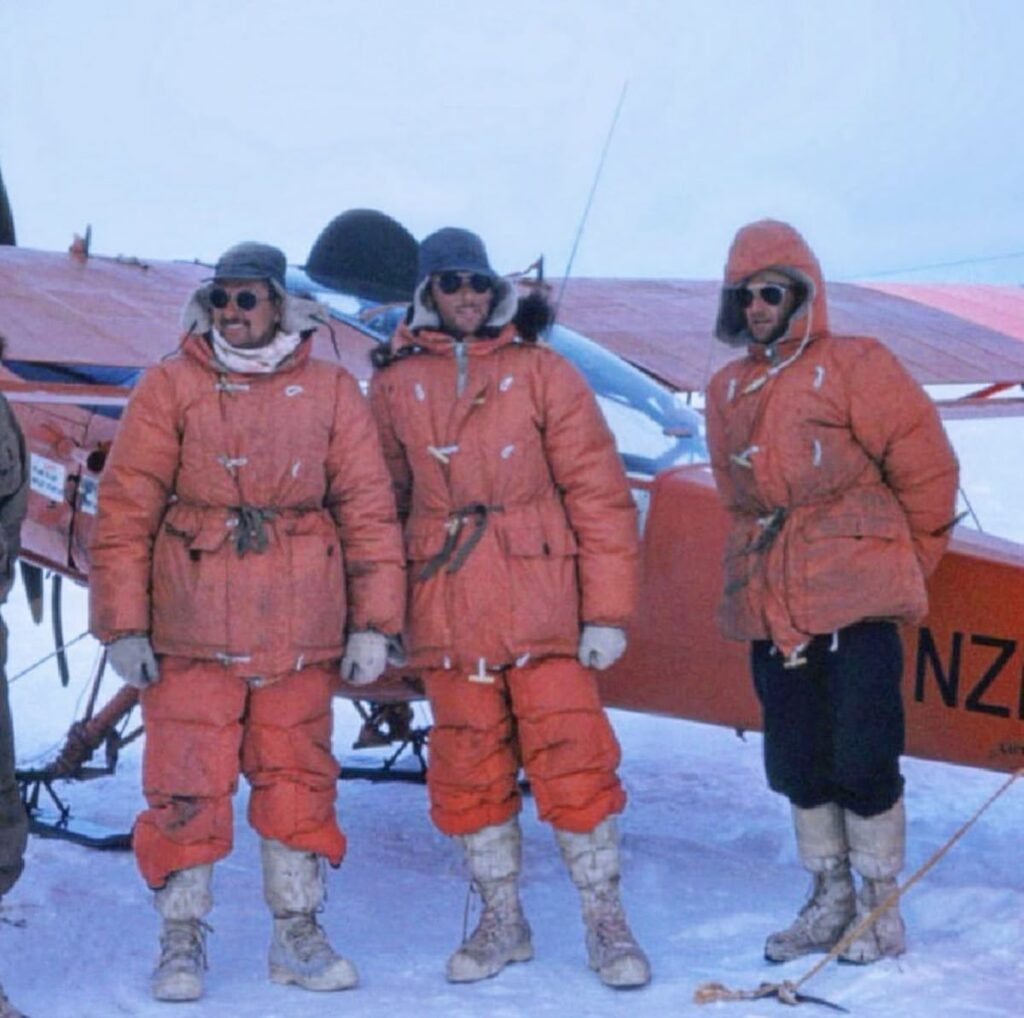
You wouldn’t expect a jacket invented to survive the Himalayas to become a fashion essential. But that’s exactly what happened with the puffer.
The modern down jacket traces back to Eddie Bauer, who patented the “skyjacket” in 1936 after nearly dying of hypothermia on a fishing trip. The idea was simple: trap air in baffles filled with down, and you create insulation without weight. The result was a jacket that could keep you warm at altitude without weighing you down.
For decades, it was purely functional — mountaineers, fishermen, utility workers. Then something shifted. In the late 2010s, the puffer exploded onto high fashion runways. Balenciaga, Moncler, Gucci — suddenly everyone wanted to look like they were ready for a summit, even if their highest ambition that day was brunch.
The puffer’s cultural moment is also a manufacturing story. Making a quality padded jacket requires precision: baffle design, down-to-feather ratio, fill weight distribution, shell seam sealing. One miscalculation and you get cold spots, clumping, or a jacket that looks deflated after a season of washing. For buyers sourcing from manufacturers, this is where asking the right questions — about fill power, chamber construction, and wash care — separates a premium product from a bargain that loses its warmth by spring.
The Trench Coat: The Original Power Jacket
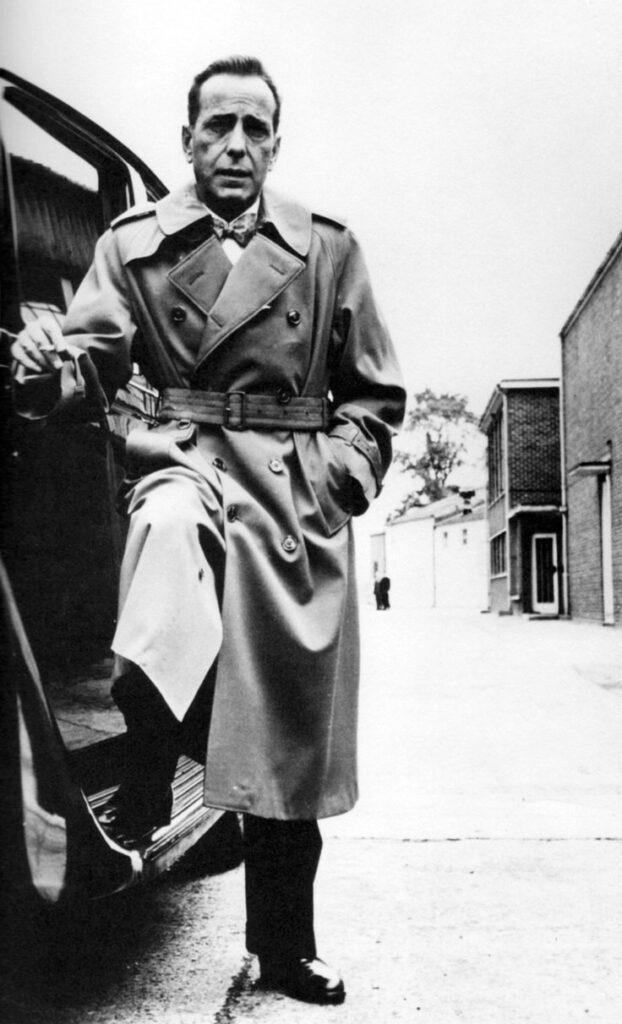
Often overlooked in discussions of iconic jackets, the trench coat is arguably the most culturally loaded piece of outerwear ever made. Born on the battlefields of World War I, designed by Thomas Burberry for British army officers, it carried two gun flaps, a D-ring for equipment, and a storm flap for waterproofing.
Then film got hold of it. Humphrey Bogart in Casablanca, Audrey Hepburn in Breakfast at Tiffany’s, and later a long line of detectives, spies, and femme fatales turned the trench coat into a symbol of mystery, sophistication, and quiet power.
What the trench coat teaches manufacturers is something important about cultural endurance: it works because it works. The double-breasted front, the belted waist, the raglan sleeve construction — all of it serves both form and function. That’s the kind of design logic that creates products people want to keep buying across generations.
The Workwear Jacket: Utility as Aesthetic
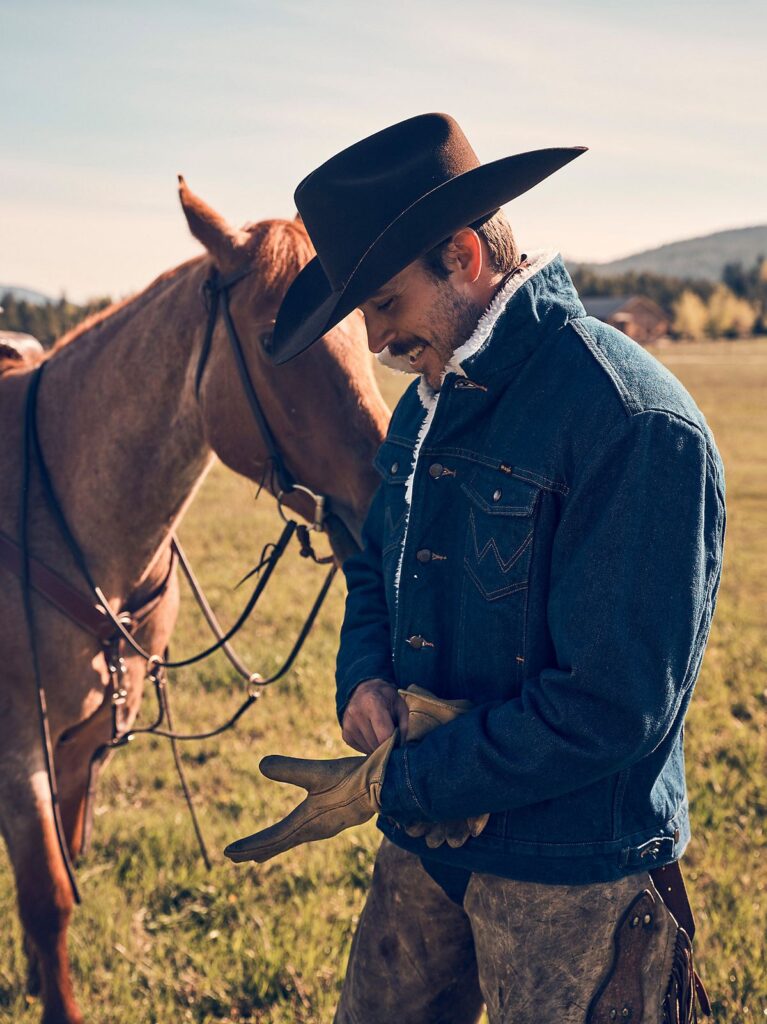
Somewhere between fashion and function sits the workwear jacket — chore coats, denim jackets, mechanic jackets. These pieces have been adopted wholesale by fashion and have never really been given back.
The chore coat, originally a French workwear staple for farmers and factory workers, became a menswear cornerstone through the 20th century and is now a year-round layer in countless wardrobes. The denim jacket has gone through so many revival cycles it’s lost count. The mechanic jacket, with its asymmetric zip and utilitarian pockets, has been on trend since the punk era.
What ties these together is honest construction. Workwear jackets are built for abuse. For manufacturers, they represent a category where durability specs, reinforced stitching, and quality hardware aren’t just nice to have — they’re the product itself.
What This Means for Buyers and Brands
Here’s the practical takeaway from all this cultural history: jackets are never just jackets.
The buyers and brands that consistently succeed in outerwear are the ones who understand that a jacket carries meaning — to the person wearing it, and to the people who see it. When a retailer stocks a bomber, they’re selling nostalgia and rebellion. When they stock a puffer, they’re selling performance and comfort. When they stock a trench, they’re selling authority.
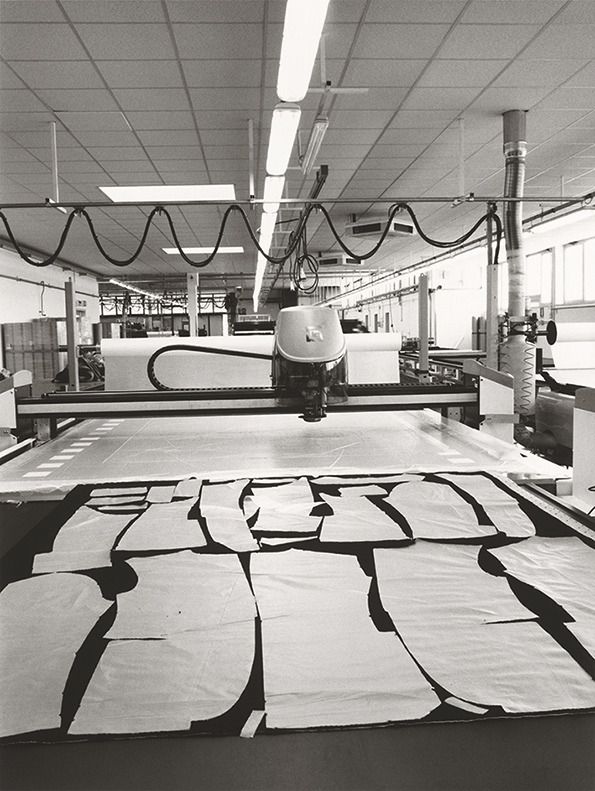
That meaning doesn’t happen by accident. It’s designed into the product — through silhouette, material choice, hardware, finishing, and fit. And it’s manufactured with intention — through quality control, material sourcing, and construction standards.
For anyone building an outerwear line, the lesson is simple: know what your jacket is supposed to mean. Then find a manufacturer who can build it with that meaning intact, from the first sample to the last unit in the order.

About Cciola
Henan Cciola Import & Export Trading Co., Ltd. is a professional clothing manufacturer based in Henan Province, China, with its own production facility and over 20 years of experience in garment manufacturing and international trade. Specializing in jackets, padded jackets, coats, workwear, and casual apparel for men, women, boys, and girls, Cciola serves B2B wholesale buyers worldwide with OEKO-TEX®, BSCI, and ISO 9001 certified products. From design consultation to final delivery, Cciola provides end-to-end manufacturing services tailored to your brand’s specifications. Learn more at https://cciola-fashion.com.