




Noticias
What Are the Common Packaging Methods for Exporting Jackets?


From factory to customer, exported jackets pass through transport, loading and unloading, and storage. The right packaging keeps goods intact; the wrong choice means damage before the port is even reached. Three packaging methods dominate jacket exports: folded, hanging and vacuum. Each suits different styles with different costs — choosing wrong isn’t just a packaging problem, it’s an entire batch’s after-sales problem.
Folded packaging is the most common method. Jackets are folded to specified dimensions, secured with tissue or polybag, then packed into corrugated cartons. Folding technique matters — how the collar, sleeves and shoulders are handled all follow standard procedures. Press marks must be avoided during folding, especially on coated and glossy fabrics — once pressed, marks are nearly impossible to remove. Folded packaging’s advantage is minimal space occupation and low transport cost, suitable for most casual and workwear jackets. The downside is equally clear — pressed marks require post-production finishing before display; if customers have high appearance standards, folded packaging may require re-pressing upon arrival before goods can be shelf-ready.
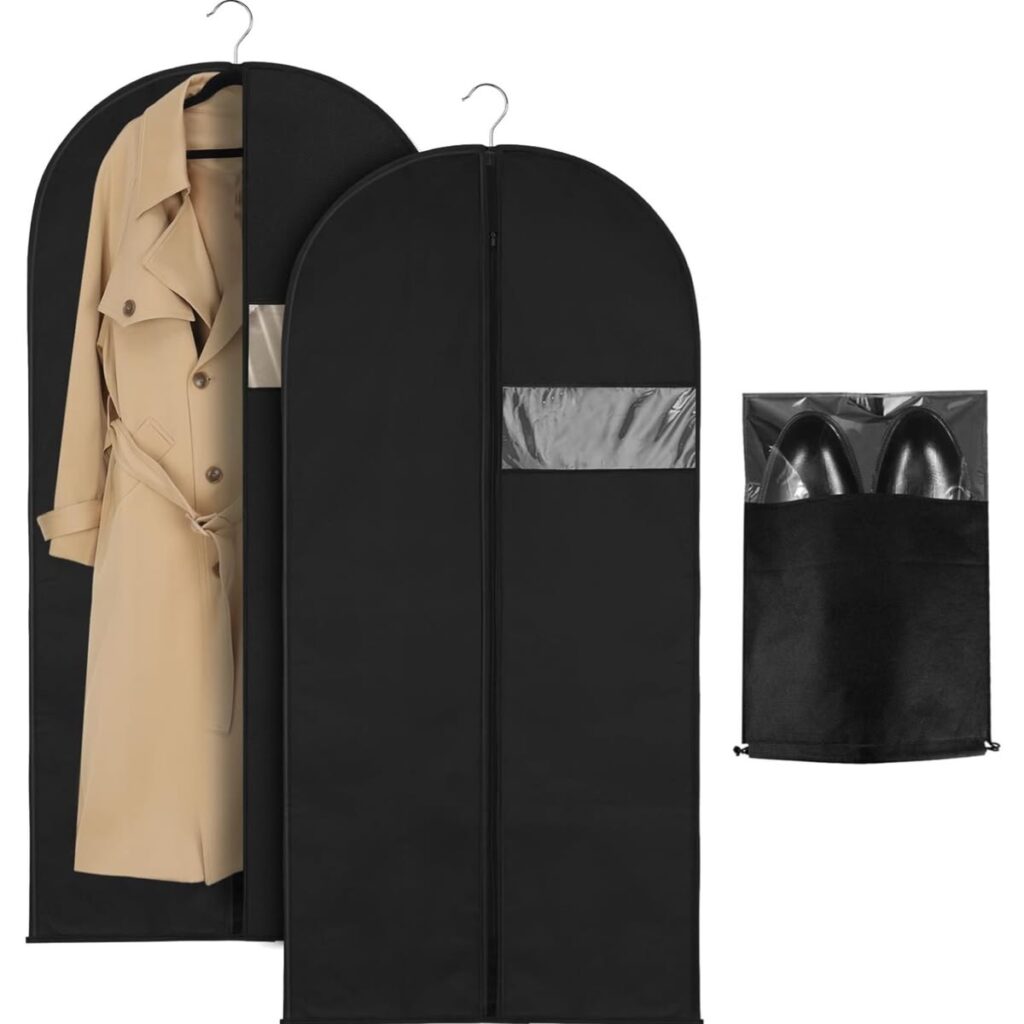
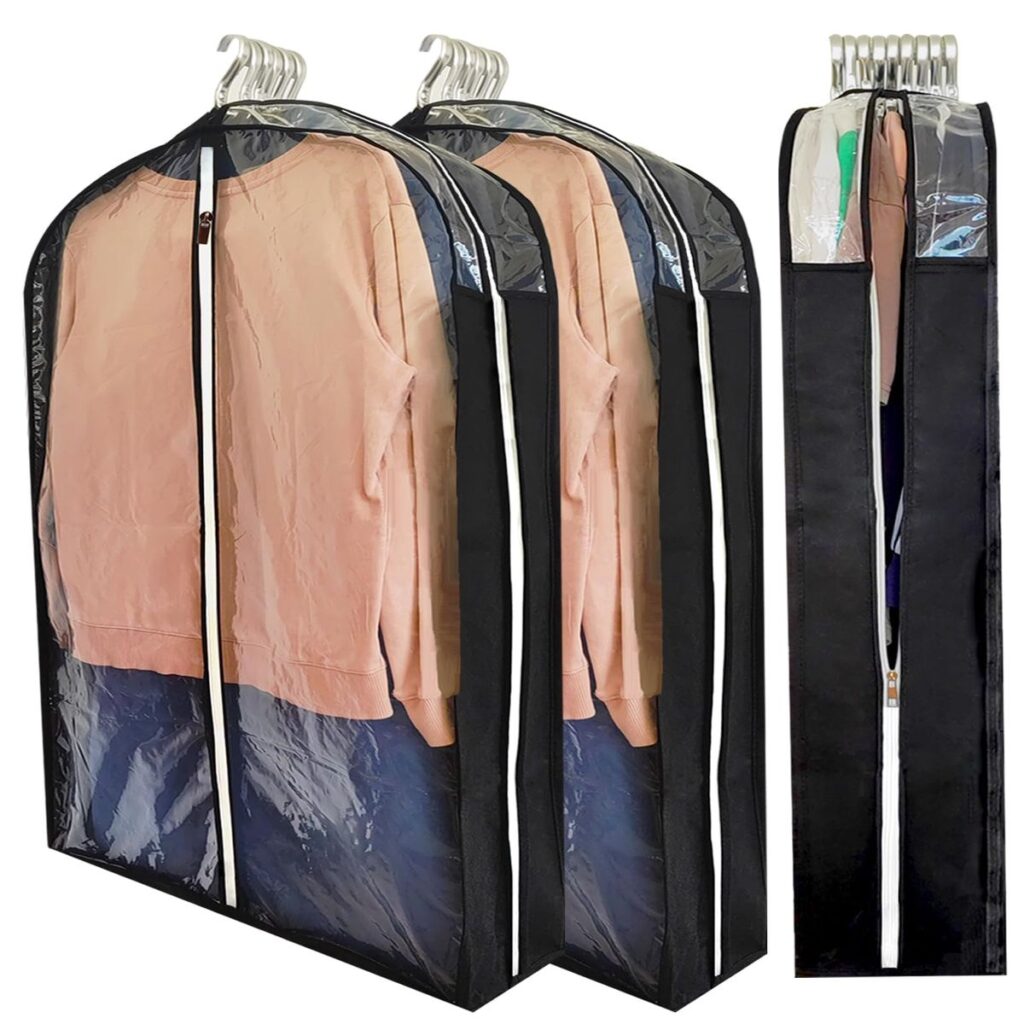
Hanging packaging suspends jackets on dedicated hangers, covered with plastic bags or non-woven dust covers, then packed into export cartons or loaded directly into containers. Hanging packaging’s advantage is garments experience no pressure throughout the journey, arriving ready for display without ironing — the only sensible choice for premium and formal jackets. Hanging costs significantly more than folded packaging: each jacket requires a dedicated hanger and dust cover, cartons are larger, and shipping naturally increases. Additionally, hanging packaging achieves lower container space utilization than folded — the same container holds fewer pieces hung than folded. Hanging packaging suits which styles? Wool coats, windbreakers, formal jackets, tailored shirts — any style demanding high appearance standards with no press marks, and premium fabrics prone to wrinkling.

Vacuum compression packaging has grown increasingly common in recent years, particularly in e-commerce and direct-to-consumer orders. The principle compresses folded jackets in dedicated plastic bags, removing air to reduce volume to one-third or even one-quarter of original size. Vacuum compression’s biggest advantage is dramatically reducing transport and freight costs, especially in air freight where smaller volume means lower charges. E-commerce consumers typically don’t mind garments requiring minor tidying to restore shape. But vacuum compression has clear limitations — compressed jackets show obvious press marks requiring hanging steam to restore; down-filled and quilted jackets must never be vacuum compressed — compression kills the loft, destroying insulation performance; fabrics with special finishes like water-repellent coatings or calendared surfaces also shouldn’t be vacuum compressed — press marks damage the finish layer.
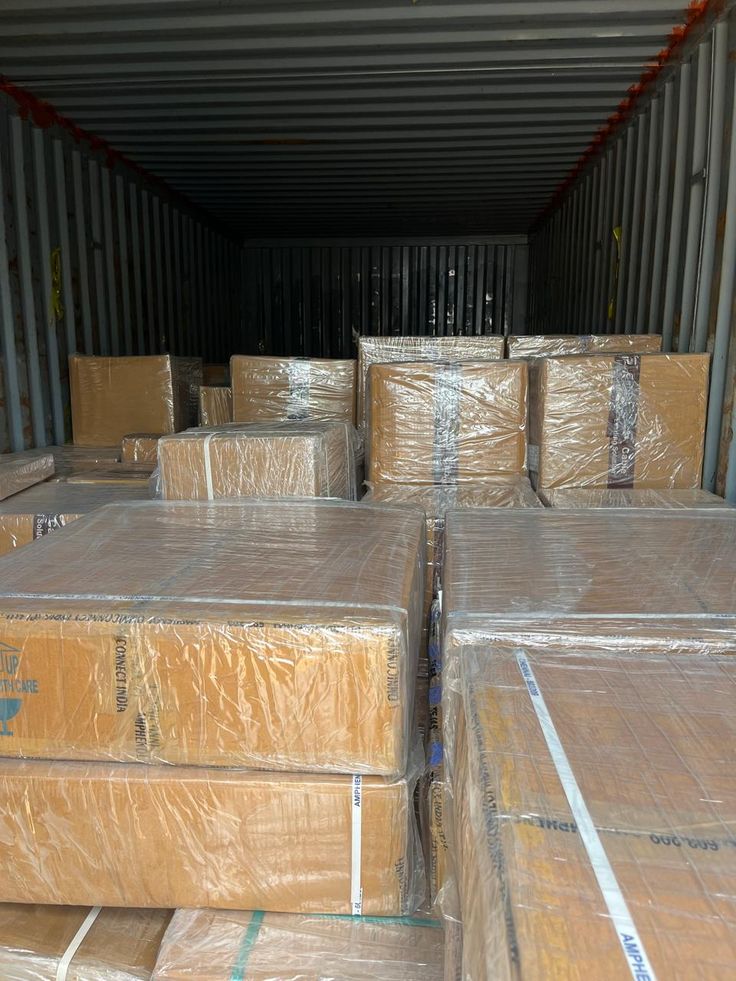
Choosing packaging method isn’t about preference — it’s about style and customer requirements. Most orders exporting to Europe specify packaging in contracts, some customers even designate folding dimensions and hanger specifications. Workwear and outdoor jackets typically use folded packaging — cost-effective with adequate protection; premium business jackets and windbreakers use hanging packaging where appearance comes first; e-commerce small-batch orders can use vacuum compression where freight savings are significant. Packaging seems insignificant but complaints about wrinkled shipments arriving in poor condition cost far more than the packaging savings.