




Noticias
What 20 Years of Export Experience Really Means for Your Order?
When choosing a Chinese supplier, the phrase “20 years of export experience” is very common. But what does it actually mean for a buyer? Does a longer history automatically mean more reliability? Not really. The value of 20 years of experience does not lie in time itself, but in how many pitfalls the factory has stepped in, how many lessons it has learned and how many stable working relationships it has built during that period.
Experienced factories have seen all kinds of order structures. They know how European buyers’ requirements for delivery, packaging, hangtags and care labels differ from domestic orders. They have done small trial orders and bulk orders of tens of thousands of pieces; they have handled simple styles and complex constructions. This breadth of experience allows them to identify risks faster when receiving your new style, rather than discovering problems while production is already underway.
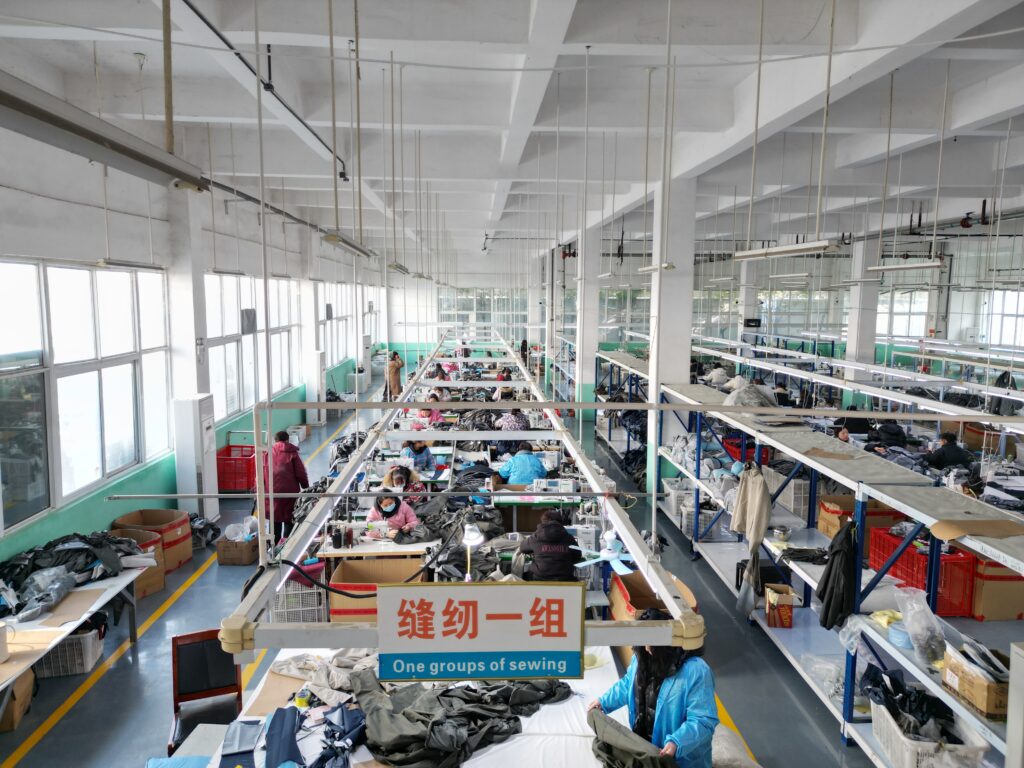
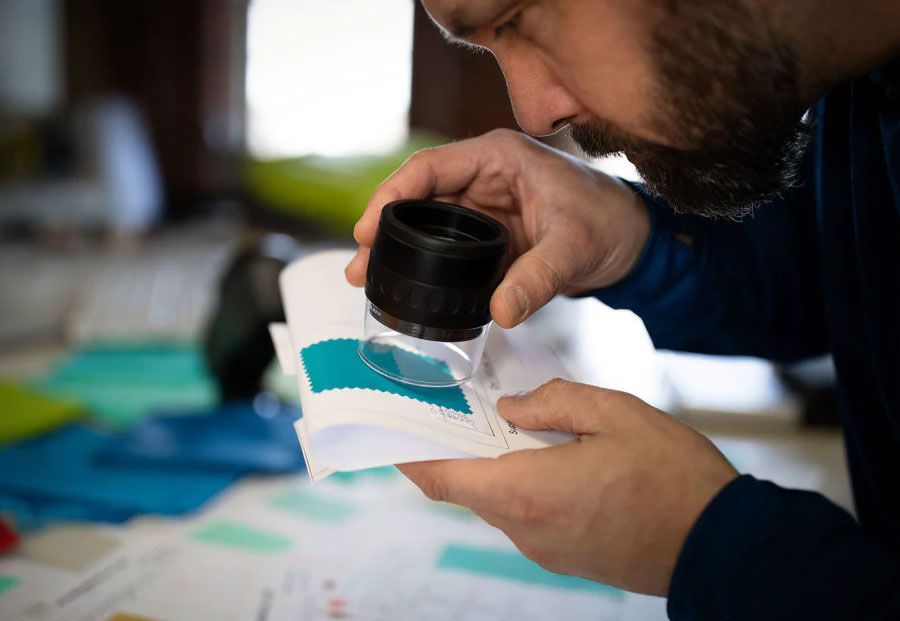
Twenty years also means the factory has a proven supply chain. Fabric mills, trim suppliers, dyeing and finishing plants, and logistics companies are not relationships built in one or two years. Experienced factories know which fabric mill has stable color fastness, which zipper supplier keeps reliable delivery and which logistics company handles customs clearance smoothly. These hidden resources often matter more than the factory workshop itself in determining whether your order can be completed on time and with the right quality.
Export experience also shows in familiarity with compliance and documentation. The European market requires documents, labels, test reports and certifications that meet importing country standards. New factories may need to repeatedly confirm the formats of certificates of origin, packing lists and commercial invoices, while experienced factories can prepare them in advance and reduce customs clearance troubles. This is especially important for retail or e-commerce buyers, because one documentation error can cause an entire shipment to be held.

More importantly, experience gives factories the ability to anticipate problems. They know which seasons fabric prices will rise, which ports will get congested and which processes are prone to defects in bulk production. So they stock materials early, schedule production early and communicate risks with customers in advance. This ability of “pre-event management” is what new factories lack most and what old factories are most valuable for.
But buyers cannot look only at the number “20.” Some factories may have been established early but changed industries or main markets in between, or have not received decent orders in recent years. Experience only matters when it matches current capabilities. You can ask a few questions: Which markets have you mainly exported to during these 20 years? Which European brands have you worked with? What has your order structure been like in the past three years? Do you have long-term cooperative customers? These answers are more telling than the year on the business license.

Factories that truly have 20 years of export experience will not keep saying it, but will show it in the details. Quotations are detailed, delivery dates are accurate, questions are answered quickly and the gap between bulk goods and samples is small. They know that export orders are not one-time deals, and maintaining one old customer is more cost-effective than developing ten new ones. So they are more willing to invest in quality and service.

So for buyers, 20 years of export experience is an important reference signal, but not the only standard. It means fewer surprises, a more mature supply chain, more standardized documentation and stronger risk foresight. But the premise is that you must be able to tell whether this factory really has 20 years of accumulation, or is just carrying forward a company name registered 20 years ago.