



Down vs. Synthetic: Which Jacket Is Right for You?
Have you ever wondered how a jacket keeps you warm on a freezing winter day, when it’s minus 5 degrees Celsius outside?
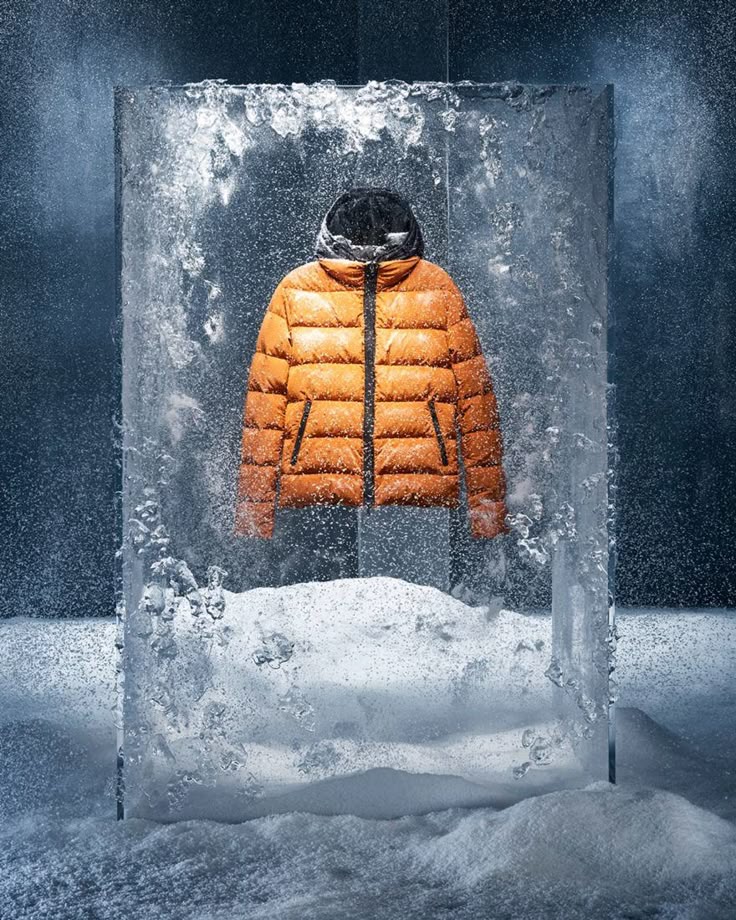
The answer might surprise you: jackets don’t actually generate heat. They simply prevent it from escaping. Every human body produces heat constantly, and when the outside temperature drops dramatically, this warmth dissipates rapidly into the air. What a jacket does is create a layer of still air between your skin and the cold outside. Still air is a poor conductor of heat, which means your body temperature has a much harder time escaping. This also explains why the puffier a jacket looks, the warmer it tends to be—because that puffiness means there’s more trapped air inside doing its job.
So what exactly is the difference between the two most common filling materials found in jackets: down and synthetic fill?
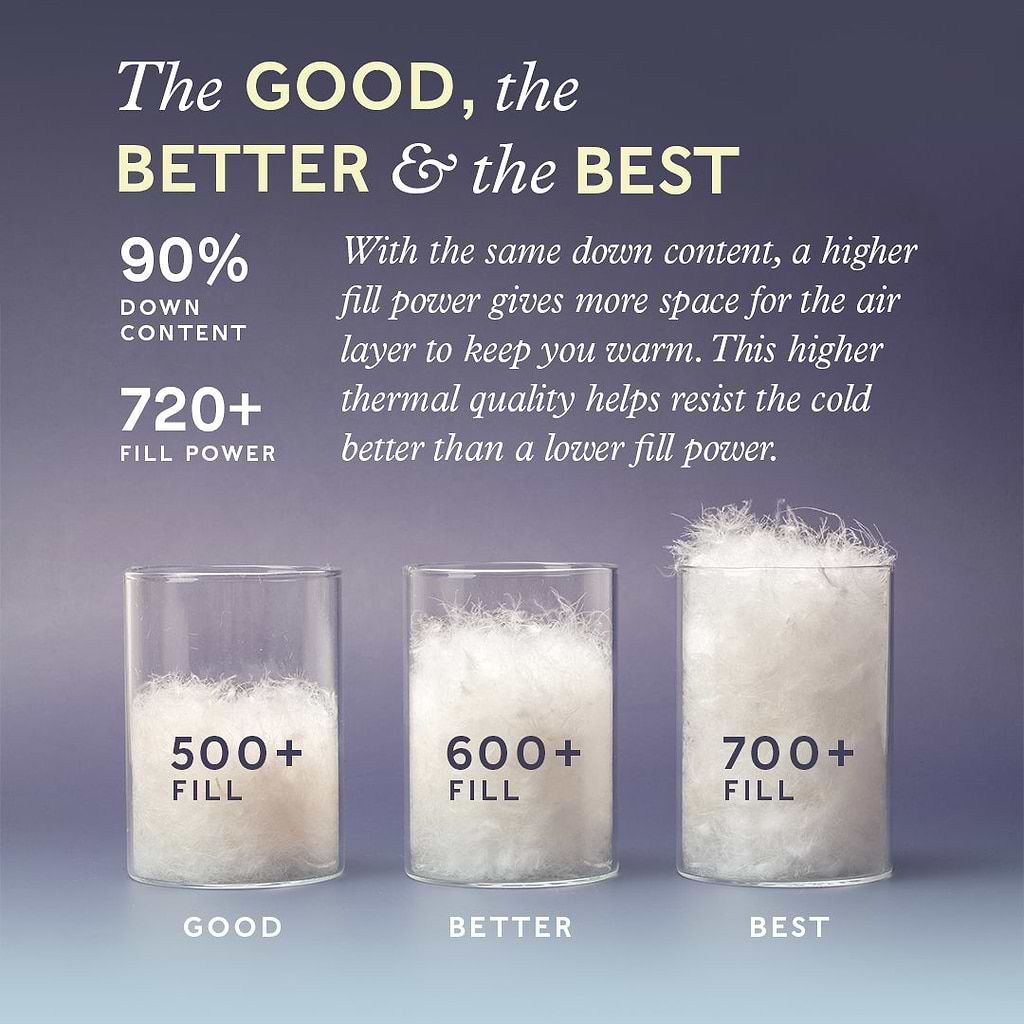
Let’s start with down. Down is the soft, fluffy undercoat found beneath the feathers of ducks and geese. Unlike regular feathers, it has no hard quill—only fine, cloud-like filaments. These filaments intertwine and weave together to form millions of tiny air pockets. It’s remarkable to think that just one ounce of high-quality down can trap nearly 3 million cubic feet of air, and this is the secret behind its exceptional warmth. When you shop for down products, you’ll often see numbers like 650 or 800 on the labels—this is called “fill power,” and it measures the loftiness of the down. The higher the number, the more air it can trap, the warmer it is, and the lighter the jacket can be while still providing the same level of warmth. In the industry, fill power between 400 and 500 is considered standard, typically used for entry-level winter wear; 550 to 700 represents mid-to-premium quality suitable for everyday winter coats; and 800-plus is top-tier, often reserved for professional outdoor gear. For buyers, choosing higher fill power means lighter weight and better warmth retention, which translates to greater customer comfort and better profit margins.
Of course, down isn’t perfect. It’s significantly more expensive—typically 5 to 10 times the cost of synthetic fill—which inevitably drives up the final product price. More troublesome is its vulnerability to moisture: when down gets wet, it clumps together and loses its loft, dramatically reducing its insulating ability, which is why down jackets often underperform in rainy weather. In terms of maintenance, down garments can’t simply be tossed into a washing machine—they require dry cleaning or professional care, otherwise they’re likely to be ruined. Additionally, some consumers have concerns about animal welfare, which has affected down’s acceptance in certain global markets.
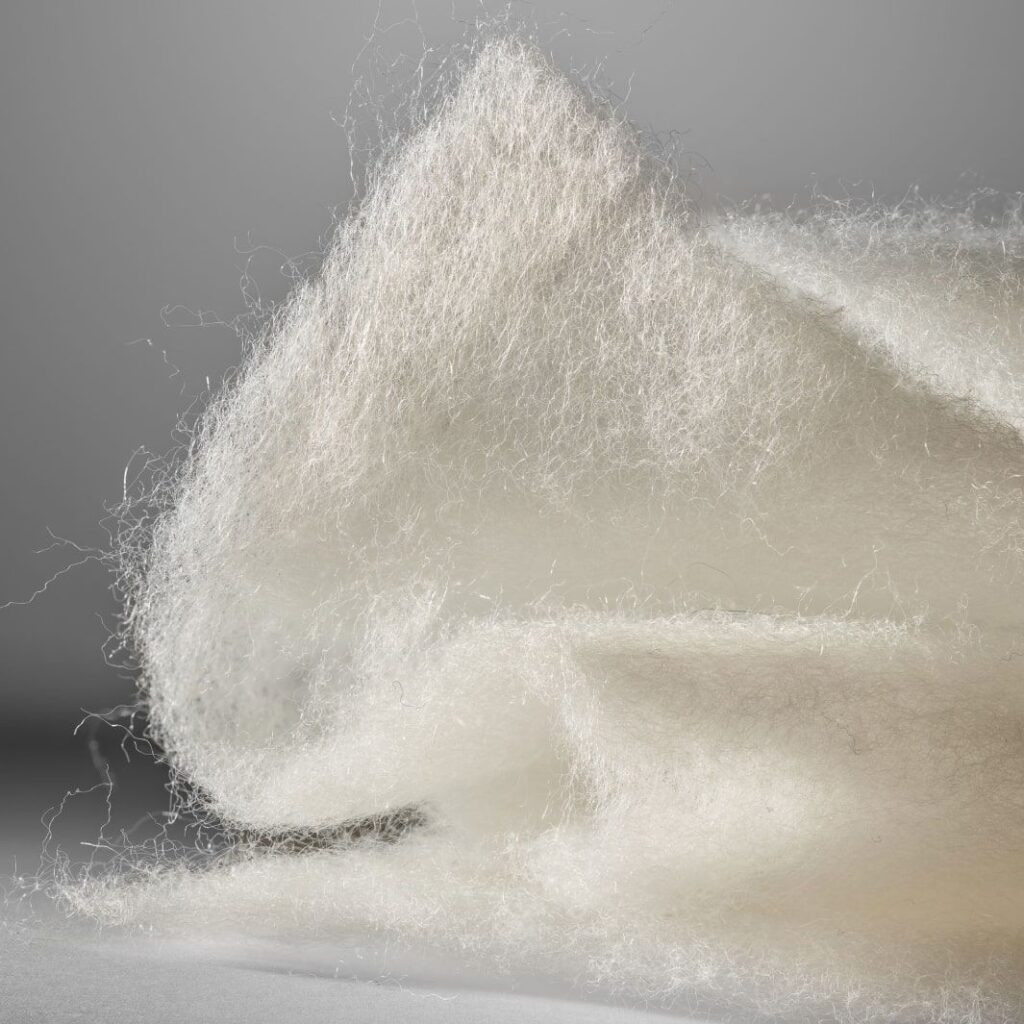
It’s precisely because of these drawbacks that humans invented synthetic fill as an alternative. Synthetic fill is typically made from polyester fibers, with the most well-known brand being PrimaLoft—you’ve probably seen this name on many outdoor clothing labels. Its principle is to use man-made fibers that mimic down’s structure: thin, curly, and capable of trapping air. But synthetic fill has one key advantage: water resistance. Because synthetic fibers are hydrophobic, moisture cannot penetrate them, and the fibers won’t collapse when wet. Even on rainy or snowy days, or even when you’re sweating, a synthetic jacket can still maintain its loft and continue providing warmth. This is exactly why synthetic fill is preferred in certain scenarios: humid and rainy climates, high-intensity sports where sweating is inevitable, budget-conscious consumer groups, and everyday wear that requires frequent washing.
So after all this discussion, which one should you choose? There’s no one-size-fits-all answer—it depends on who your customers are. If your clients live in dry, cold regions like Scandinavia and are willing to pay premium prices for quality and lightweight comfort, go with down. If your customers are in rainier areas, have tighter budgets, or need garments that can be washed and replaced frequently, go with synthetic fill. Of course, there’s also an increasingly popular hybrid approach—using down in the main body for core warmth, and synthetic fill in the shoulders and cuffs where exposure to rain and snow is more likely. This costs a bit more but combines the best of both materials and performs well in more scenarios.
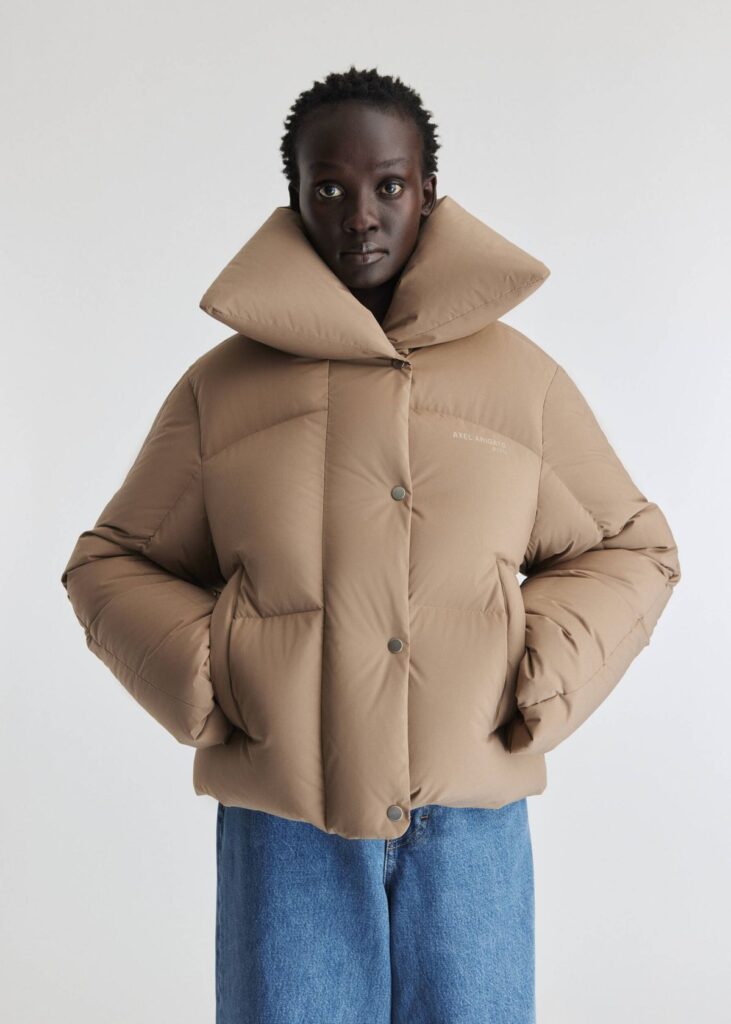
To return to the original question: which is better, down or synthetic fill? The truth is, neither is objectively better—only more appropriate. Down is nature’s most outstanding insulating material, a natural solution refined through millions of years of evolution. Synthetic fill is humanity’s clever invention, solving the limitations of natural materials through engineering. Understanding their characteristics isn’t about telling customers which is “best,” but helping them make the most suitable choice. A great jacket isn’t the most expensive one—it’s the right one. That’s the true value of a professional supplier.