



Новости
Why Cciola Holds a Pre-Production Meeting for Every Style?
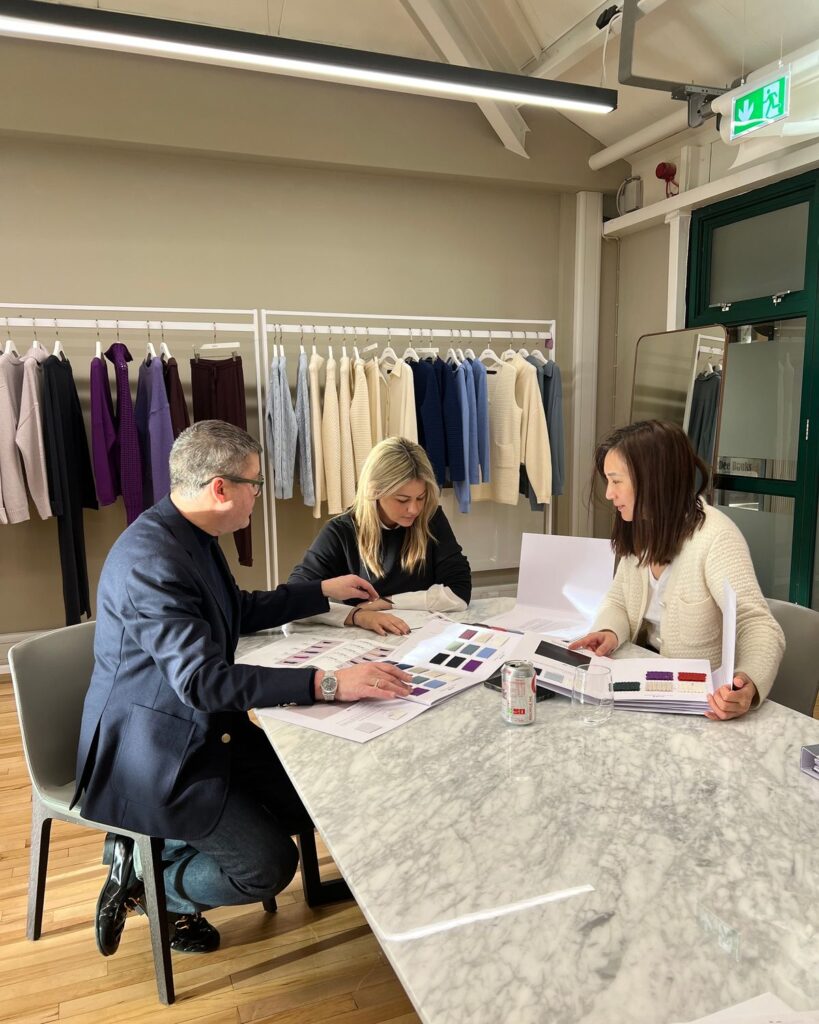
Many European buyers focus their attention on samples and bulk goods, but overlook a middle step that decides success or failure: the pre-production meeting. As the name suggests, it is an internal meeting where the factory reviews the entire order from start to finish before bulk production officially begins. For a factory like Cciola, which specializes in jackets and woven garments, the pre-production meeting is not a formality. It is the last gate that keeps risk out before bulk production starts.

The core purpose of a pre-production meeting is to bring the approved sample, the tech pack, the fabric and the trims together for one final check. The sample confirms the look. The tech pack states how to make it. The fabric and trims have arrived at the factory. This is the moment when inconsistencies among the three are easiest to catch: the thread used on the sample is not stocked for bulk, the seam allowance on the tech pack does not match the actual fabric thickness, or a pocket position drifts after grading. When such problems surface after bulk production begins, they usually require unpicking, reworking and reordering materials, at a cost far higher than a meeting.
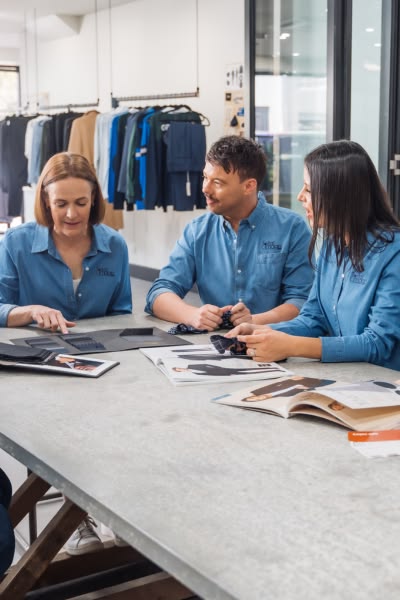
A useful meeting depends on putting the right people in one room. Cciola’s pre-production meeting typically includes the sales team, the merchandiser, the pattern maker, the workshop supervisor and quality control. Sales understands customer requirements. The pattern maker understands construction and grading. The workshop supervisor understands what the equipment and workers can realistically achieve. Quality control understands the inspection standard. A problem one person misses becomes clear when several perspectives meet. This is far more efficient than letting each section guess on the workshop floor.
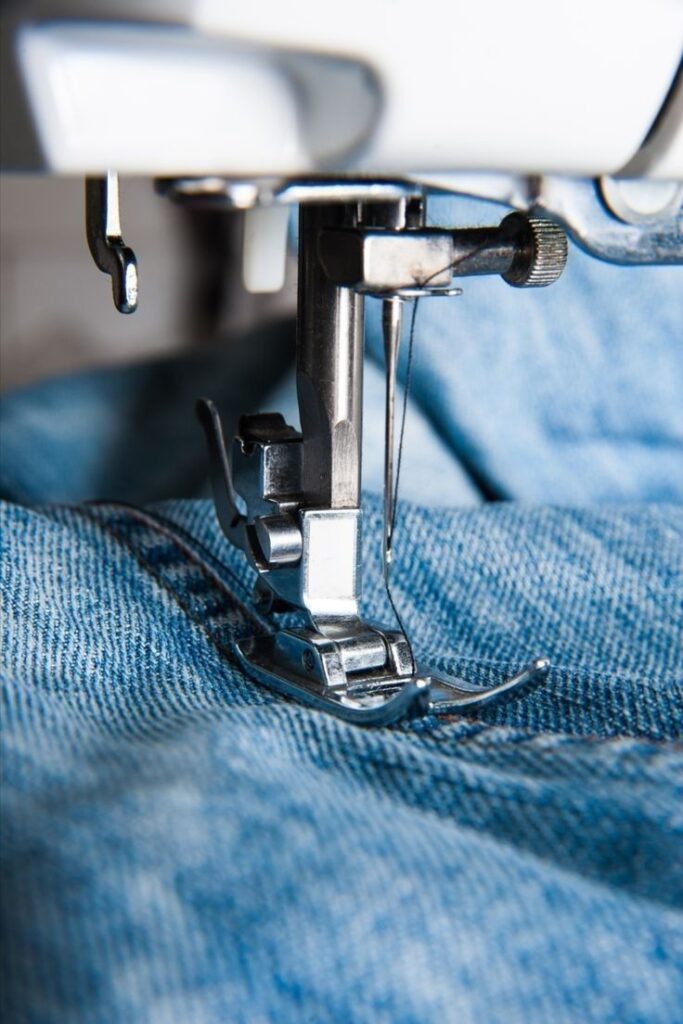
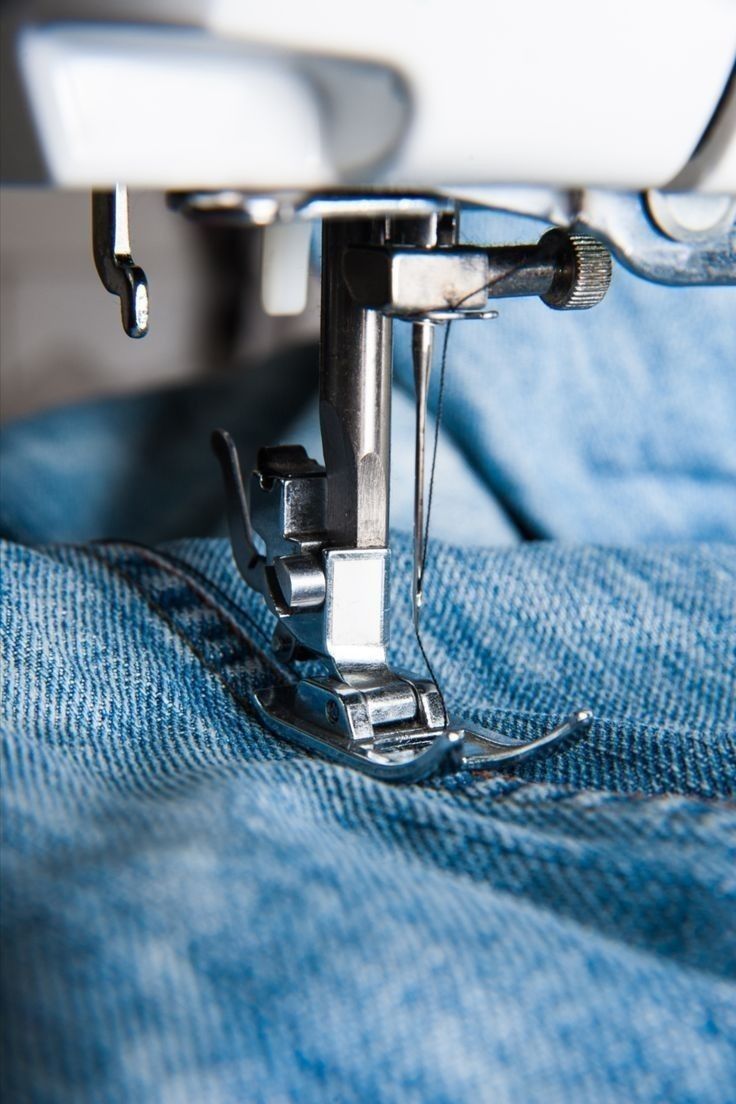
What the meeting discusses most is process difficulty and risk points. A jacket is not a simple T-shirt. It has a lining, interlining, zippers and hardware, plus complex seams and edge finishes. Which areas are prone to skipped stitches, which corners tend to pucker, which fabrics need adjusted stitch length and pressure foot—all of these must be clarified so the workshop can prepare in advance, instead of waiting for the first piece to fail before tracing the cause.
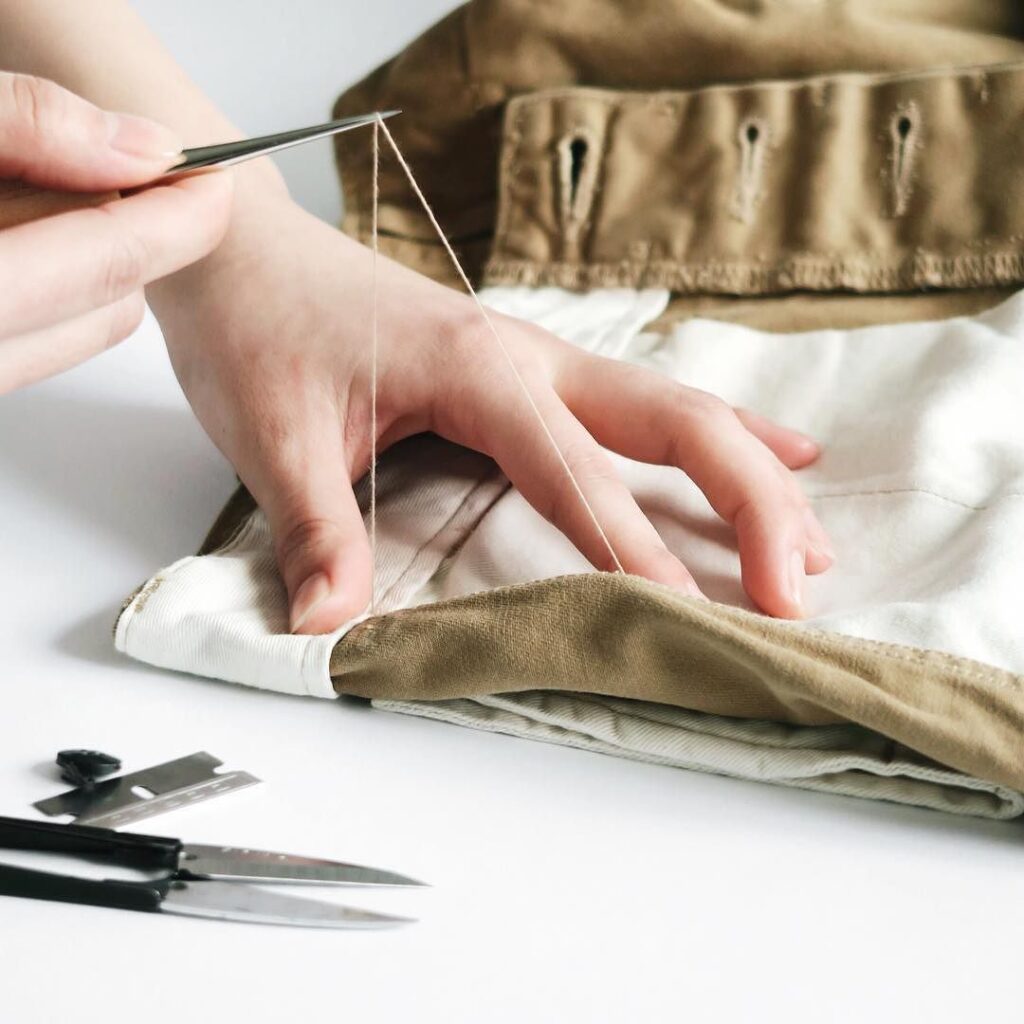
For buyers, the most direct benefit of a pre-production meeting is less rework. Many problems in cross-border orders are not that the factory cannot make the item, but that information changed in transmission. The meeting re-checks the customer-approved sample against the written requirements, acting as a formal confirmation before bulk production. Once the method is confirmed, the workshop follows it, and the chance of error drops. Lower error means fewer claims and less rework.

The second benefit is a more reliable lead time. The pre-production meeting can reveal in advance which steps will bottleneck: will the trims arrive late, does a process need to be outsourced, does the equipment need adjustment. By putting these bottlenecks on the table, the factory can quote a lead time closer to reality, rather than giving an optimistic number off the top of its head. For buyers, an accurate delivery date is far more useful than a fast one that gets missed.
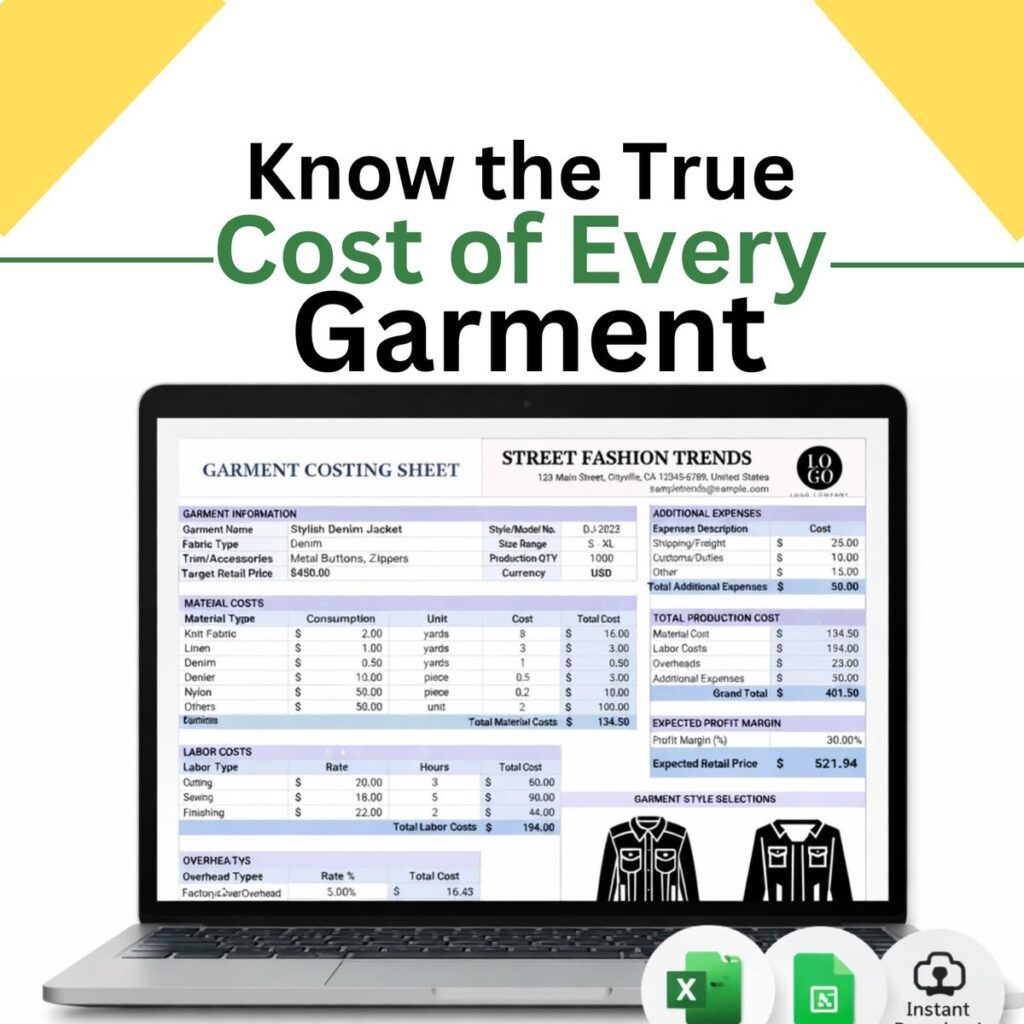
The third benefit is cost transparency. Some costs only appear after bulk production starts—for example, a special stitch requires a different machine, or a certain area needs an extra operation. If these are explained at the pre-production meeting, the buyer can decide in advance whether to accept them, instead of being notified of a price increase halfway through. Cciola’s habit is to surface such changes at the pre-production stage, leaving the buyer with a real choice.
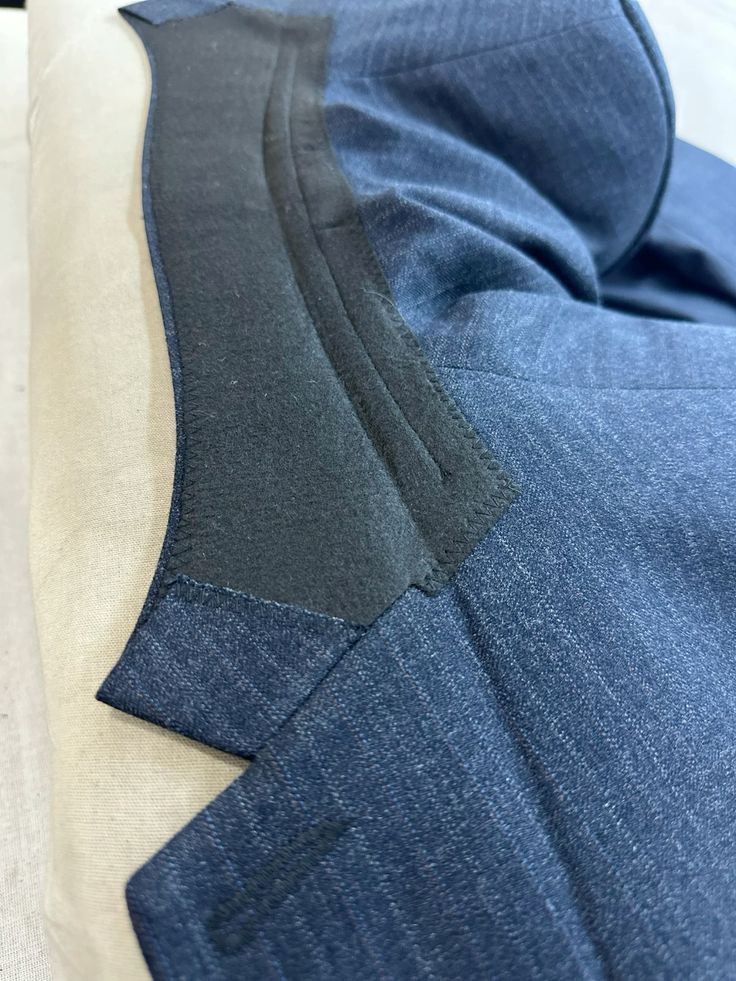
Cciola’s practice is to hold a pre-production meeting for every style, regardless of order size. Some factories only meet for complex styles or large orders, and put simple styles straight into production. But simple styles have their own traps. On a basic jacket, if the collar handling, the hem ribbing or the pocket attachment goes off, the whole batch looks weak. Treating the pre-production meeting as a fixed action rather than a mood-dependent one is one of the ways Cciola controls consistency.

How can a buyer support the pre-production meeting? The most effective thing is to provide complete information before the meeting: the approved sample, the full tech pack, the status of fabric and trim arrivals, and the few points you care about most on this style. The clearer you state “this part must not be crooked, this stitch must be clean,” the more specifically the factory can plan. Conversely, if you have not thought it through yourself, the meeting becomes a routine formality.

So the pre-production meeting may look like an internal factory matter, but it is directly tied to the buyer’s interests. It decides whether bulk production follows the version you approved, whether the lead time can actually be met, and whether the cost will keep shifting. Cciola insists on holding a pre-production meeting before every style, not as redundancy, but to digest controllable risk in advance. For long-term buyers, this habit of aligning before production starts is worth more than a price that is a few cents lower.