




Новости
Why a Clean Workshop Usually Means Better Quality Control?
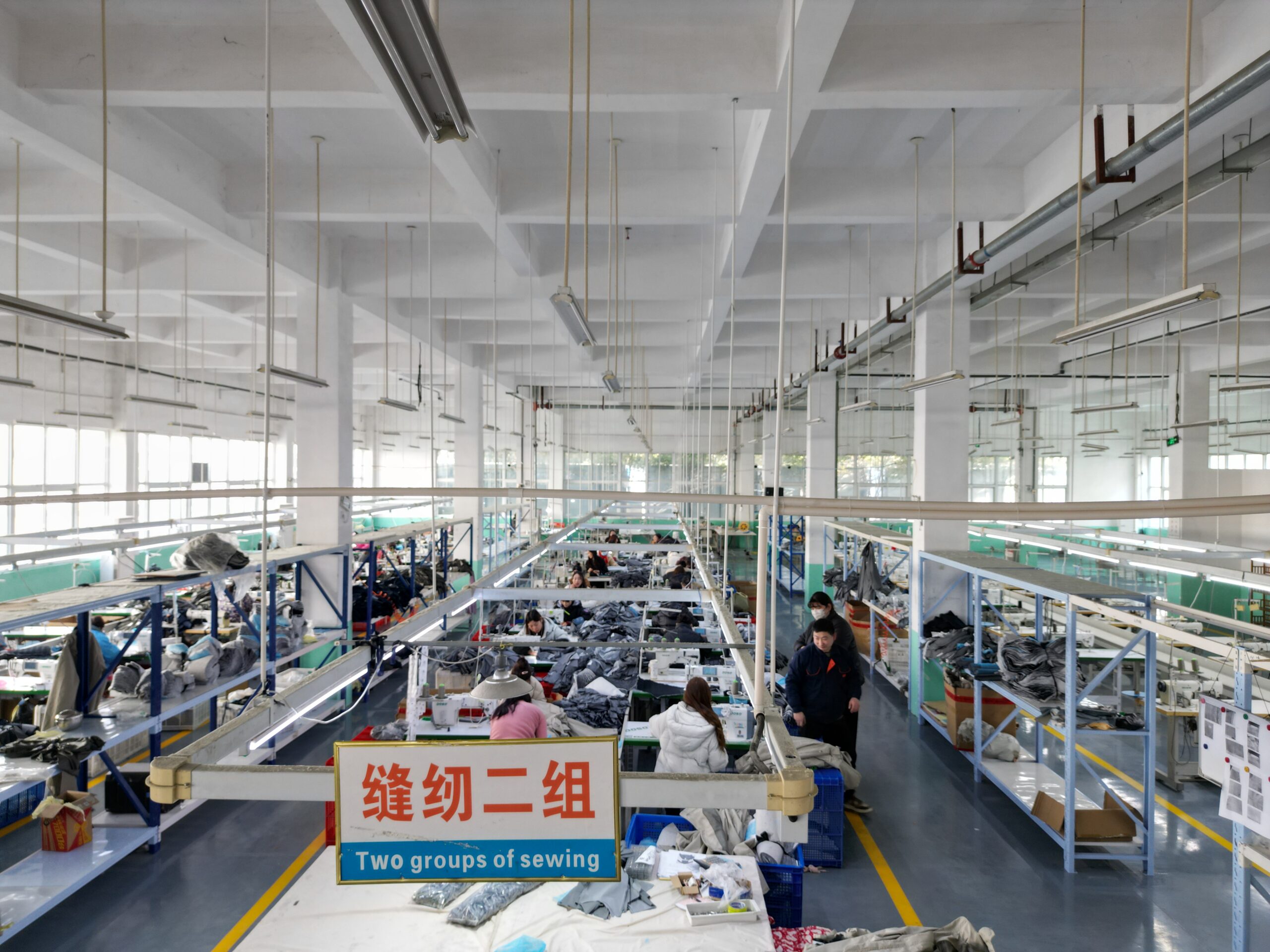
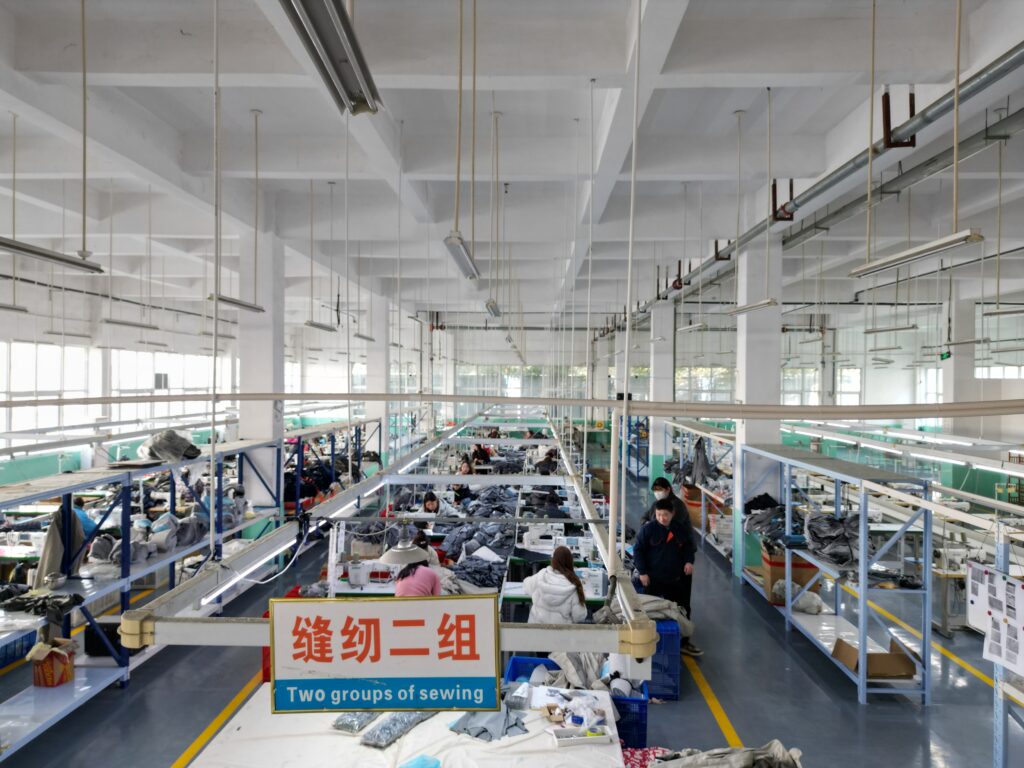
Many European buyers, when visiting a factory, focus on sewing machines, cutting tables and ironing equipment. This hardware certainly matters, but one detail is often overlooked: whether the workshop is clean. Is the floor piled with thread ends and fabric scraps? Are cut pieces stacked in order? Are the trash bins overflowing? Are there months of dust accumulated in the corners? These things may seem unrelated to garment quality, but they actually say the most about a factory’s management level.
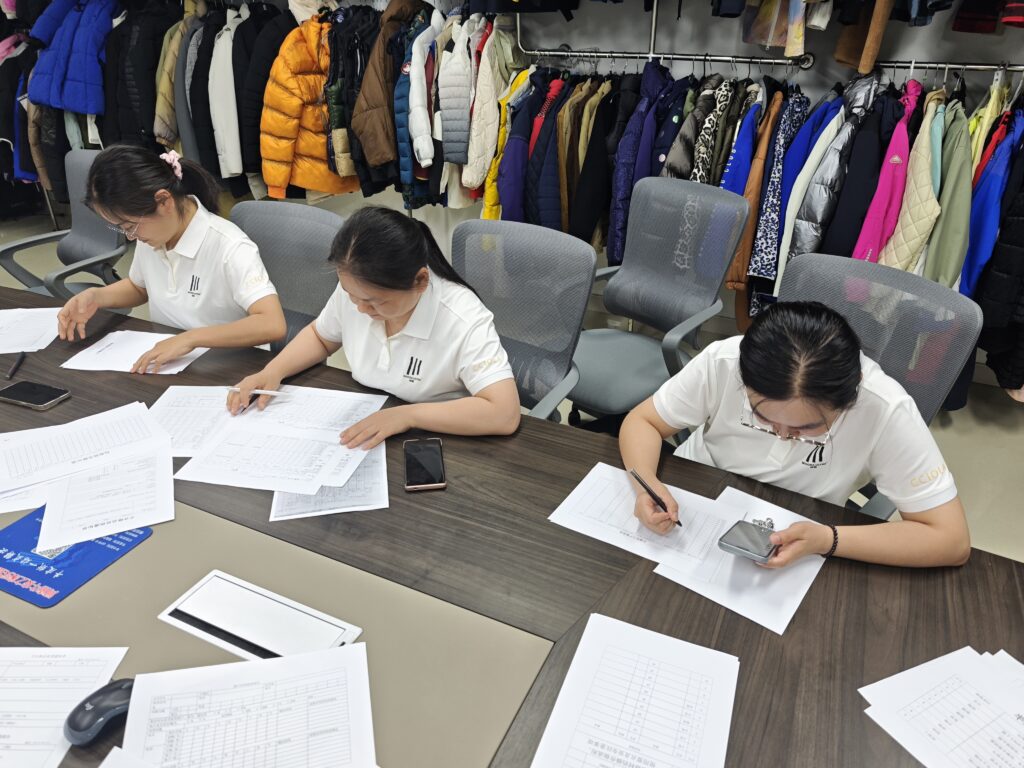
A clean workshop first of all shows that management has rules. Workers know where to return used bobbins, cut pieces and trims; waste is cleaned up regularly; machine surfaces are not covered with thick grease and dust. These small things depend not on a one-time cleanup, but on daily systems. A factory that cannot even manage its floor is unlikely to persist with quality standards and workmanship requirements. Conversely, a factory that keeps cleaning as a habit is usually more particular about other processes too.

Workshop tidiness directly affects finished product quality. Fabric fears dust, hair and stains most. If the workshop floor is full of thread ends and fabric scraps, workers can easily bring dirt onto the fabric when moving cut pieces. A dark jacket stained with light thread ends, or light fabric stained with oil, can be costly to rework when discovered at final inspection. A clean workshop significantly reduces the occurrence of such basic problems.
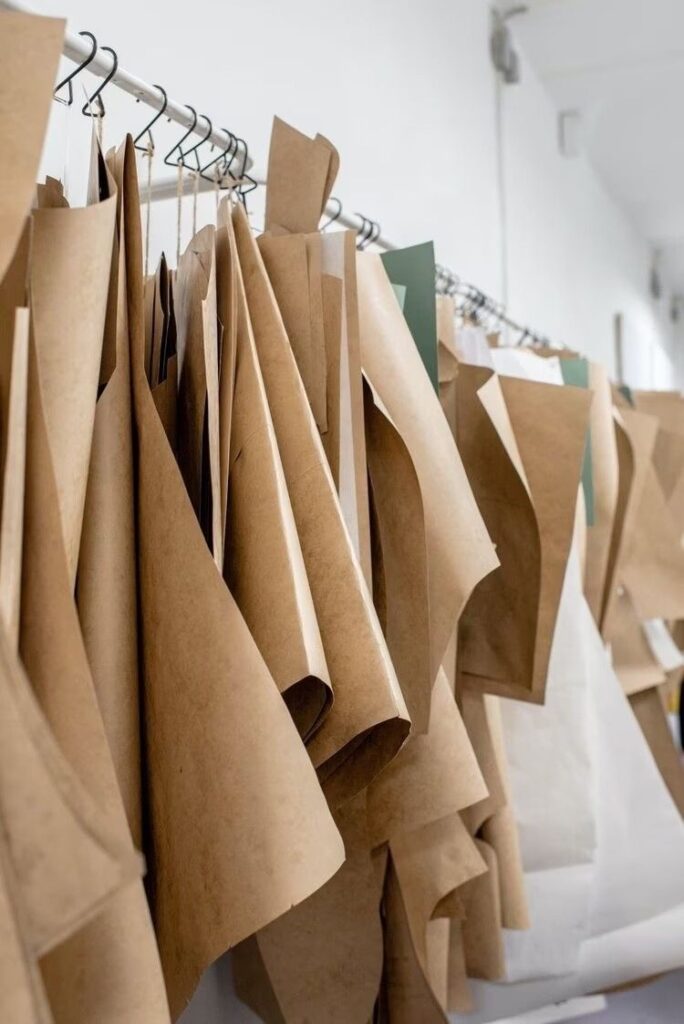
An orderly workshop also means fewer mistakes. Cut pieces are stacked by size, color and style in separate areas, so workers are less likely to mix them up. Trims — zippers, buttons, webbing — are kept in fixed locations so the wrong color or model is not picked. When a workshop is chaotic, workers waste time looking for things and are more likely to make mistakes in a hurry. A tidy environment lets workers focus on their hands, not on searching for materials.

A clean workshop also makes it easier to spot problems. With clear floors, wide aisles and neatly stacked work-in-progress, a quality inspector can walk through and immediately see where something is abnormal: which batch has been sitting too long, which operation is stuck, which colors got mixed. By contrast, if the workshop is piled up like a warehouse, problems are hidden and often discovered too late. Good quality control is not just final inspection; it is being able to see clearly during production.
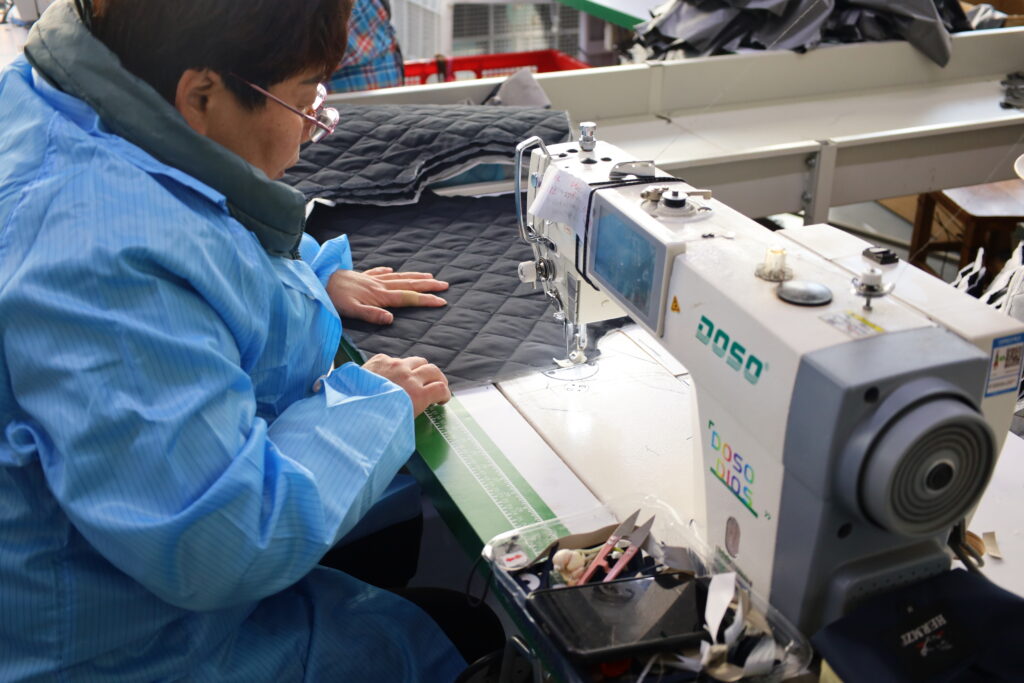
Workshop hygiene also reflects workers’ state of mind. People work differently in a clean, bright environment. Workers who spend long periods in messy surroundings get tired, careless and have higher turnover. A well-managed factory with a comfortable environment also has more stable workers, and their workmanship is more consistent. Buyers may not see this directly, but it shows in the consistency of every batch.
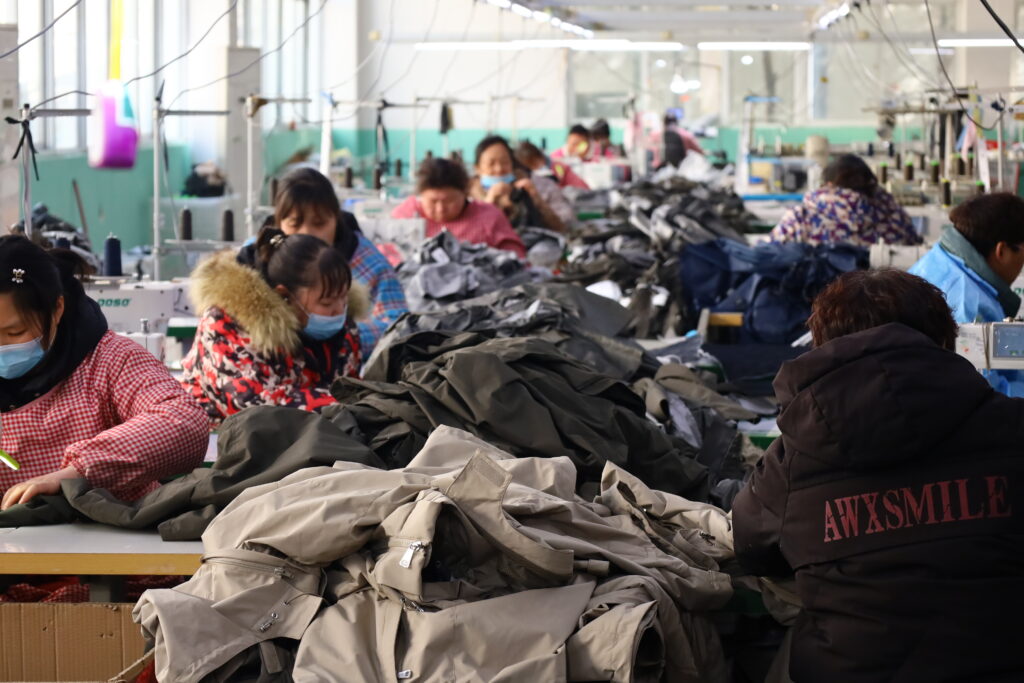
How do you judge during a visit? Do not only look at the sample room and office area; walk straight into the bulk production workshop. Check whether the floor is swept in time, whether cut pieces are stacked neatly, whether sewing machine tables are clean, whether waste bins are separated, and whether the fabric warehouse is protected from moisture and dust. If these details are good, the factory has daily management awareness. If you smell machine oil as soon as you enter, see fabric piled everywhere and have nowhere to step, be more cautious.
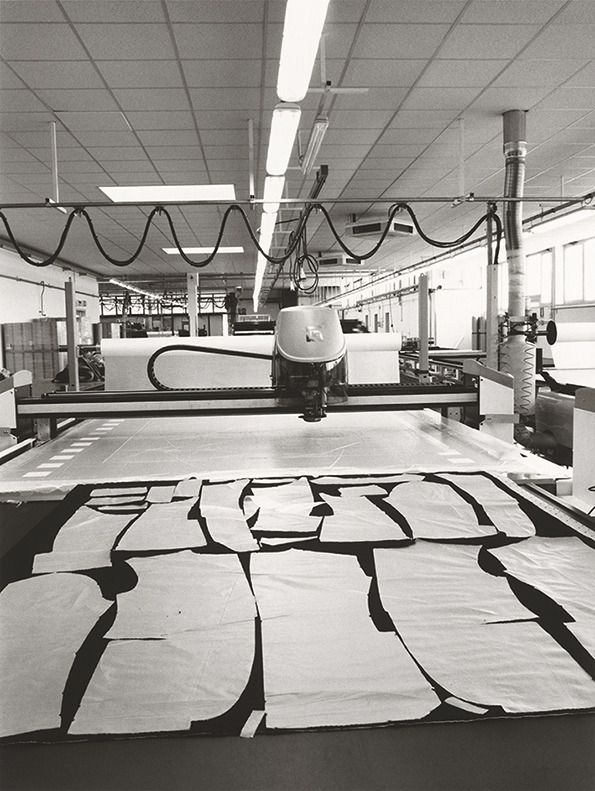
So, why does a clean factory workshop usually mean better quality control? Because tidiness is not just window dressing; it is an extension of management capability. It means the factory has processes, discipline and standards, and that workers can produce consistent products in a clear environment. For buyers, a clean workshop says more than any slogan hanging on the wall.