



Новости
What Jacket Fit Do European Buyers Actually Prefer?
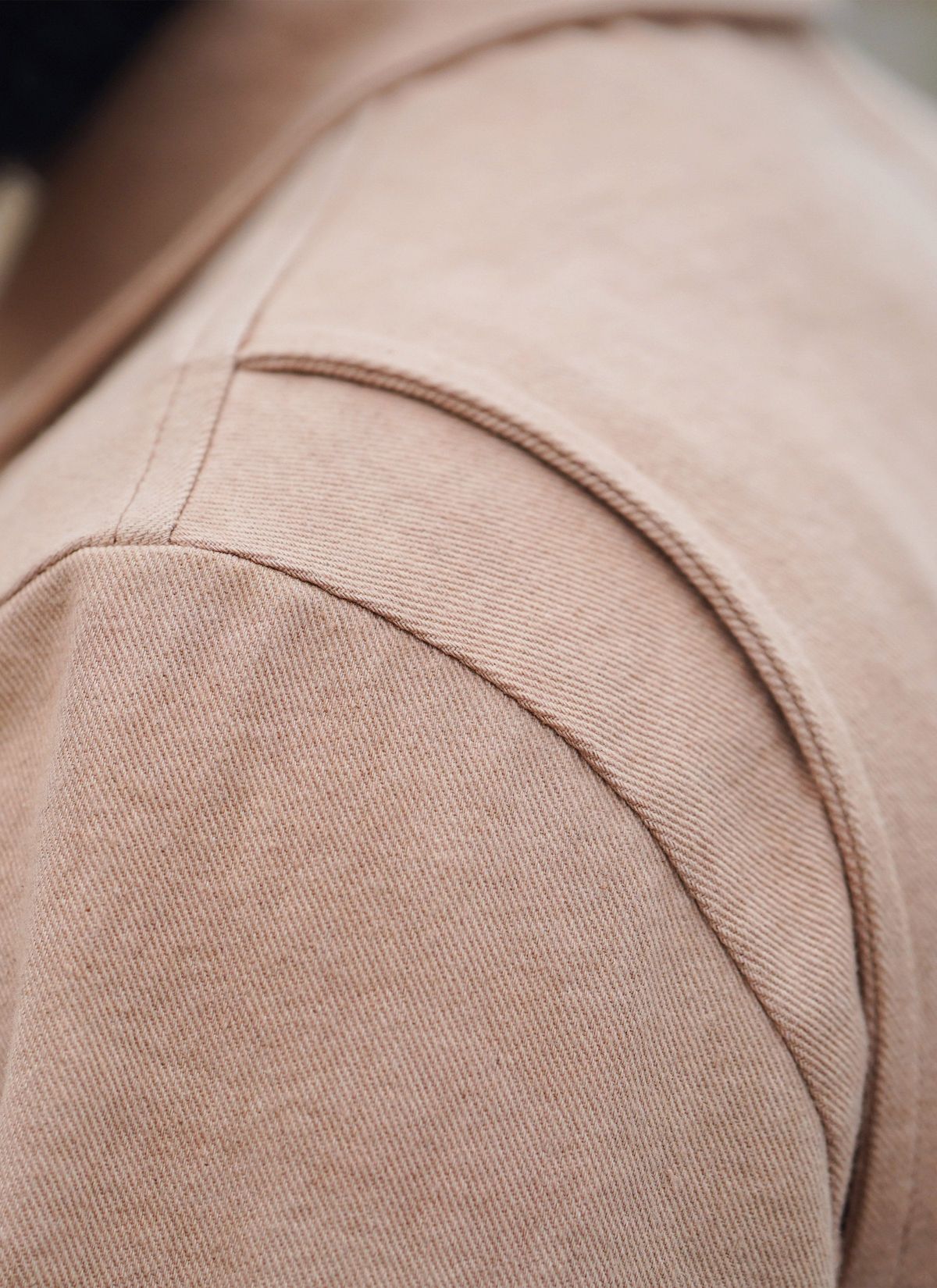
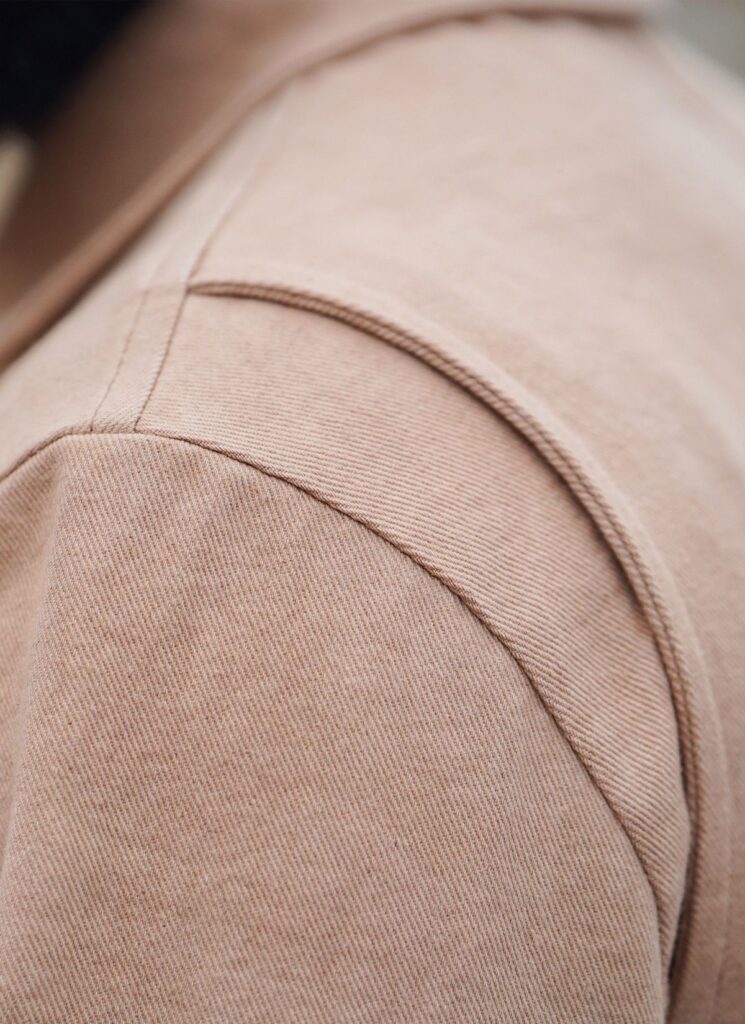
Many Chinese factories still design jacket patterns with an “Asian mindset” — narrow shoulders, short body length, pronounced waist shaping. But European pattern preferences are entirely different. Without understanding these differences, even the best-made jacket won’t sell.
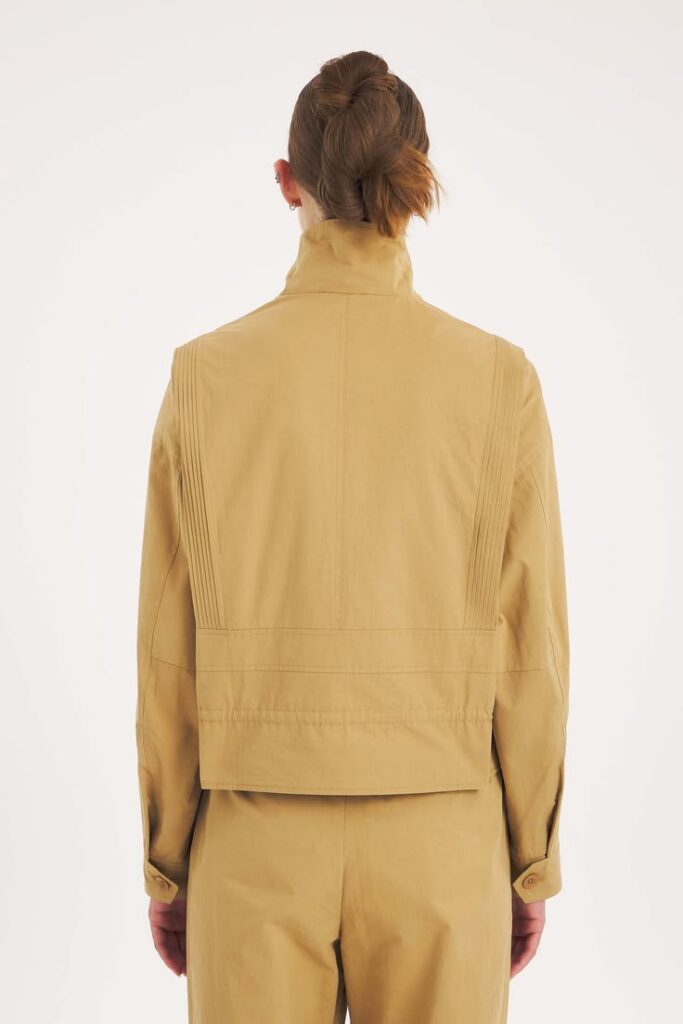
European men generally have broader shoulders and thicker chests. Their first requirement for a jacket is shoulder fit with enough room for movement. Asian patterns often place the shoulder line right at the shoulder point — it looks sharp but feels restrictive when raising arms. European patterns extend the shoulder line 1-2 cm outward and raise the sleeve head accordingly, maintaining clean lines while allowing full arm mobility. This sounds simple but affects everything — change the shoulder line and the armhole, side seam and back width all need adjusting. It’s not just a matter of sizing up. Many factories assume enlarging a medium chest measurement makes it “European fit,” but the real problem is failing to adjust the pattern structure itself.
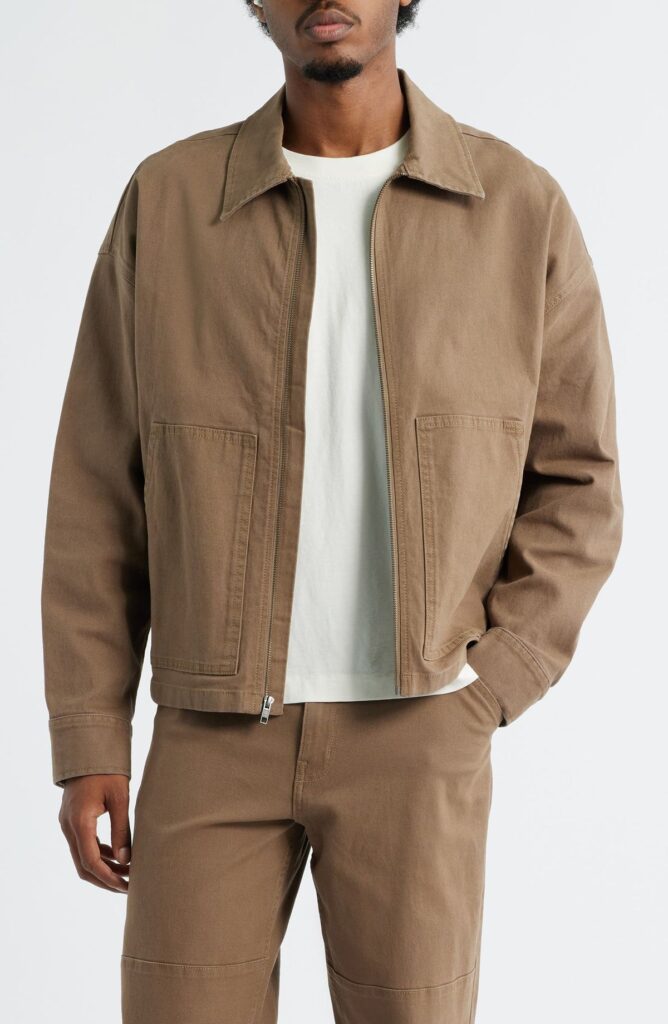
Body length is another key difference. Asian patterns tend to be shorter, creating a leg-lengthening effect. Europeans, however, dislike jackets short enough to expose the belt. For men’s casual jackets in the European market, standard back length falls between 68 and 74 cm, adjusted by height range. Insufficient length is the first thing European consumers notice — they’ll reject it as “doesn’t fit” regardless of fabric or craftsmanship. Europeans also tend to be taller — the 175-185 cm height range accounts for the largest consumer segment. Body length must match height, otherwise the jacket’s proportions look off, like wearing someone else’s clothes.
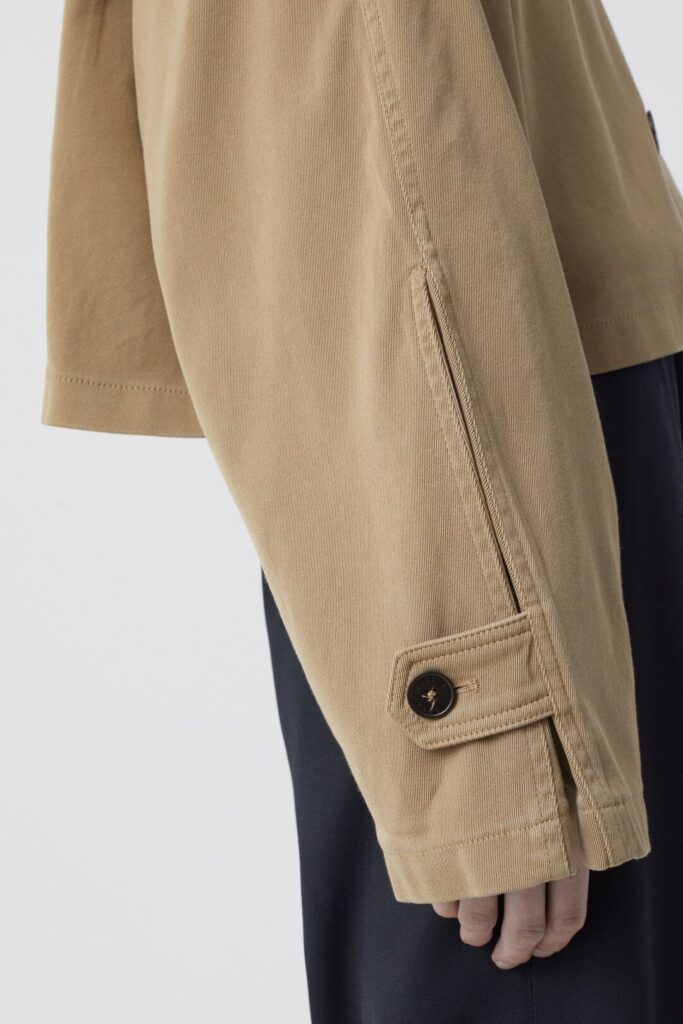
Waist shaping differs too. Asian markets prefer slim-fit silhouettes with pronounced waist suppression, but Europe has been trending toward “moderate ease” — not oversized, but definitely not tight. Workwear-style jackets in particular originated from functional garments where ease of movement matters most. Forcing a workwear jacket into a slim fit leaves European buyers confused about the positioning — neither fashionable enough nor practical enough. Specifically, European casual jackets typically allow 8-12 cm of ease at the chest, workwear styles run 12-16 cm, while Asian slim-fit jackets offer only 4-6 cm — a noticeable gap.
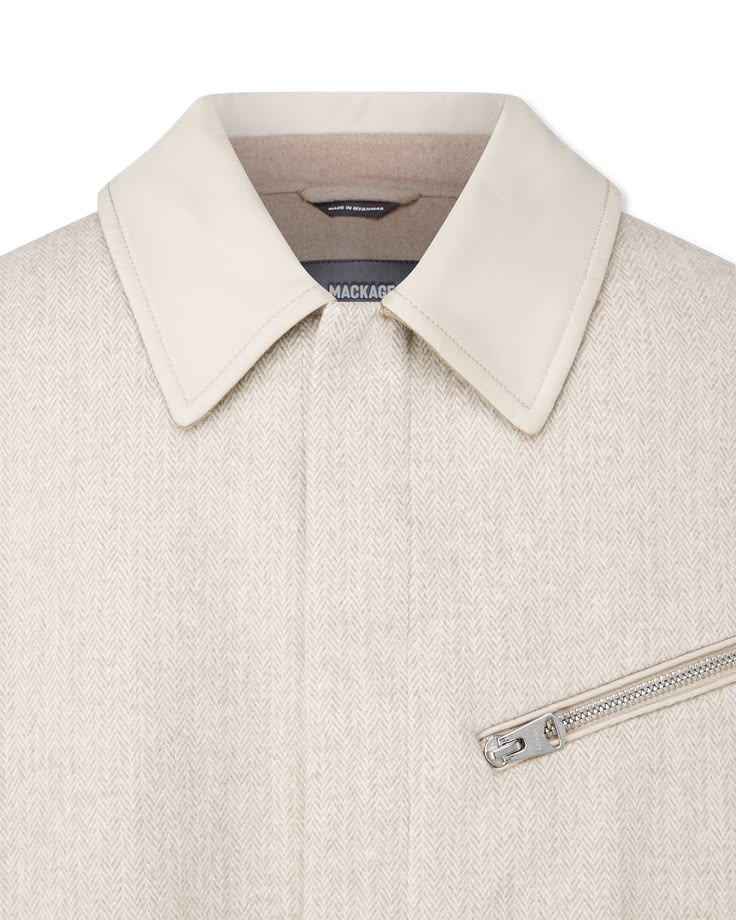
Then there’s sleeve length. European arm proportions run longer than Asian. Following an Asian pattern leaves sleeves short — reaching the wrist reads as too short in Europe. The European standard covers the wrist bone, extending toward the base of the palm, so sleeves don’t ride up excessively when reaching. Short sleeves throw off the entire jacket’s visual balance. Sleeve length also relates to cuff design — ribbed cuffs can afford to be slightly shorter since the ribbing naturally hugs the wrist, but open straight cuffs must be long enough, otherwise wind drafts in and insulation suffers.
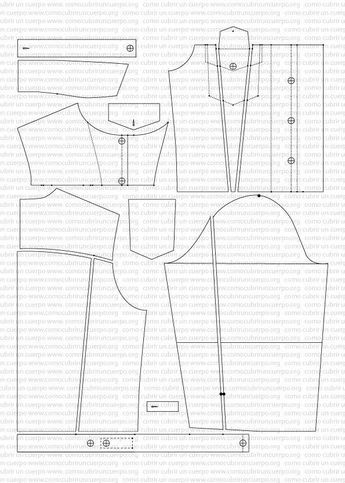
Collar shape is another easily overlooked detail. Asian markets favor small lapels for a sharp, tidy look. Europeans prefer slightly wider collars — 7-9 cm lapel width is common for casual jackets. A collar that’s too small makes the head appear disproportionately large. Collar stand height matters too — European patterns typically run 0.5-1 cm taller than Asian versions, so the collar sits closer to the neck when raised, without gaping.
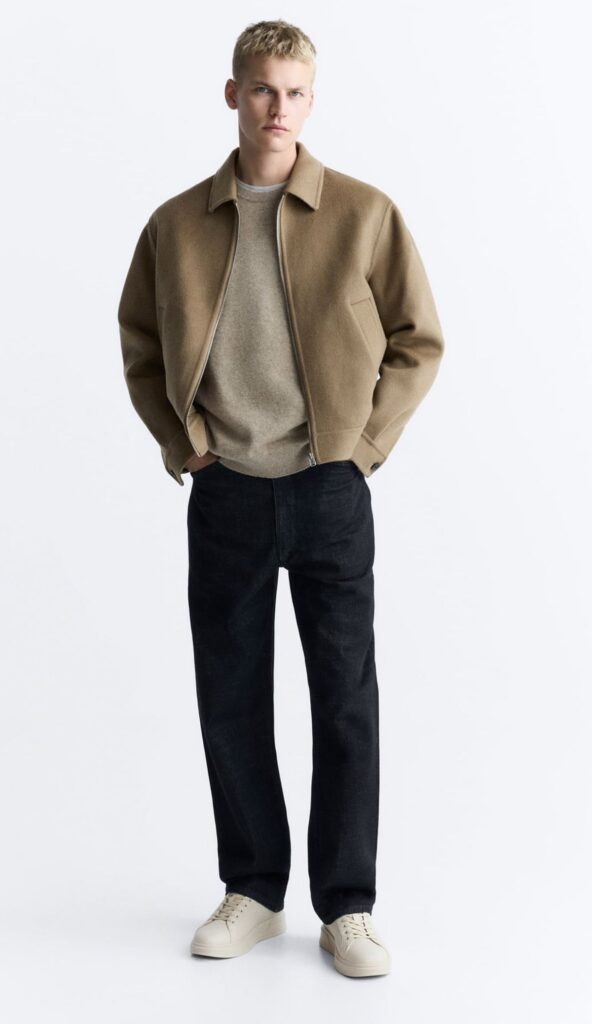
Pattern adjustment isn’t simply scaling up. From shoulder line, body length, waist shaping, sleeve length to collar shape — each element must align with the target market’s body characteristics and wearing habits. Get the pattern right first, then everything else follows.