




Новости
What Does 20 Years of Garment Export Experience Actually Bring?
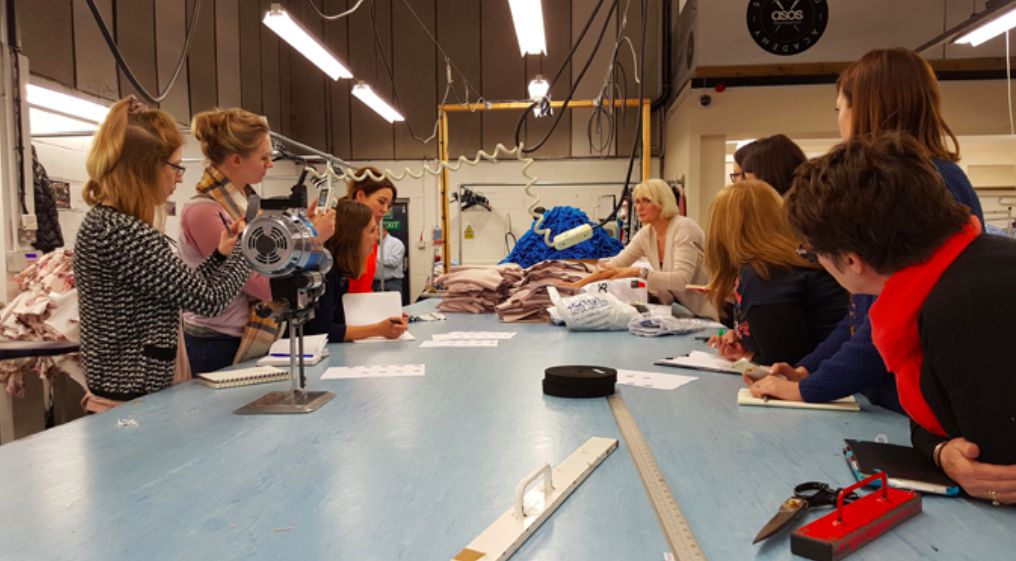
Most buyers selecting suppliers focus first on price and minimum order quantity, then on certifications and production capacity. Few treat “experience” as a key evaluation dimension. Experience is invisible and intangible — unlike price or certificates — yet it often determines whether an order delivers smoothly. A team with 20 years of garment export experience and a team with two to three years behave completely differently when handling problems.

The first value of experience is problem foresight. An experienced salesperson, when communicating requirements with a client, already anticipates which design elements will create production challenges. Which special fabrics require specific cutting methods, which styles present size control difficulties in bulk production, which processes may trigger disputes under foreign buyer acceptance standards — these insights come only from paying tuition through countless orders. Choosing an experienced supplier means many potential problems surface and get resolved during the sampling stage. Choosing a less experienced supplier means problems often surface only during bulk production or even after shipment — when rework and remediation costs far exceed the fees saved initially.
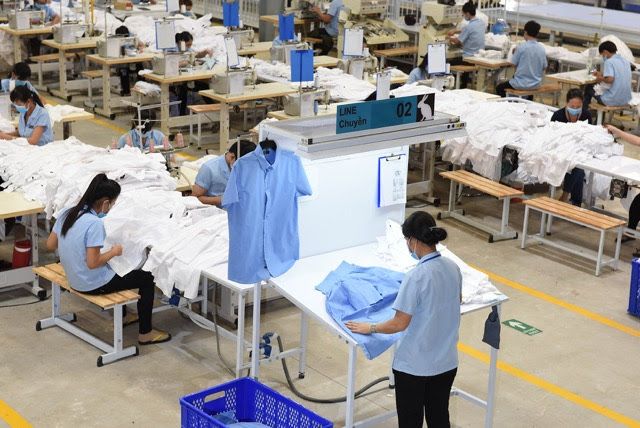
The second value is process management stability. Garment export flows through dozens of stages from inquiry to shipment: sampling, confirmation, fabric sourcing, accessory sourcing, production scheduling, cutting, sewing, inspection, packaging, booking, customs declaration, shipping. Every stage carries potential delay or quality risks. Experienced teams anticipate problems at each stage, arrange buffer time in advance and prepare contingency plans. When fabric arrives late, experienced teams confirm delivery dates with suppliers in advance while adjusting production schedules to protect the overall timeline. When inspection reveals quality issues, experienced teams quickly determine whether problems are local or systemic — local issues get reworked immediately, systemic issues trigger same-day process adjustment meetings. Less experienced teams spend hours just figuring out what happened, wasting precious remediation time.

The third value is understanding buyer needs. Garment export differs from domestic trade — language, culture, legal regulations and consumer preferences all vary. The same requirement “collar should be smooth” might mean collar起伏 no more than 2 millimeters for a European buyer, while another buyer simply wants it to look acceptable overall. Teams with 20 years of European buyer engagement have long mastered different buyer habits and preferences across countries, knowing which details allow flexibility, which must be strictly controlled, and which disputes arise from misaligned standards requiring proactive alignment. This precise understanding of buyer needs cannot be learned from training materials alone — it builds through repeated communication, confirmation and collaboration across countless orders.

The fourth value is composed, professional handling of unexpected situations. Unexpected situations are nearly inevitable during order execution — shipping company congestion, port strikes, fabric color deviations from approved samples, buyer-initiated revision requests, third-party inspection failures requiring rework. When facing these, a team with 20 years’ experience doesn’t panic or deflect — they analyze calmly, assess impact, propose solutions and communicate promptly with buyers. Having navigated many problems before, they instinctively know which can be salvaged, which require damage control, which need timeline adjustments and which demand racing against the clock. Less experienced teams easily panic in unexpected situations, frequently contacting buyers to report “there’s a problem” without proposing solutions, eroding buyer confidence in the supplier.
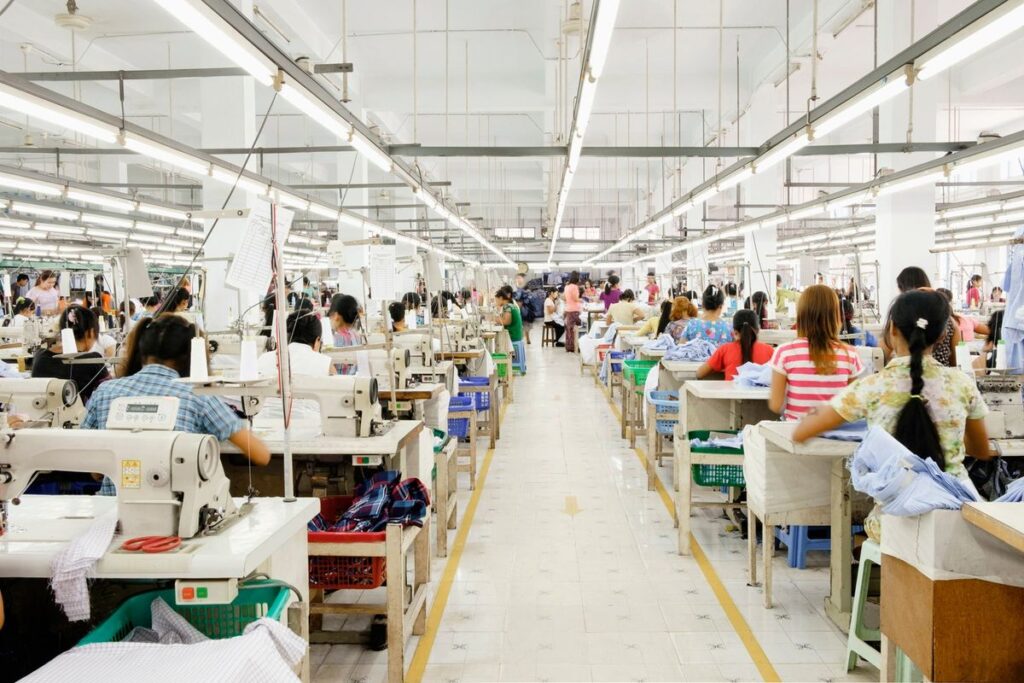
The fifth value is reputation and resources built over long-term cooperation. A supplier with 20 years of history has accumulated industry reputation and client relationships — meaning it’s not a short-sighted operator chasing quick deals. Long-term cooperation rests on trust, built through on-time delivery, consistent quality and proactive problem resolution across every past collaboration. These accumulations cannot be replicated quickly by newly entering companies. When buyers choose suppliers with established history, they’re choosing a partner already stress-tested by the market.
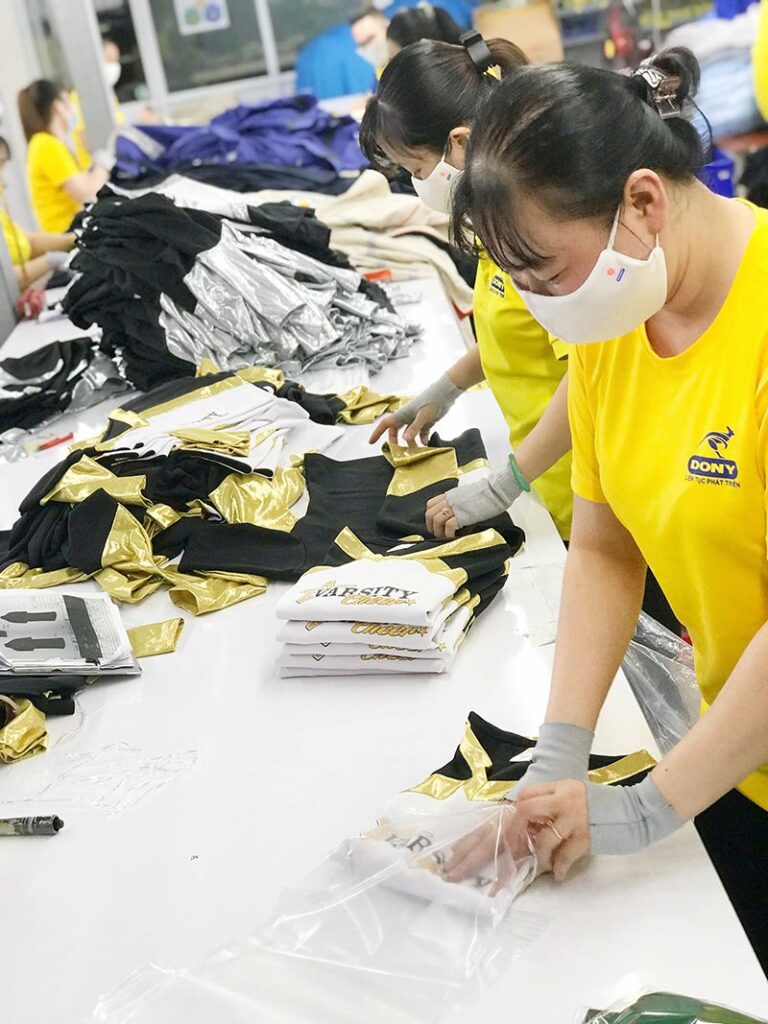
In summary, 20 years of garment export experience is not empty marketing language — it manifests in problem foresight, process control, buyer need understanding, unexpected situation composure, and long-accumulated industry reputation. Choosing an experienced supplier means buying not just products, but the risk management capability that comes with experience and professionalism.