



Notícias
What Do Mid-Production and Final Inspections Check for Winter Jackets?
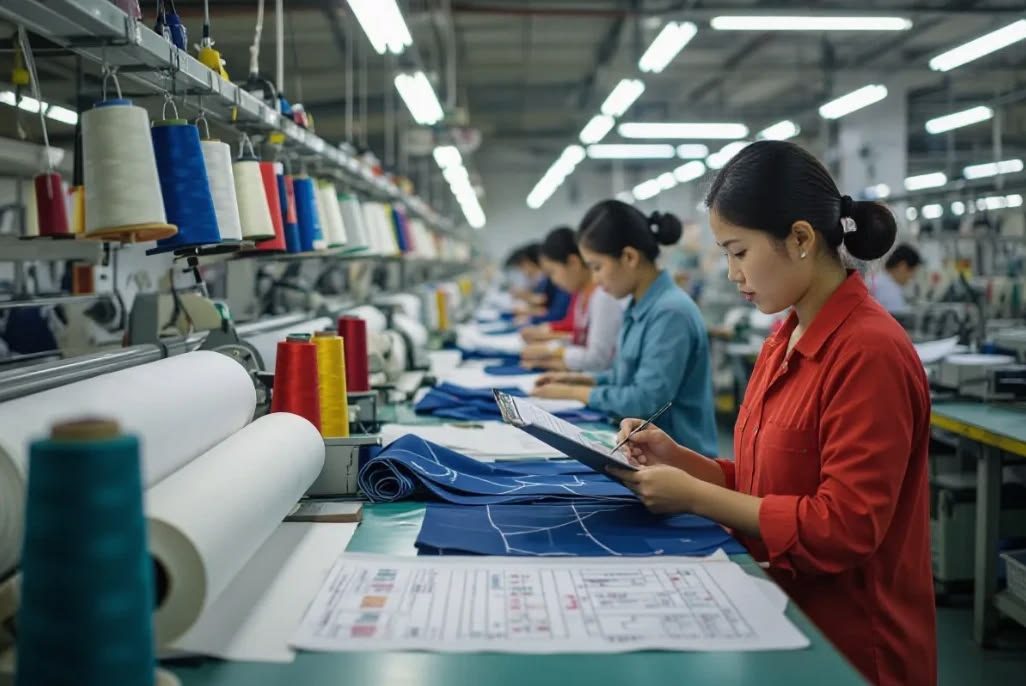
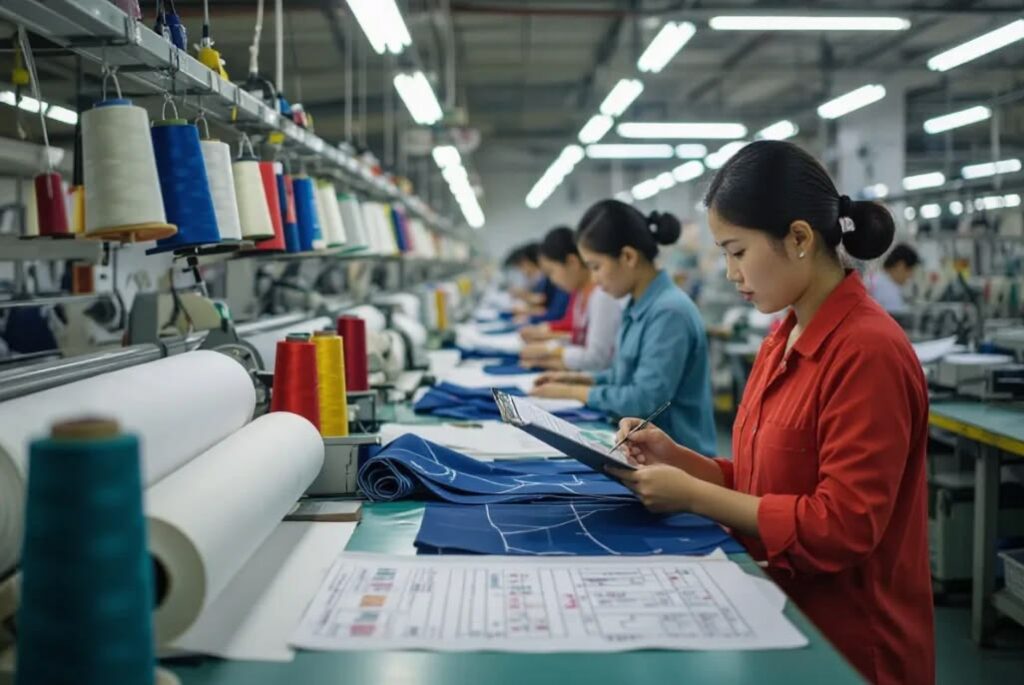
For export orders entering bulk production, inspection isn’t something done only at the end. Mid-production inspection and final inspection are the two most critical checkpoints before shipment. Mid-production inspection catches problems while there’s still time to rework; final inspection confirms the entire batch’s quality status and decides whether it can be released for shipping. The two inspections focus on different areas — problems at either stage seriously affect delivery and cost.
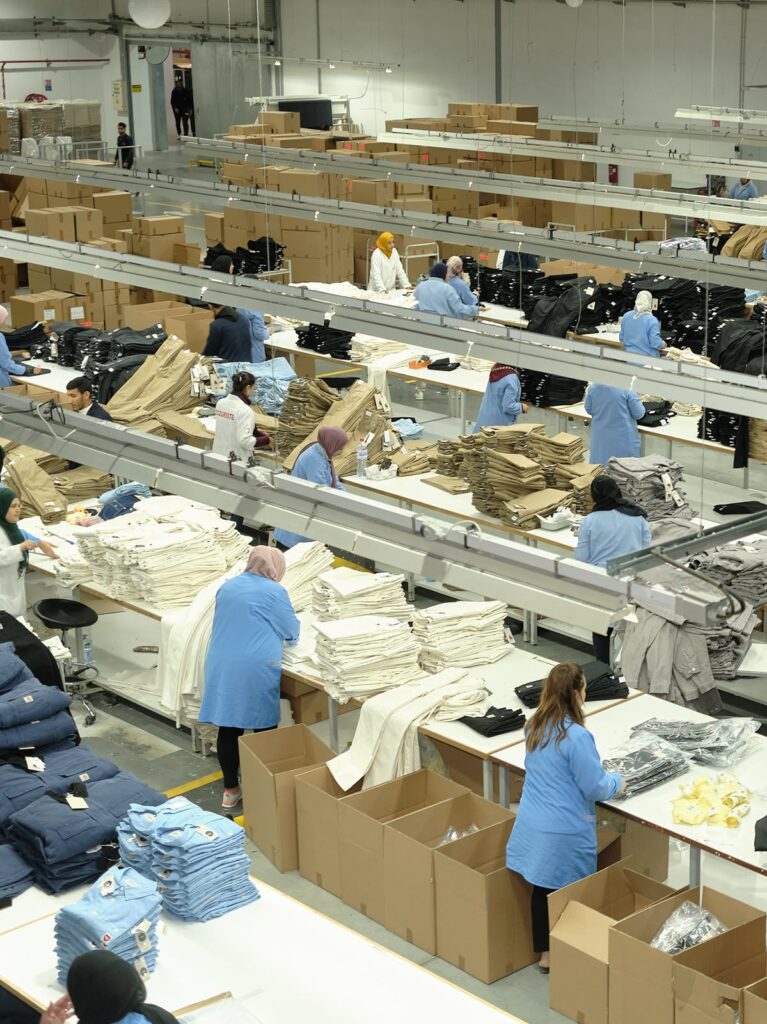
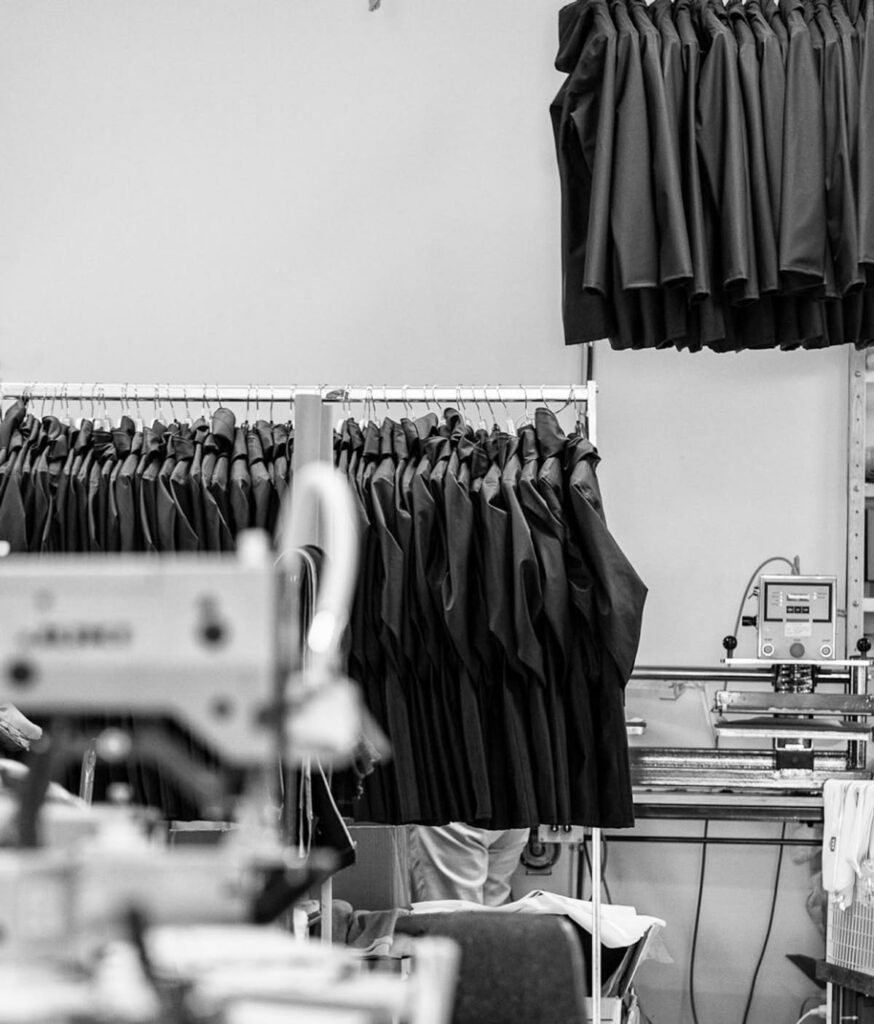
When is mid-production inspection conducted. Mid-production inspection typically happens when 30-50% of bulk production is complete. Too early reveals nothing; too late leaves no time for correction. During inspection, half the workshop may still be working, with semi-finished and finished goods mixed together — inspectors must distinguish between completed and in-process items and record their status separately. The core purpose is finding problems, assessing risk and confirming the quality status of remaining production.
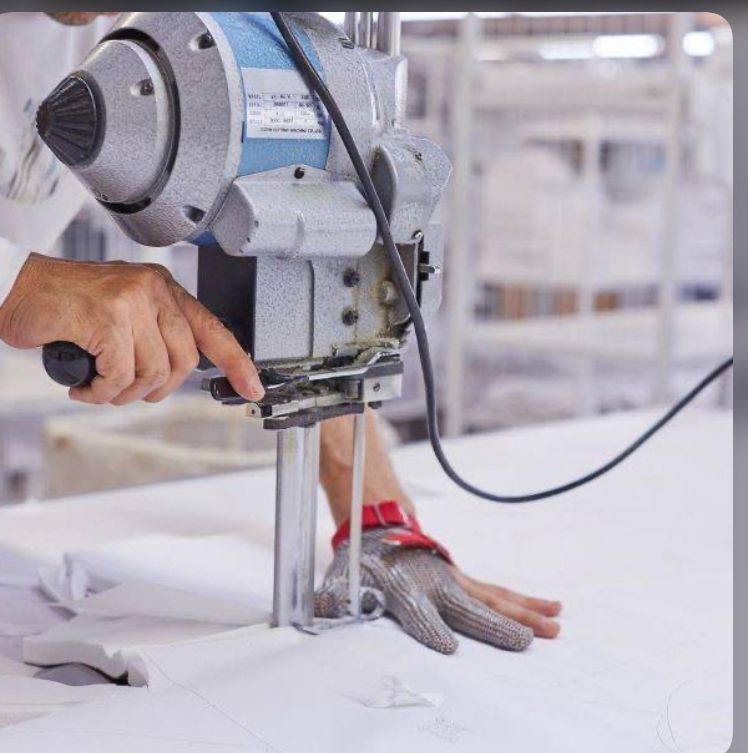
What does mid-production inspection check. First, completed workmanship: cut panels for frayed edges, seams for skipped stitches, pocket openings for misalignment — each completed process goes through one by one. Second, semi-finished product condition: quilting panel uniformity, fill weight accuracy, quilting stitch run-offs — these are winter-jacket-specific process issues, easier to adjust the earlier they’re found. Third, on-site management: whether defective items from earlier processes are separately stored, finished and semi-finished goods kept apart, adequate inspection and rework staff available. Fourth, material status: remaining fabric quantity, accessory sufficiency, fill material inventory — these determine whether subsequent production proceeds smoothly.
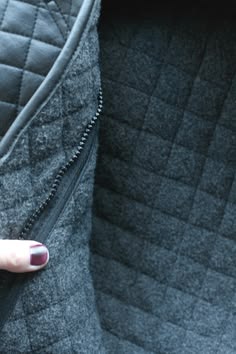
How to handle mid-production inspection findings. Localized issues — a process deviation in one operation — generate a corrective report requiring factory rework within a specified time, followed by re-inspection. Systemic issues — factory process standards originally misaligned with contract requirements — may require an emergency meeting to reconfirm process documents and specifications. Worst case: bulk material or fill quality problems discovered mean potentially entire-batch rework or re-procurement, with delivery delays almost inevitable.
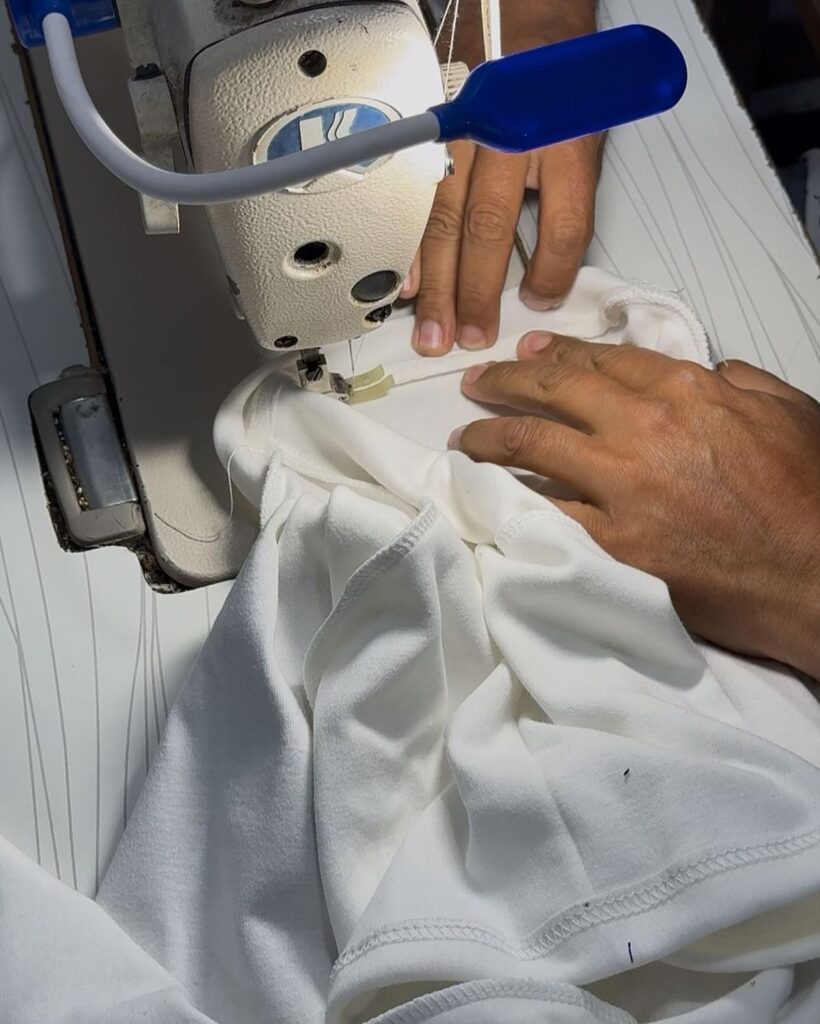
When is final inspection conducted. Also called end inspection or pre-shipment inspection, final inspection occurs when 80% or more of bulk production is complete and packaging is substantially finished. It’s the last comprehensive review before factory release — the buyer’s third-party inspection agency or their own QC arrives to randomly sample from packaged cartons according to AQL sampling standards and conduct item-by-item inspection.
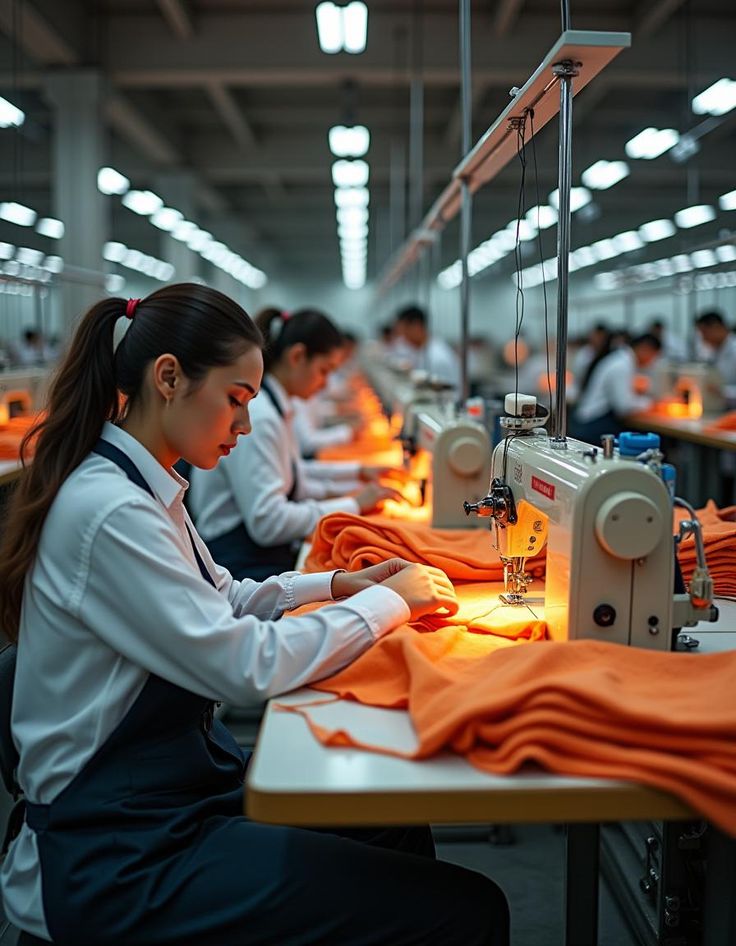
What does final inspection check. Appearance inspection is first: inspectors lay samples flat on the inspection table, checking fabric surface for defects, stains or color inconsistency, whether loose threads are cleared, zippers function properly, buttons securely attached, labels content-accurate and positioned correctly. These sound like details, but any failure causes the entire batch to be rejected. Second is dimensional measurement: inspectors measure collar, shoulders, body length, sleeve length, chest, hem and other points according to the contract-specified method, with tolerance typically plus or minus one to two centimeters — exceeding tolerance means failure. Third is functional testing: zipper smoothness, button pull strength, seam integrity — these are winter-jacket-specific functional checks. Fourth is packaging inspection: whether packaging method matches contract requirements, per-carton quantities correct, outer carton marking information complete. Fifth is quantity verification: actual packed quantity matches contract quantity, no short-shipment.
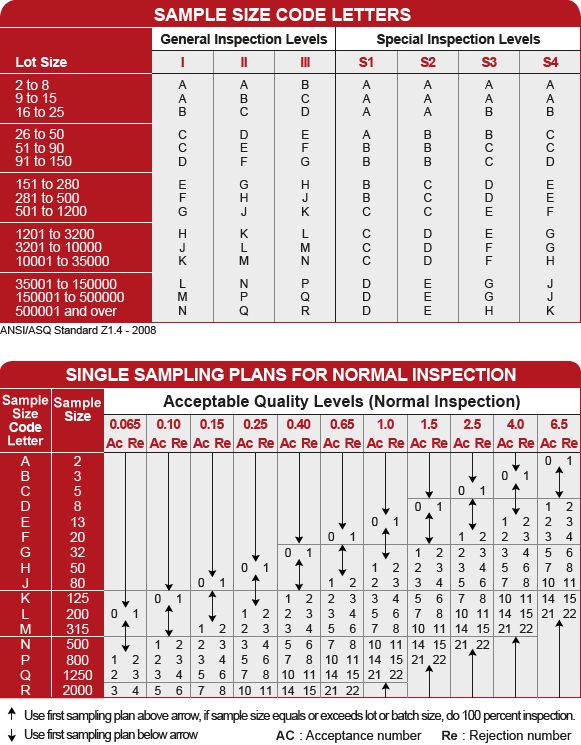
What does AQL mean at final inspection. AQL stands for Acceptable Quality Limit — the internationally recognized sampling inspection standard. For winter jackets exporting to Europe, AQL 2.5 is commonly used, meaning a certain proportion of defective items is permitted. Inspectors sample a set number from the entire batch according to AQL 2.5 standards, check every inspection point, and each point has a fixed allowable defect count. If any point’s defect count exceeds AQL-allowable levels, that point fails — the entire batch requires full inspection or rework before re-inspection. Different clients require different AQL standards: some require AQL 4.0, some AQL 2.5, some zero defects — each standard implies different inspection strictness and cost.
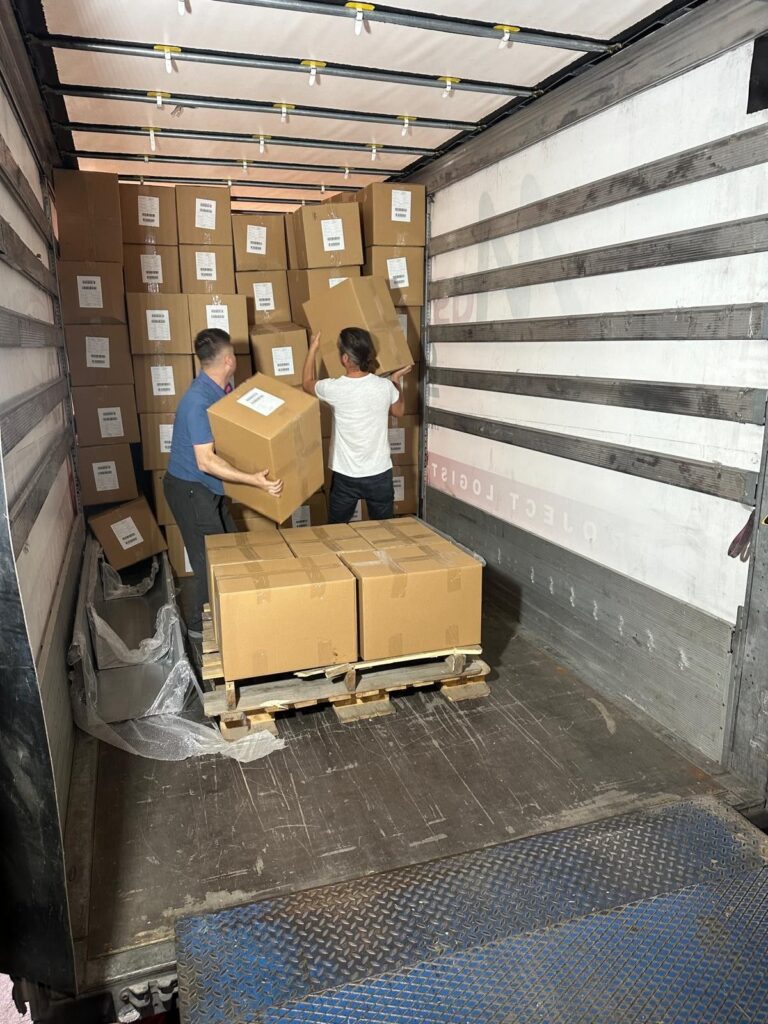
How to handle final inspection results. Results typically fall into three categories: pass, pass with conditions, fail. Pass means the batch is released for shipping and payment can be collected. Pass with conditions means minor issues requiring correction before shipment — common scenarios include rework of small quantities, supplementing missing labels, repacking a few cartons. Fail means serious quality problems or significant shortage — the batch cannot ship, requiring full rework or replenishment followed by re-inspection. Re-inspection costs are borne by the factory, and delivery delays are inevitable.
Mid-production and final inspections aren’t perfunctory procedures — they’re the buyer’s last line of defense for quality control and risk management. Factory cooperation with both inspections is the basic guarantee for smooth delivery.