



Notícias
How to Verify If a Chinese Supplier Is a Real Factory or Just a Trading Company?


Many European buyers encounter a problem when dealing with Chinese suppliers: the other party claims to be a factory,
Check the company name and business scope. Chinese company registration information is public and can be looked up on platforms like Tianyancha or Qichacha. A factory’s business scope typically includes terms like “production,” “manufacturing” or “processing.” A trading company’s business scope usually covers “sales,” “trading” or “import/export.” If a company’s business scope only includes sales and trading with no manufacturing, it’s not a factory. This method has limitations though — some large factories have separate trading companies under the same group; nominally a trading company, it’s actually part of the factory. In such cases, checking equity structure is needed to determine the relationship.

Request factory photos and videos. Real factories have workshop photos, equipment photos, finished goods photos — and these photos should appear consistent, from the same location. If the photos the other party sends look downloaded from the internet, or photos show completely different workshop styles, be cautious. A more reliable method is requesting a video factory tour — seeing the workshop, equipment and workers directly via video call. During the video tour, ask random questions like “What model is this machine?” or “How many pieces can this process do per day?” If answers flow naturally, it’s most likely genuine.
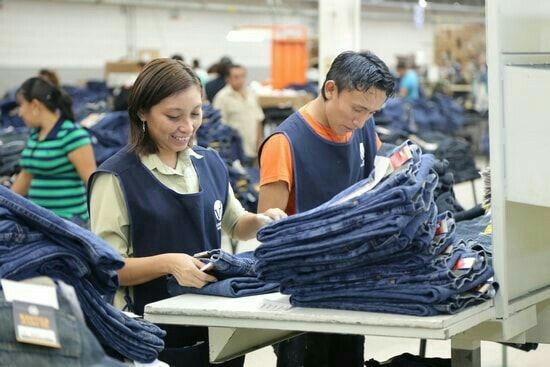
Ask specific production process questions. Factory people are very familiar with their own production processes — from fabric sourcing to cutting, sewing, pressing, packaging, every stage can be described in detail. Trading company people usually only know quotations and delivery dates; their understanding of production process details is limited. For example, if you ask “Will this fabric shrink and by how much?”, “Has this zipper passed testing?”, “What’s the seam allowance on this jacket?” — factory people give specific answers; trading company people may need to check before replying, or reply vaguely. Ask several process details and whether the other party is a factory becomes clear.
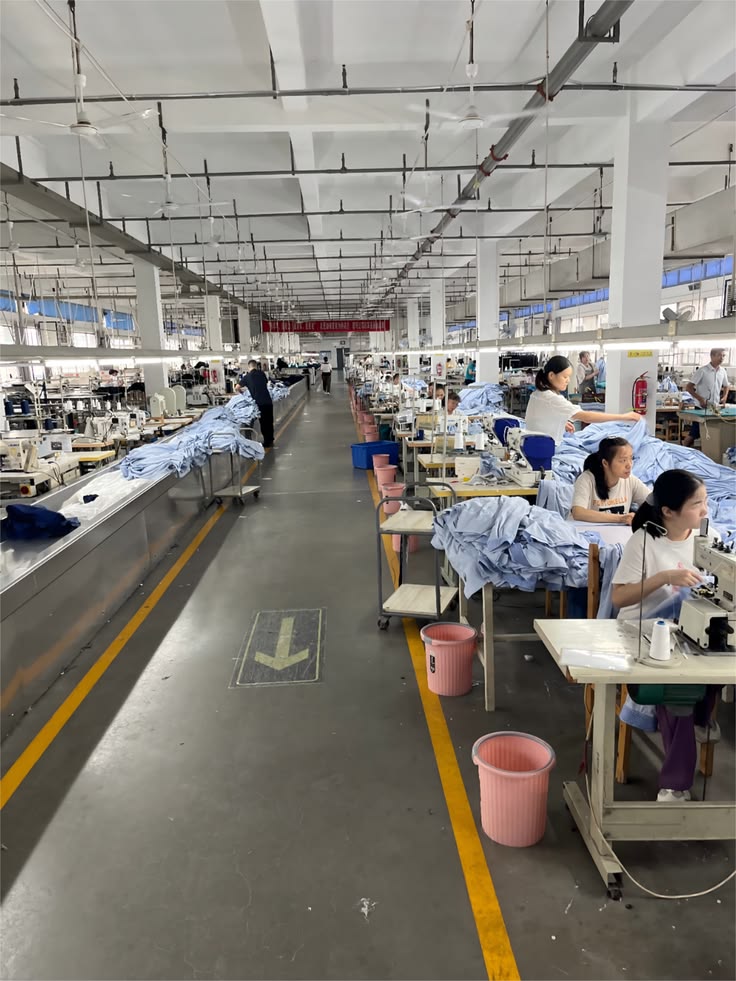
Request a factory visit. When traveling to China, request a visit to the supplier’s factory. This is the most direct, most reliable method. Real factories aren’t afraid of you looking — they’ll proactively arrange workshop tours, show sample rooms, and hold meetings to explain processes. If the other party keeps finding excuses to decline — “the workshop is under renovation recently,” “too busy with orders to accommodate visits” — be alert. Of course, some real factories may temporarily be inconvenient for visits due to scheduling, but this is rare, and they’ll give specific, credible explanations.
Check certifications and audit reports. Real factories usually hold various certifications like ISO9001, BSCI, OEKO-TEX — these require auditors to physically visit the factory for inspection. Trading companies can also hold these certifications,

Look at quotations and communication style. Factory quotations are usually straightforward — cost structures are clear, with material costs, processing fees and overhead listed separately. Trading company quotations are usually one total price; asking for details may yield unclear cost breakdowns. In communication style, factory people use technical terms and discuss issues from a production perspective; trading company people use business language and respond more from a customer needs perspective. This distinction requires several interactions to sense,
In summary, verifying whether the other party is a factory or trading company isn’t about what they say — it’s about evidence, details and responses. On-site visits are most reliable, but if that’s not immediately possible, video factory tours, checking registration information and asking process details can still help form a basic judgment.