
Notícias
Designing for Real-Life Scenes: How Use Decides the Padded Coat
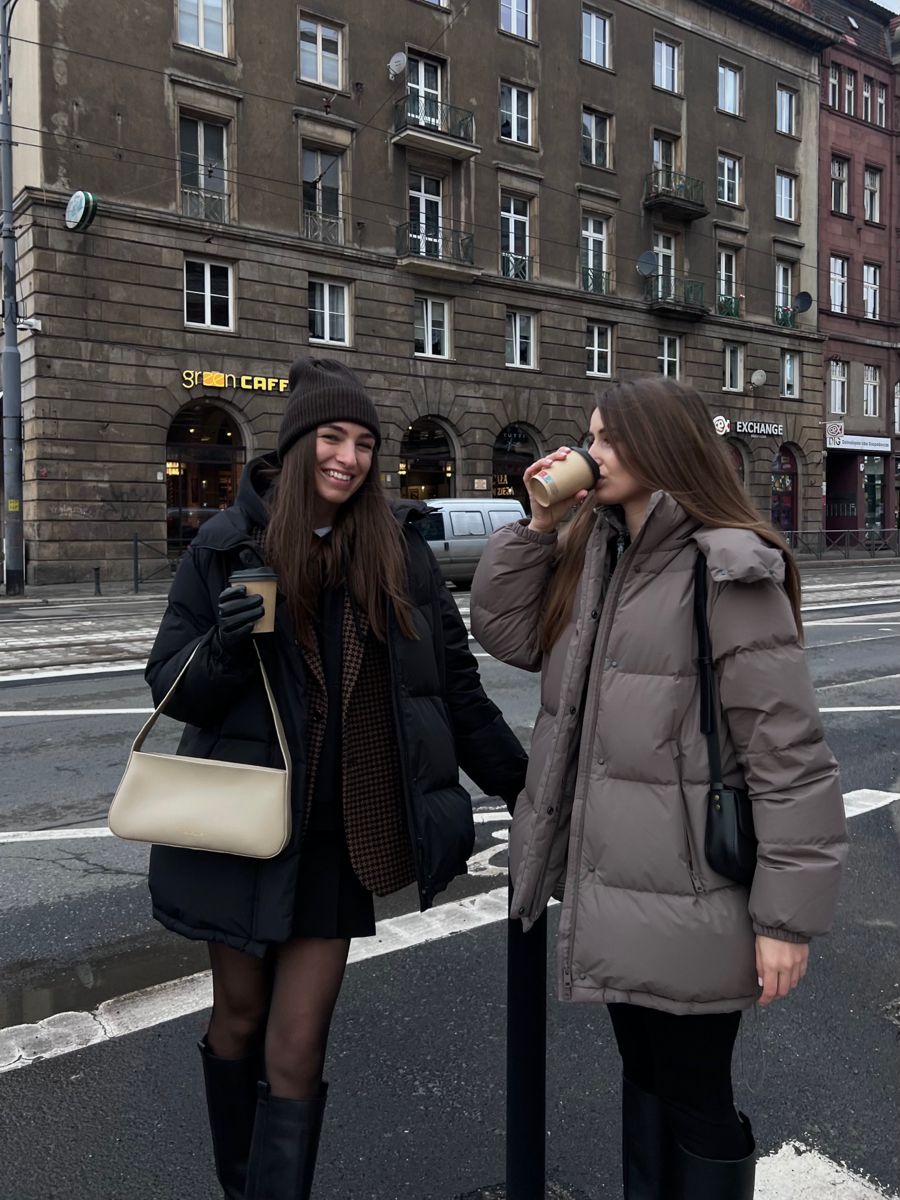
When European buyers come to discuss a new style, the conversation usually starts with the look: long or short, stand collar or hood, how many pockets. It is a convenient way to talk, but it skips a more important question — in what situation will the customer actually wear this? After years of making padded coats, we increasingly believe that what decides whether a garment works is not how it looks in a photo, but what the wearer needs to do while wearing it. The driver, the cyclist and the person walking the dog may wear the same coat, yet they complain about completely different things.
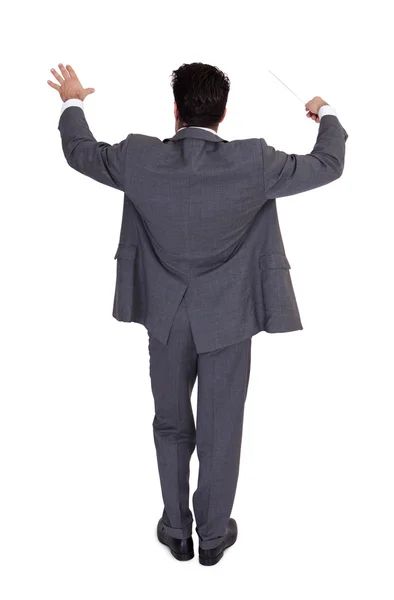
The reason the scene matters is that the body makes contradictory demands in different postures. Standing up, a fitted garment looks best; sitting down, the hem bunches at the waist and the front rides up. Reaching for something, a jacket with too little armhole room climbs up with the arms and lets cold air in at the waist. No single pattern can satisfy all of this at once, so the only way forward is a judgement: who is this mainly for, that posture gets priority, and the rest compromises. If a buyer can state that priority clearly, half of the pattern direction is already settled.
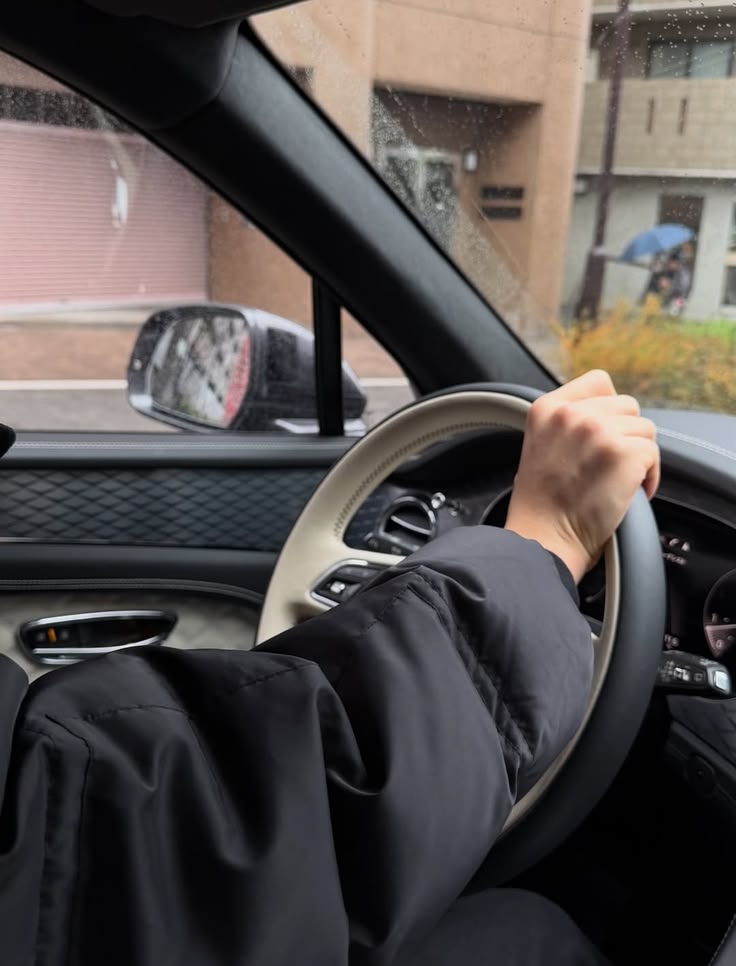
Drivers are the group most often overlooked. Once seated, the body is bent, the hem pushes forward, the front placket is pressed by the seat belt, and the shoulders still have to turn the wheel. So the back hem cannot be too long, otherwise the fabric piles up behind the legs and gets caught in the door on the way out; the sleeves need generous movement and a closer cuff so they do not ride up when the arms turn the wheel; and pocket placement has to be considered, because a side pocket sitting exactly where the belt crosses feels awkward to use. Customers will not articulate any of this, but get it wrong once and they will not buy the brand again.
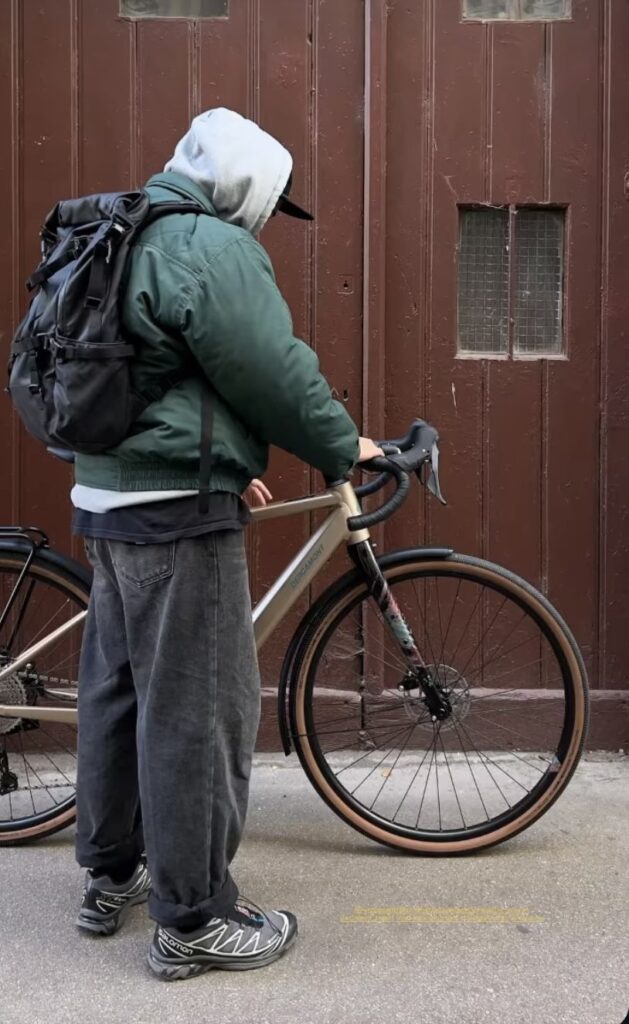
Cyclists need almost the opposite. Leaning forward stretches the back, so if the back hem is as short as the front, the lower back is exposed the moment they bend. City commuter styles therefore need a longer, slightly curved back hem; the collar should sit higher or carry a chin guard, because the wind hits the neck first; sleeve length cannot be economised, since the arms are extended on the bars and a short sleeve leaks air; and a drawcord at the hem lets the wearer close it down. As for the visibility a city cyclist needs, it is better to plan the placement in the construction — shoulder and back areas reserved for reflective elements — rather than sticking two strips on afterwards.
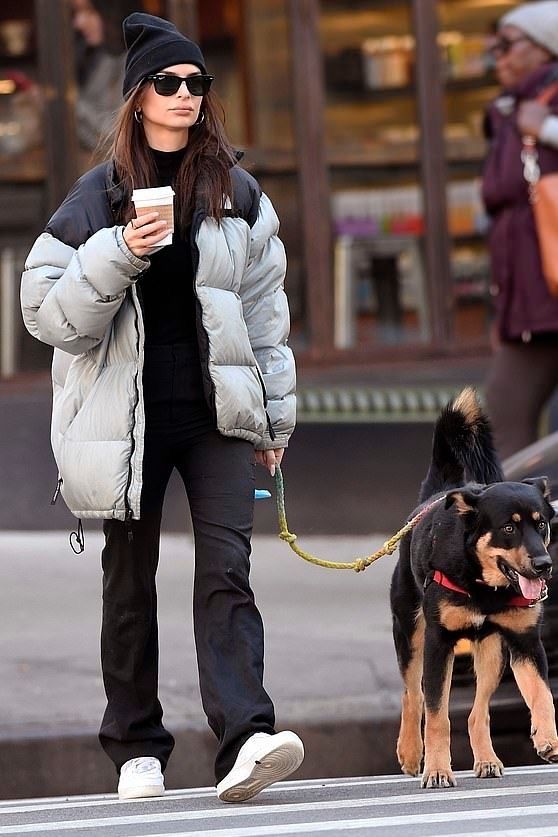
People walking the dog or simply walking to work care about yet another set of things. These outings often last more than half an hour, the body is moving, and the coat has to be light, breathable and not clammy; pockets have to carry real things — lead, bags, phone, keys — and four working pockets beat two decorative ones; the fabric should resist dirt and wipe clean, because a rainy loop leaves mud on the hem and the trouser legs. This group also cares about the hood more than most, since they go out early or come back late when the wind is up, and whether the hood stands or blocks the view becomes obvious on the first try.
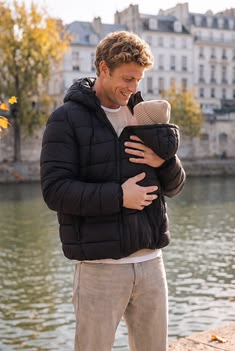
School runs and daily commutes add two more movements: bending and carrying. Lifting a child opens up the waist and pushes a tightly fitted hem upwards; bending to tie a lace or place a child in a car seat is where the back yoke and pleats decide whether the garment pulls. There is also a practical demand for durability, because getting in and out of cars, leaning against walls and carrying children wear the shoulders and elbows thin first, and reinforcing them in the construction is far more effective than explaining afterwards.
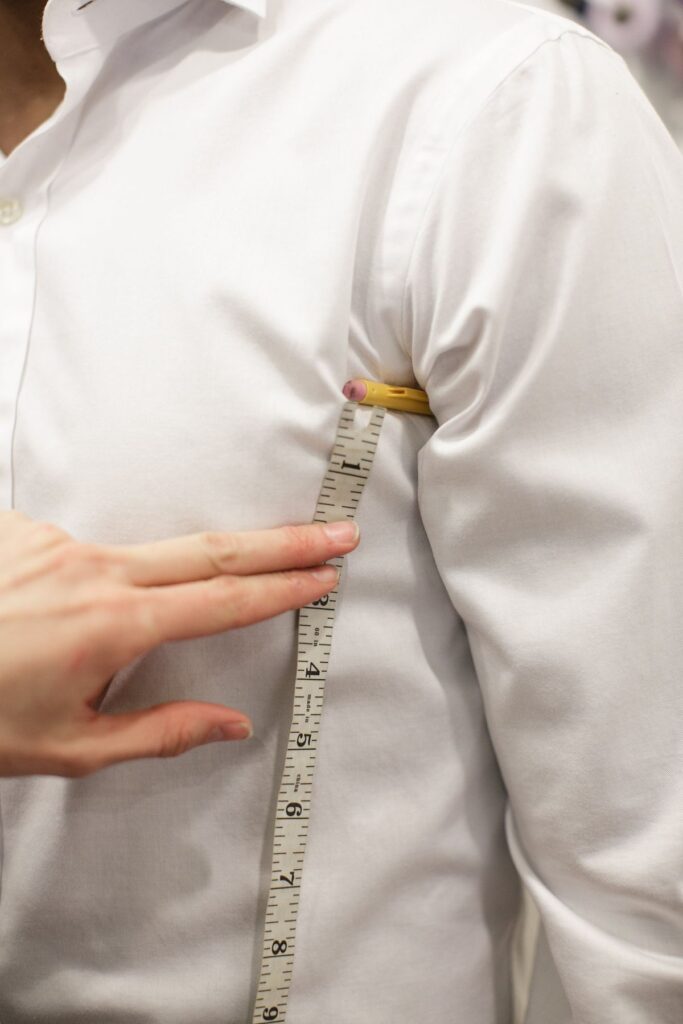
Once all this is clear, production does not need a separate pattern for every scene. The usual approach is one base pattern with three adjustable parameters: how the length is divided between front and back, how much room is given at the armhole and across the back, and how the cuffs and hem are closed. A shorter front with a longer back leans towards cycling; an even hem with a looser opening suits driving and commuting; ribbed cuffs or an adjuster tab suit high-movement use. With the same fabric and the same fill weight, moving these three parameters changes the wearing experience entirely, at little extra development cost.
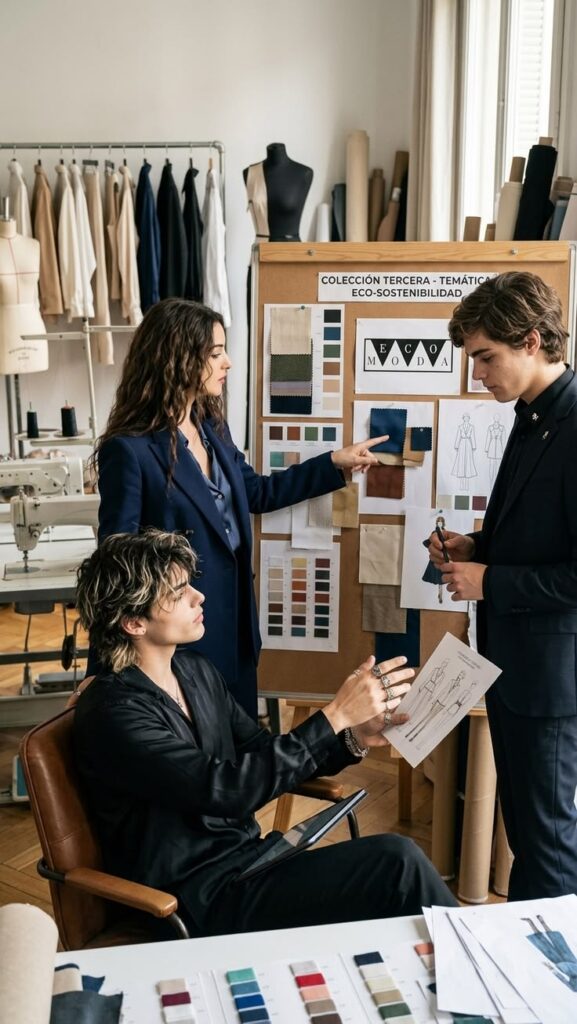
That is why, when we take on a new order, what we most want from a buyer is not a beautiful reference photo but a few sentences: who is this mainly for, what are they doing while wearing it, and which point must never fail. A few real photos of use, or simply stating whether this is a city commuter style or an outdoor one, speeds up the pattern maker’s judgement considerably. Give only a picture and the instruction “make it like this”, and the factory falls back on general logic; the discomfort then shows up at fitting, and both the revision time and the sample cost have to be counted again.
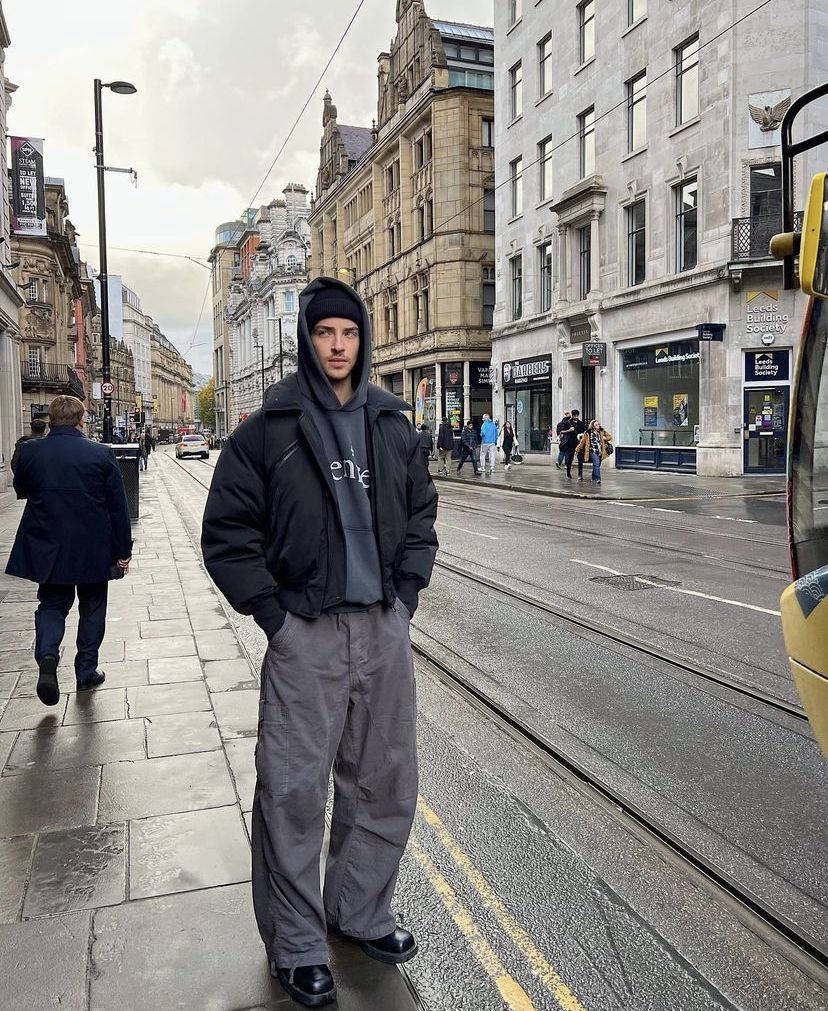
In the end, a padded coat competes less on how expensive the fabric is or how complex the workmanship, and more on whether it fits a real day in a customer’s life. The driver needs to sit comfortably, the cyclist needs to stay sealed against the wind, the dog walker needs pockets that work, the commuter needs something that lasts. These needs are plain, they do not fit into advertising copy, but the customer knows the moment they put the coat on. What we understand as knowing the market is roughly this: working backwards from those small, ordinary scenes to the shape a garment should have.