

Notícias
Which Color Fastness Index to Check When Buying Jackets? Different Usage Scenarios Require Different Focus
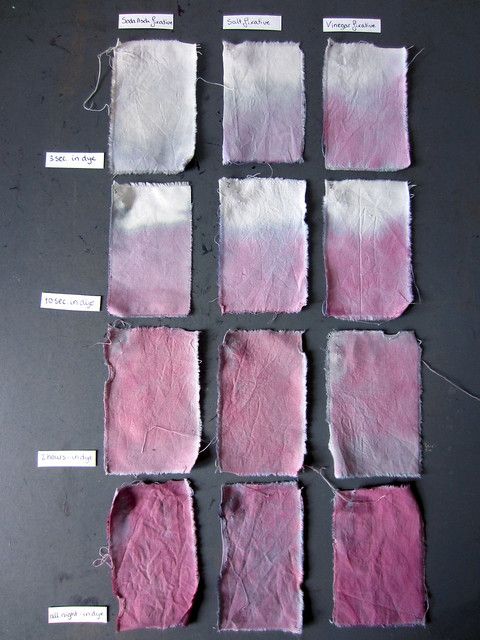
Many buyers know color fastness matters, but can’t distinguish which is more critical — rubbing fastness or light fastness. In reality, different usage scenarios have vastly different requirements for color fastness. Choosing the wrong indicator can result in anything from clothes fading after washing to severe dye transfer staining underwear or even skin. Understanding which indicators matter for each scenario is the most practical quality judgment ability when sourcing jackets.

The five main color fastness indicators for jackets are: rubbing fastness tests color bleeding under dry and wet friction, rated 1 to 5, with 3 as passing and 4+ as excellent; washing fastness tests color change and staining after laundering, especially important for dark fabrics with light linings; light fastness tests color fading under sunlight exposure, with higher ratings indicating better sun resistance; sweat fastness tests color stability under sweat exposure, critical for outdoor sports jackets; and water fastness tests color retention under water immersion conditions.
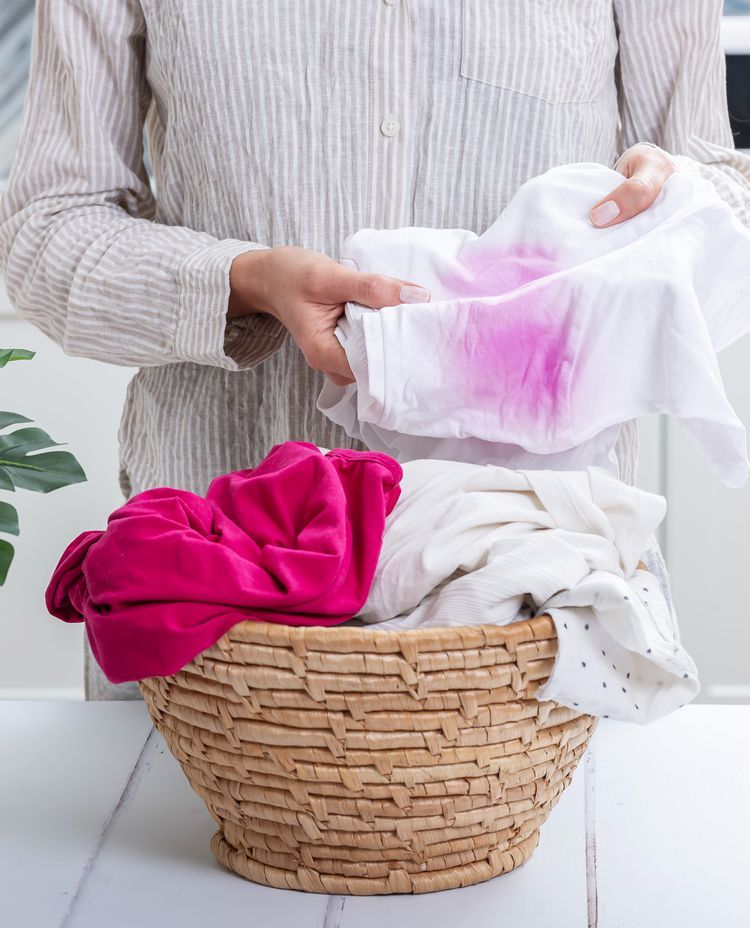
Urban commuter jackets are used mainly in offices, metros, and daily outings, with the highest frequency of contact being skin and inner garments. For these jackets, the primary concern should be rubbing fastness, because friction is the most common cause of color bleeding — cuff-to-body friction and pocket contents rubbing against fabric are daily wear patterns. A simple test can be done when purchasing: rub a white cotton cloth lightly against the jacket lining and frequently rubbed areas, and observe whether any obvious staining occurs. Rubbing fastness of grade 4 or above is the ideal standard for urban commuter jackets.

Outdoor sports jackets face much more demanding conditions. UV exposure, intense sweating, rain immersion, and repeated washing occurring simultaneously require comprehensive color fastness performance. Outdoor jackets need at least light fastness grade 4, sweat fastness grade 3-4, and water fastness grade 3 or above. For professional mountaineering or extreme sports jackets, consideration must also be given to salt damage from seawater. When purchasing, ask suppliers for corresponding test reports and key check whether the above indicators meet minimum requirements.
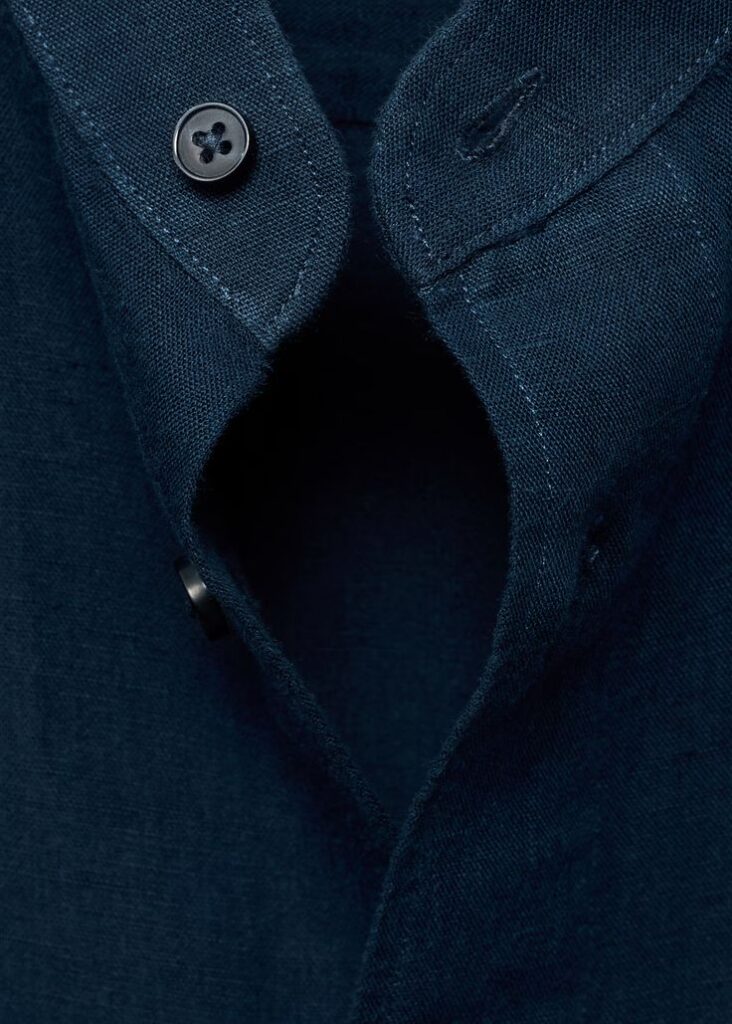
Dark and light jackets require different priorities when sourcing. Dark jackets (black, navy, dark gray) are most prone to rubbing color loss, especially wet rubbing — dark dye molecules are larger and more easily shed when wet, transferring to other fabrics. When sourcing dark jackets, be sure to focus on whether wet rubbing fastness can reach grade 3-4. Light jackets’ main risks are light fading and external staining — light fabrics are more easily stained by dark inner garments or external friction, so light fastness and washing fastness require closer attention.
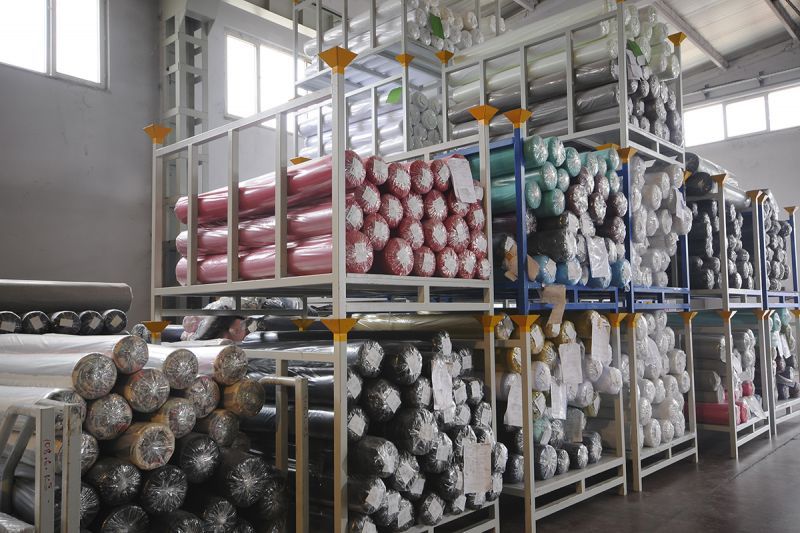
One important point: color fastness indicators are inherent fabric characteristics. While garment factories have limited ability to significantly improve fabric color fastness during production, they can to some extent select and use more stable fabrics — this is precisely why fabric selection at the procurement stage is crucial. Choosing fabric suppliers with proper test reports and clearly specifying minimum color fastness requirements in contracts is a key step in reducing risk.
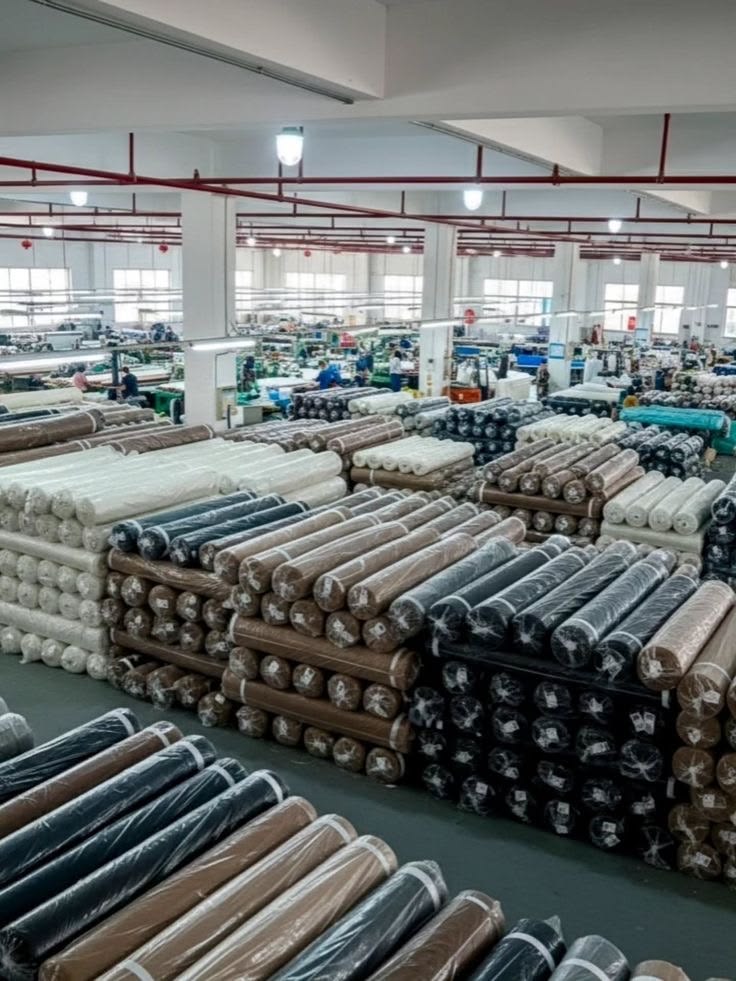
Cciola maintains long-term partnerships with multiple professional fabric suppliers, and each batch of incoming fabric requires color fastness test reports. We recommend appropriate fabric specifications based on buyer’s product positioning and usage scenarios — urban commuter styles emphasize rubbing fastness, outdoor functional styles prioritize light and sweat fastness, and dark color styles preferentially select fabrics with wet rubbing grade 4 or above. Before order confirmation, we can provide fabric samples for third-party testing to ensure all color fastness indicators meet target market requirements.
Before your next jacket procurement, ask yourself three questions: Where will this jacket mainly be worn? Will the wearer sweat heavily or be exposed to sunlight? Is it dark or light colored? Different answers mean different color fastness indicators matter. Choose the right indicators, and you’ve already chosen half the quality.