

Noticias
Why Are Some Big-Brand Jackets Also Made in China? OEM Doesn’t Mean Low Quality
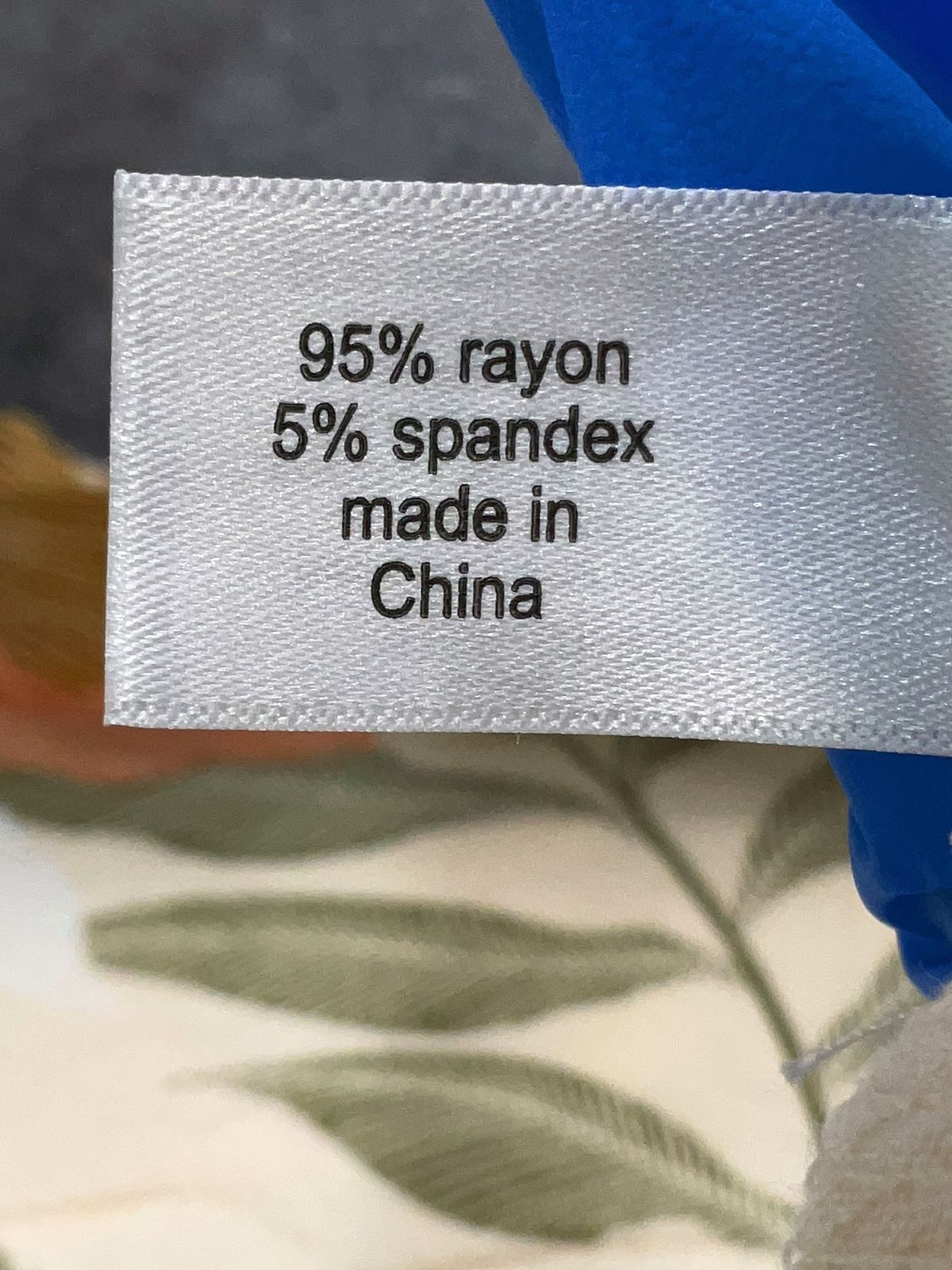
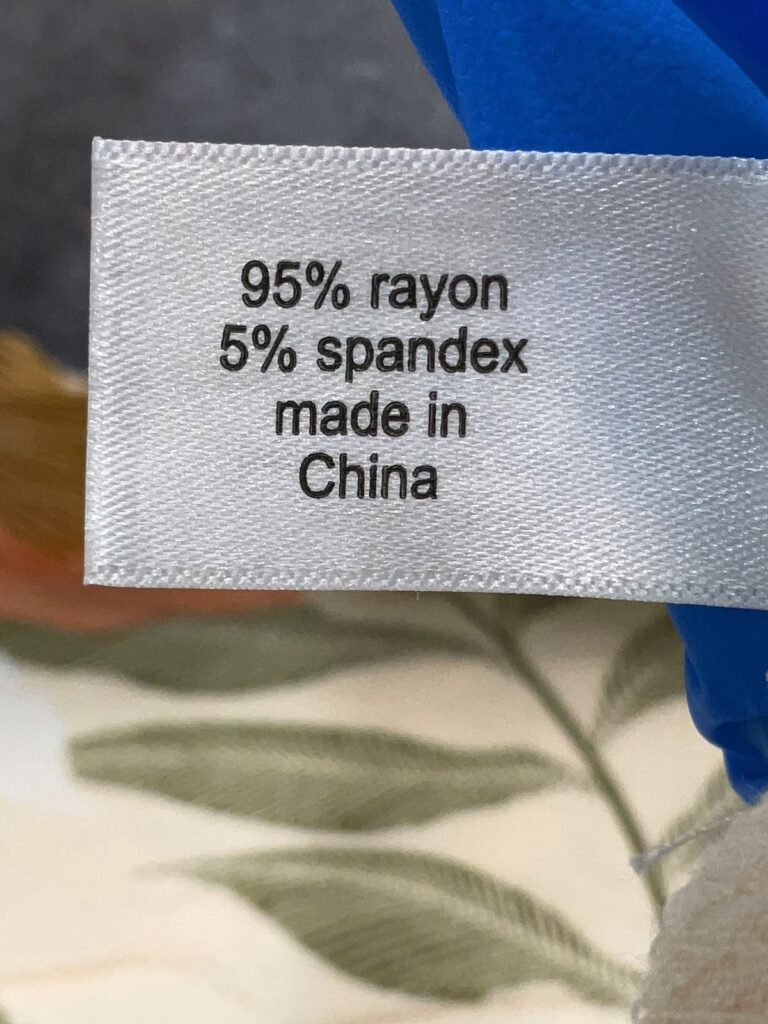
Many people see the “Made in China” label inside a garment and immediately react: “Oh, so it’s OEM.” Implied meaning: OEM = low grade, big brands should have their own factories. But the fact is, over 60% of global apparel is OEM-produced, including those branded jackets in your wardrobe priced at several thousand yuan. Understanding OEM is the only way to see clearly what you’re actually paying for with “brand premium.”
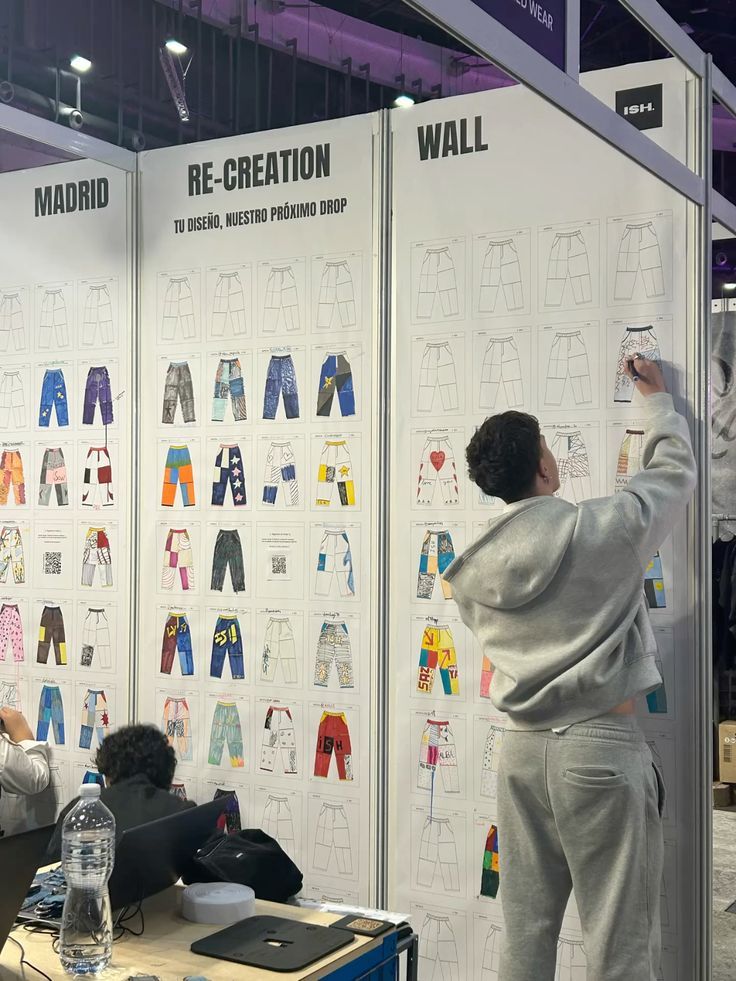
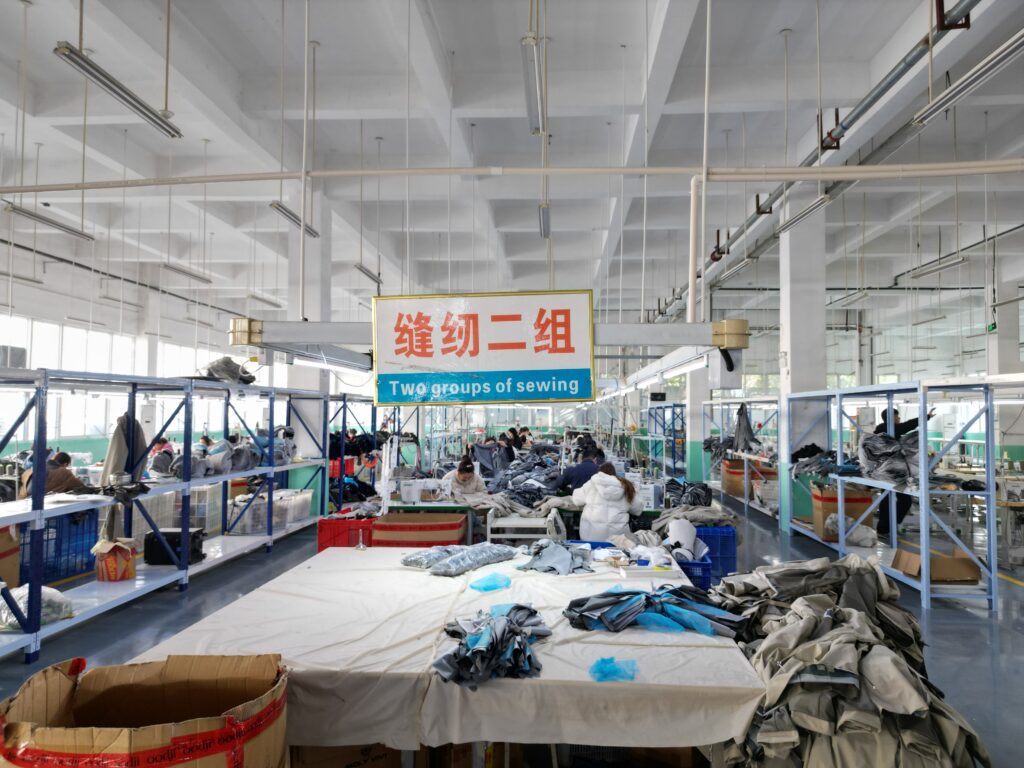
Big brands choose OEM not out of laziness, but because of specialization. A jacket requires coordinated supply chain from fabric development, sampling, cutting, sewing to finishing and pressing. If a brand builds its own factory, it needs massive capital for equipment, labor, and production management, plus faces idle capacity during off-seasons. Delegating to professional OEM factories lets brands focus on design and marketing while OEMs handle turning designs into finished products. This is the efficient specialization model of modern apparel industry.
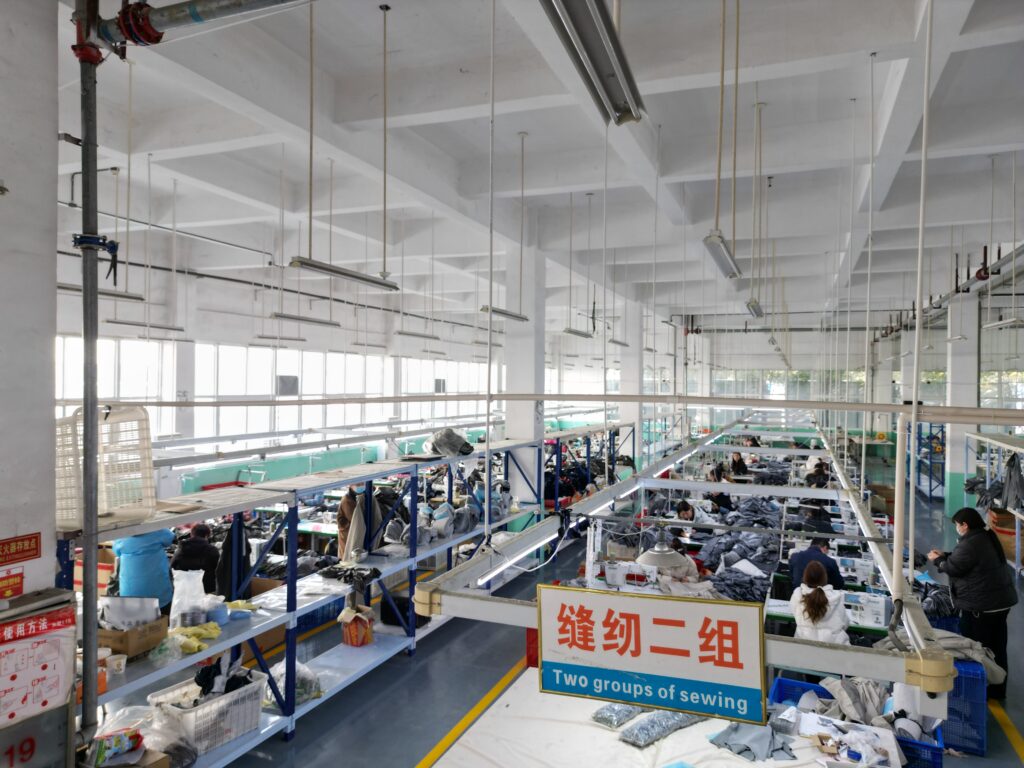
China is the world’s largest apparel OEM base — this isn’t accidental. China possesses the world’s most complete textile and apparel supply chain — from spinning, weaving, dyeing to garment manufacturing, all can be completed within a 50km radius. This cluster effect gives Chinese OEM factories global competitiveness in response speed, process maturity, and capacity stability. This is why so many international brands place orders in China — not because it’s “cheap,” but because “they do it well.”
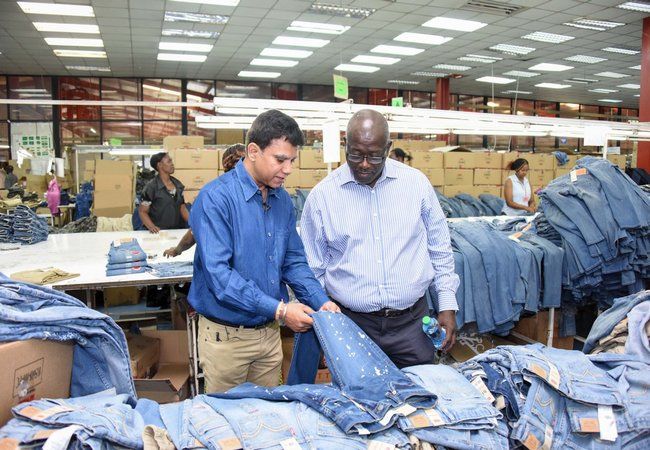
OEM doesn’t mean low quality. On the contrary, OEM factories that win big-brand orders usually have stricter quality control standards than brands’ own factories. Because OEMs must pass brand factory audits to win orders, while brands’ own factories don’t face this external pressure. Many OEM factories invest far above industry average in workshop management, equipment upgrades, and worker training. The “big-brand jacket” you buy — its quality is mostly produced in an OEM factory, not at brand headquarters.
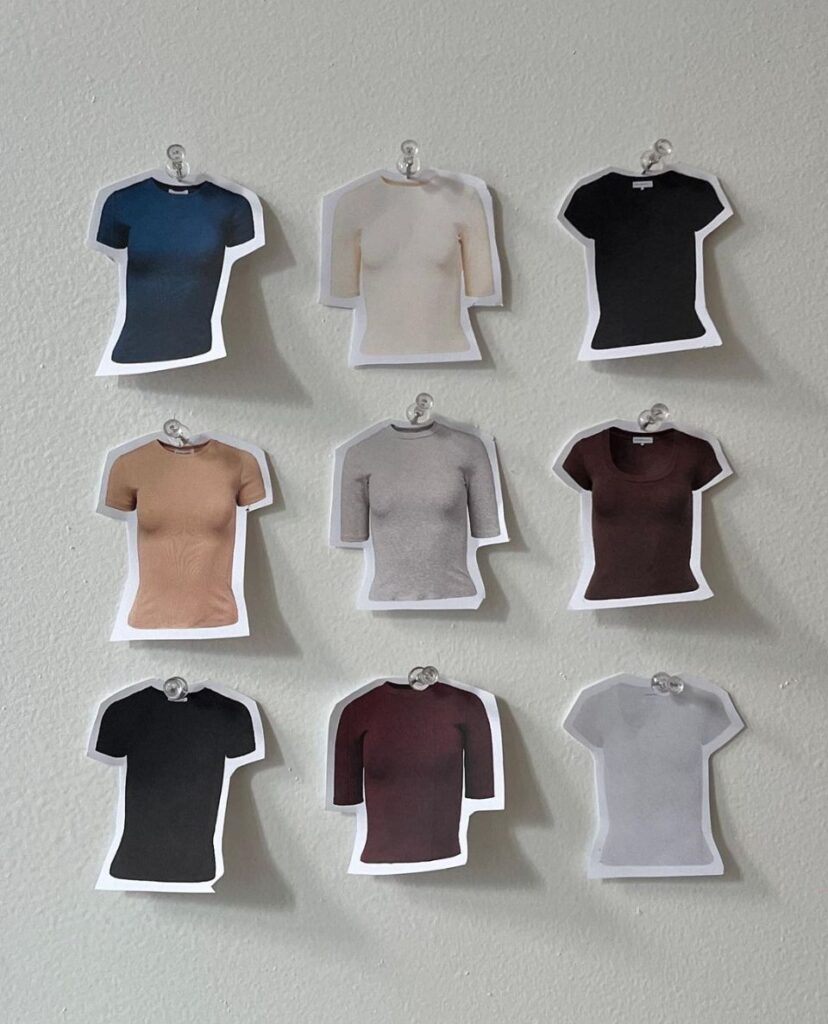
So what are you actually paying for with brand premium? Mainly three things: design, marketing, and distribution. Design determines the jacket’s pattern and style; marketing makes you identify with the brand’s value; distribution lets you conveniently purchase. As for production, brands and OEMs execute the same set of process standards. In other words, take the same jacket, remove the brand logo, and most people can’t tell whether it’s a big brand or the OEM’s own brand.
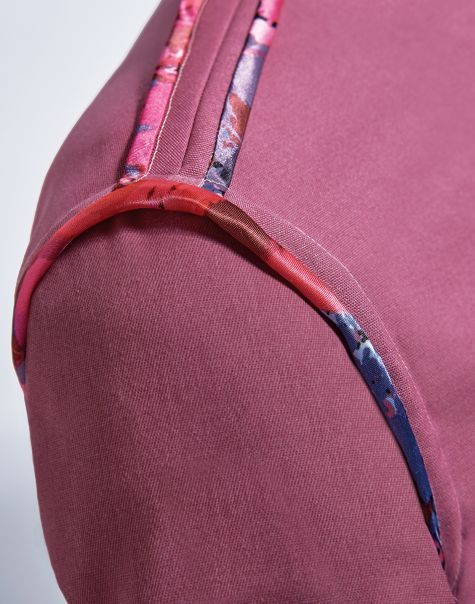
Judging whether a jacket is worth its price shouldn’t be based on “is it a big brand” or “where was it made,” but on craftsmanship, fabric, and details. Is the pattern correct? Are the stitches even? Is the zipper smooth? Does the fabric have good structure? These are the core indicators of jacket quality. Learning to assess these is far more useful than looking at brand labels. This is why more and more professional buyers skip brands and source directly from OEMs or factories with their own production — they know where quality comes from and how to get better prices.
default
Judging whether a jacket is worth its price shouldn’t be based on “is it a big brand” or “where was it made,” but on craftsmanship, fabric, and details. Is the pattern correct? Are the stitches even? Is the zipper smooth? Does the fabric have good structure? These are the core indicators of jacket quality. Learning to assess these is far more useful than looking at brand labels. This is why more and more professional buyers skip brands and source directly from OEMs or factories with their own production — they know where quality comes from and how to get better prices.
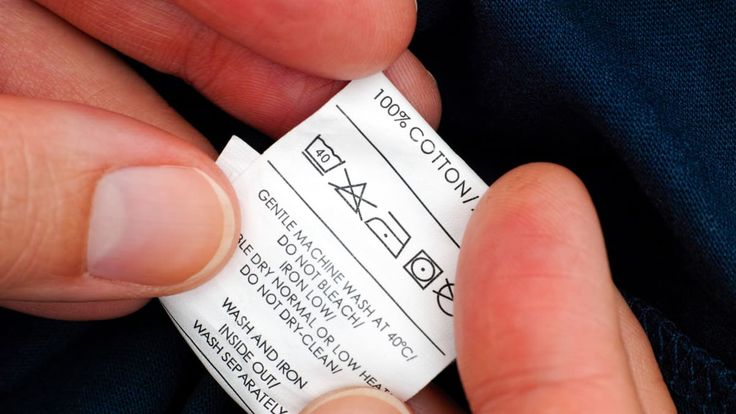
Next time you buy a jacket, flip over the inner care label and check fabric composition, stitch density, and origin information. Learning to read these is more useful than looking at brand logos. A good jacket doesn’t need big-brand endorsement — good craftsmanship speaks for itself.