




Noticias
What to Expect When Your Factory Suggests a Design Change?

For European buyers, when you send design drawings or reference samples to a Chinese factory, the response is not always “we can do it.” Often the factory will come back and say: “We suggest changing this structure,” “This pocket angle would be easier to produce,” or “This zipper direction would be more stable.” A buyer’s first reaction is usually: is the factory trying to cut corners? Usually not. When a factory proactively suggests design changes, most of the time it is about avoiding risks in advance, not rejecting your design.
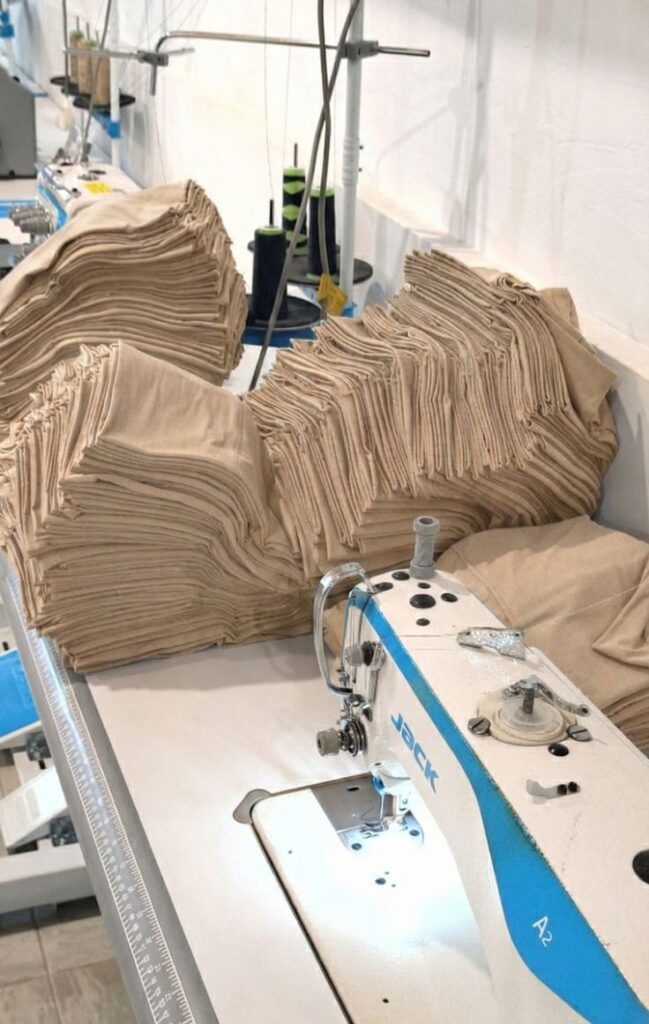
The most common reason factories suggest design changes is production feasibility. Your design may look good on screen and can be made in the sample room, but problems appear during bulk production. For example, too many curved seams lead to high fabric waste; a pocket angle that is too tricky makes it hard for sewing workers to keep every piece consistent; decorative stitching that is too complex tends to skip stitches or look crooked in bulk. Experienced factories will raise these issues before production starts, avoiding rework or claims later.

Another reason is cost. Sometimes a design uses a special process or trim that the factory knows has volatile bulk pricing, unstable delivery, or needs to be sent to an outside processor where quality and timing are hard to control. Their suggestion to switch to another option is not because your original design is bad, but because they know which option will be more stable and controllable in bulk. If you insist on the original plan, they can still do it, but the risk and price will go up.
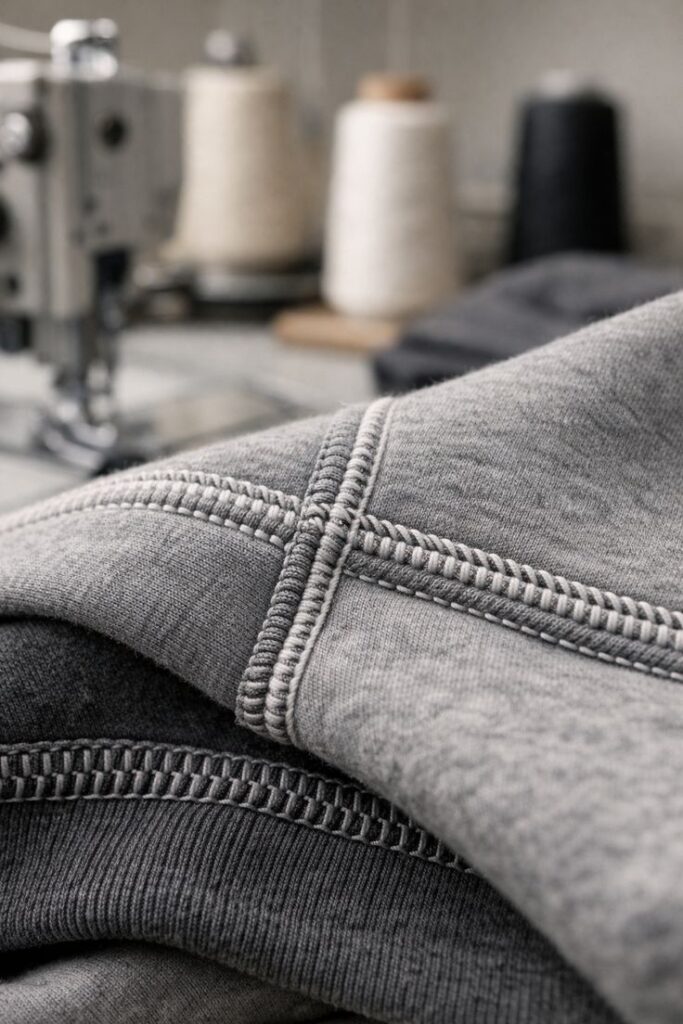
Of course, not every factory suggestion is well-intentioned. Some are about saving effort. For example, changing double stitching to single stitching, replacing handwork with machine work, or flattening a three-dimensional structure. These changes directly affect the finished garment, so buyers need to be especially careful. The standard for judgment is: does the factory clearly explain the reason? What is the impact on the appearance and function after the change? How much will the cost drop?
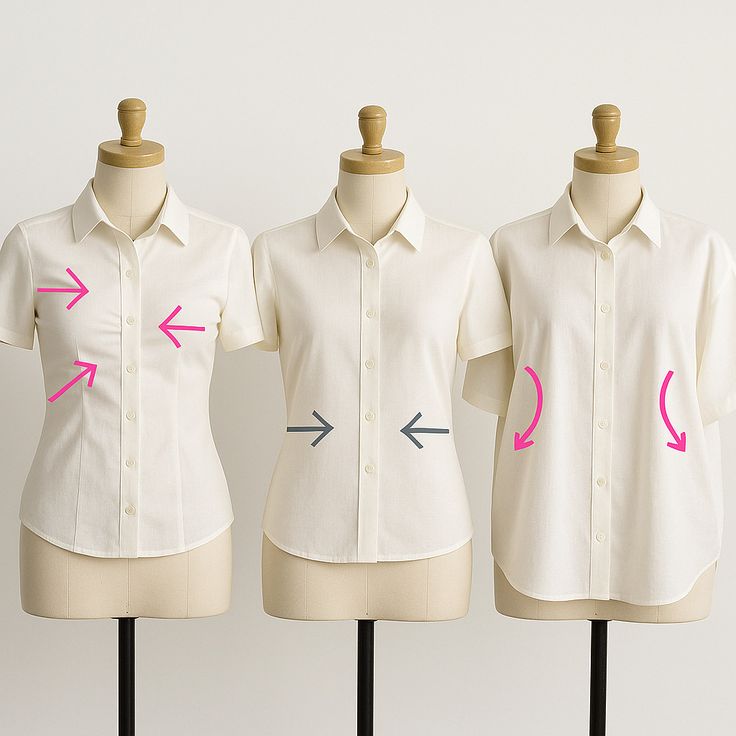
How do you decide whether to accept or reject a suggestion? Ask for a comparison. Have the factory make one sample in the original version and one in the modified version, then compare them side by side. Often the factory cannot explain clearly in words, but once you see the two physical samples, you can judge immediately. If the factory is unwilling to make a comparison sample or gives vague explanations, the suggestion probably has problems.
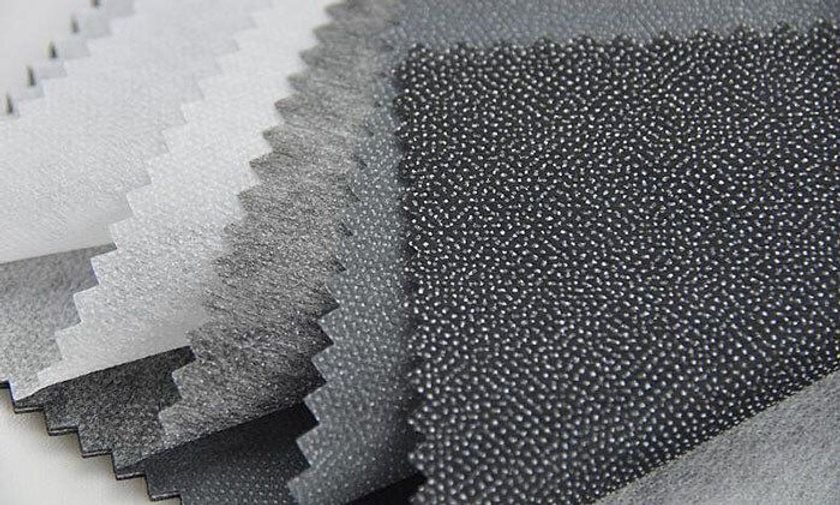
You can also judge the motivation by which part of the garment is being changed. If it is a hidden internal structure that consumers cannot see—such as interlining direction, seam allowance handling, or edge finishing—the factory usually raises this for quality and stability reasons. If it is a visible exterior part such as pocket shape, collar style, or hem design, you need to be more cautious and ask the factory for a thorough explanation.

During negotiation, do not simply say “no.” First have the factory write down the modified plan, the reason, the cost impact, and the delivery impact. Then you can say: “I will keep the original plan for now, and please make a comparison sample of the modified version, then I will decide.” This respects the factory’s professional opinion while protecting your design authority. If it turns out the factory is right, accepting the change will also build more trust between both sides.

A truly mature supplier relationship is not about the factory blindly executing every idea, nor about you blindly following everything the factory says. It is about both sides putting problems and solutions on the table and judging by samples and facts. A factory willing to proactively suggest changes shows they are not waiting to pass the blame after problems arise, but are trying to make bulk production smoother. Whether you are willing to listen and whether you can judge determines how far this cooperation can go.
So next time your factory suggests a design change, do not rush to be angry or compromise. First ask for the reason, then see a physical comparison, and finally make a decision. A discussion about a design change, handled well, can be an opportunity to deepen trust.