



Noticias
What Do “Gram Weight” and “Thread Count” Actually Mean in Jacket Fabrics?
Screenshot
When buying jackets, fabric specification sheets often show “300G” or “60s,” but what do these numbers actually mean? Most buyers can’t read the specs and rely only on hand feel or recommendations. Today let’s clarify these basic concepts so you’ll have confidence when sourcing fabrics.
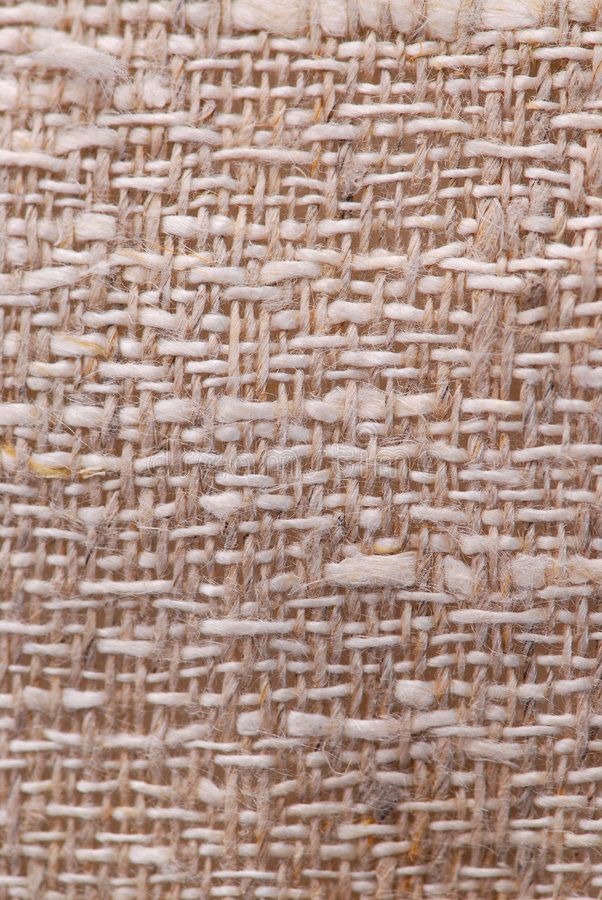
Gram weight (GSM, Grams per Square Meter) is the most common fabric weight unit, representing the weight in grams of one square meter of fabric. Higher numbers mean thicker fabric; lower numbers mean lighter fabric. Jacket fabrics typically range from 150G to 400G — 150-200G for light spring/summer jackets, 250-300G for autumn/spring commuter jackets, and 350G+ for winter or functional jackets. GSM directly affects warmth, stiffness, and durability, but heavier isn’t always better — it depends on intended use.
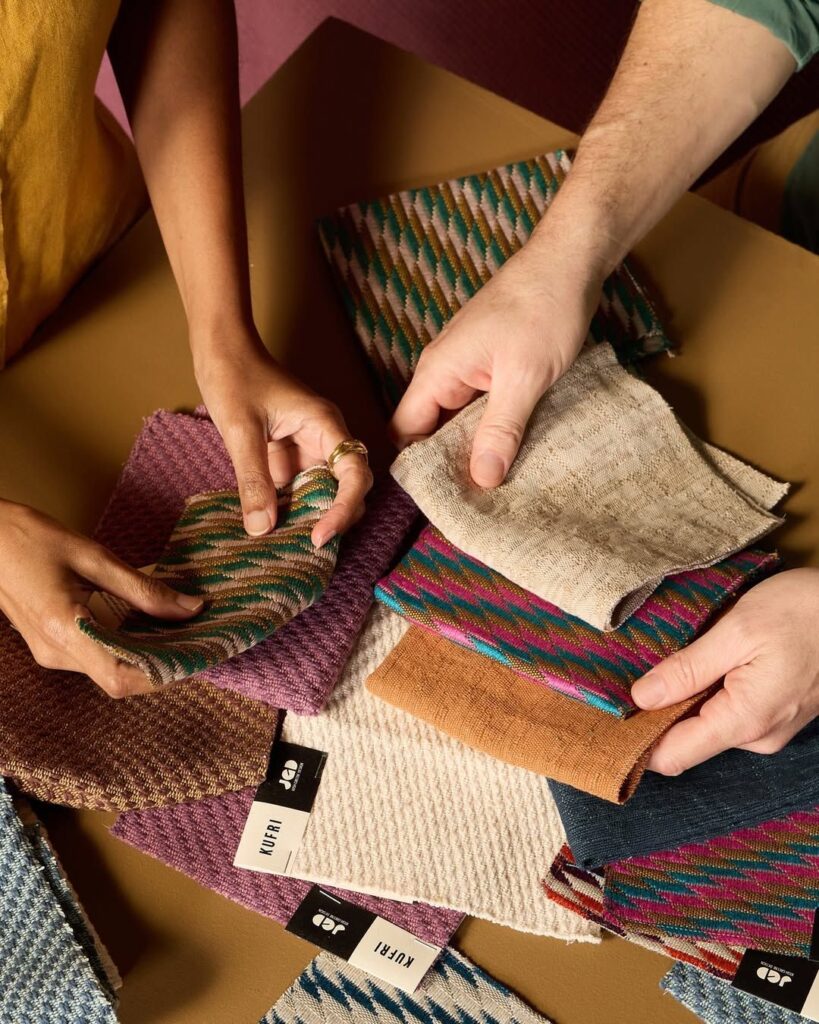
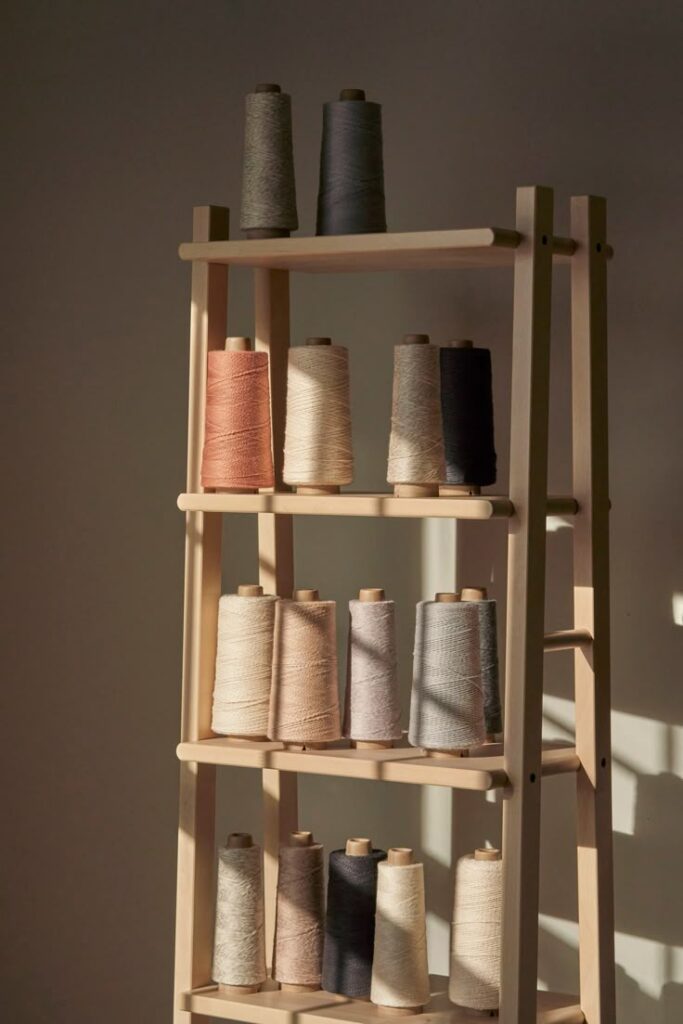
Thread count (yarn count) is a unit of yarn thickness, representing how many 840-yard spools can be twisted from one pound of yarn. Higher counts mean thinner yarn and smoother, finer fabric, but also lighter. Cotton fabrics commonly use count labels like 60s or 80s for premium shirts and underwear. But jacket fabrics rarely use thread count labels because jackets prioritize durability and functionality over smoothness. Many fabric products claiming “thread count” actually misuse the concept — they mean yarn density or warp/weft density.
Fabric specs shouldn’t be viewed in isolation — choose based on intended use. Spring/summer jackets prioritize lightness and breathability, so select 150-220G fabrics; autumn/spring commuter jackets balance style and practicality, select 250-300G; winter or outdoor jackets need warmth and protection, select 300G+ with waterproof/windproof treatments. Simply pursuing higher GSM or thread count makes no sense — the key is selecting specs suited to your product.
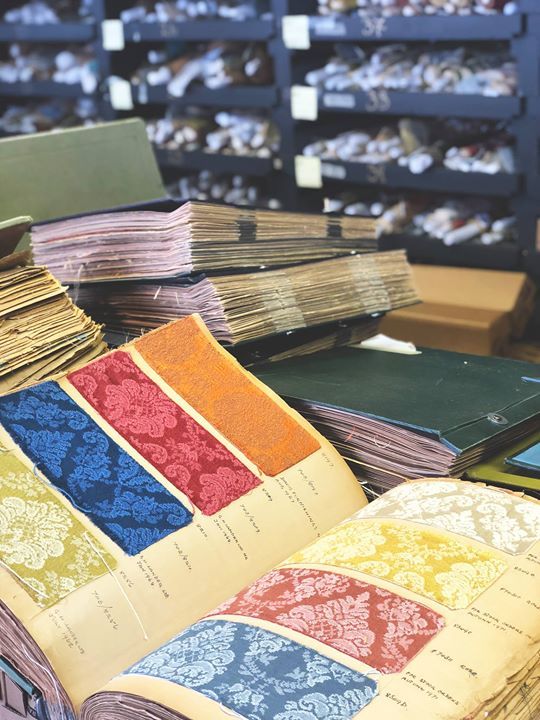
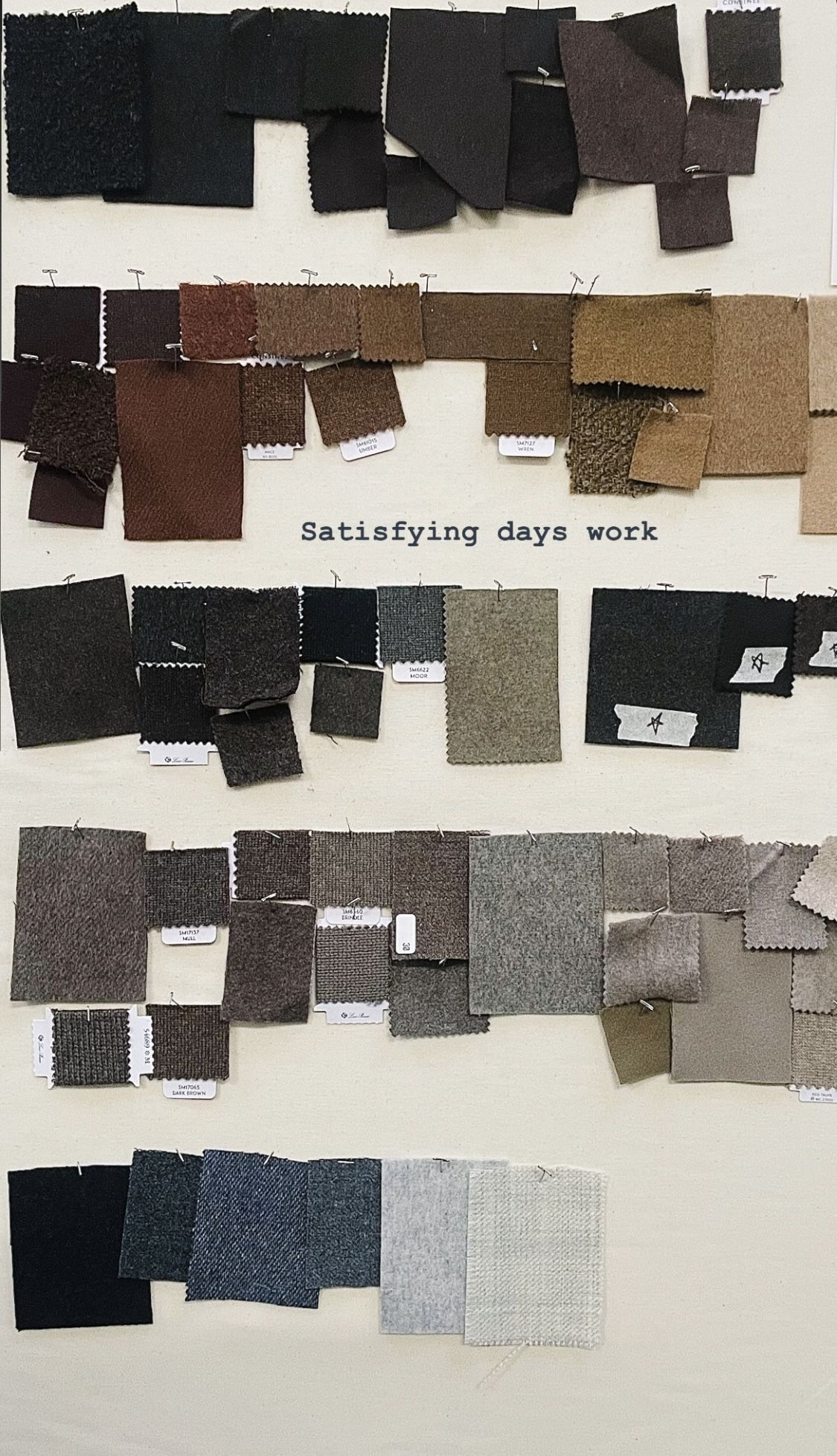
Specs are secondary to hands-on testing. Request fabric samples from suppliers and personally feel the hand, stretch, and breathability. Online images and specs are just references — physical samples are the final judgment. Best to establish your own fabric library with fixed specifications for stable long-term cooperation.