




Noticias
The Digital Product Passport Is Coming to Outerwear
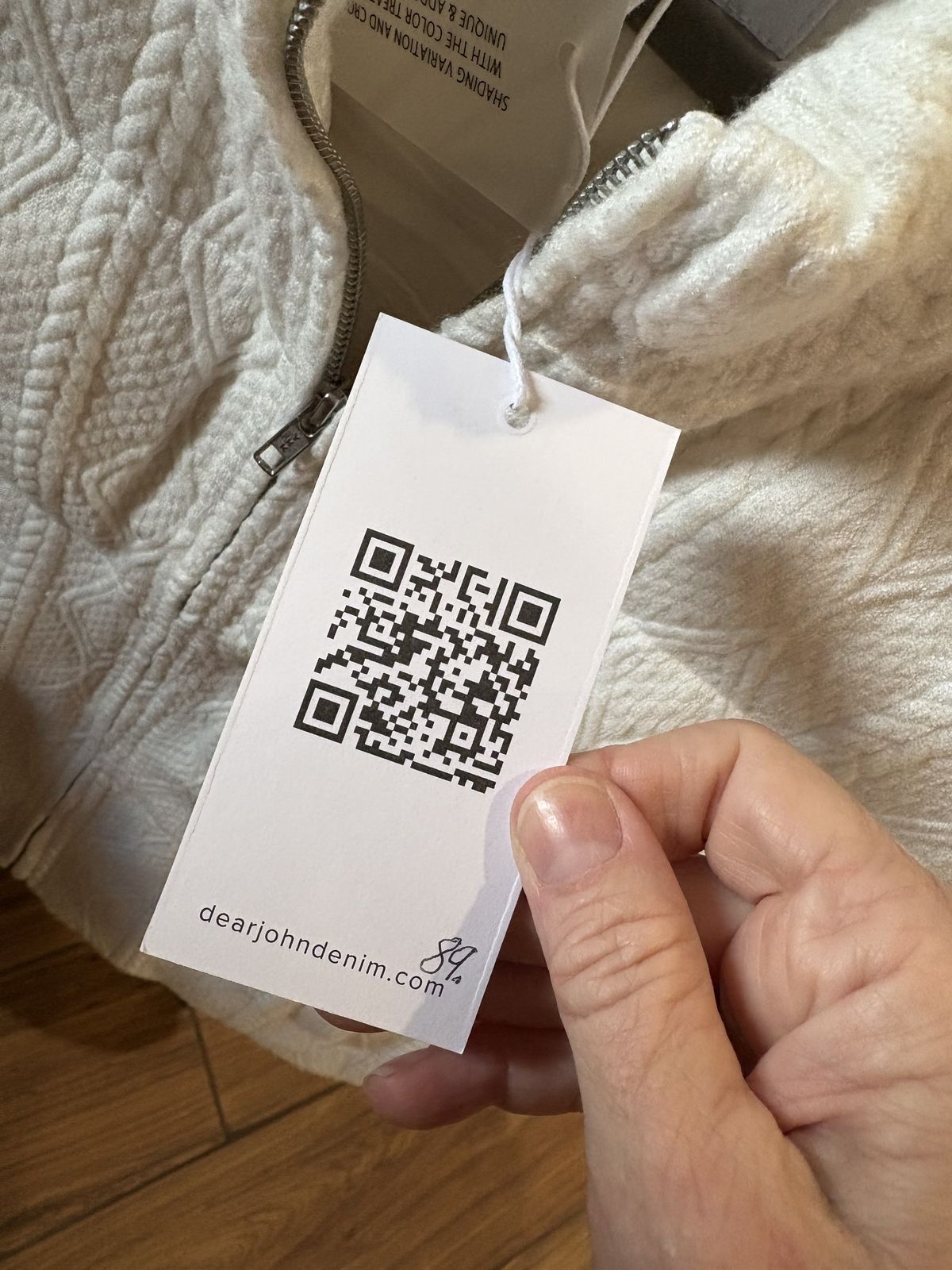
There is something moving quietly through the European regulatory agenda that is about to change the rules of the game for apparel: every product will need a scan-ready “digital product passport”, known as the DPP. It is not a marketing page built by the brand, but a legal requirement under the Ecodesign for Sustainable Products Regulation, with textiles and apparel among the priority product groups, alongside footwear. In practice, a padded coat or jacket exported to Europe will one day need to carry a digital product record in addition to its care label and hangtag. The exact data fields and the implementation timetable will be set by subsequent delegated acts, but the direction is already clear: materials, durability, repairability, recycled content and supply chain information all have to be traceable and accessible.

The best way to understand the DPP is to think of it as a file attached to the product, not a promotional leaflet. Consumers, authorities and recyclers reach that file through a QR code or a near-field communication tag, and typically find fibre composition and percentages, material origins, the share of recycled content with its supporting certification, information on substances of concern, care advice, repair and spare-part information, and guidance on how to dispose of or recycle the item. The data is supplied by the various tiers of the supply chain and presented by one clearly identified responsible party. For European buyers, this means the old habit of being satisfied once test reports and certificates arrive will gradually stop being enough, because regulators and consumers are no longer looking at the test results of a shipment, but at a data chain that maps to a specific product.

For buyers, the change is actually good news, provided they prepare early. Compliance checks today usually mean chasing certificates and test reports from suppliers and filing them by hand, then starting over with every new style or supplier. The information the DPP requires is structured, product-level, and designed to be stored and retrieved over years. Once that structure exists in a supply chain, the buyer’s paperwork drops noticeably, and answering a customer’s questions about a product becomes far easier. In other words, it turns transparency from a public-relations statement into a verifiable fact.
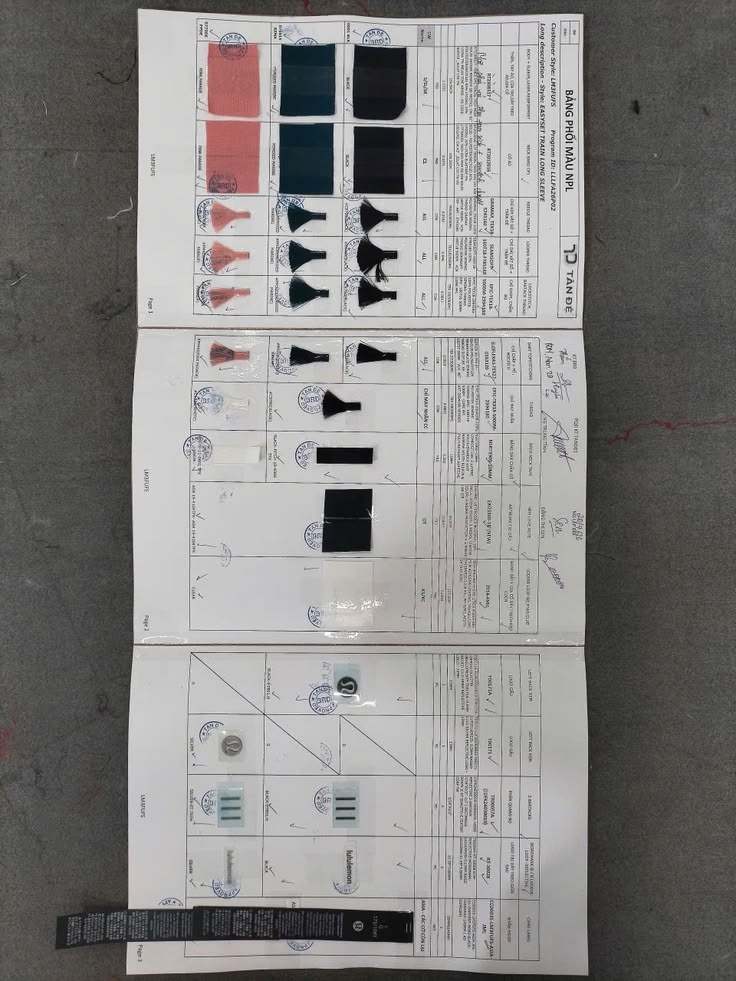
From the factory’s side, most of what the passport needs already exists — it is simply scattered. The composition and weight of fabrics and trims, the type and amount of filling, the colour fastness and shrinkage reports tied to a specific fabric batch, the certification documents for recycled materials, the care instructions printed on the label — all of this is generated during production. What is missing is not the data itself, but a way of gathering it by style and linking it to the batches actually purchased. That is why we prefer to see the DPP as an exercise in organising records rather than a technology upgrade. Factories whose product data is already clear will find it far easier to handle.
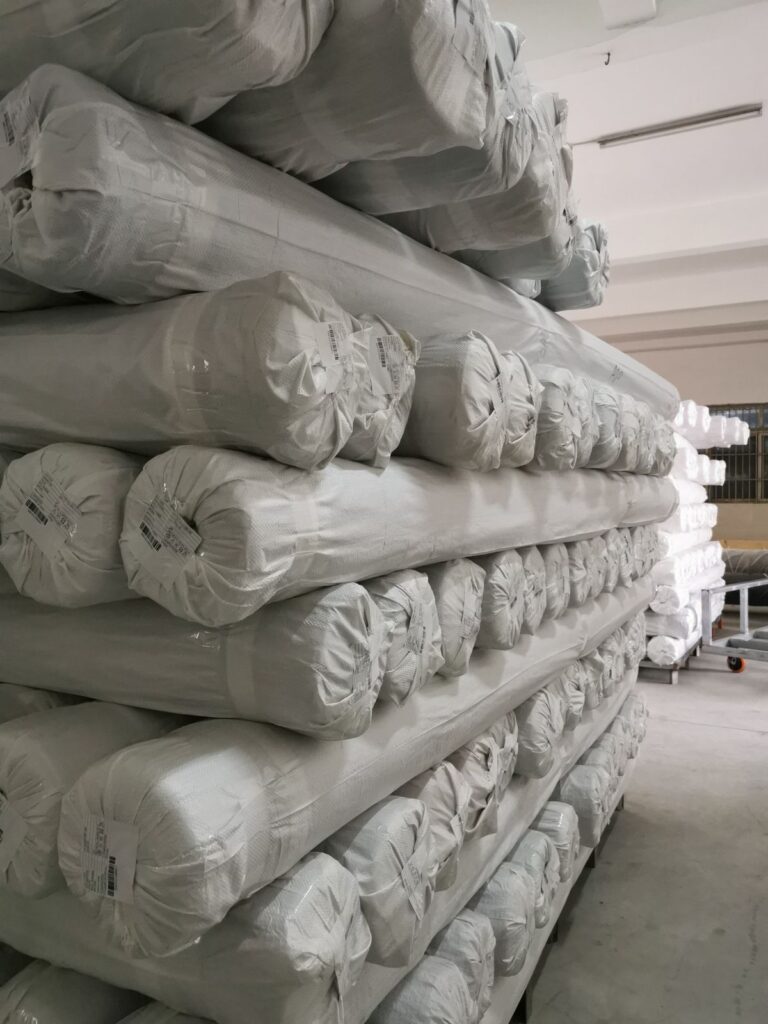
Where real effort is required is batch traceability. The fibre composition and recycled percentage on a passport have to match the material that actually went into the goods, not what the factory “usually uses”. That means linking the fabric dye lot, the supplier name and the test report number to the finished style from the moment the order is placed, and keeping that link after shipment. For factories used to managing documents by style rather than by batch, this adds work and exposes some vague practices from the past. Buyers who write this requirement into orders and contracts early save both sides a great deal of explaining later.

Where the data lives and who maintains it is another question that is easy to postpone but better settled early. The usual approach is a QR code or NFC tag on the product, combined with a unique product identifier so that different batches of the same style can be distinguished. The position of the code has to be considered for wear, for appearance, and for the customer’s ability to reach the content long after purchase. More importantly, the contract should state who hosts the data, who owns it, and who is responsible when it needs updating. Some brands want to control the passport page themselves; others are happy for the factory or a third-party provider to supply the technology. Either can work, but responsibility must not be vague.

In practice, the problems tend to be small, specific ones. Data filled in at the last minute tends to be wrong and does not survive scrutiny. Certificates whose mill name does not match the fabric mill actually used undermine the credibility of the whole chain. Recycled content claims without traceable chain-of-custody evidence can run straight into anti-greenwashing rules. Care instructions on the label that contradict the passport content leave both consumers and authorities with questions. A QR code that stops working, or a page that will not open, makes the whole exercise pointless. And there is a quieter risk: unclear responsibility, where brand, factory and mill blame each other and nobody wants to admit the data came from them.

For European buyers, the most useful action now is not to wait for every regulatory detail but to ask a few practical questions of suppliers. Do they already organise material and composition data by style? Can a fabric be traced to a specific batch and a specific mill? Can certificates be provided under the name of the mill that actually produced the fabric? Are they willing to have data maintenance and updating written into the contract? None of this costs extra money, and the answers say a great deal about how a supplier is managed. Factories that answer carefully are usually the ones that will be ready when the rules arrive.

Our own view is that the Digital Product Passport will not be the burden that breaks suppliers. It is closer to a way of fixing information that should have existed anyway, in a form that can be verified. For buyers, building the product data structure early is like holding a transparency card in the European market. In customer audits, in channel negotiations and in a crisis, it makes a noticeable difference against competitors.