
Noticias
One Padded Coat, Four European Markets
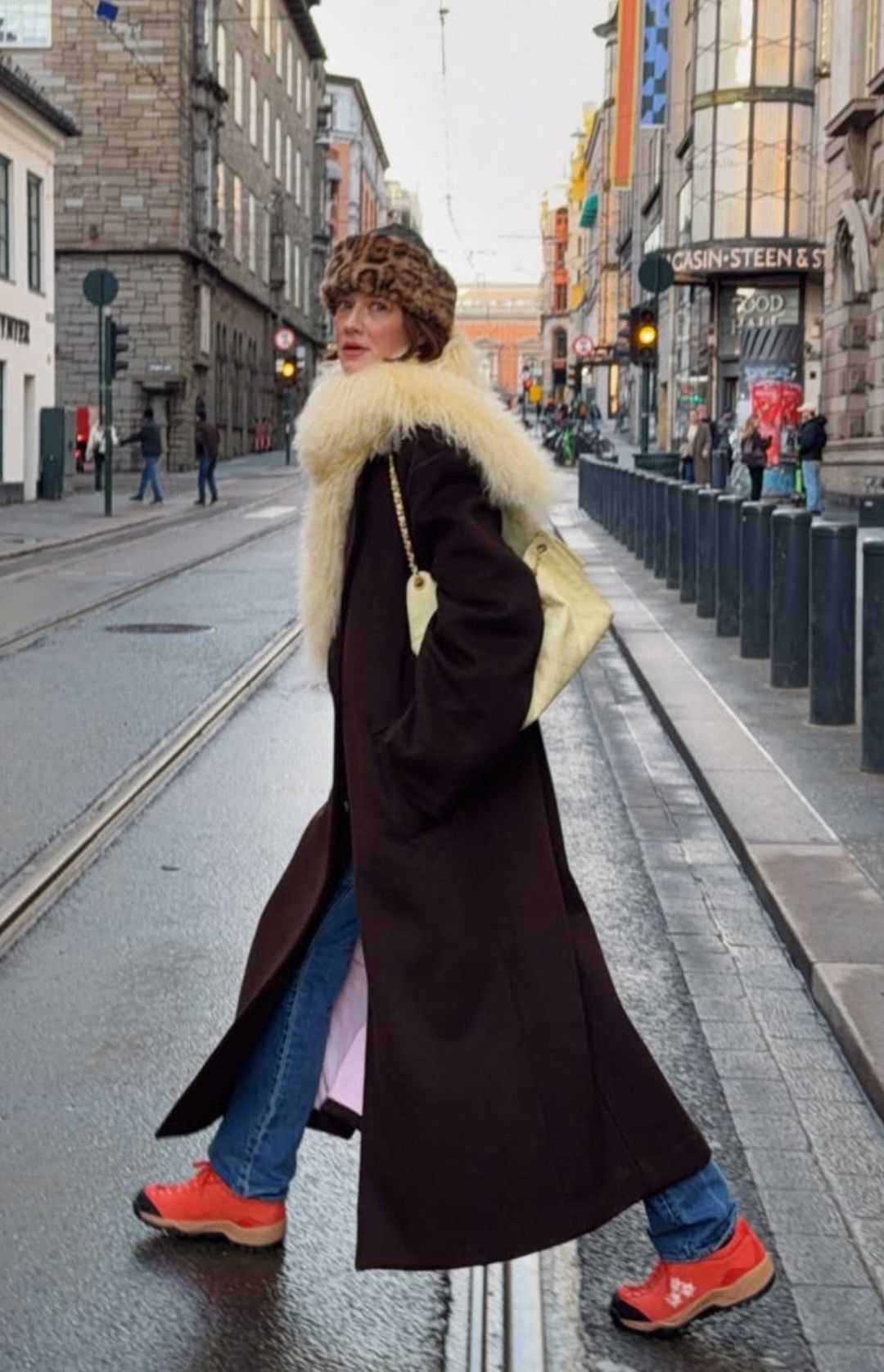
The easiest mistake in European business is treating “Europe” as one market. The same padded coat can appeal to a German buyer and a French buyer for completely opposite reasons, and when a Nordic customer says “warm enough”, they are not describing the same temperature as a customer in the UK. The question we ask most often during quoting and sampling is simple: which countries will this style actually be sold in? The answer changes the fit, the length, the fill weight and the colour palette.

For Germany, the keywords are function, restraint and value for money. German buyers tend to ask very specific questions — fibre composition, fabric weight, fill weight, colour fastness, shrinkage after washing — and they want each one confirmed. Colours lean towards black, navy, dark grey and olive, the kind that hide dirt and age well; decorative details are kept to a minimum, pockets must be practical and hoods must work. They are highly sensitive to whether a price is justified, so a quotation that explains why this fabric and why this construction is far more persuasive than a brand story. On sizing, larger body types are more common, and a fit that is cut too slim shows up directly in the return rate.

The four Nordic countries ask for something else again. Winters there are long, windy and wet, so the first requirement is protection from the weather. Longer coats outsell short ones, hoods need to be big enough to shield the face, and the shell fabric should be wind-resistant and water-repellent; seam positions and zip protection are examined closely. Colours stay dark, but bright accents are welcome, because daylight is scarce in winter and the street needs some colour. One more point cannot be ignored: Nordic customers care about sustainability more than any other market in Europe. Recycled materials, repairability and take-back schemes are nice extras elsewhere; here they are close to mandatory.

French buyers look at something different: silhouette. With the same padded coat, a French buyer will first look at where the shoulder line falls, whether there is a waist, and what shape the hem makes — and only then ask about the fabric. They prefer shorter styles, or designs with a belt that restore proportion, and colours are more considered: ecru, camel, burgundy and deep green sell better than plain black. Refinement of detail matters; neat stitching, the feel of the hardware and the quality of the buttons directly influence how much they will accept the price. They do look at specifications, but rarely interrogate them item by item the way a German buyer will.

The UK is a case of its own. British winters are not extremely cold, but they are damp, windy and changeable, so light quilted coats and shorter jackets are more practical than heavy long ones. Layering is the norm — a sweater goes underneath — so the fit needs room. Checked linings, vintage-style hardware and slightly heritage details go down well. Commuting and the school run are the main use cases, which makes pockets, hoods and dirt resistance part of the brief. Price points are spread wide, the mid-market is very sensitive to value, and returns correlate heavily with sizing accuracy.
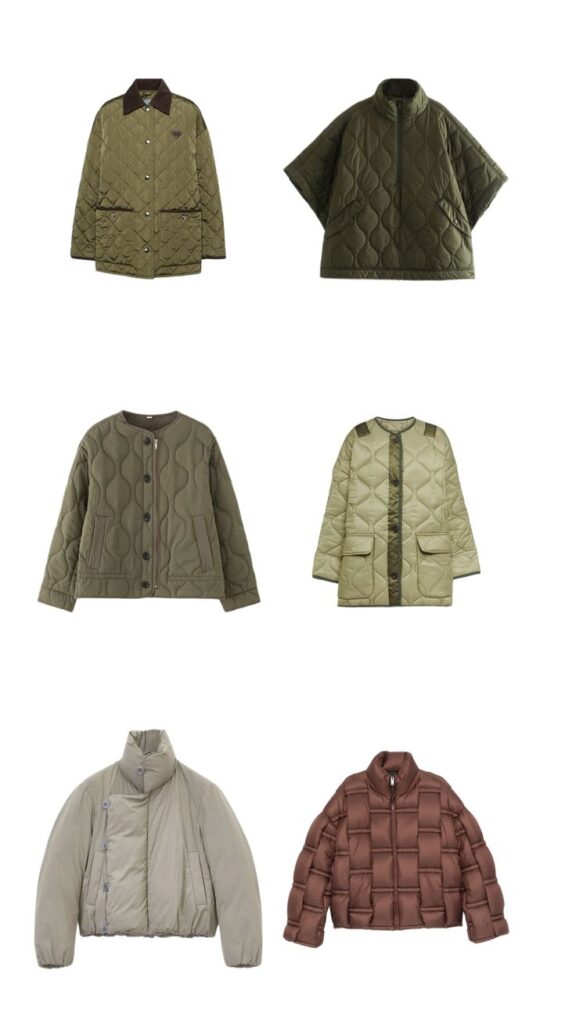
Put the four markets side by side, and the differences concentrate in five dimensions: length, hood, fill weight, colour and sizing. The Nordics want long, thick and windproof; Germany wants structured, practical and clearly specified; France wants short, proportioned and refined; the UK wants light, layerable and hard-wearing. A single fit that tries to serve all four usually ends up feeling “almost right” to each of them. That is why we prefer to develop two or three variants with the buyer rather than pushing one style into every country.
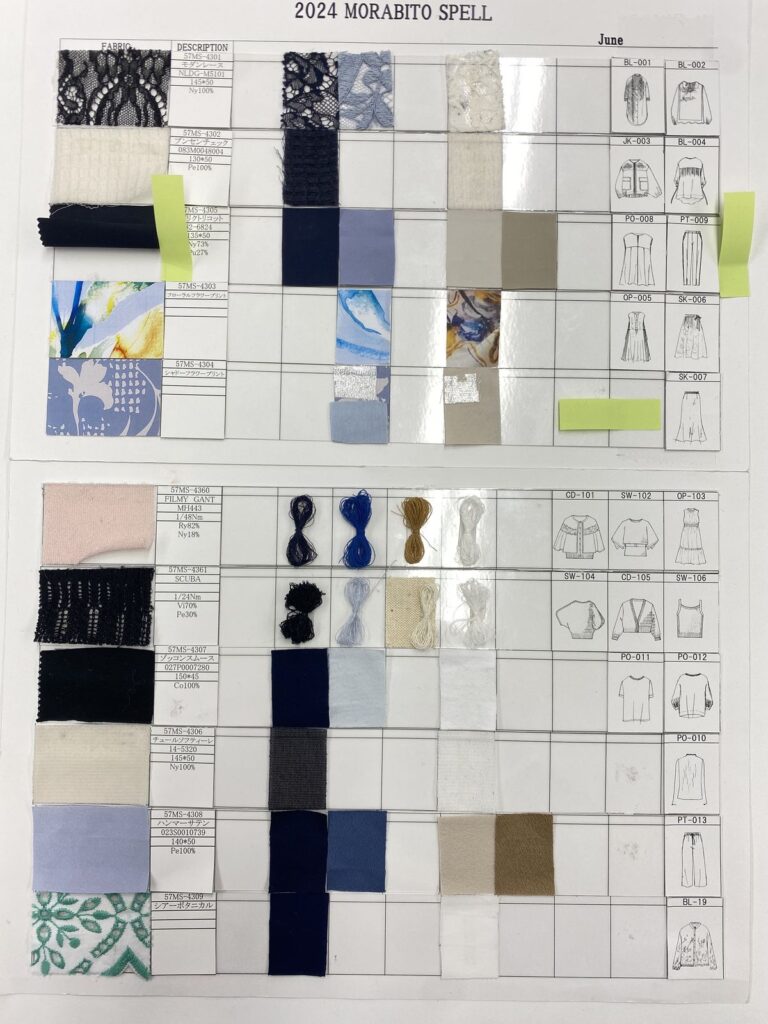
From a production point of view, variants are less expensive than they sound. Share one base pattern and put the differences into replaceable components: add length, make the hood detachable, offer two fill weights, change the lining, split the colours by market. Development cost stays manageable, fabrics can be consolidated, and the line does not need to relearn the style. What does need planning is the bill of materials and the timeline, because every extra component adds trim types and lengthens purchasing.

So when a customer says “we need a European range”, our first question is always: what is the country mix? If Germany dominates, keep the fit practical and the colours safe. If the Nordics are the main market, prioritise length and weather protection. If France is the focus, proportion and detail cannot be skipped. If the UK leads, go lighter and layerable. Say this clearly at the start, and sampling lands close to target the first time — saving both revisions and sample fees.
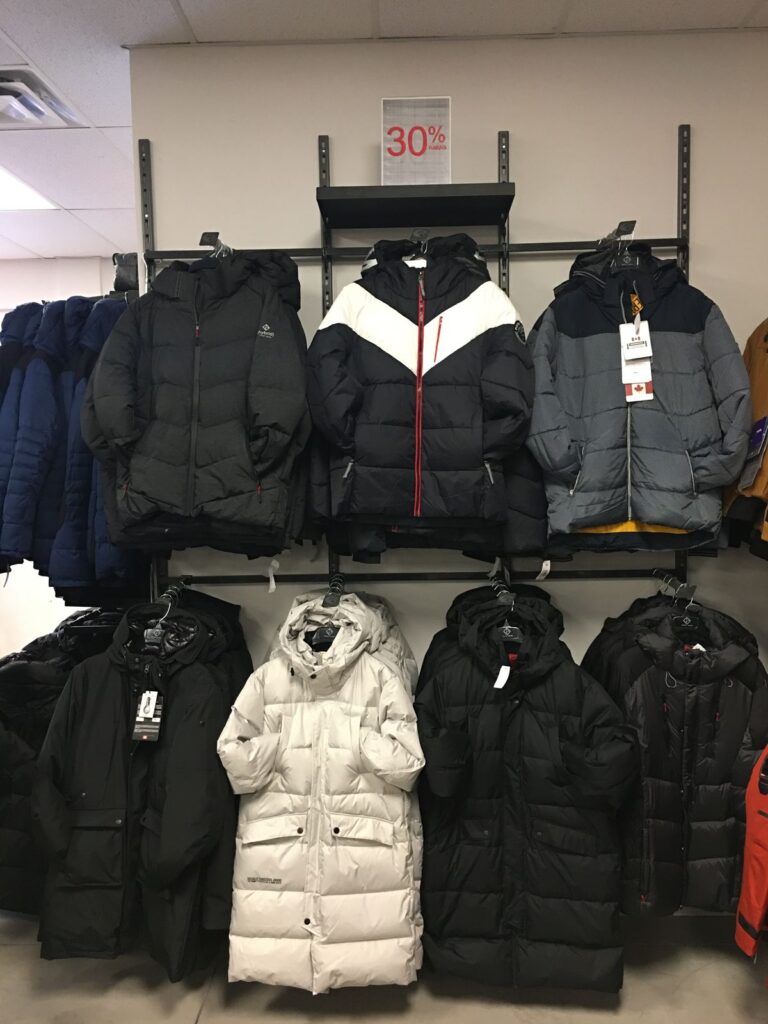
Can one padded coat sell well in all four markets? Usually not. But that does not mean four separate developments. Understand what each market wants, find the parts that can be shared, and put the differences where they are visible but not expensive. That, to us, is what working with the European market actually means.