




Noticias
What Is Fabric Nap Direction and How to Avoid Cutting Mistakes?
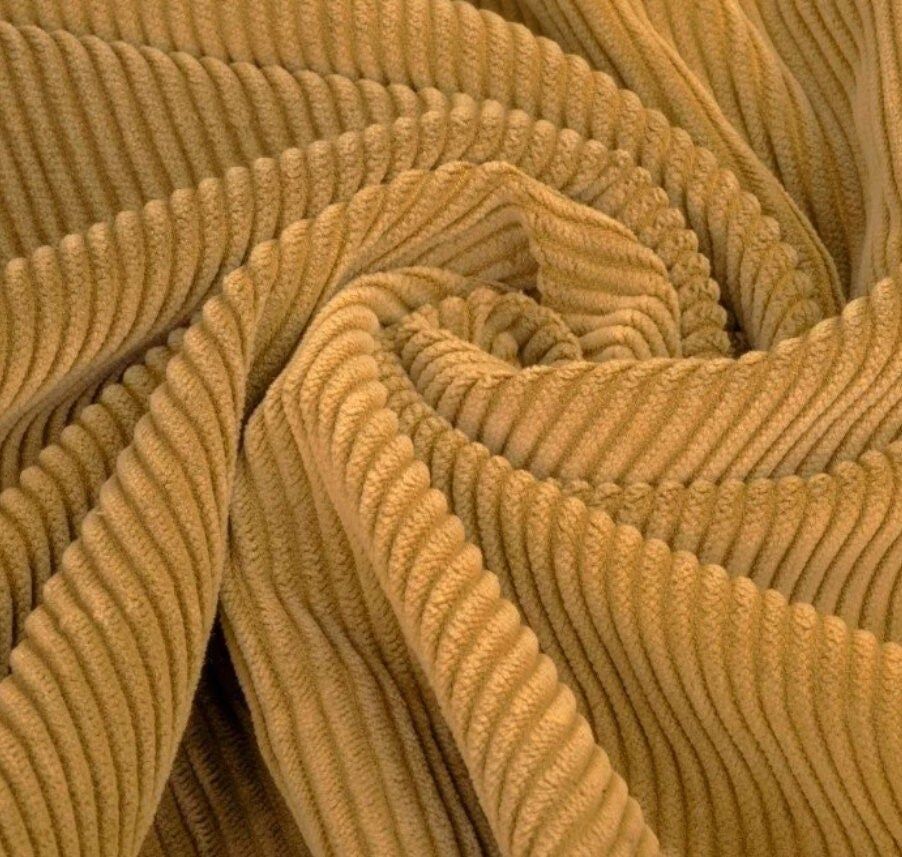
When sourcing fabric, most buyers focus on color consistency, gram weight and hand feel. But certain fabrics carry a special attribute — nap direction. Nap direction means the surface fibers or texture have a directional quality: stroking one way feels different from stroking the other, and the visual effect differs too. Corduroy, velvet and faux suede all fall into this category. If direction is reversed during marker making and cutting, the finished product looks entirely wrong.
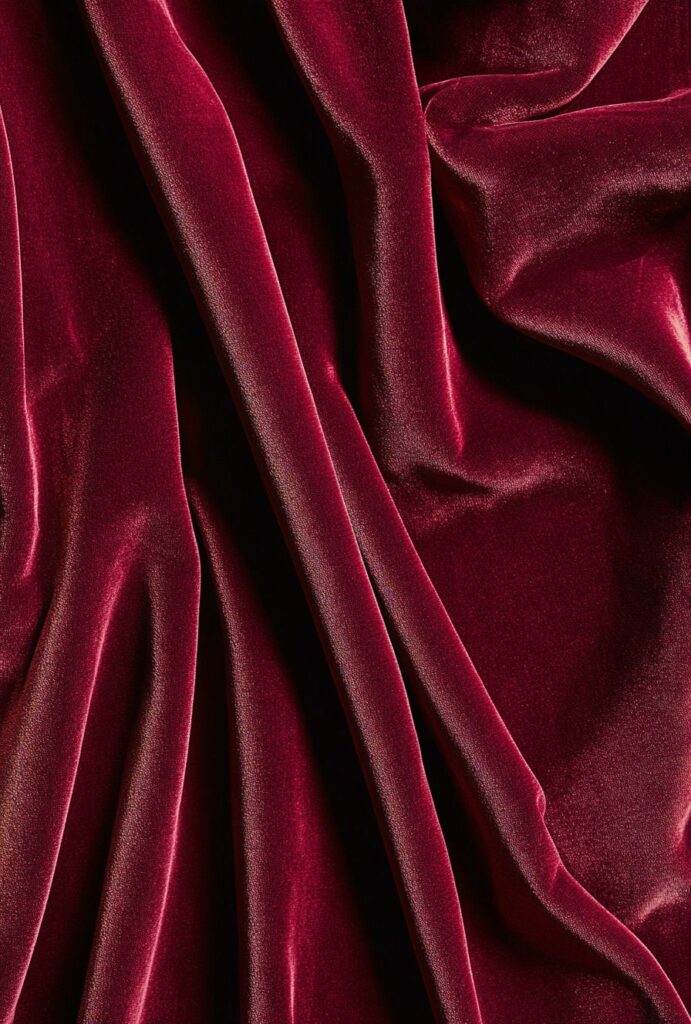
What nap direction feels like. Take a piece of corduroy and stroke downward — the surface feels smooth and soft, fibers lying flat, the color appears darker. Stroke upward and fibers stand up, the surface feels slightly rough, the color reads lighter and more reflective. This is nap direction at work. Velvet shows an even more dramatic effect — stroking with the nap produces neatly aligned fibers with soft sheen; stroking against the nap leaves fibers chaotic and upright, sheen vanishes, and the fabric appears uneven in color depth. Faux suede behaves similarly, though shorter finer fibers make the difference less pronounced — still noticeable upon close inspection.
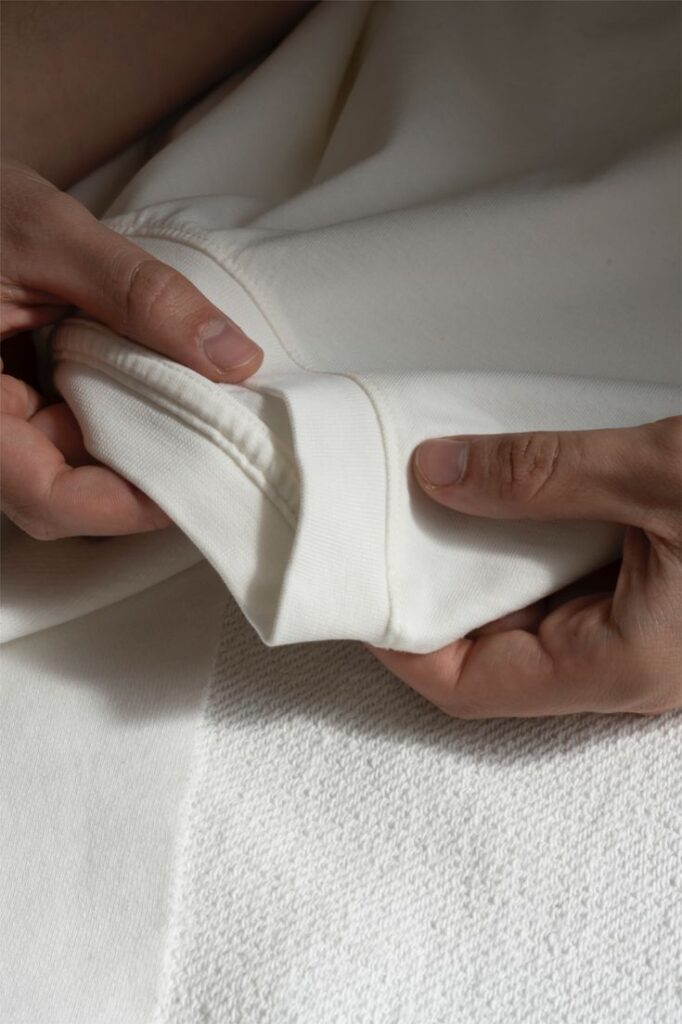
How nap direction affects finished garments. If one jacket has the left panel with nap running down and the right panel with nap running up, the two panels show inconsistent color when joined — one side darker, one side lighter. It looks like color inconsistency but isn’t a color problem at all; it’s reversed cutting direction. Striped and checkered fabrics face similar issues, but nap direction’s impact is more subtle — the “color difference” isn’t about different dye lots, but the same fabric appearing darker or lighter depending on viewing direction. Buyers unfamiliar with nap direction easily mistake it for fabric quality problems. Worse cases involve pocket flaps, collars or sleeves with nap direction inconsistent with the jacket body — obvious color break lines at seams make the entire garment look wrong.
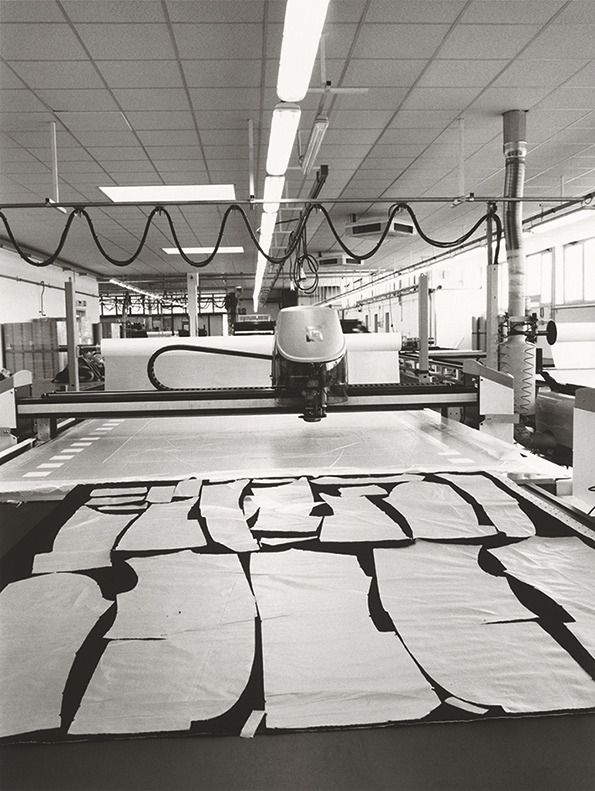
How to avoid nap direction mistakes during marker making. The fundamental rule: all pattern pieces within one garment must share the same nap direction. Arrange all pieces facing the same way — fibers running uniformly top-to-bottom or bottom-to-top, never mixed. This sounds straightforward, but the biggest challenge is fabric utilization. Single-direction marking means pieces cannot be flipped to improve yield, typically dropping utilization 10-15% compared to free-layout cutting, creating more waste and higher fabric cost. But this cost is mandatory — inconsistent direction produces unsellable garments.
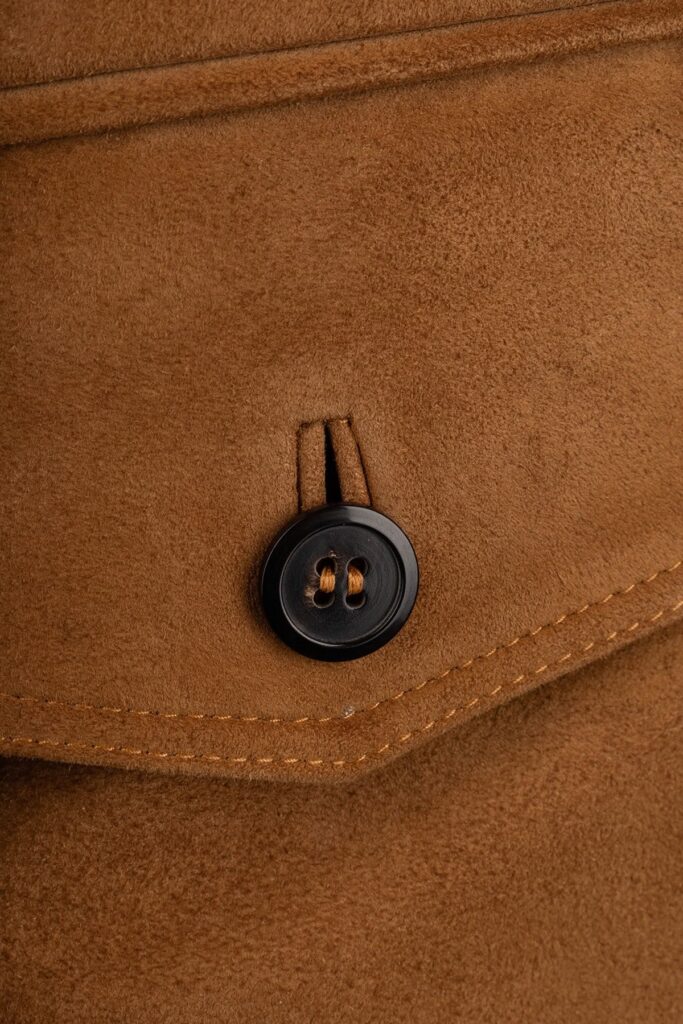
Another vulnerable point: small component direction. Pocket flaps, collar faces and cuffs occupy small areas, making it easy to place them casually without considering nap direction. If a pocket flap runs counter to the body nap, it appears lighter or darker, forming a clear break line at the seam. Collars are worse — among a jacket’s most visible areas, a collar face running counter to the front body nap is immediately noticeable. Small components must share the same direction as the body; their size doesn’t excuse inconsistency.
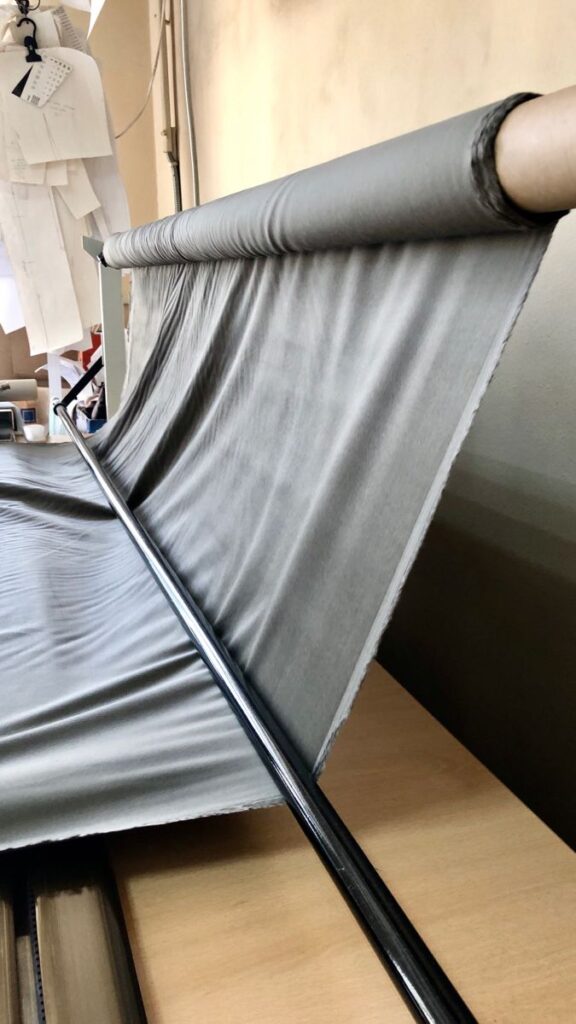
How to identify nap direction during fabric inspection. Standard practice: lay fabric face-up on the inspection table and stroke along the warp direction back and forth, feeling for the nap’s smooth and rough directions. Typically, the direction where fibers lie flat when stroking downward is designated as the “with nap” direction — the fiber’s natural resting direction — and finished garments should all follow this direction. During inspection, mark the direction on the selvedge so marker making won’t confuse it. Unmarked fabric forces the cutting department to re-inspect — wasting time and inviting errors.
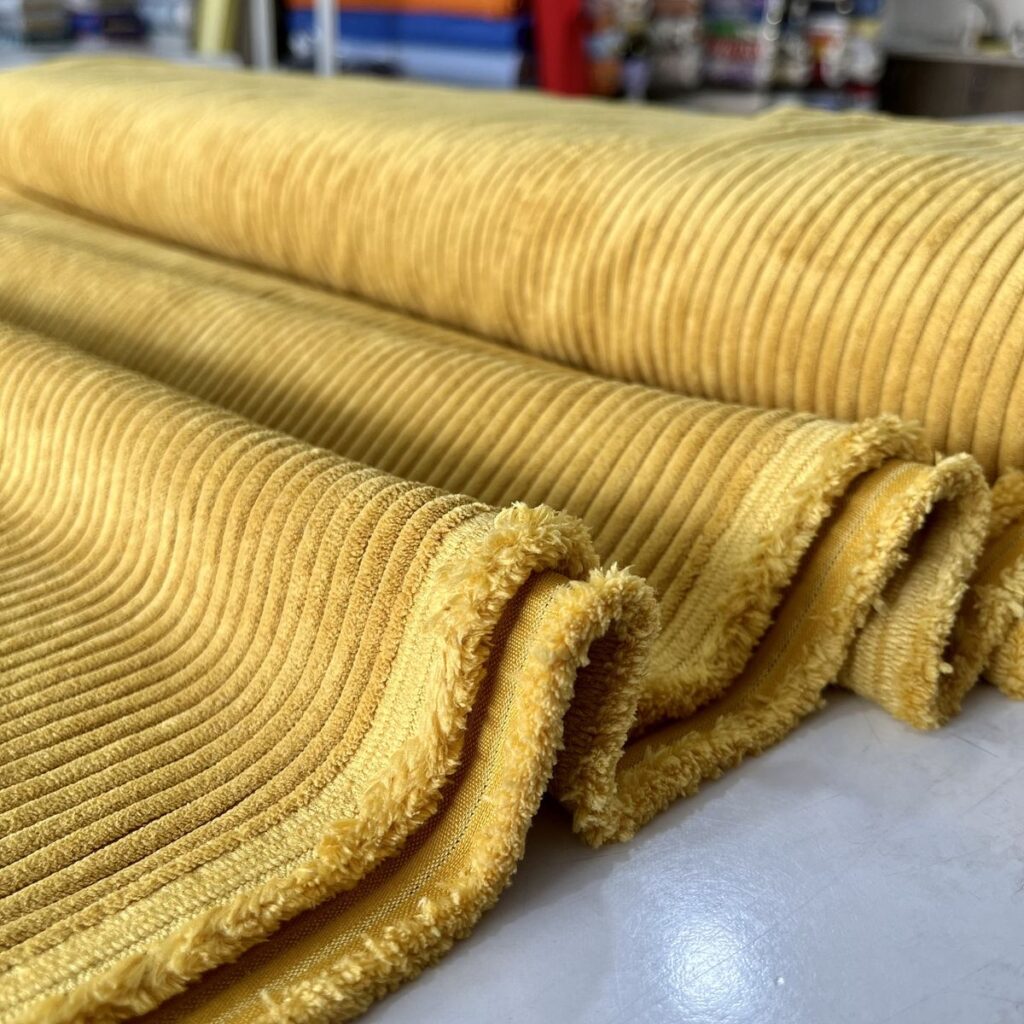
One more detail for fabric sourcing: different batches of the same nap-direction fabric may vary in directional intensity. Some batches show obvious nap differences, making cutting errors unlikely; others have weak directionality with subtle variation, making it easy to overlook consistency — problems surface only after production. Every new batch of nap-direction fabric requires fresh confirmation of direction and intensity; previous experience cannot be applied directly.
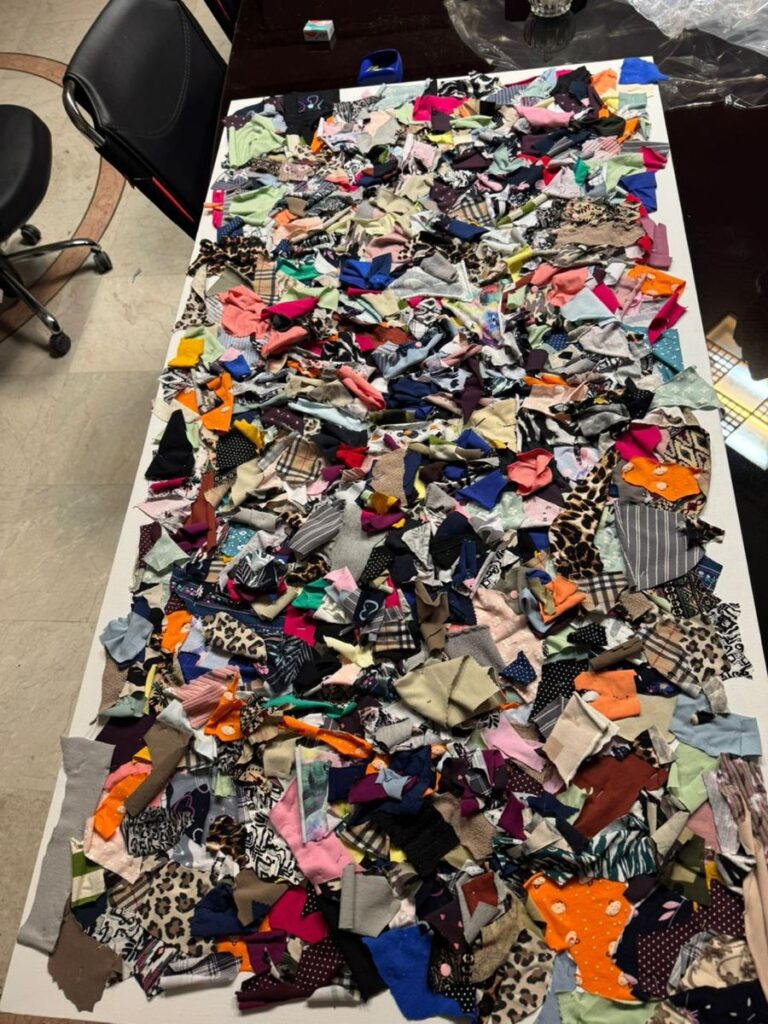
Nap-direction fabrics require one extra step in marker making and sacrifice some fabric utilization. These are mandatory costs. Reversed direction produces unsellable garments; unified direction wastes more fabric but delivers correct results. The math is simple.