




Новости
How to Build a Long-Term Partnership with a Chinese Supplier?

Many European buyers, after one or two orders with a Chinese supplier, face a choice: keep switching to new suppliers to compare prices, or deepen the existing relationship. Long-term cooperation is not a slogan; it is built on repeated small actions. A supplier that works smoothly can help you squeeze out delivery time during peak season, source fabric when it is tight, and give practical advice during new style development. These values cannot be bought through temporary price inquiries.

The first step toward long-term cooperation is stabilizing communication. Europeans are used to writing everything clearly in one email; Chinese factories are used to confirming things whenever questions arise. The rhythms are different, but the goal is the same. Buyers should write requirements clearly — fabric, dimensions, colors, trims, delivery dates, acceptance standards — attach pictures when possible and number items when possible. When the factory has questions, reply promptly and do not delay. After a few rounds of adjustment, the factory will understand your way of expressing things, and future communication will become more efficient.

Trust is built on both sides. On the buyer’s side, paying on time, confirming samples as agreed, and not changing designs at the last minute are small things that signal reliability to the factory. On the factory’s side, delivering on time, proactively reporting progress, not hiding problems, and being willing to rework defects also earn the buyer’s trust. Accidents are inevitable in cooperation; what matters is not whether problems occur, but how both sides handle them.

Long-term cooperation also requires a sense of shared interest. Buyers can share their sales plans with the factory in advance so the other side can arrange capacity; when developing new styles, share the target market, customer profile and price range with the factory, so the factory can better recommend fabrics and workmanship. In return, the factory will be more willing to reserve good capacity, scarce fabrics and priority scheduling for stable clients. This kind of mutual benefit cannot be exchanged for temporary orders.
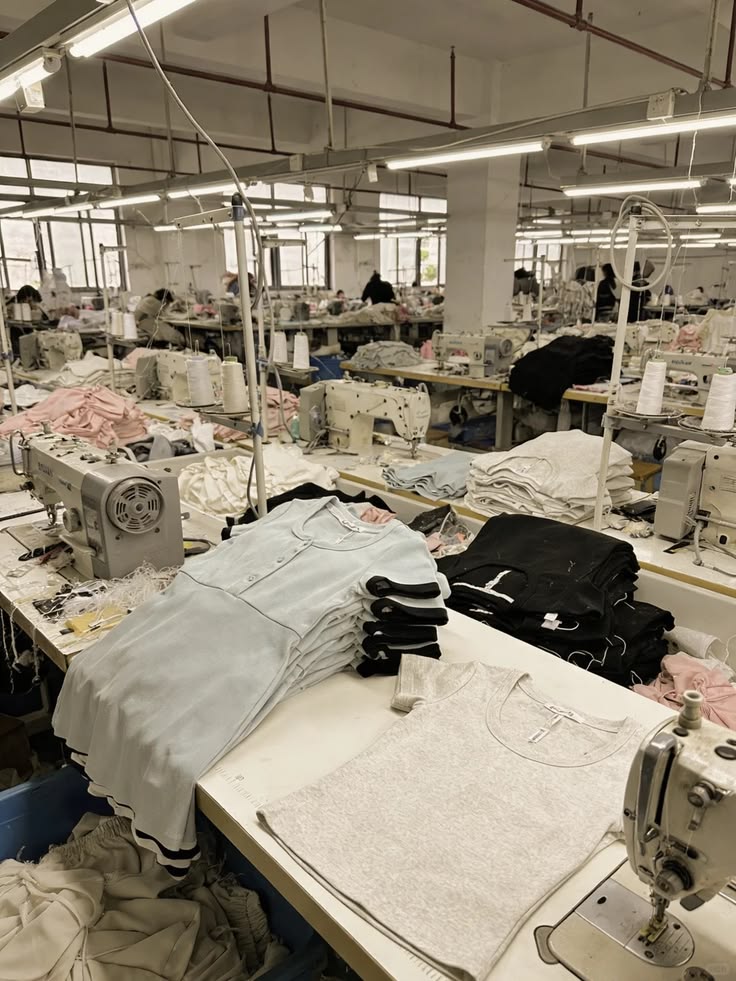
Respecting each other’s rhythm is also important. Chinese factories have slow and peak seasons; the peak is usually in the second half of the year, especially when autumn and winter orders concentrate. If European buyers can complete development samples, quotations and fabric confirmations in the first half of the year, the factory will have enough time to schedule production. Around the Spring Festival is when Chinese factories stop and workers move the most, so this period is not suitable for urgent orders. Understanding these rhythms makes order planning smoother.

Regular meetings or video calls build relationships better than emails alone. If possible, buyers should visit China every one or two years to see the factory’s new equipment, new capabilities and new team. If not, at least arrange a video meeting every quarter to discuss new orders, new fabrics and market changes. Let both sides’ merchandisers, quality controllers and salespeople know each other, so when problems arise they can communicate directly instead of relaying everything through a sales representative.

When handling problems, try to solve the problem first, then divide responsibility. When there is a problem with the garments, the buyer is anxious to sell and the factory is anxious to collect the final payment. If both sides start blaming each other immediately, small issues can easily escalate. A better approach is: first confirm the scope of the problem, take photos and keep samples, propose a remedy, then calculate the losses together and clarify responsibility. Long-term cooperative suppliers are usually willing to bear rework or replenishment within a reasonable range; buyers should also pay promptly after responsibility is clear, not use rework as a reason to delay payment.

Another point easily overlooked is treating the supplier as a partner, not just a vendor. When the factory does well, give recognition; when the factory faces difficulties, such as rising fabric prices or worker shortages, listen to the reasons and find solutions together. In a long-term relationship, both sides will leave a little room for each other. Short-term cooperation looks at price; long-term cooperation looks at chemistry.

So, how do you build a long-term partnership with a Chinese supplier? The answer is not to sign a long-term contract, but to handle every order, every communication and every problem as a partner would. When the relationship is stable, the factory will actively think for you; when the relationship is shallow, every time you have to renegotiate and readjust. Anyone in foreign trade knows that a good supplier is harder to find than a good customer.