




Новости
Carbon Footprint of Garments: What Can Buyers Do?
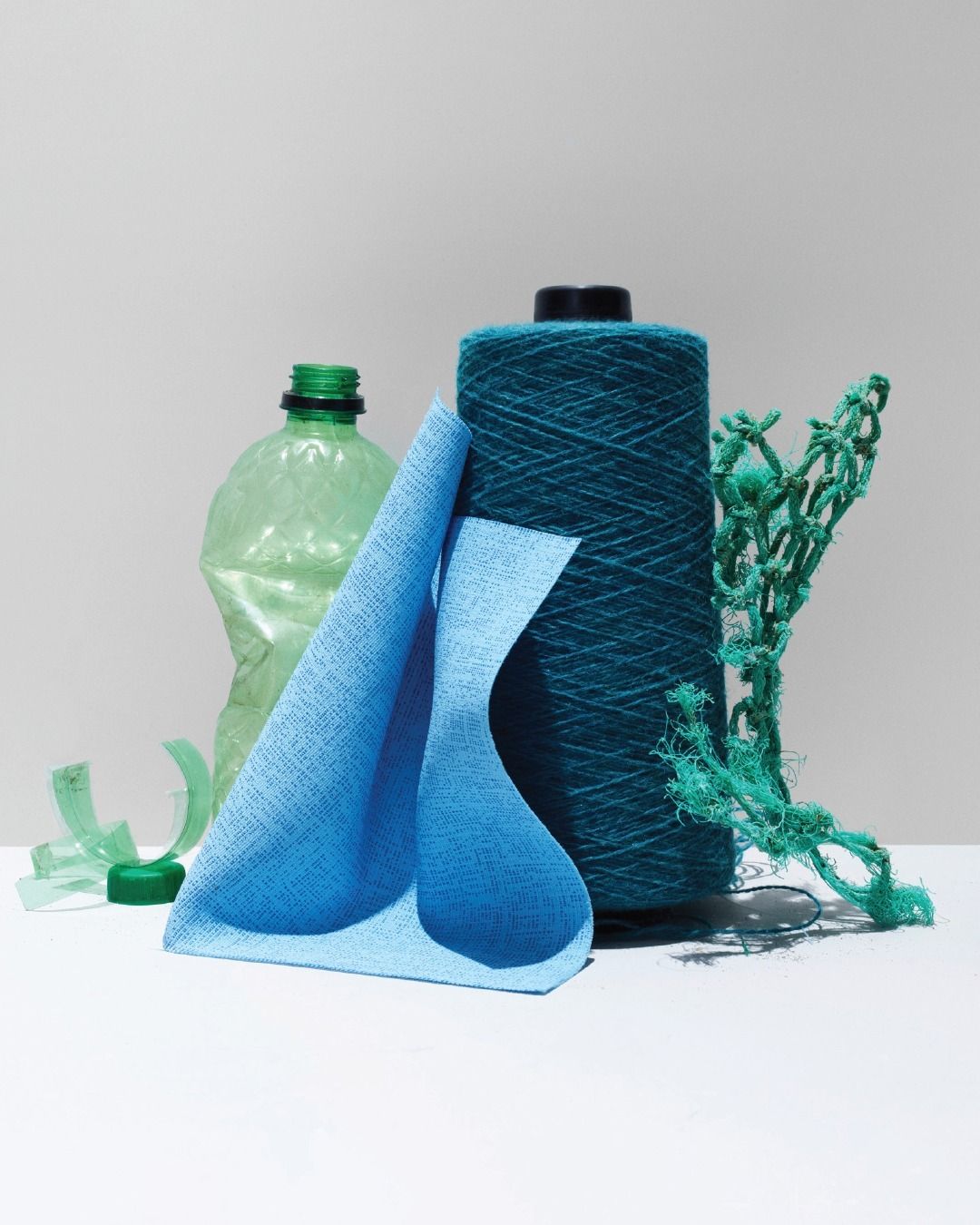

Carbon footprint is a term European buyers hear more often these days. Simply put, it is the total carbon dioxide equivalent emitted by a garment throughout its entire life cycle — from raw material to final disposal. Carbon footprint isn’t just about production; it covers fiber cultivation or synthesis, dyeing and finishing, cutting and sewing, transportation, consumer use, and finally recycling or incineration. For buyers, understanding carbon footprint isn’t about calculating every single digit, but about knowing which stages they can actually influence.
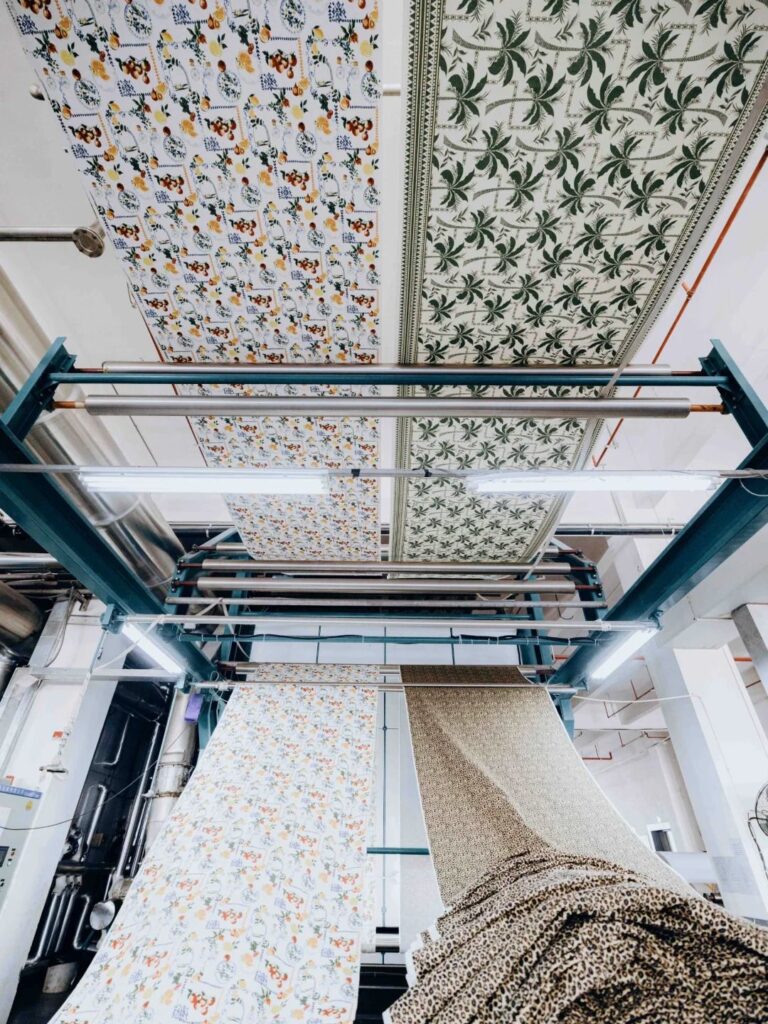
Most of the apparel industry’s carbon emissions happen upstream in the supply chain. Fabric production, especially synthetic fibers and dyeing-finishing, often accounts for the largest share of a garment’s footprint. Cotton growing requires significant water and land; polyester comes from petroleum-based feedstock; dyeing and finishing demand high heat, large amounts of energy and chemicals. As a garment manufacturer, Cciola handles sewing and assembly, which consumes relatively less energy, but this doesn’t mean the factory has no responsibility. Truly reducing carbon footprint requires cooperation among fabric suppliers, accessory suppliers, factories and buyers — not shifting responsibility to one party.
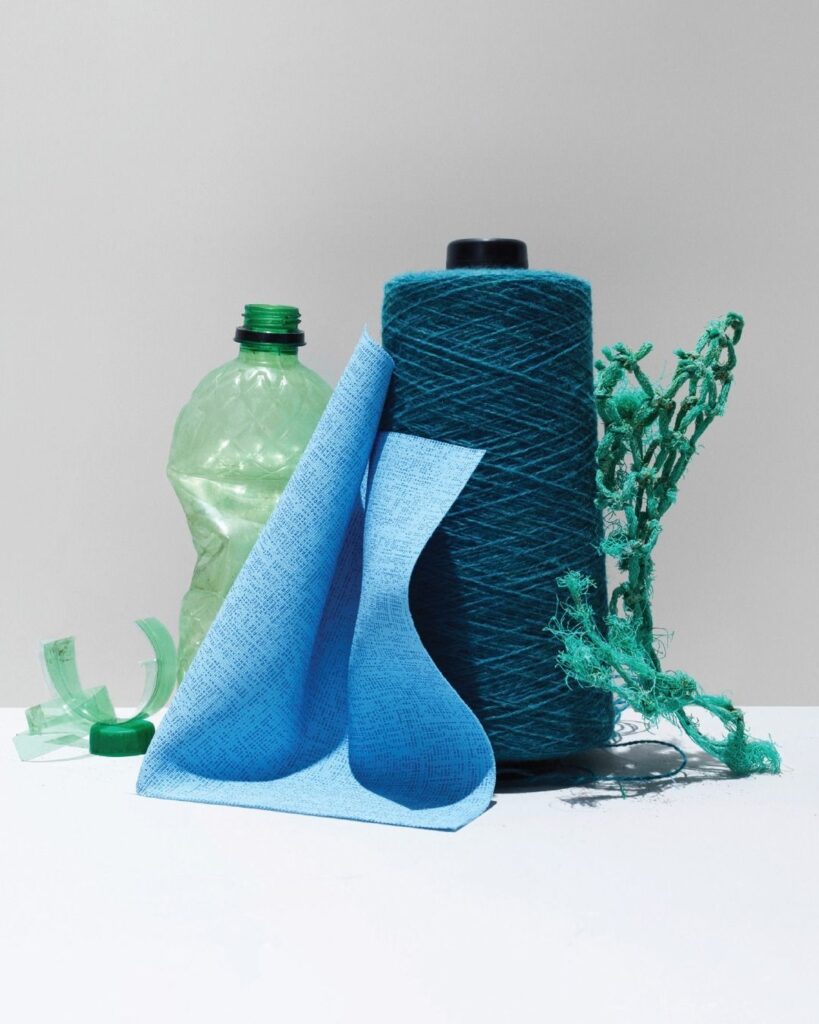
The first thing buyers can do is consider impact during material selection. The same appearance can be achieved with different fabrics. Recycled polyester, organic cotton, Tencel and linen generally have lower footprints than conventional virgin synthetics; yet every material has its own water and land use trade-offs, so no option is perfect. Buyers should choose materials that fit their product positioning, usage scenarios and cost structure. Importantly, don’t just place an order because something is labeled “eco-friendly”; ask suppliers for concrete data and certifications.
The second thing is to reduce unnecessary production and transportation. A large portion of emissions comes from overproduction — ordering too much, failing to sell, and ending up as waste. Accurate sales forecasting, reasonable MOQ control, and fewer reorders and rush air shipments all directly lower carbon footprint. Air freight for an urgent batch is already expensive; from a carbon perspective it is several times higher than sea freight. Buyers who align order rhythms with shipping schedules save money and emissions.

The third thing is extending product lifespan. If a garment can only be worn for one season, even a low footprint can’t be amortized. If a winter jacket lasts three seasons, five years, or even ten, its annual carbon footprint drops significantly. Buyers can demand more durable fabrics, stronger stitching and better accessories to make products longer-lasting. This also means avoiding excessively low prices that sacrifice quality, because cheap garments tend to be discarded faster.
The fourth thing is asking suppliers for transparency. Many buyers want to be greener but lack data. You can ask suppliers for fabric origins, energy use, waste handling information, or third-party certifications like GOTS, GRS and OEKO-TEX. Certifications aren’t everything, but they signal that suppliers accept external oversight. If suppliers avoid these questions, they probably aren’t ready on sustainability.
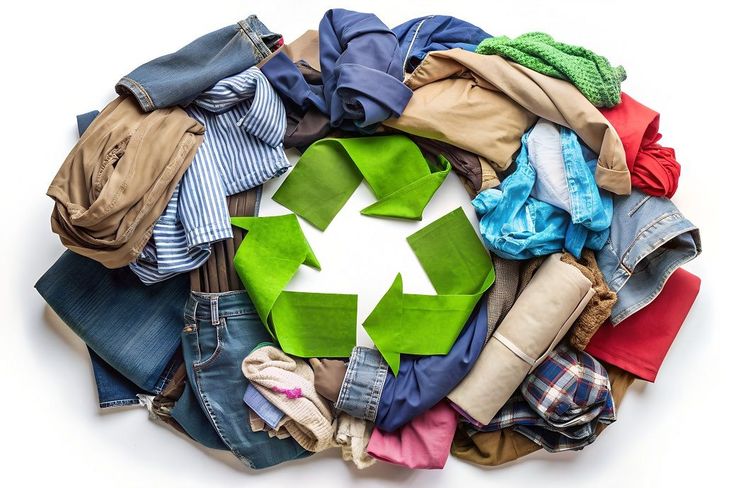
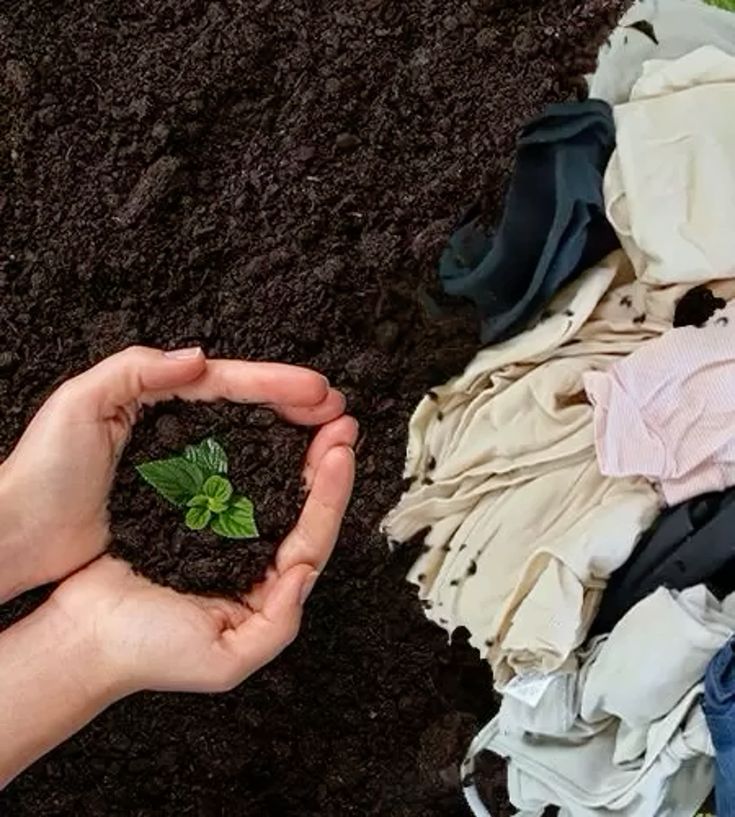
The fifth thing is considering end-of-life handling. The European market increasingly values old-garment recycling, remanufacturing and circular design. Buyers can design products that are easy to disassemble, made of single recyclable fabrics, and fitted with replaceable accessories. These design choices add upfront communication cost, but help build a long-term green image in the European market.

Overall, carbon footprint isn’t a math problem buyers can solve alone, but a collaboration that requires the entire supply chain. The greatest influence buyers can exert is not calculating every number themselves, but using their purchasing decisions to tell suppliers: we value long-term value more than low price alone. When this signal is repeated often enough, the whole supply chain moves in a more sustainable direction.