




Notícias
What Cciola Can Do for Buyers Looking to Develop a New Collection?
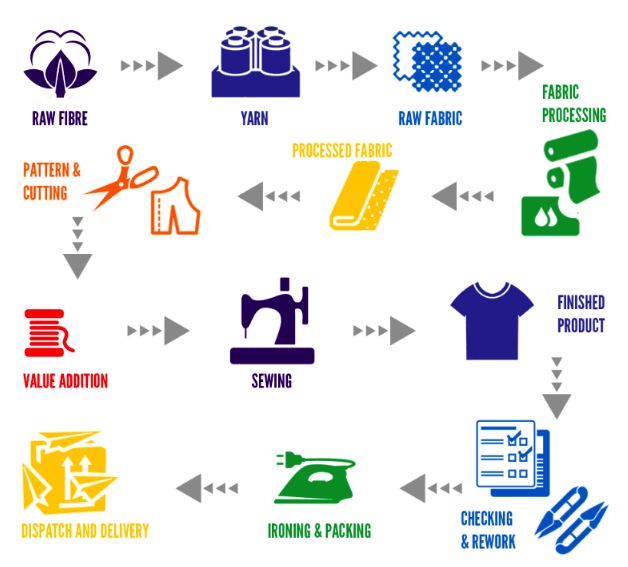
For European buyers, developing a new clothing collection is never just about drawing a few sketches. From market positioning and fabric selection to pattern adjustment and sample confirmation, every step requires the supplier’s cooperation. As an export company with its own factory in China, Cciola can support buyers through the entire development stage, from concept to mass production.
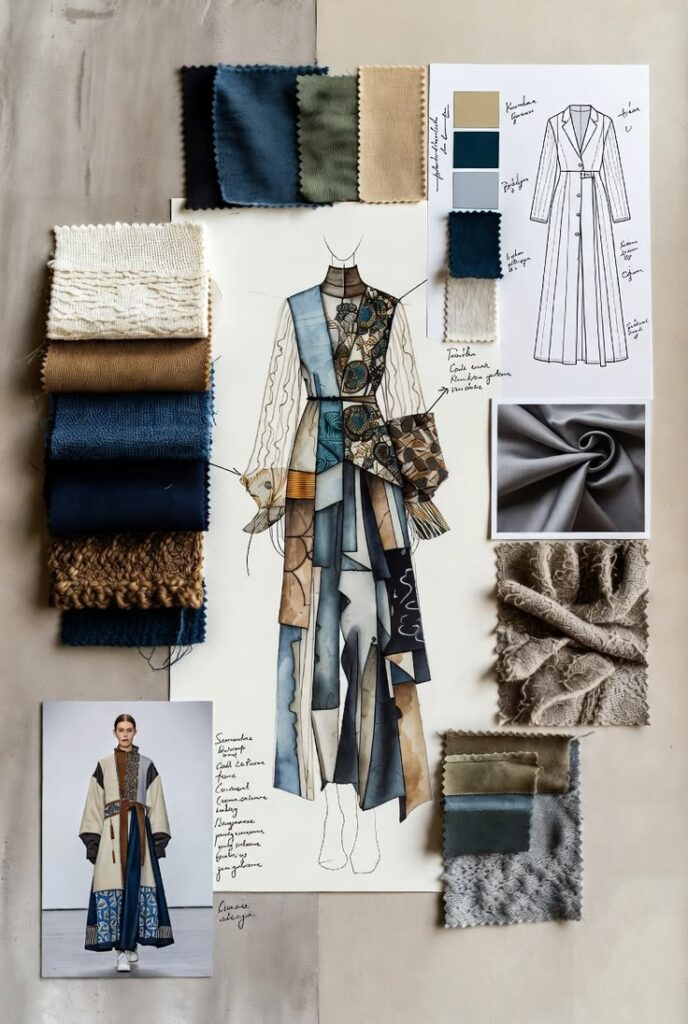
The first step is understanding the buyer’s direction. Does the buyer bring a sketch, a mood board, or a complete set of design requirements? Cciola will first clarify the target market, price range, wearing occasion and style complexity. Different European markets—Northern Europe, Western Europe and Southern Europe—have different requirements for fit, color preference and functional details. Getting these positioning issues clear at the beginning prevents repeated changes during the sampling stage.
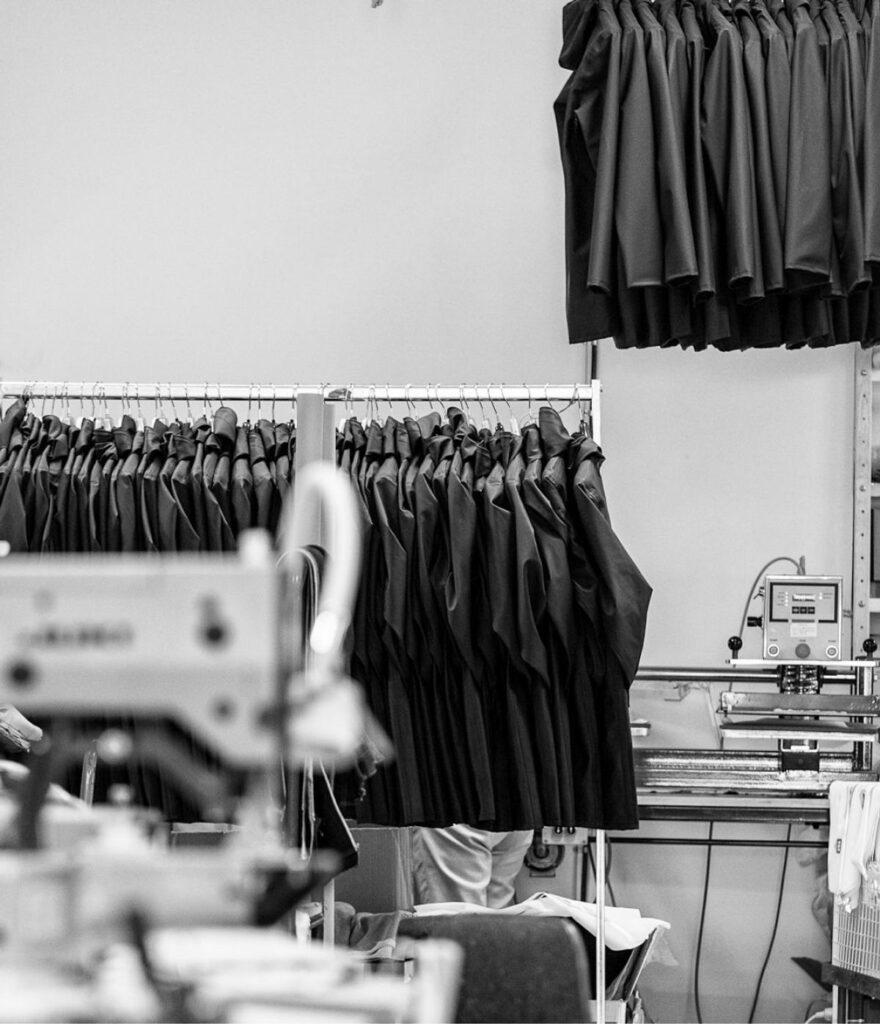
Next comes fabric and materials. Cciola does not do fabric dyeing or waterproof finishing in-house, but based on buyer needs, it works with long-term fabric supplier partners to select suitable materials. Whether it is waterproof and breathable fabric for hardshell jackets, crisp woven fabric for business jackets, or soft lining for padded jackets, corresponding fabric solutions can be recommended. At the same time, zippers, buttons, Velcro, webbing and other trims are matched synchronously, avoiding the situation where everything looks fine in the sample stage but the materials cannot be sourced for bulk production.
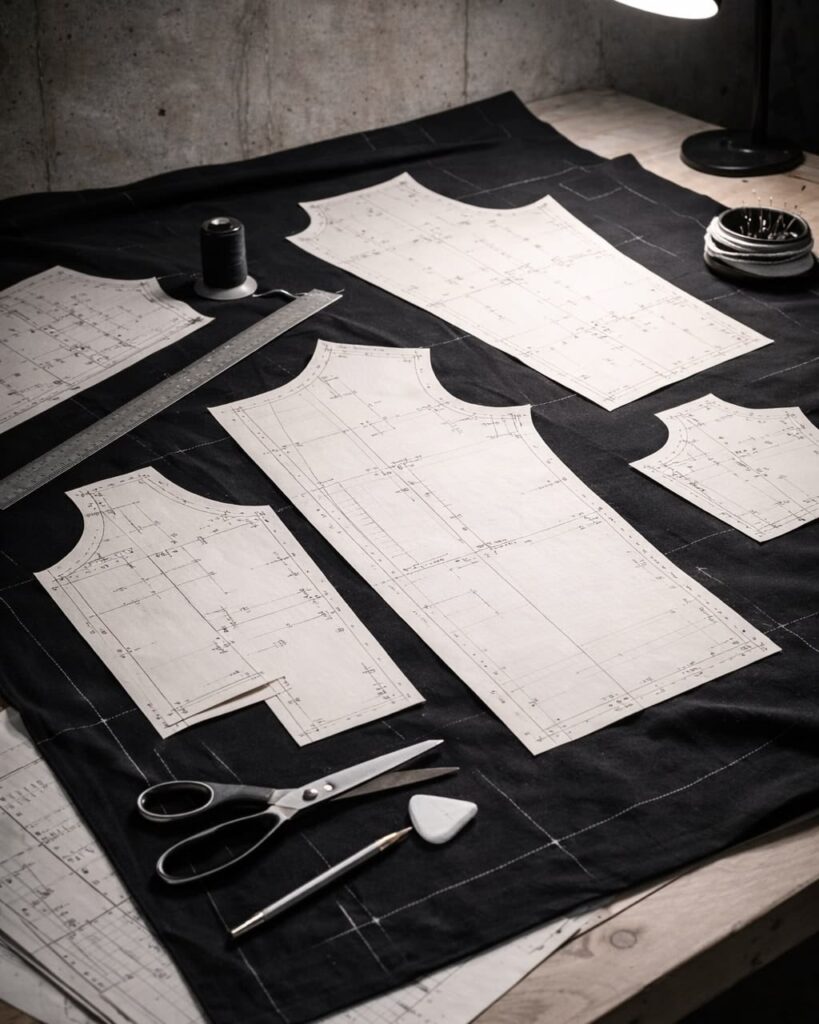
Then comes pattern making and sampling. Cciola’s pattern room and sample room can turn design drawings into physical garments. No existing pattern? A new pattern can be developed based on the style. Have a sample garment you want to improve? The fit and workmanship can be adjusted on that basis. After the sample is made, it is checked for fit, process stability and whether the cost is within budget. The refinement at this stage determines whether major problems will arise during bulk production.
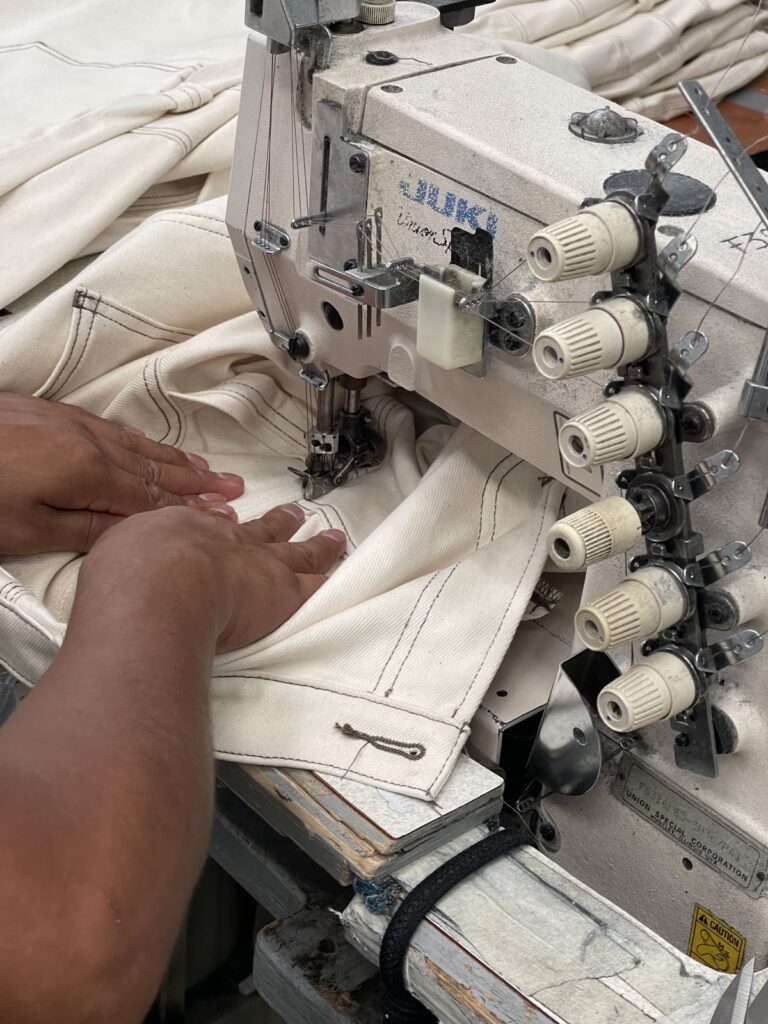
After sample confirmation, Cciola helps buyers evaluate mass production feasibility. Some designs look great in samples but are either too inefficient or too wasteful in bulk production. An experienced factory will make adjustment suggestions at this stage, such as simplifying a seam structure, changing to a more stable sewing sequence, or adjusting trim specifications. The goal is to make bulk production more stable without affecting the design effect.
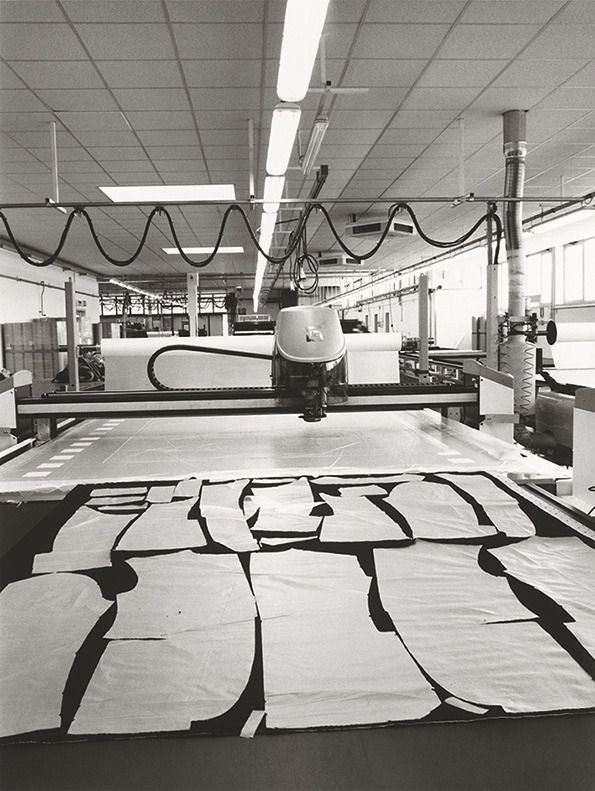
Entering the production stage, Cciola carries out process control from cutting, sewing to finishing. Because the workforce is stable, key processes are handled by skilled workers, so quality differences between the same batch and repeat orders are relatively small. Mid-production inspections are also conducted during production, and problems are adjusted in time rather than waiting until everything is finished before rework.
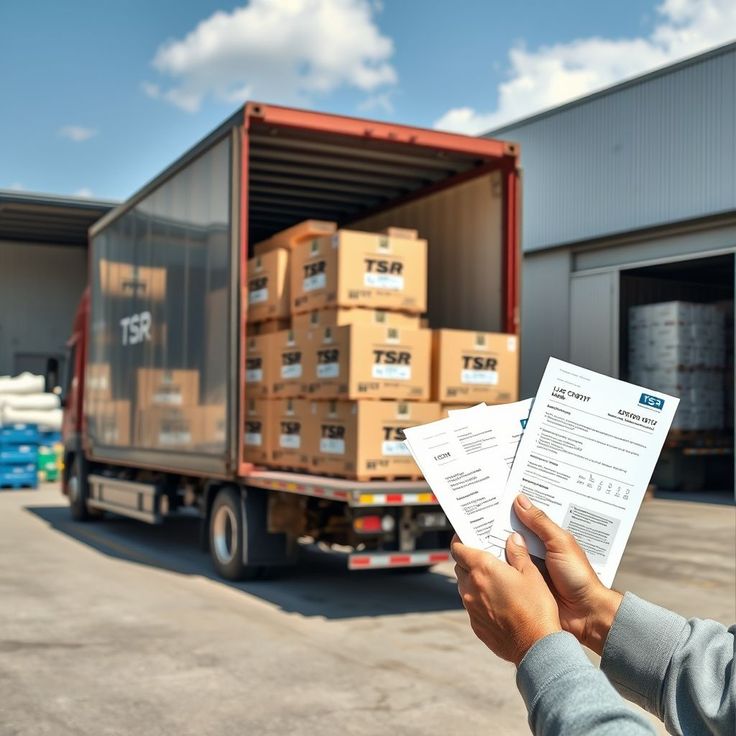
In addition to production itself, Cciola can also assist with the documents required for export. The European market has clear requirements for labels, care labels, composition descriptions, test reports and certifications. Cciola will help prepare relevant documents according to the order destination and customer needs, reducing troubles during customs clearance and shelf listing.
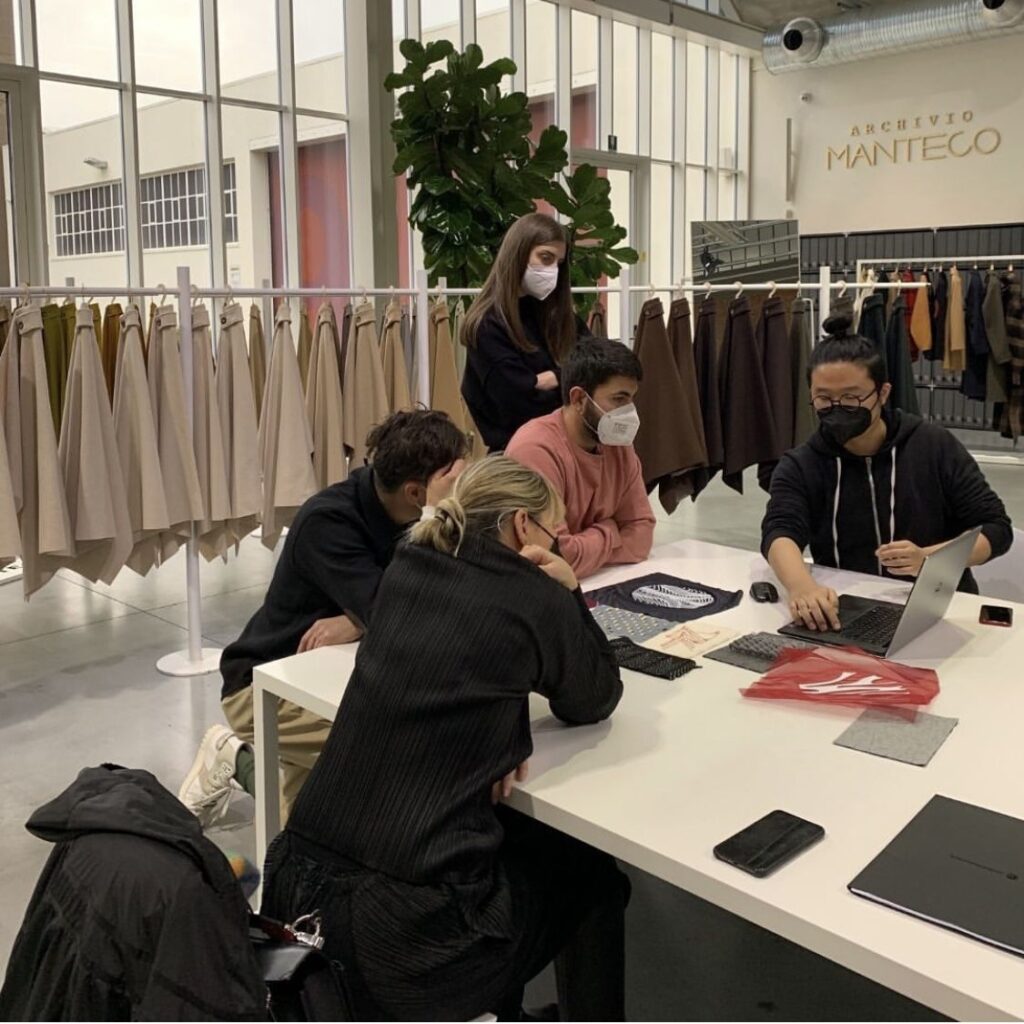
Finally, communication is the key throughout the development process. From the first sample to final bulk goods, Cciola keeps buyers updated on progress—where the sample is, whether fabrics are in place, and how the bulk production schedule looks. For European buyers who cannot come to China frequently, this transparency and responsiveness are often more important than low prices.
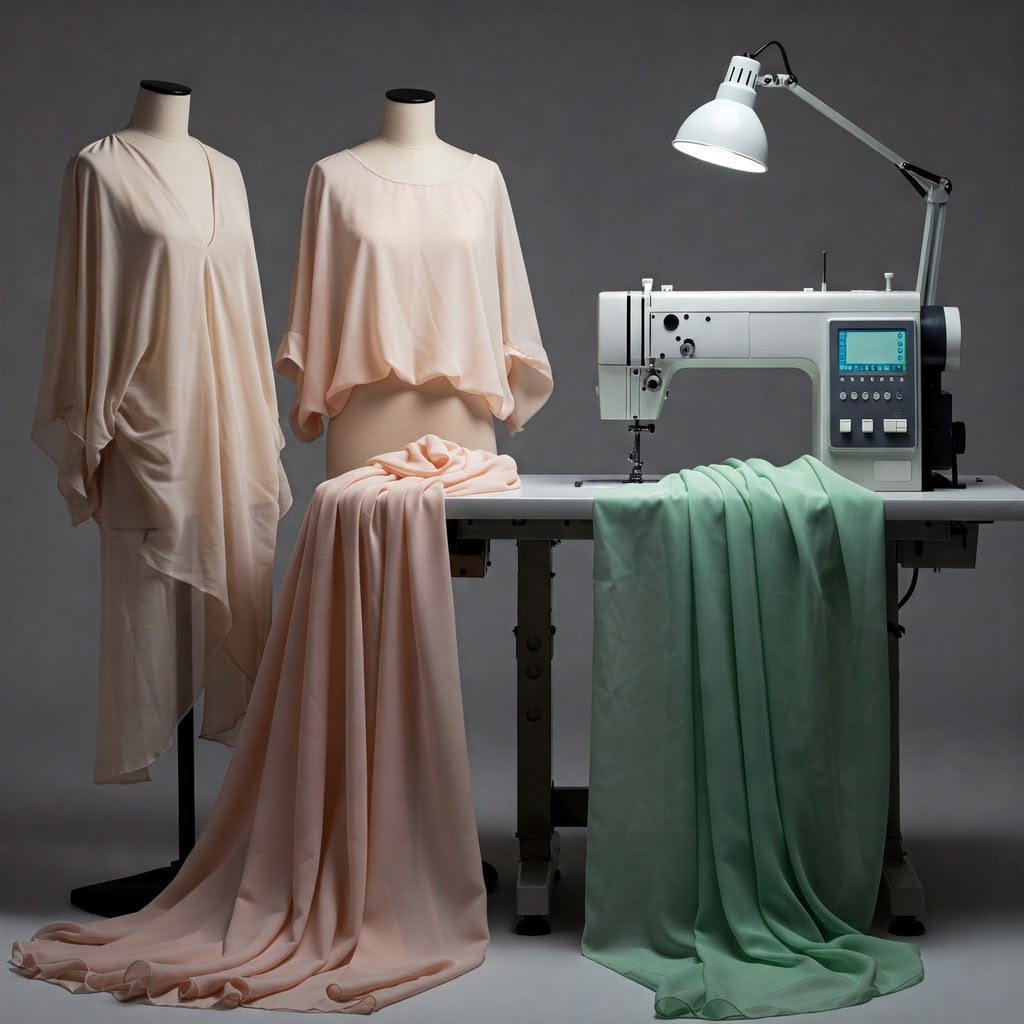
Developing a new collection is essentially a two-way adjustment process. What Cciola can provide is not just machines and workers, but also understanding of the market, fabrics, patterns and export processes. If you are preparing your next season’s line, you can start with a design sketch or a reference sample, and work with Cciola to turn it into sellable garments.