




Notícias
Talking Fill Weight with Your Supplier
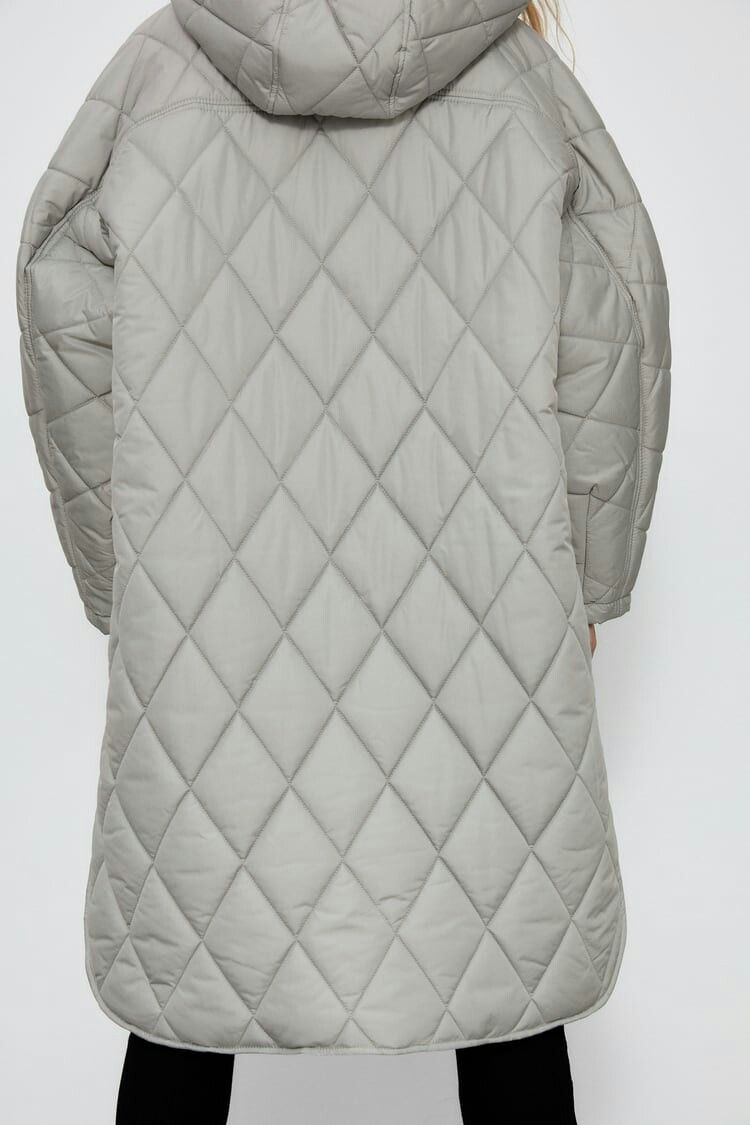
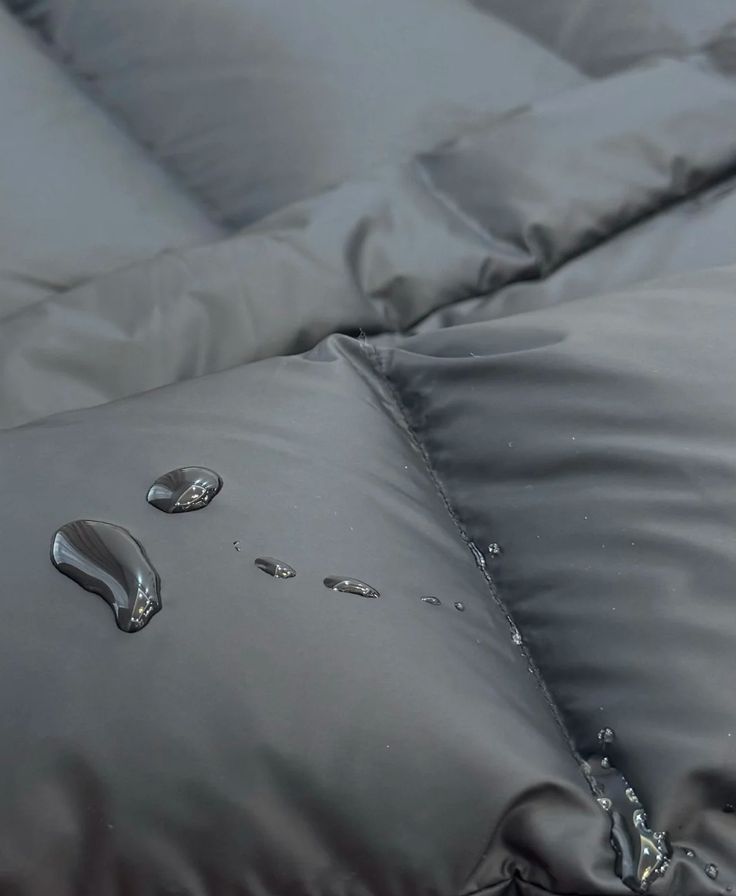
Sooner or later every padded-coat buyer runs into the same moment: prices are more or less agreed, sizes are confirmed, and only the fill weight is still open. It looks like a single parameter, but in reality it decides warmth, hand feel, unit cost and packing volume all at once. What makes it harder is that the two sides are often not talking about the same thing — the buyer is thinking “how many grams of padding go into this jacket”, while the factory is calculating “how many grams per square metre we lay down”. If that is not aligned in the tech pack, sample and bulk can end up in a disagreement that neither side can win.
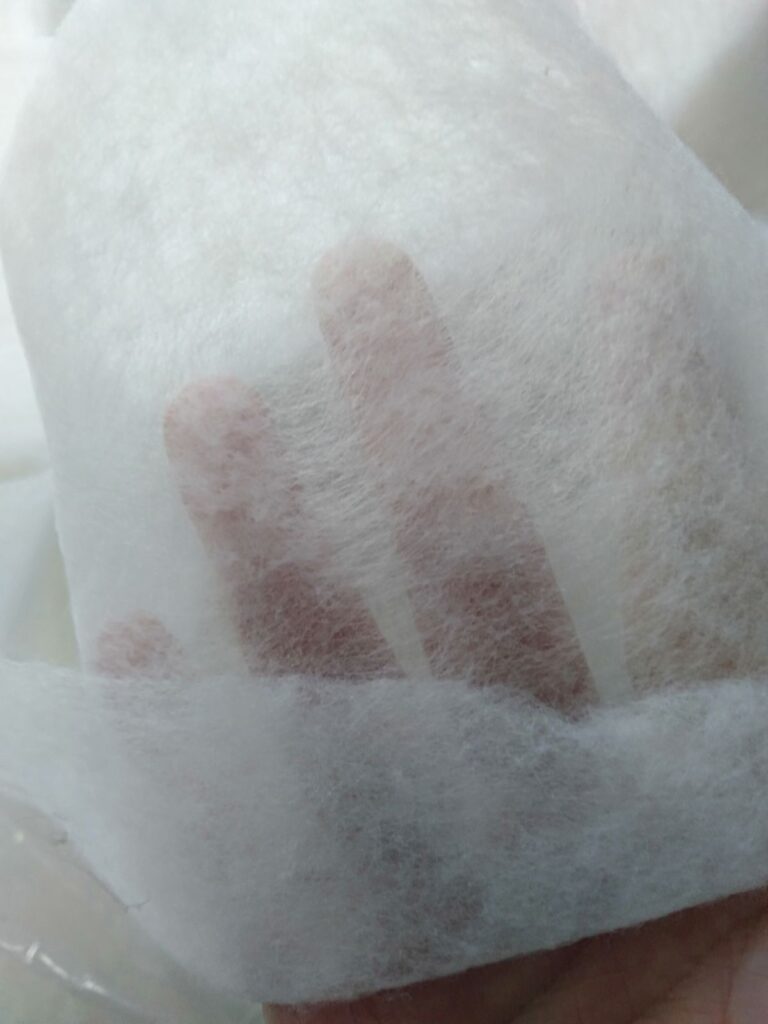
Getting the unit straight is the first step. The industry usually works in grams per square metre, meaning how much filling is laid down per square metre of a given panel, while buyers more easily understand the total grams used for one garment. On the same jacket, different body and sleeve lengths change both numbers. So it is worth writing both expressions into the tech pack or the approval comments, and stating which basis you mean, so that nobody later argues with two different figures in hand. The type of filling matters just as much: common options include bonded wadding, silk-like polyester wadding and hollowfibre, alongside natural fills such as down and feather. The same weight in different materials behaves very differently in loft and warmth.
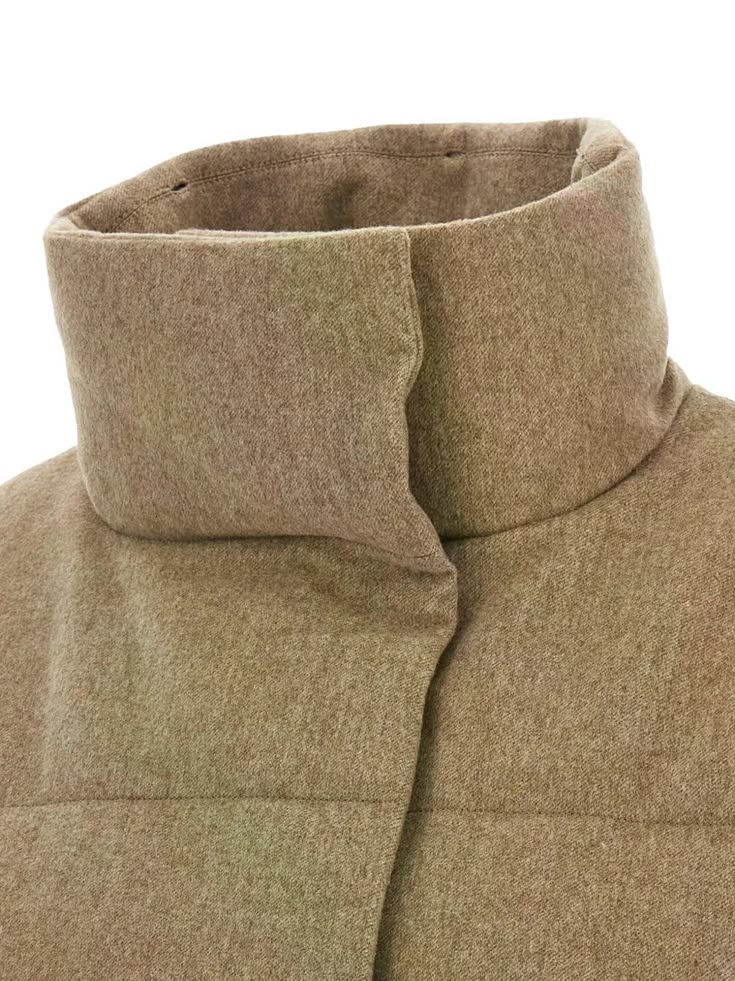
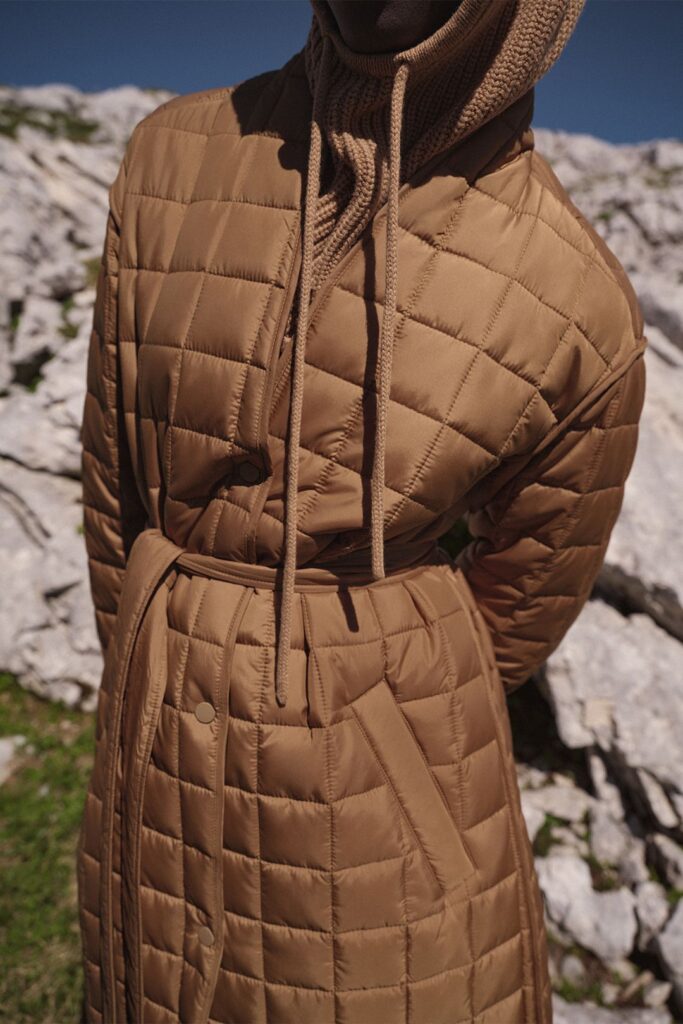
The same weight does not mean the same warmth, and buyers are better off understanding this early. How warm a padded coat feels is the combined result of the filling, the thickness and density of the shell fabric, the lining, the size of the quilting panels and the way it is stitched. Larger quilt panels let the filling move more freely, giving more loft but allowing it to shift to one side; smaller, tighter panels give a flatter, more even result with a firmer hand. So instead of quoting a number on its own, describe the use case: a light transitional piece for spring and autumn, or a heavy style for real cold; a thin, soft feel, or a structured silhouette. Only with that target in front of them can a factory propose a sensible material-and-weight combination rather than haggling over a single figure.
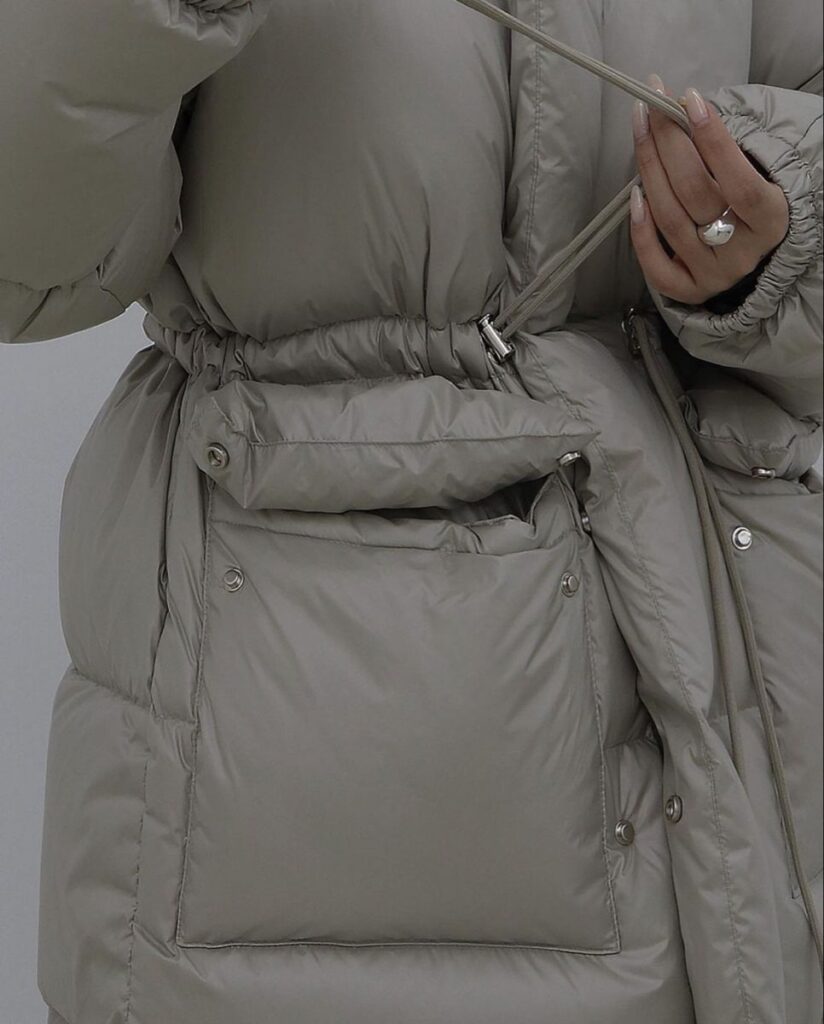
Fill weight also has to be agreed panel by panel, not as one total. Body, sleeves, collar, hood and pocket flaps rarely need the same amount. Sleeves are usually filled a little less than the body, otherwise the garment looks bulky; the collar may need more weight to stand up properly; a hood or pocket flap filled to body specification will distort the silhouette. If these details are not written down, the factory will make its own judgement, and the buyer only notices something is off once the goods arrive — by which time it is hard to trace.
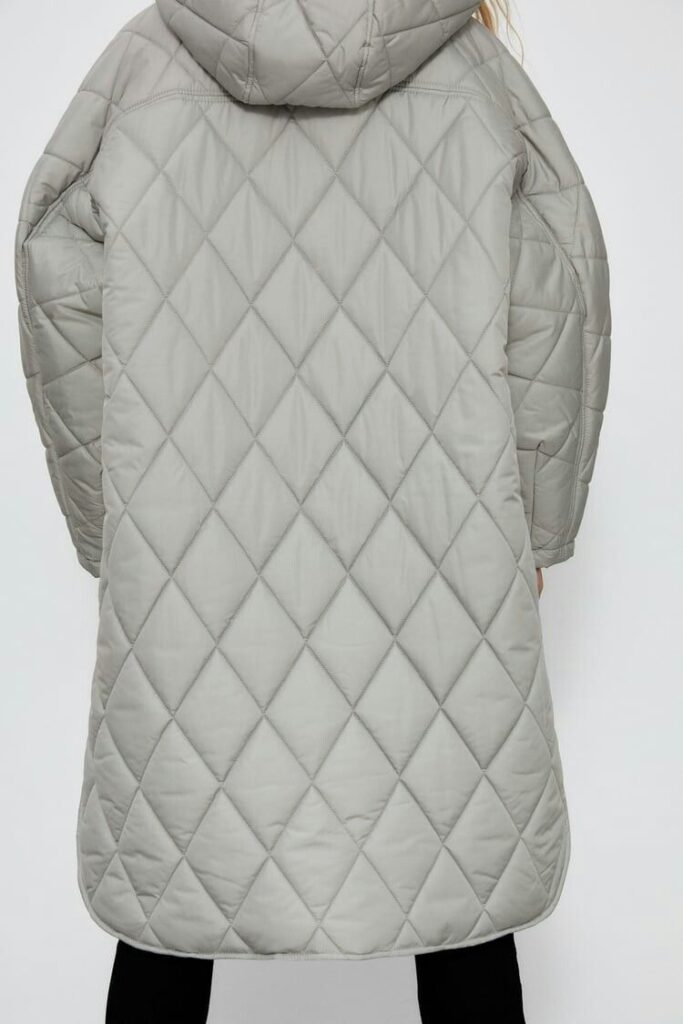
Then come tolerances and the inspection method. Filling is a soft material with thickness, and cannot be held to the precision of a metal part. The usual practice is to agree a permitted deviation on average weight, then agree the sampling area and the number of measuring points, and finally judge pass or fail on the average of several points rather than cutting one corner and weighing it. For the buyer, the important part is to write these rules into the inspection standard, so that third-party inspectors and the factory’s own QC work to the same method. It is also worth stating up front whether you accept a heavier fill but not a lighter one, since too little padding directly affects warmth and drives customer complaints.
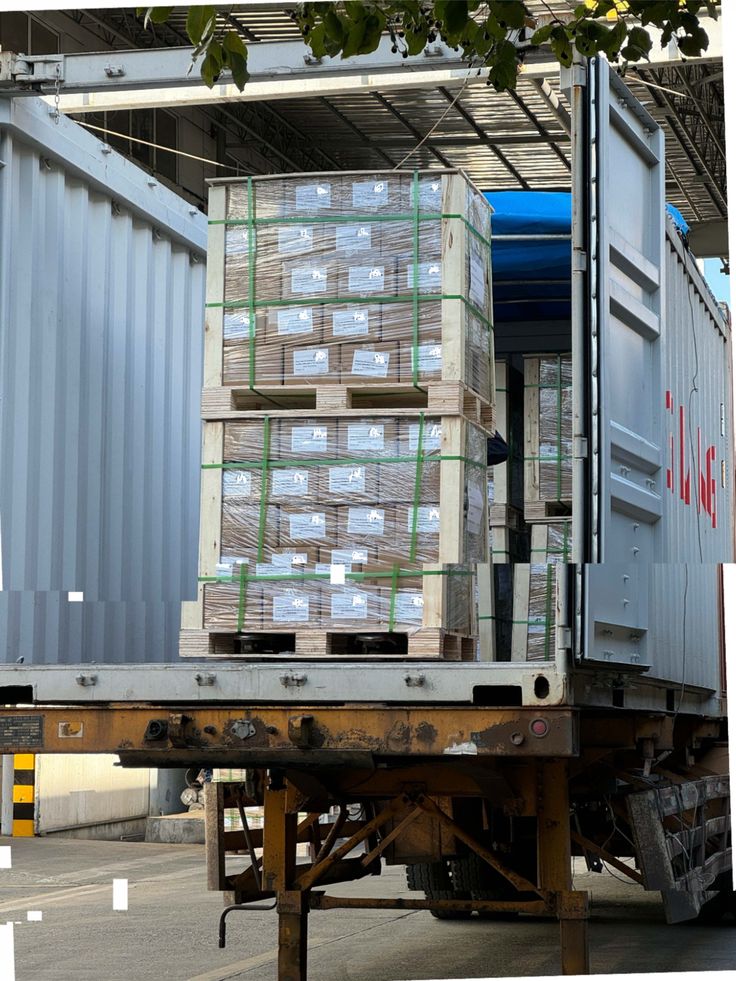
The link between fill weight, cost and freight is another easily missed part of the negotiation. More grams mean more filling and a higher material cost per unit, and a puffier garment compresses into a larger volume, so fewer pieces fit in a container and the sea freight per piece rises. Some buyers push weight down under cost pressure, and end up with a thin garment that loses the customer’s hand at the shelf. A more workable order of operations is to fix the price band and the selling scenario first, then ask the factory for samples in two or three fill weights, compare thickness and feel in the hand, and only then make the trade-off on the cost sheet — rather than cutting the number first and trying to repair the feel afterwards.
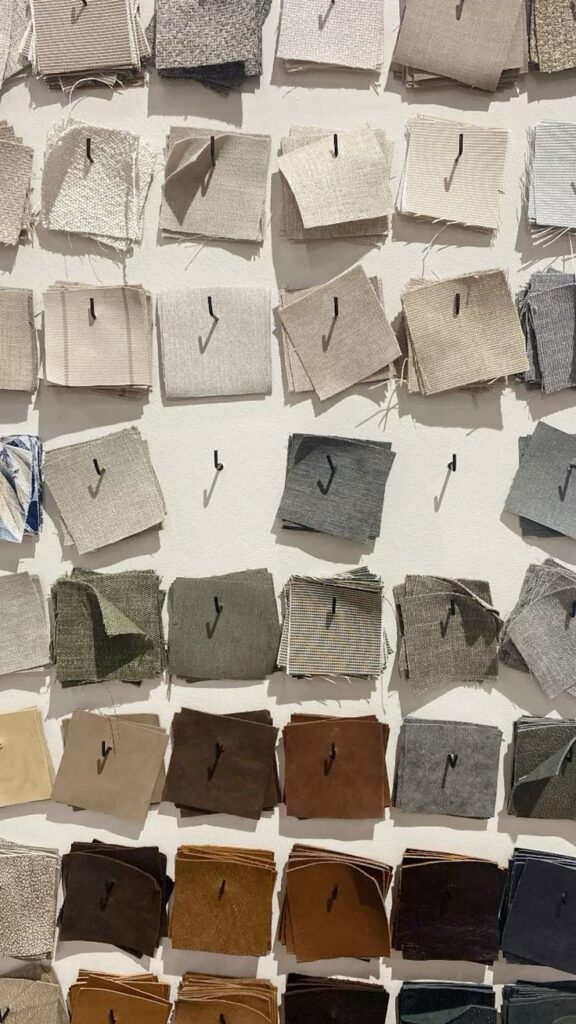
There is one very practical habit in these conversations: make the sample the final reference. The approved sample should record the filling type, the weight, the differences between panels and the quilting configuration, with one copy kept by each side. Bulk production then uses the same filling, the same weight and the same quilting set-up, and inspection compares against both the sample and the weighing data instead of memory and adjectives. Where a filling supplier changes batch and the loft differs slightly, agree in advance how that is handled — whether the sample is re-approved, or whether the weight data governs.
From where we sit, the ideal fill-weight negotiation is not two sides tugging at one number, but a session where the use case, the feel target, the cost band and the inspection method are all placed on the table at the start. The more specific the buyer is, the closer the factory’s proposal comes to what was imagined. After all, what a buyer really wants was never the figure of grams per square metre — it is a padded coat that is warm enough, looks substantial, and still adds up on the cost sheet.