




Notícias
How to Plan a Factory Visit That Actually Tells You Something?
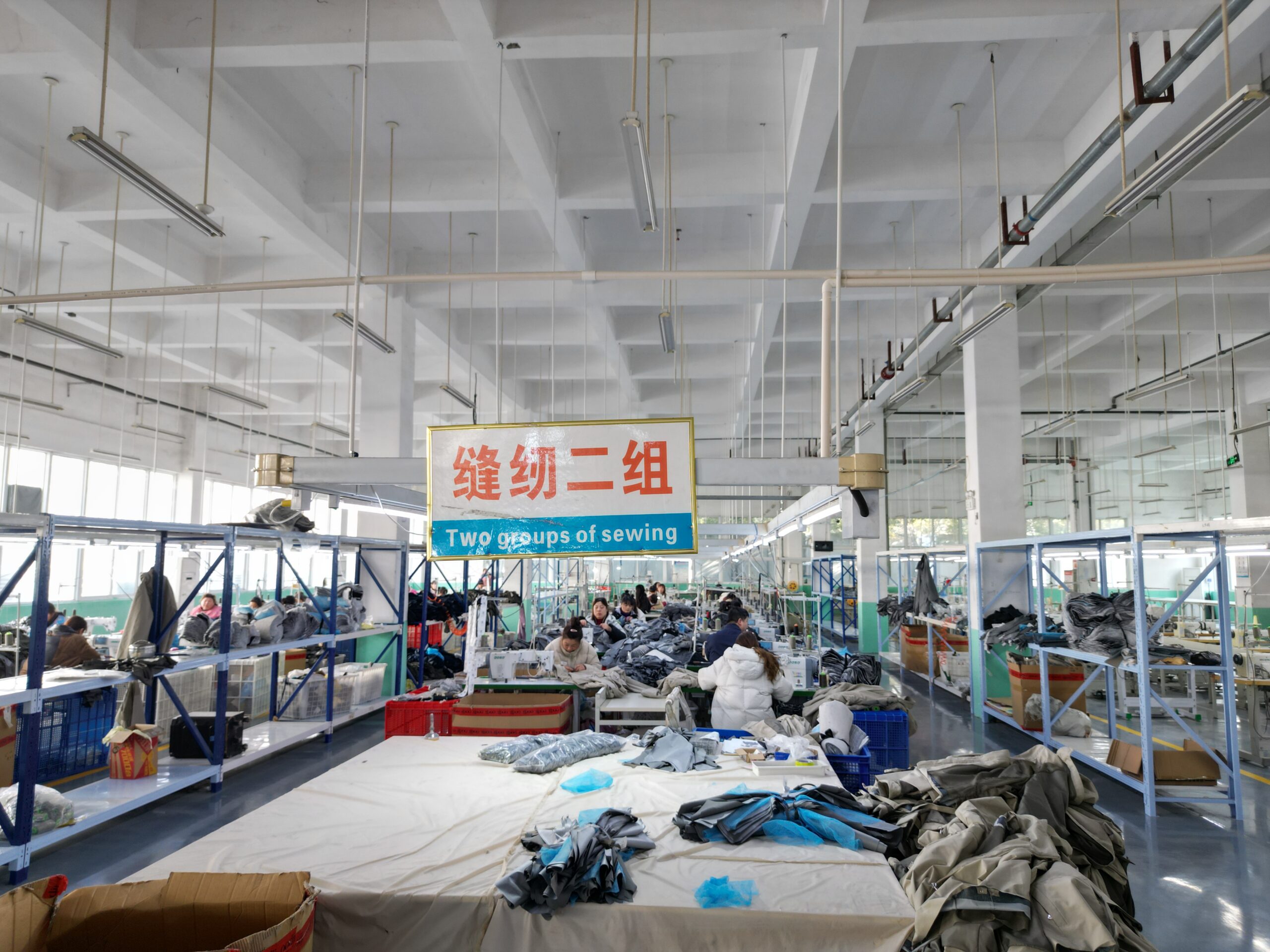
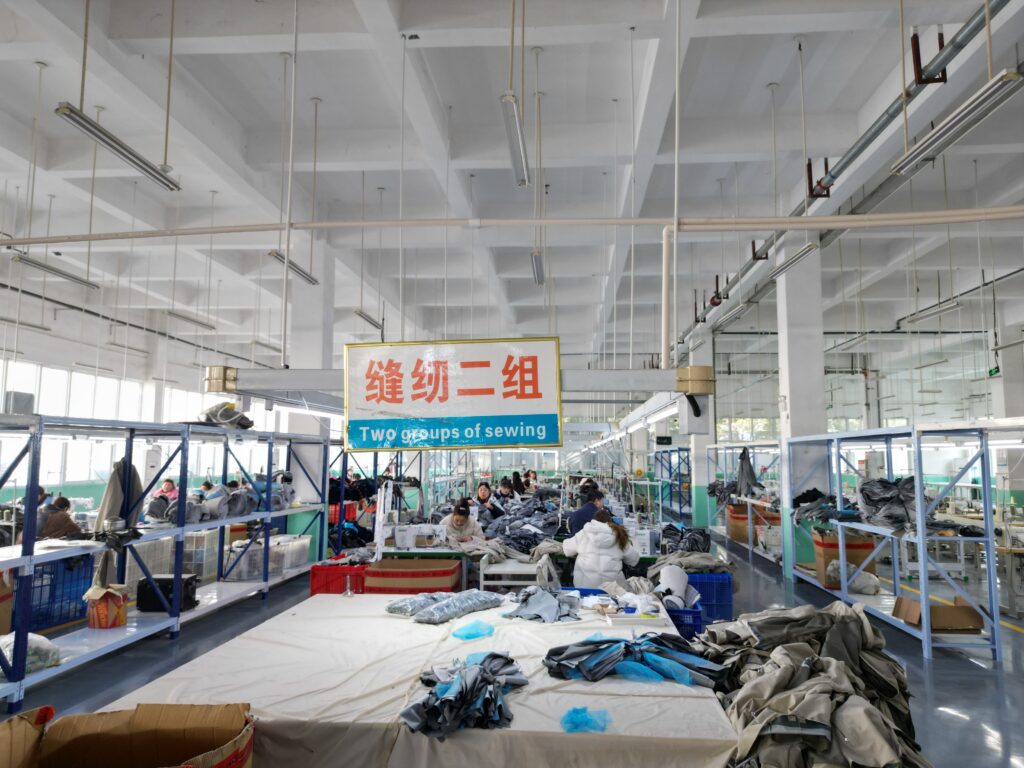
Many European buyers visiting factories in China end up on a “guided tour performance.” The salesperson walks them through the sample room, office and workshop, shows them new machines, takes a group photo, serves tea, and they leave. Back in Europe, they realize they did not actually see anything clearly. A factory visit is not tourism; what matters is not how many factories you visit, but what you see, ask and verify.

A useful factory visit starts with preparation before departure. Do not go with only business cards and a camera; first list the questions you need to confirm. For example: what is this factory’s strength? What similar orders for the European market have they done? How are delivery schedules usually arranged? What is the quality control process? How big is the gap between samples and bulk production? Write the questions in a notebook and verify them one by one on site, rather than relying on the other party’s introduction.
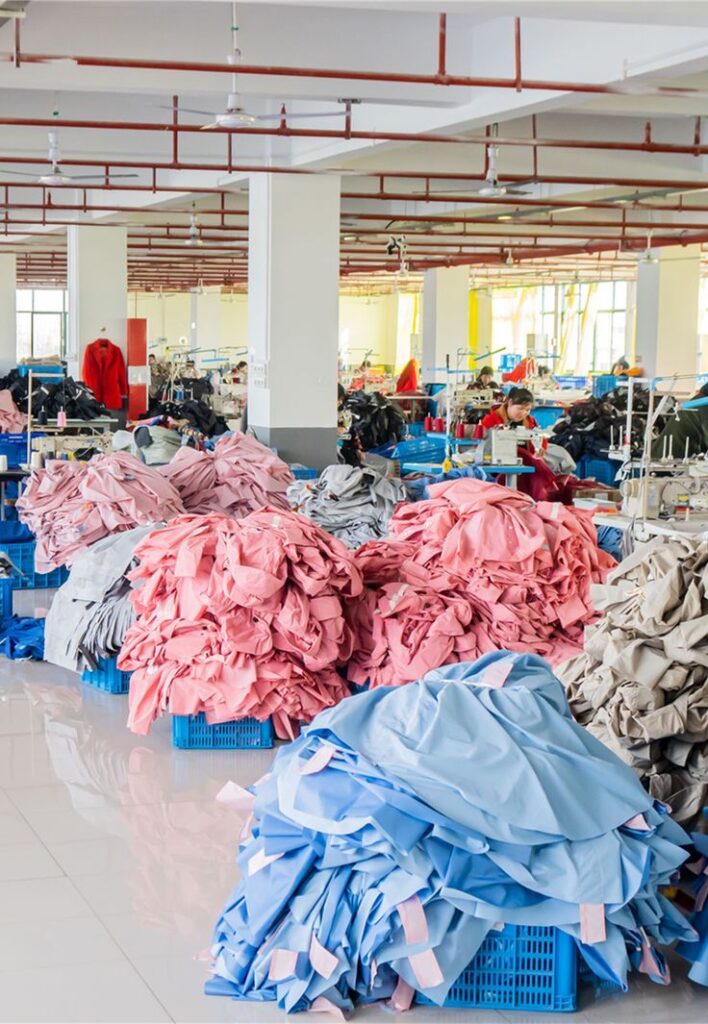
Timing matters a lot for factory visits. Many buyers prefer to go in the off-season, thinking the factory has time to receive them. But the off-season does not show real production capacity; half the workshop is empty and workers are not busy, so you cannot judge whether your order can be squeezed in during peak season. It is better to arrange the visit when the factory is in normal production or during busy season, so you can see the real production line, workers’ skill level, and whether the factory is busy but orderly or busy and chaotic.
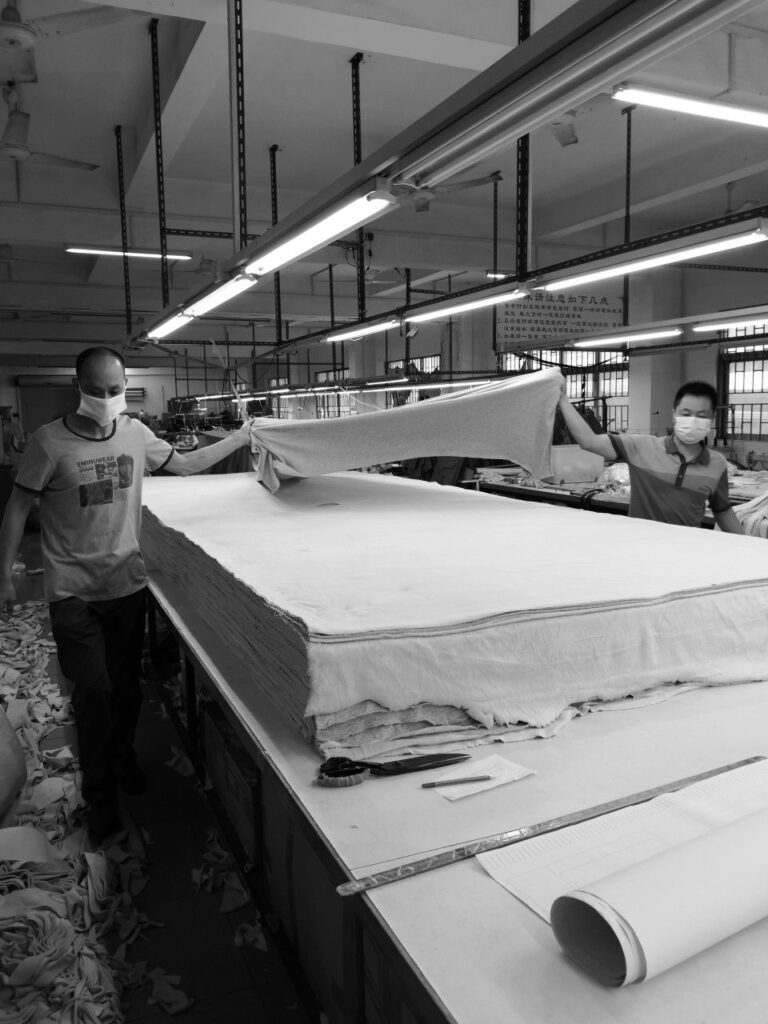
On site, do not just follow the salesperson. Take the initiative to ask to see key areas: the cutting room, sewing workshop, work-in-progress area, QC station, packing area and fabric warehouse. At each place, ask specific questions. For example, in the cutting room: how do you lay out markers? What is the typical fabric utilization rate? In the sewing workshop: how many workers per line? How many pieces per day? At the QC station: what is the sampling ratio? How are defects handled? In the warehouse: how is fabric protected from moisture, mildew and sorted?
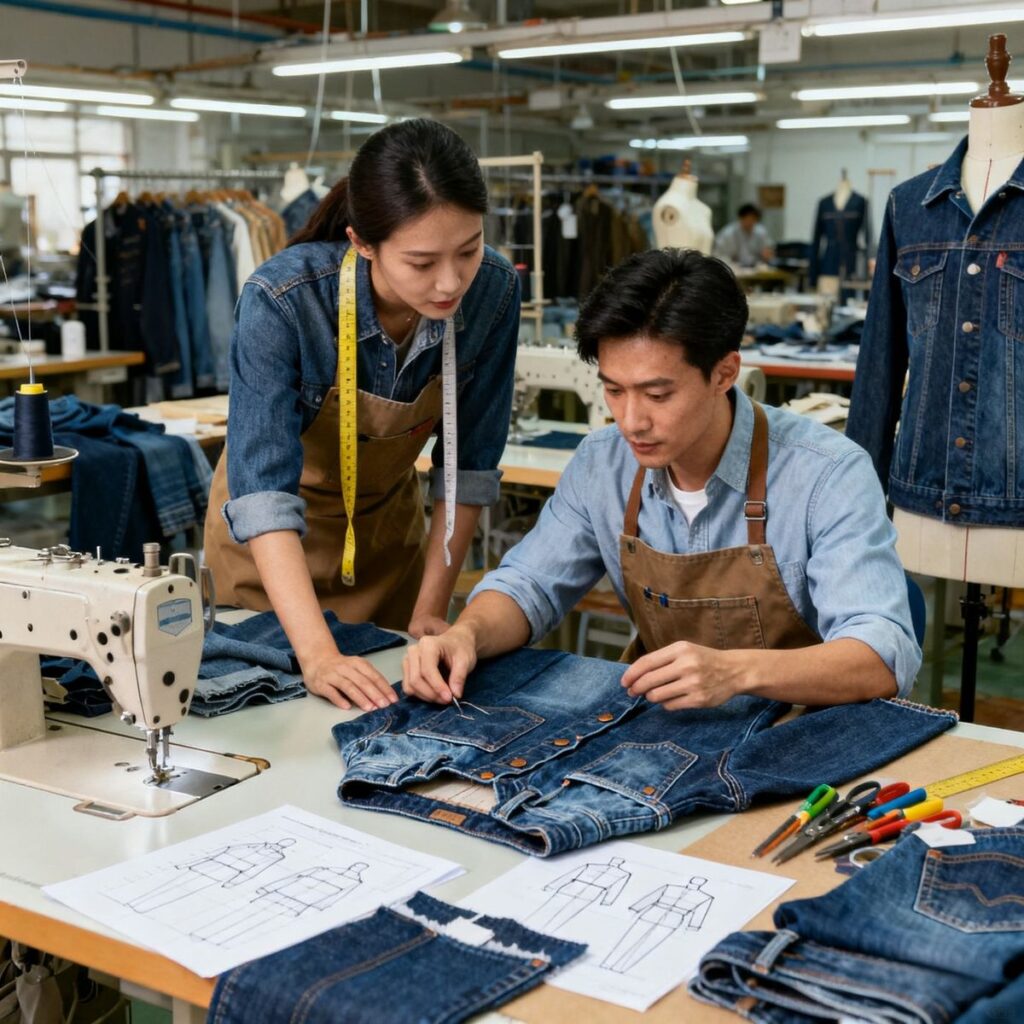
You should also meet different people. Do not only talk to the sales manager; try to chat with the pattern maker, sample sewer, QC supervisor and line leaders. Salespeople may give standard answers, but frontline workers’ answers are more real. You can ask the sample sewer: how many versions does a new sample usually take? Ask the QC supervisor: what are the most common defects? Ask the line leader: are there enough workers in peak season? These questions help you judge the factory’s true level.

Bring one of your own samples or images. During the visit, ask the factory to explain on the spot: if we give you this style, where are the difficulties? What technique would you use? Which part is most likely to have problems? Can the factory demonstrate the method? Experienced factories will not immediately promise everything is fine; they will first point out risks and key points. This kind of factory is more reliable than one that says “no problem” right away.
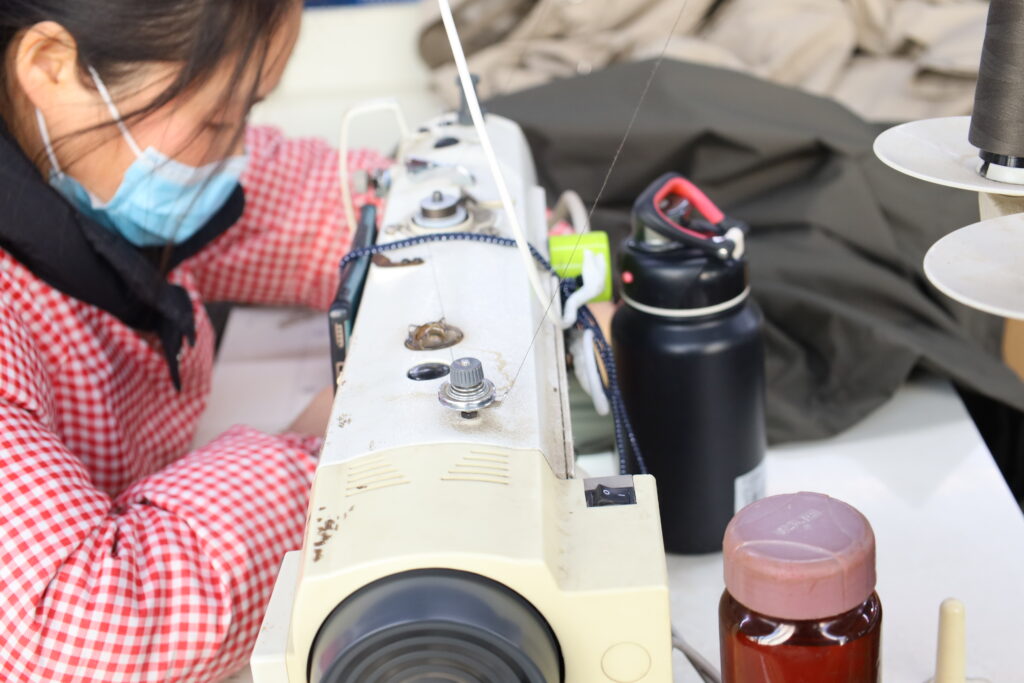
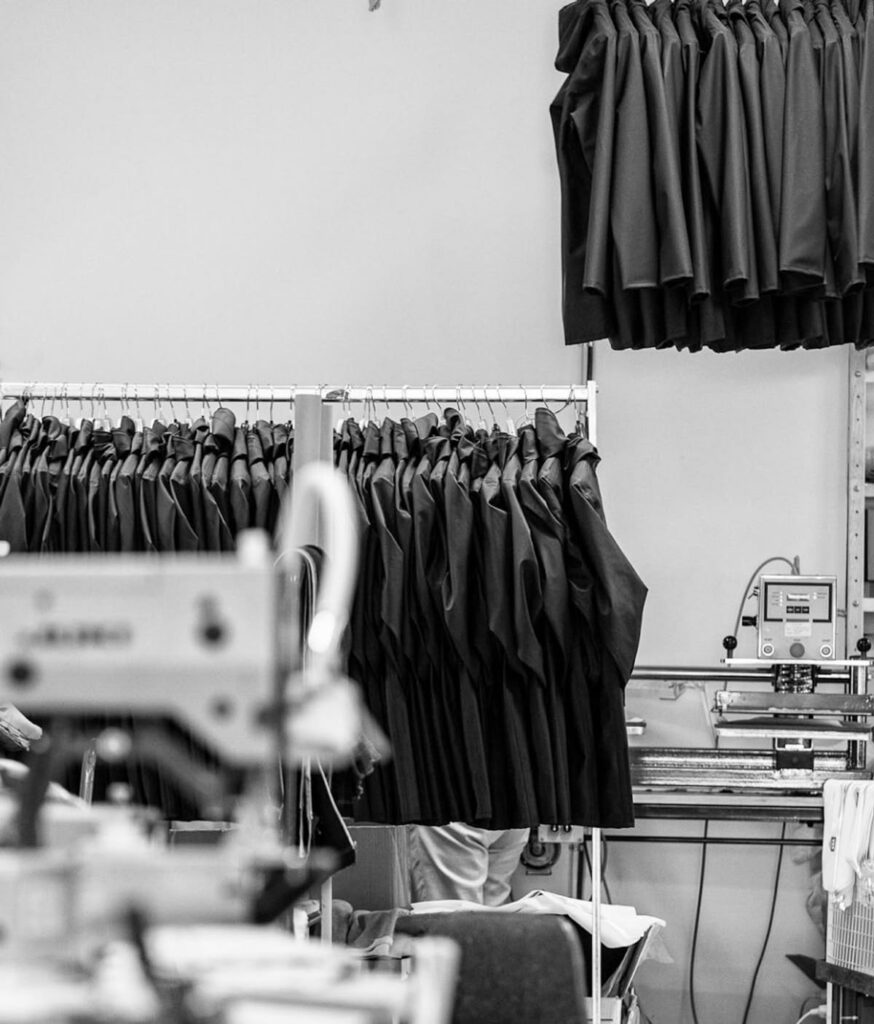
During the visit, pay attention to details, but do not be misled by them. New machines do not mean stable workers, many certificates do not mean good workmanship, and a luxurious office does not mean a standardized workshop. What you need to see is consistency: whether the workshop is clean, whether cut pieces are neatly stacked, whether workers operate in a standardized way, and whether quality control has records. These details put together reveal the factory’s true face.
Do not make a decision immediately after the visit. Organize the photos, notes and answers, and discuss them with colleagues, peers or a third-party consultant. Sometimes a factory looks good but has many problems at the order execution level. A truly useful factory visit is not about making a decision on the spot; it is about bringing back enough information so that you feel confident in subsequent cooperation.
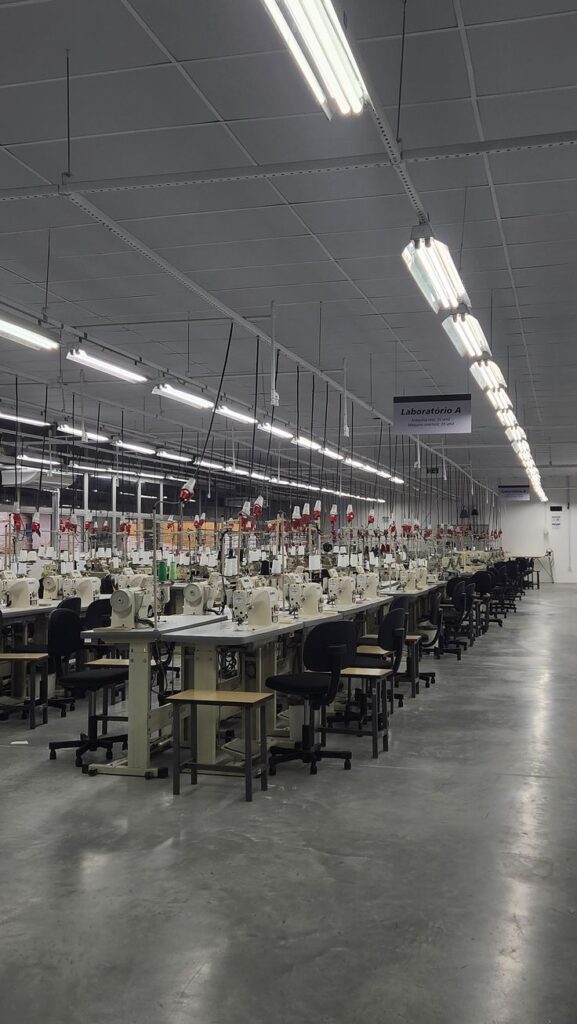
So, how do you plan a factory visit that actually tells you something? The answer is: go with questions, visit at the right time, actively enter key areas, talk to frontline staff more, verify with real samples, and finally piece together a judgment from the details. A factory visit is not a sightseeing trip; it is a purposeful investigation. Do this step well, and you will have much less trouble later with supplier changes, delivery chasing and quality control.