




News
Pockets, zippers and cuffs — three details amateurs overlook but professionals always check
When buying jackets, most people focus on style, price and color. But there are three details that truly professional buyers always examine: pockets, zippers and cuffs. These might seem insignificant, but they reveal a factory’s quality standards better than anything else.
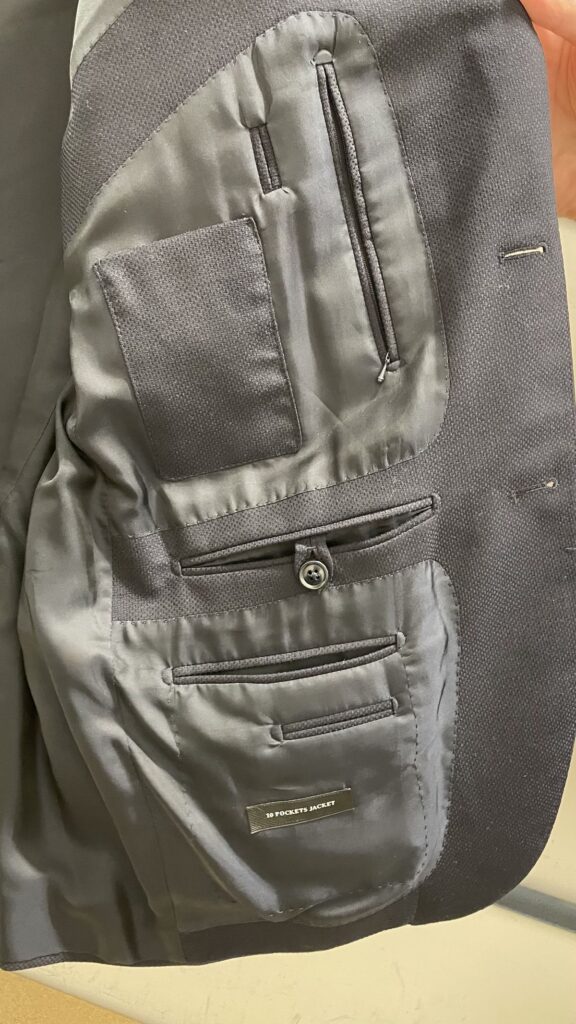
Pockets are where factories cut costs most easily. Standard construction uses lined pocket bags with double-folded openings and triangular bottom reinforcement, while simplified versions attach single-layer fabric directly with folded edges. This saves a bit per pocket, times ten pockets on one jacket — the savings add up. From the outside there’s no visible difference, but after a few months pockets start sagging, sometimes badly enough to affect wearing. Simple check: reach inside and feel the bottom. Thin padding means the lining was skipped; stiff, crispy edges mean oversized adhesive. Good pockets feel soft yet supportive.
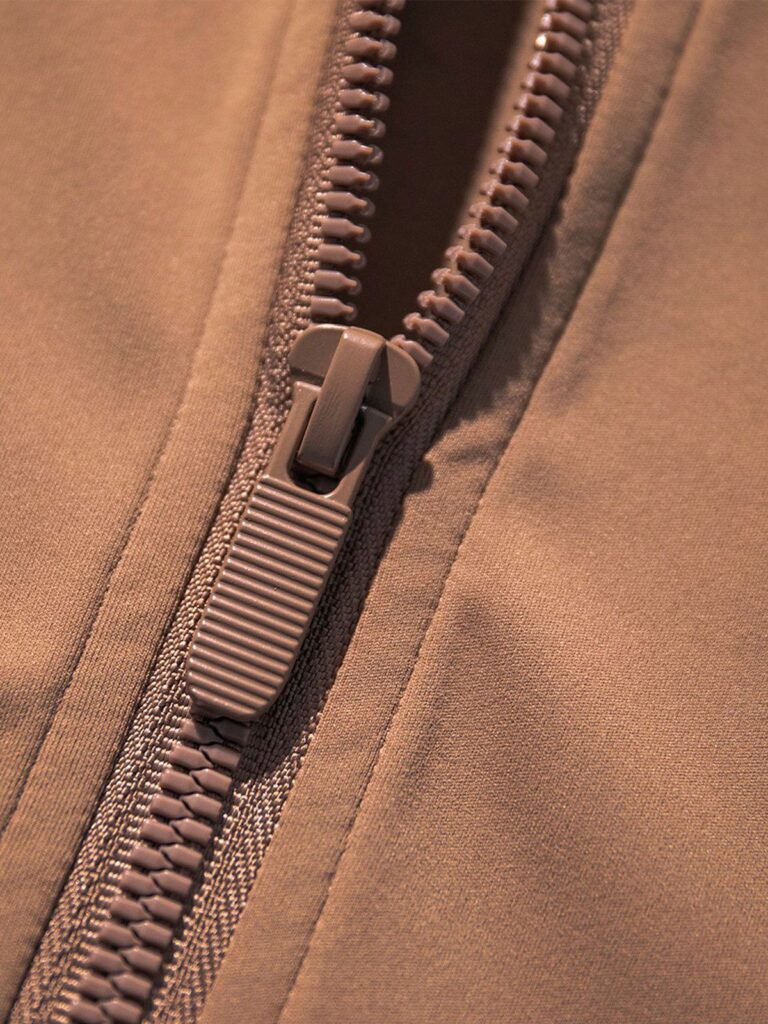
Zippers are another major target for cost reduction. In a jacket, zipper costs can run fifteen to twenty percent of total cost — plenty of room to maneuver. Stability and smooth operation are basic requirements, but some factories swap in lower-tier or no-name alternatives to cut prices. They perform fine initially, but after half a year problems emerge: sticking, binding or snapping back. Simple check: pull the zipper back and forth five or six times. Good zippers sound crisp with even movement; problem zippers feel sticky or overly noisy. Another often-overlooked detail: slider stops. Many cheap zippers skip this entirely, and over time the slider derails from the track.
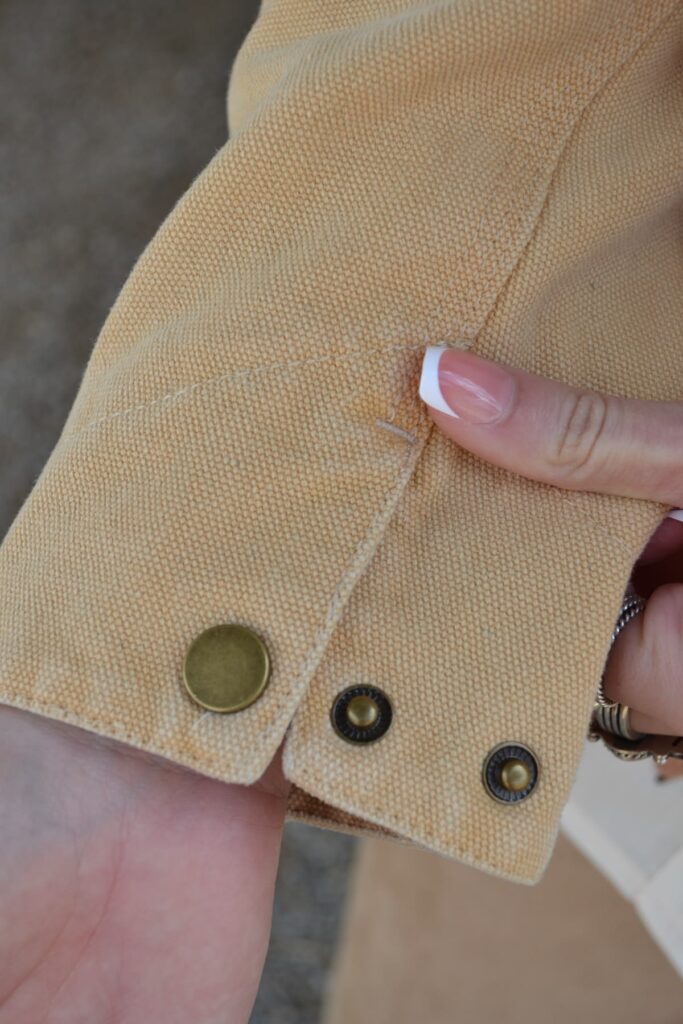
Cuffs hold the key to balancing two conflicting needs: mobility versus wind protection. Simplest approach uses loose ribbed cuffs — comfortable but drafty. Premium versions use two-layer ribbing with outer wind-blocking and inner warmth-retaining layers, plus grip tape on the palm side to prevent sleeves riding up. Snap-adjustable cuffs offer adjustable tightness but require precise alignment and comfortable one-handed operation — budget jackets skip this and use fixed cuffs instead. Check by flipping the sleeve inside-out: look for inner layering, palm-side grip treatment and even snap alignment.
Factories willing to invest in these three areas typically maintain the same standards everywhere else. Conversely, factories cutting corners here — their overall quality is usually predictable.