



Noticias
Why Do Scandinavians Avoid Down Jackets? The Climate and Fashion Logic Behind It
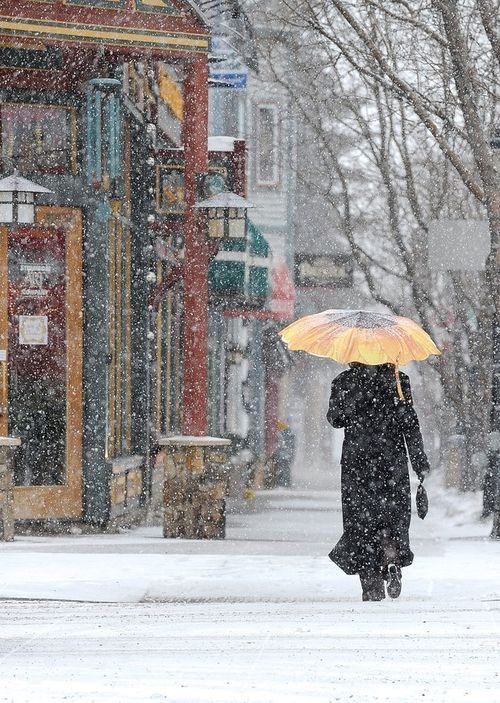
If you stand on a winter street in Copenhagen or Stockholm for an hour, you’ll notice an interesting phenomenon: everyone is wearing cotton jackets, wool coats, or windbreakers, rarely seeing those “Michelin tire man” style thick down jackets. This isn’t coincidence—it’s a choice Scandinavians have made based on decades of living experience.

Climate is the first layer of reason. Nordic winters are known for dry cold, not the bone-chilling wet cold common in northern China. Although the temperature is low, the air humidity isn’t high, and the wind doesn’t have that “piercing into the bones” feeling. Under these climatic conditions, the down jacket’s “high warmth rating” becomes a disadvantage—wear it for a while and you’ll sweat profusely, and the large temperature difference when going indoors easily leads to colds. Cotton jackets, with their “just right” warmth, are actually more practical: not stuffy, not bulky, with perfectly balanced warmth.
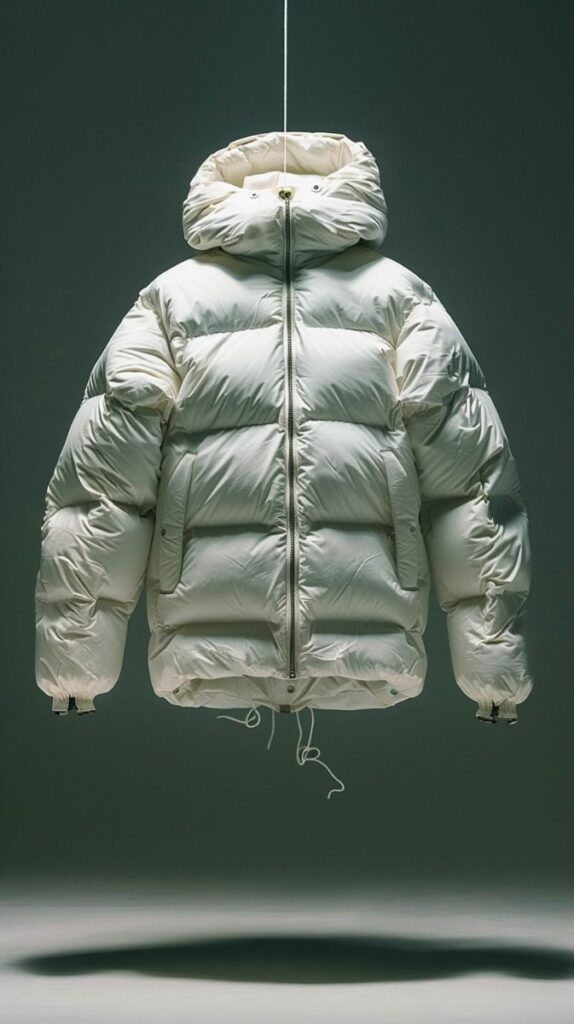
Fashion culture is the second reason. Nordic design has long pursued “functionalism”—form follows function, design should solve problems rather than create them. In the Scandinavian design language, “bulky” is almost a design flaw. A good winter garment should flatter the body, not hide it. Uniqlo U’s design language, as well as Nordic brands like Arket and COS, all point in the same direction: clean, restrained, making the wearer look “sharp” rather than “round.” The high loft of down jackets naturally conflicts with this aesthetic, while cotton jackets can achieve the effect of “lightweight yet warm” through cutting and fabric selection.

Practicality is the third reason. Nordic urban life relies heavily on walking and cycling. Copenhageners ride bicycles year-round, including in winter. If you wear a bulky down jacket while cycling, your underarms and back will quickly become stuffy and sweaty, making you actually colder when you get off the bike. The slim fit and breathable fabric of cotton jackets are more suitable for this “active lifestyle” scenario. Moreover, Scandinavians are accustomed to “onion layering”—a thin merino sweater inside, a windproof jacket outside, adding or removing layers anytime based on temperature. Down jackets have a fixed structure and can’t be adjusted as flexibly.
Supply chain and cost are the fourth reason. What many don’t know is that down is a raw material with extremely volatile prices. After 2020, global down prices have continued to rise, and high-quality down costs have exceeded many synthetic cotton fillings. Meanwhile, European and American consumers are increasingly concerned about “animal welfare” and “sustainability,” with natural down facing growing scrutiny due to sourcing issues. Brands are turning to recycled polyester fibers, Primaloft, and other technical cotton fillings—more environmentally friendly and stable, while also providing more consistent warmth performance.
This also explains why cotton jackets targeting the European and American markets have become increasingly popular in recent years. From H&M’s Conscious collection to Burberry’s new collections, European and American brands are unanimously investing more design resources in the cotton jacket category. It’s not that they’ve given up on down jackets, but that cotton jackets have achieved a better balance across the four dimensions of “fashion, functionality, cost-effectiveness, and sustainability.” For those truly sourcing in the European and American markets, understanding why Scandinavians don’t wear down jackets is essentially understanding a forming consumer trend: when consumers start pursuing “looking good while being smart,” cotton jackets might just be the answer.