




Noticias
How to Check If Your Factory’s Workers Are Skilled Enough?
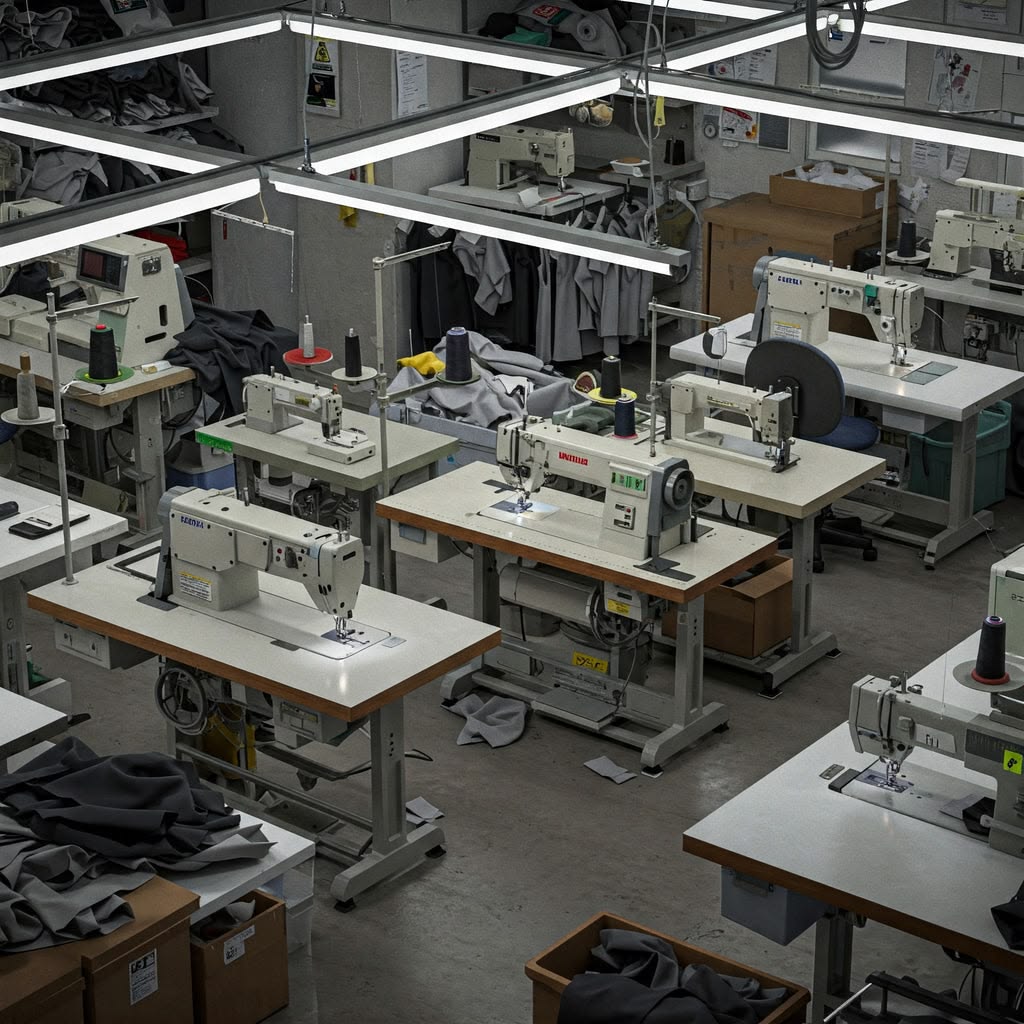
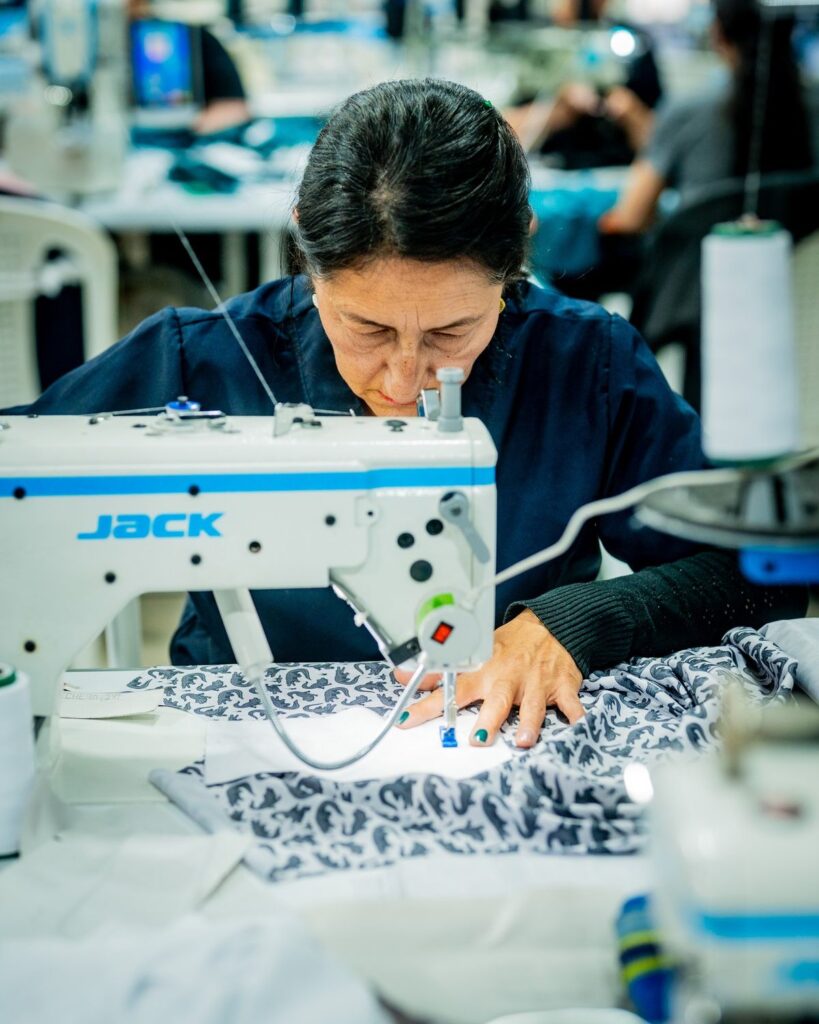
Many European buyers, when visiting a factory, tend to look first at how new the machines are, how large the workshop is, and how complete the certifications are. These things matter, but at the end of the day, garment making comes down to people. Machines are fixed; workers’ skill is alive. Even the most advanced sewing machine will produce crooked stitches if the operator is not steady. When judging whether a factory can make your jackets well, the technical level of the workers is something you cannot skip.
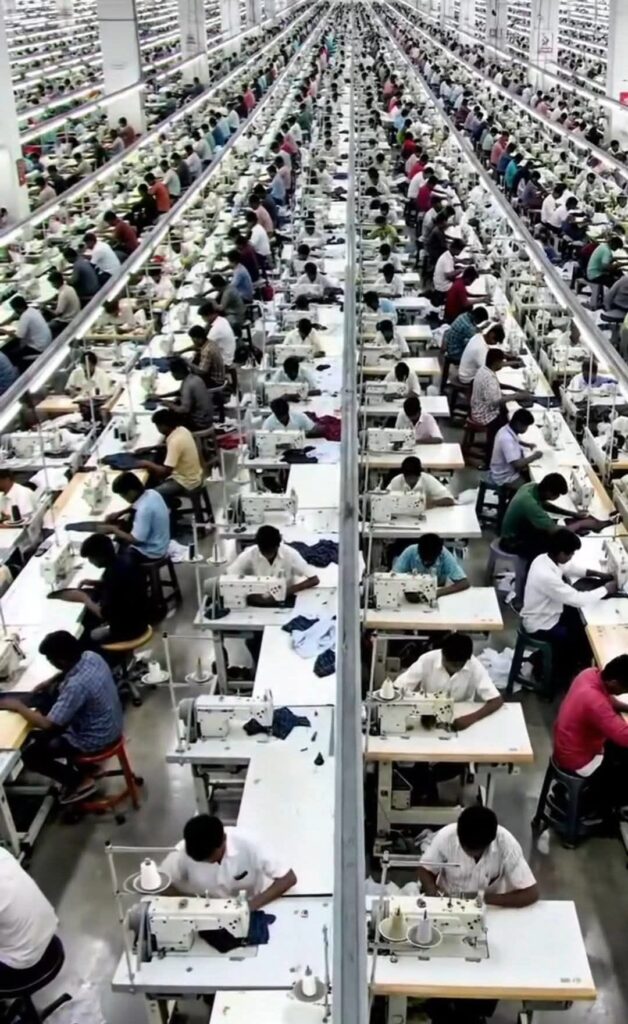
The most direct way is to go to the workshop and look at goods currently in production. Do not only look at the sample room, where the best workers usually make the samples. Look at the bulk production line and see what average workers are producing halfway through. Focus on a few things: whether the stitches are even, whether curves are smooth, whether thick areas have skipped stitches or broken threads, and whether seams pucker. A jacket may have dozens of operations; if one or two are unstable, the whole garment drops in grade.
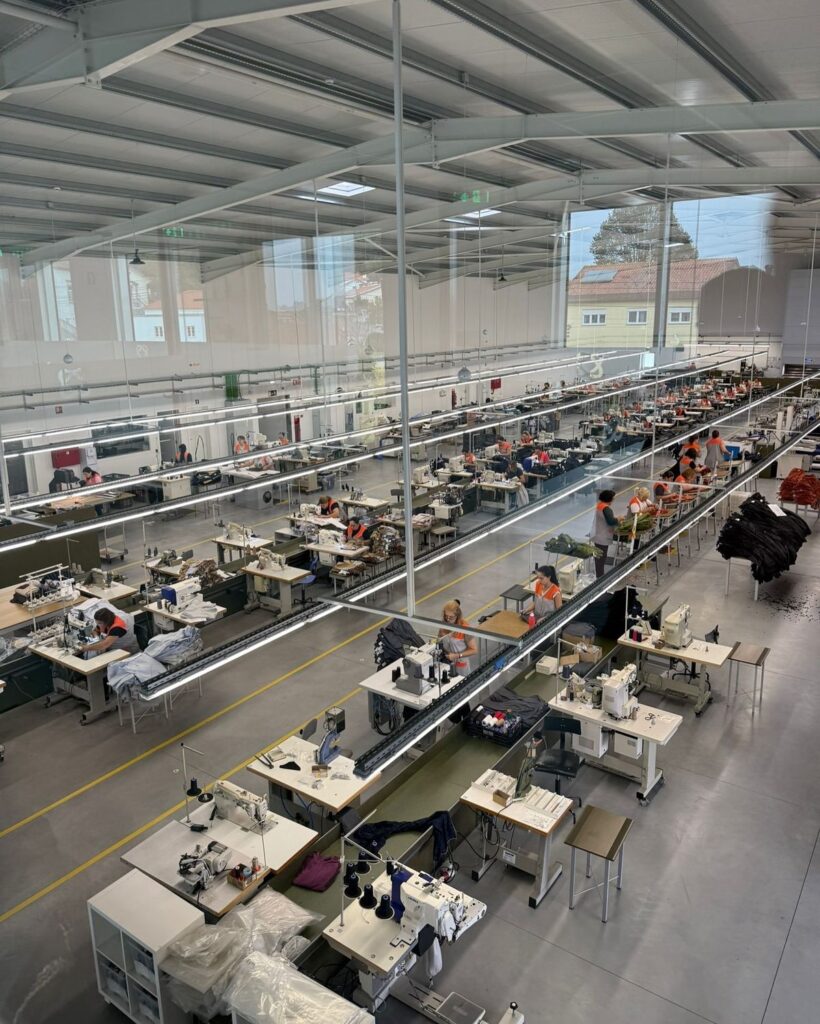
Besides looking at the products, look at worker stability. Long-term workers and temporary workers produce very different results. Experienced workers know how the fabric feeds through the machine, when to slow down and when to speed up, and do not panic when facing difficult parts. You can ask the factory: how long on average have your workers been here? What is the turnover rate? Are there fixed workstations for specific operations? If most workers are recruited temporarily and leave after peak season, quality will be hard to stabilize.
Another judgment point is the training system. Good factories do not put new workers directly on machines; they have mentors, standards and inspections. New workers first learn basic stitching, and only after becoming skilled do they join the bulk production line; difficult styles are checked by experienced masters. You can ask: how long is the training for new workers before they operate independently? Does the factory have process quality standards? How are defective pieces handled? The answers to these questions reveal more than the slogans hanging in the workshop.
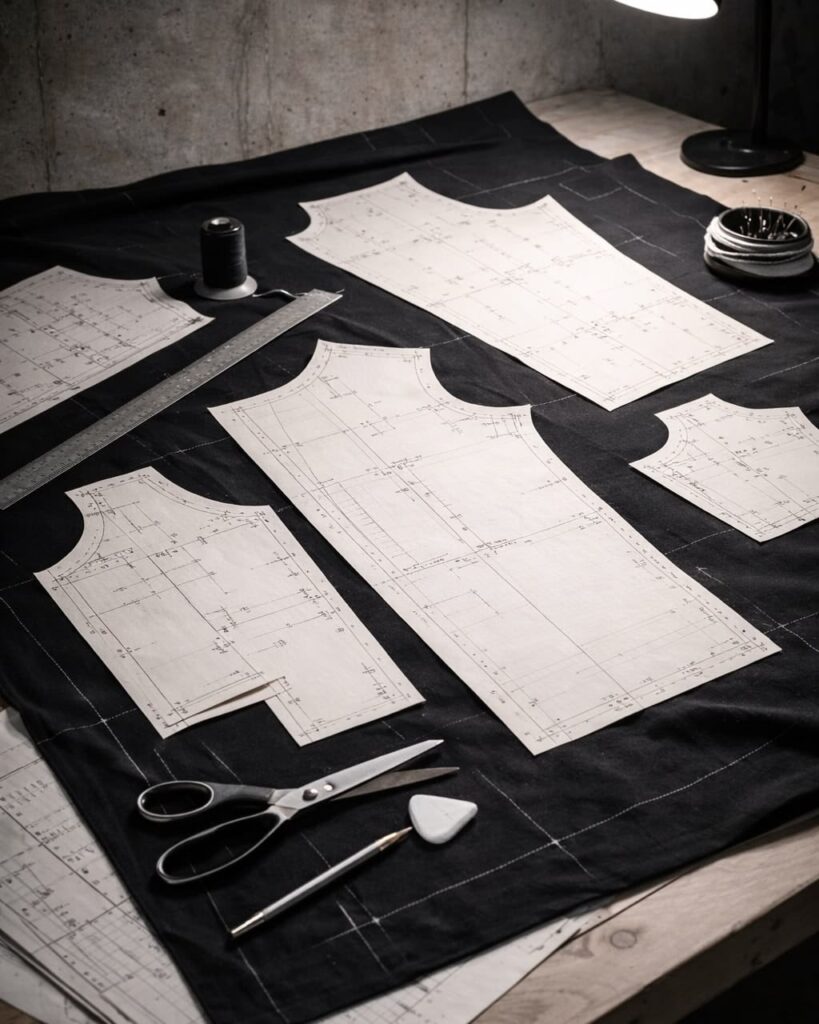
The sampling stage is also a test. Do not only send simple styles; choose a difficult one — such as multi-layer assembly, curved panels, or a jacket requiring precise pattern matching — and ask the factory to sample it. When you receive the sample, focus on detail handling: whether curves are smooth, whether panels align, and whether the inside is clean. If even the best sample room workers produce problems, bulk production will be even worse.
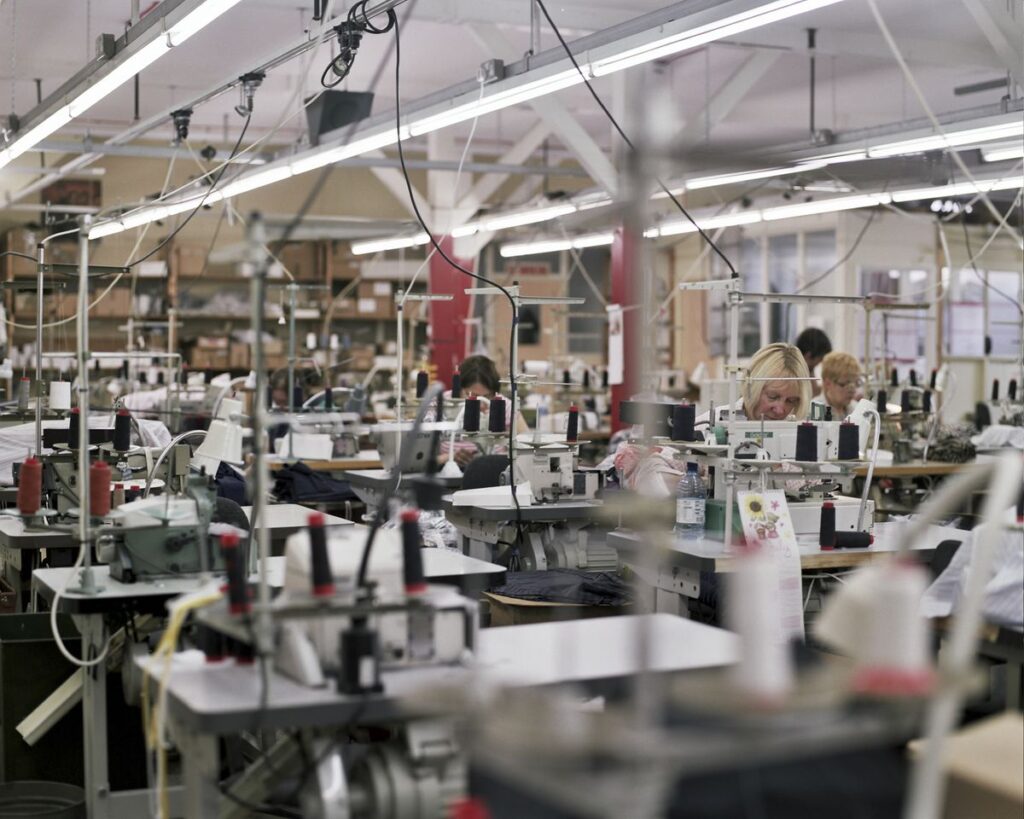
Another easily overlooked point is worker division of labor. Garments are not made from start to finish by one person; they go through a production line. If a critical operation can only be done by one or two people, once they take leave or resign, the whole line is affected. Good factories have multi-skilled workers and backup personnel for key operations. You can ask: how many people can do your most difficult operation? Is there cross-training?
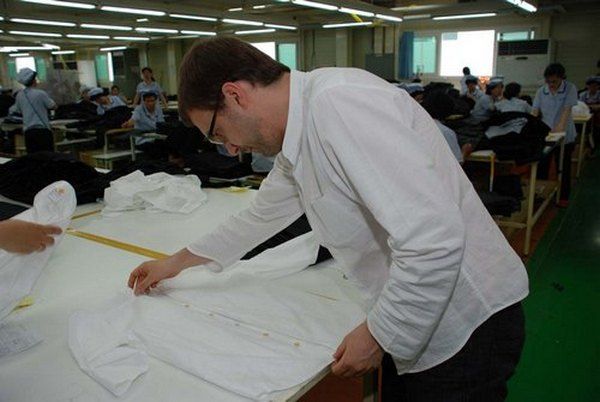
One final reminder: do not judge skill by one visit alone. The first factory visit may be carefully prepared by the factory. You need to observe daily production several times, or ask third-party inspectors to focus on workmanship consistency. After one or two orders, the true skill level of the workers will show. A factory with truly solid workmanship will not make you worry every time you receive goods.
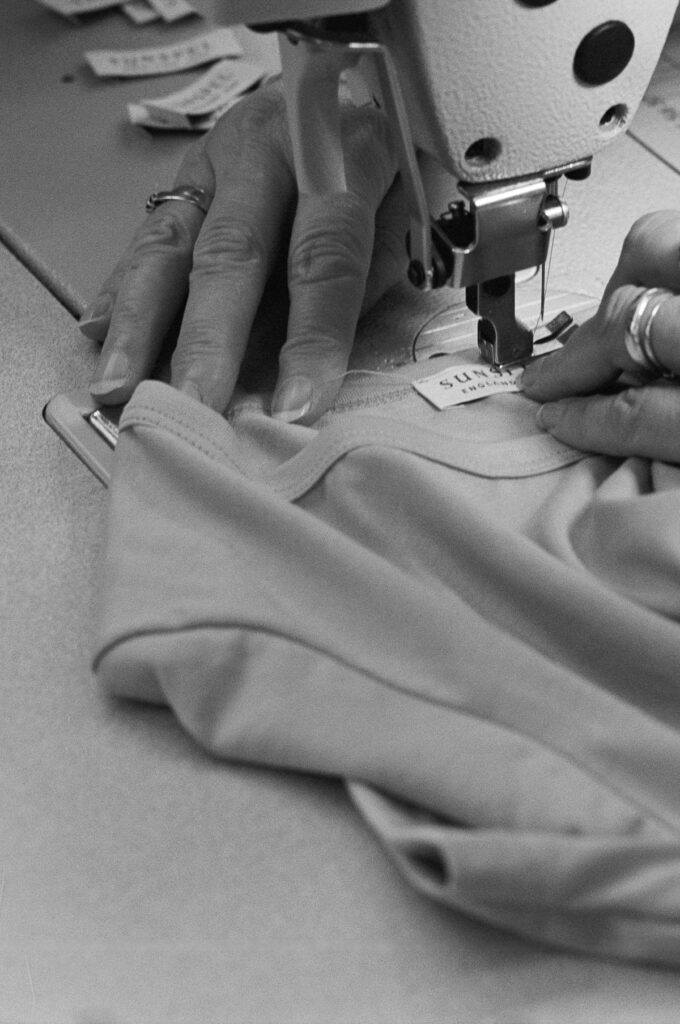
So, how do you check if a factory’s workers are skilled enough? The answer is: look at bulk production, not samples; look at daily performance, not staged shows; look at consistency, not individual exceptions. Workers’ skill is hidden in every stitch and seam, and also in the factory’s training, management and personnel stability. Finding a stable team of skilled workers who stay with the factory is more valuable than finding an expensive machine.