



Noticias
Managing Quality Without Visiting China
Many European buyers ask themselves the same question: if I can only visit China once a year, or cannot travel at all for now, can quality still be controlled? Our answer is yes, as long as quality does not depend on somebody standing on the floor watching, but on standards, inspection milestones and an evidence chain agreed in advance. When the buyer is not on site, the factory’s own system becomes the only thing that can act as your eyes.
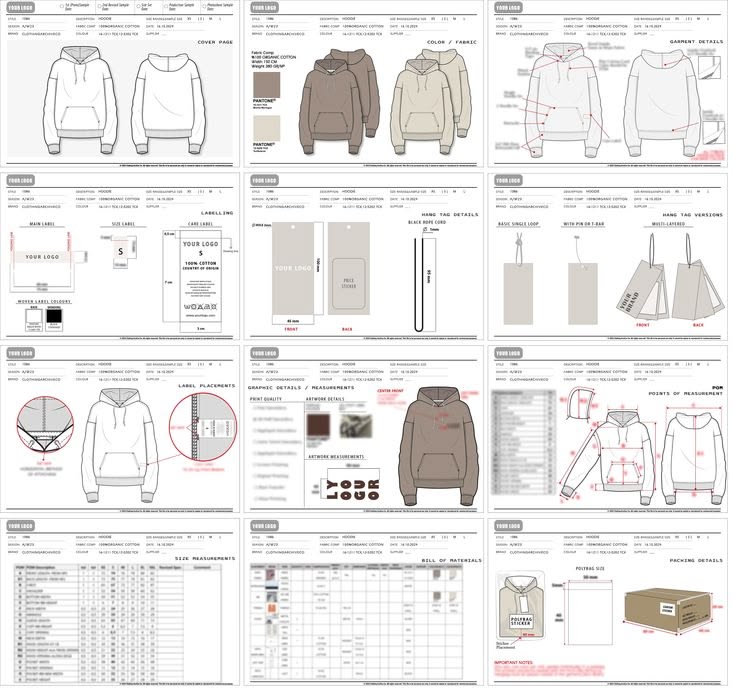
The starting point is not inspection, but the tech pack. Size charts, fabric and padding specifications, colour standards, trim lists, packing methods and label requirements — the clearer these are written, the fewer disputes follow. Many so-called quality problems are in fact unclear standards: the factory makes its own reasonable interpretation, and at the end both sides talk past each other.

Before production begins, hold a pre-production meeting. It aligns fabric and trims, size tolerances, difficult operations, packing and inspection criteria in one go, and confirms who owns which step. Done properly, it moves most of the risk out of the production floor and into a meeting room.
Samples are the backbone of remote quality management. The approved sample should serve as the single acceptance benchmark, sealed and kept by both sides, with fabric, colour, measurements and workmanship details recorded on it. Every later inspection is measured against it, so that “the sample in my memory” never conflicts with “the sample in your hand”.
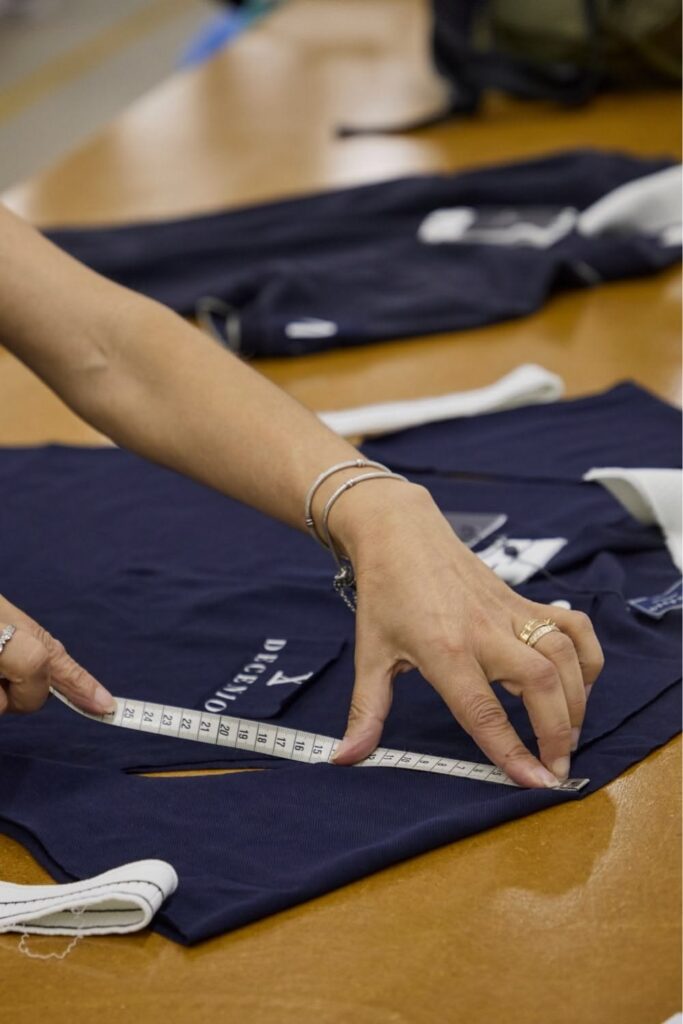
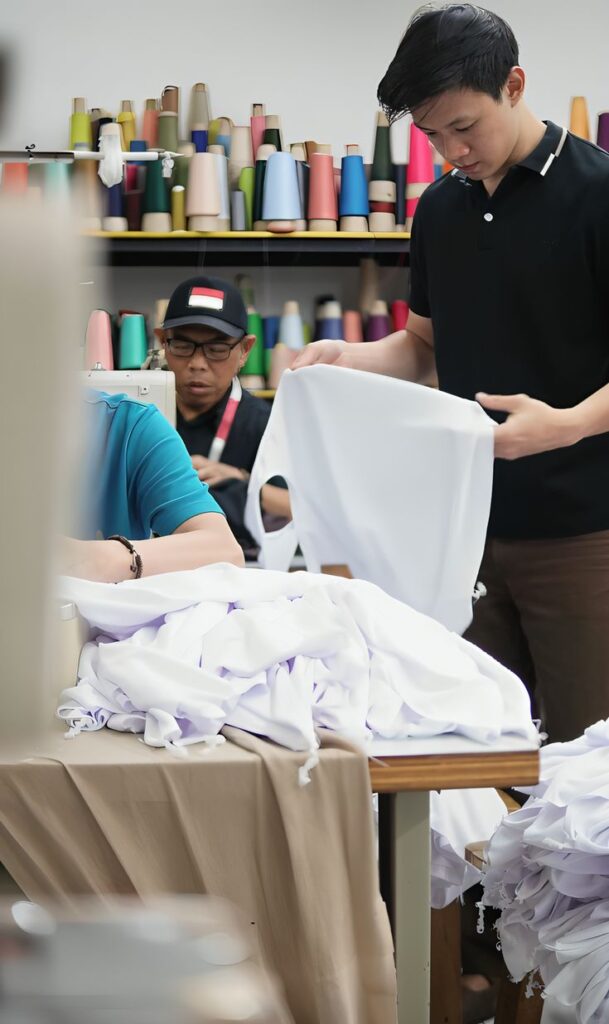
Once bulk production starts, in-process inspection is far more useful than one final look at finished goods. Fabric is checked for dye-lot variation and appearance on arrival, the first piece is verified after cutting, semi-finished garments are checked during sewing, and the padding stage is watched for even filling and consistent thickness. Sampling per AQL standards, combined with measured size reports, close-up workmanship photos and short videos, lets the buyer see the real production status from thousands of kilometres away.
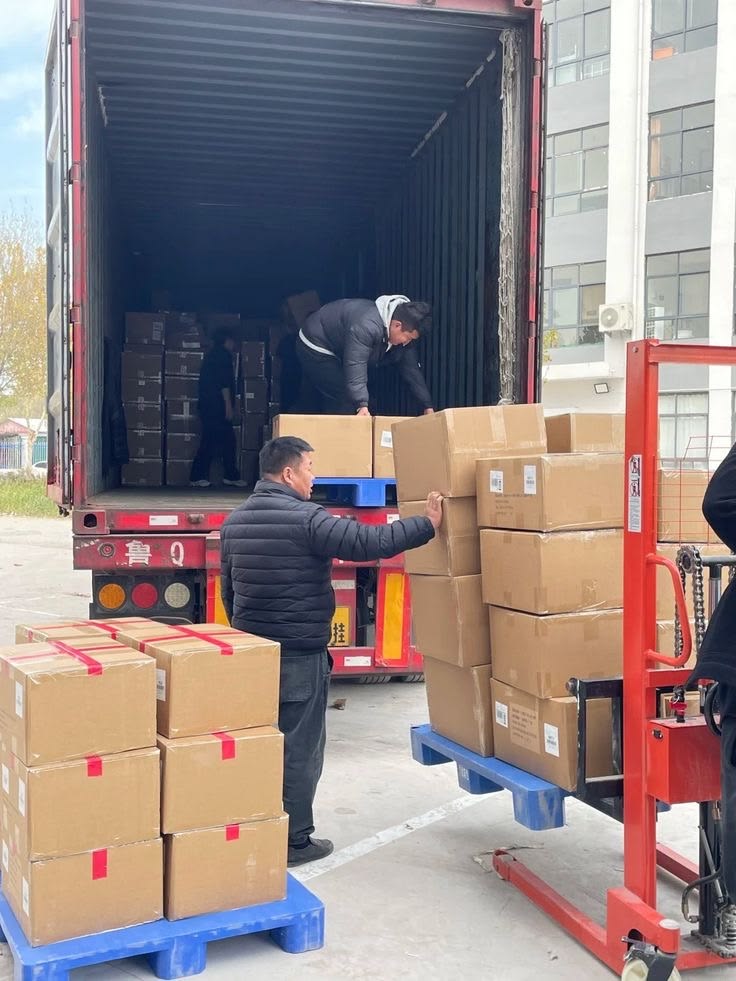
Final inspection before shipment is the last gate. Many buyers commission a third-party inspection agency for an independent report, while others rely on the factory’s own checks supported by historical data. Either way works, provided the criteria, sampling level and pass-or-fail rules are agreed in advance, and packing, labels, hangtags and carton quantities are verified at the same time, so that problems are not discovered only after the goods reach Europe.

What really decides quality is communication. We would much rather have a buyer who asks detailed questions and follows up closely than one who goes quiet for months after placing the order. A problem raised early is always cheaper than a problem found inside a container. That is why regular production updates and proactive reporting of deviations are, in our view, worth more than any promise that everything is fine.
So yes, quality can be controlled without flying to China — not through luck or trust, but through clear standards, defined milestones and verifiable evidence. Get these three right, and a buyer may end up knowing more about their own order than someone who visits once a year.